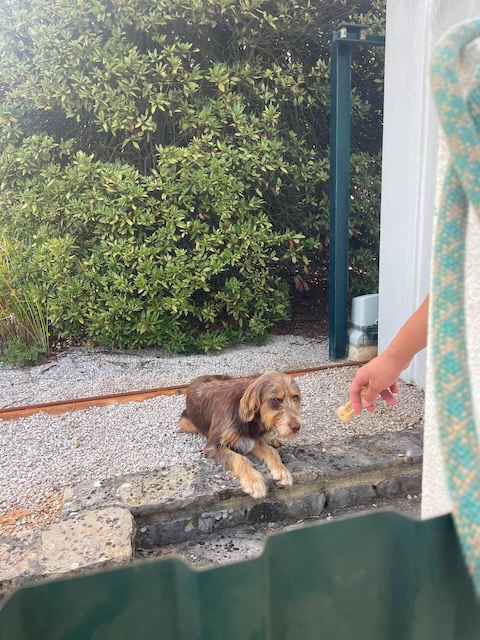
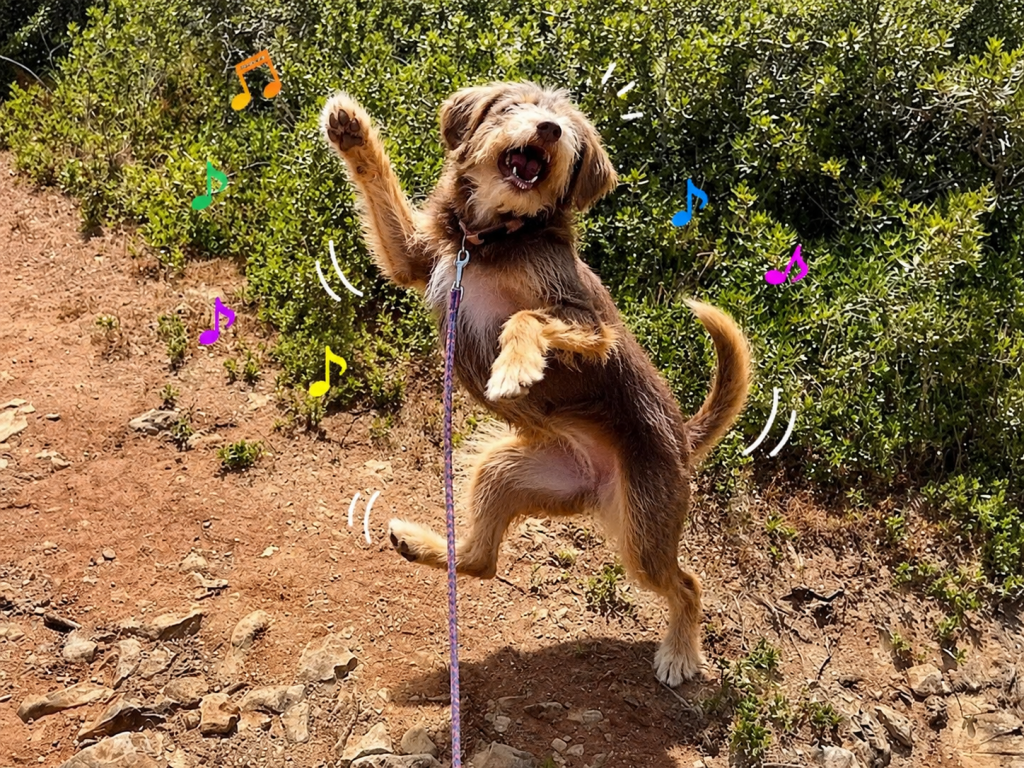
I lost Minerve, but found it again

Part two of two of my Expédition Française.

Minerve

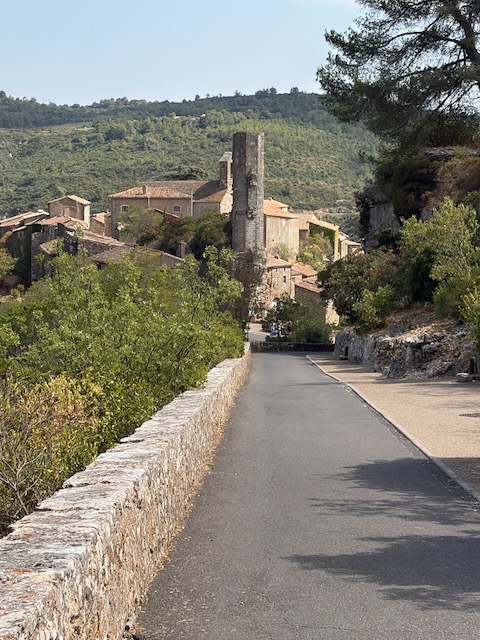
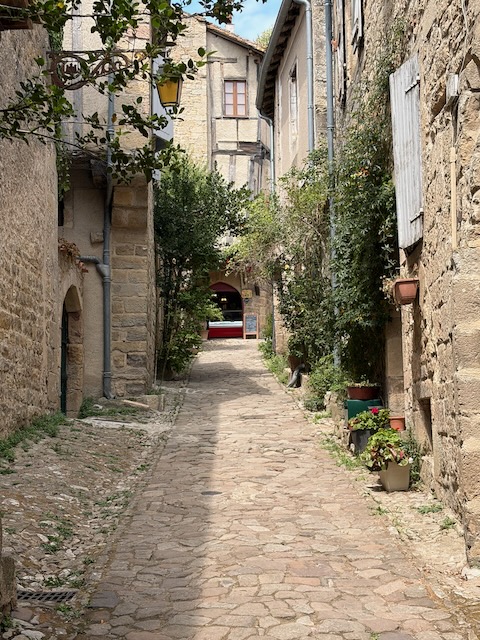
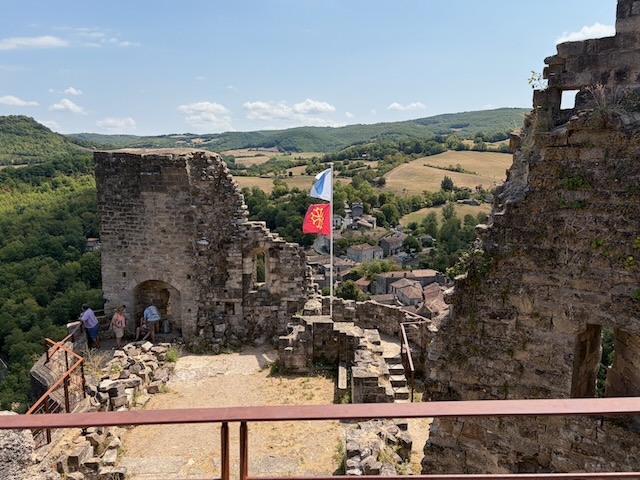
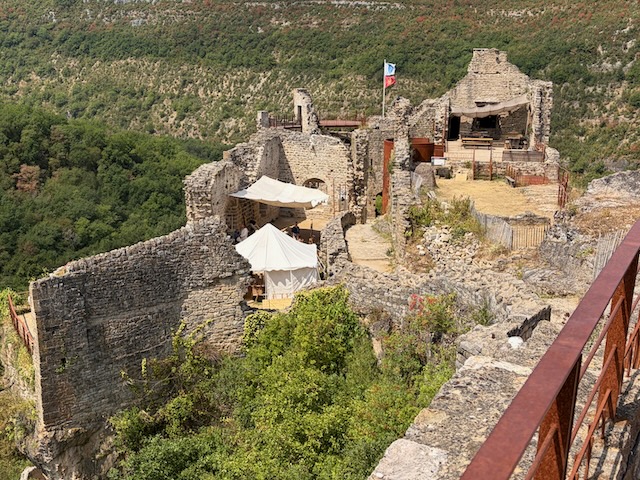
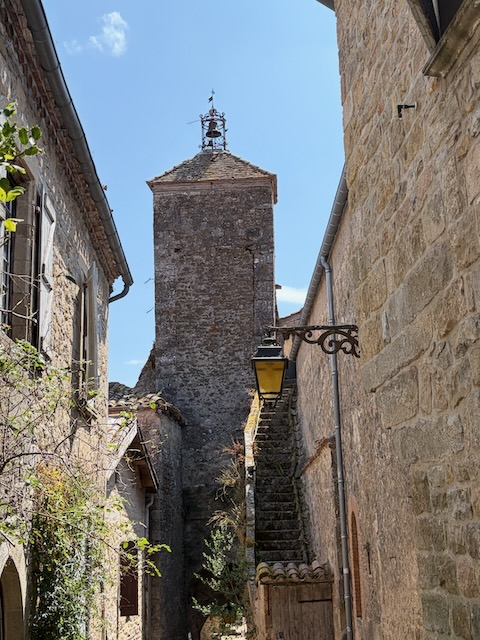
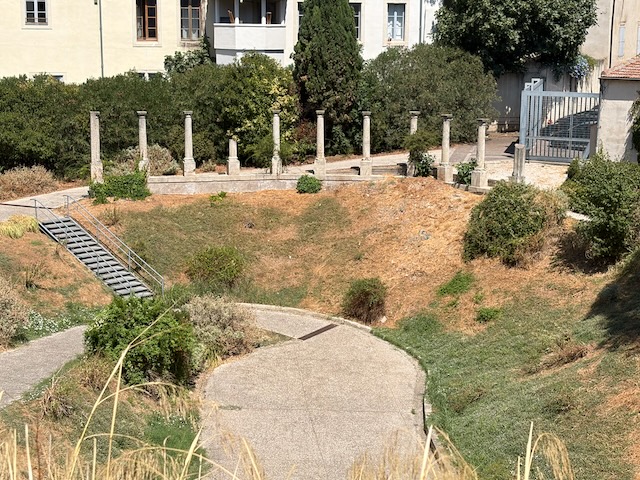
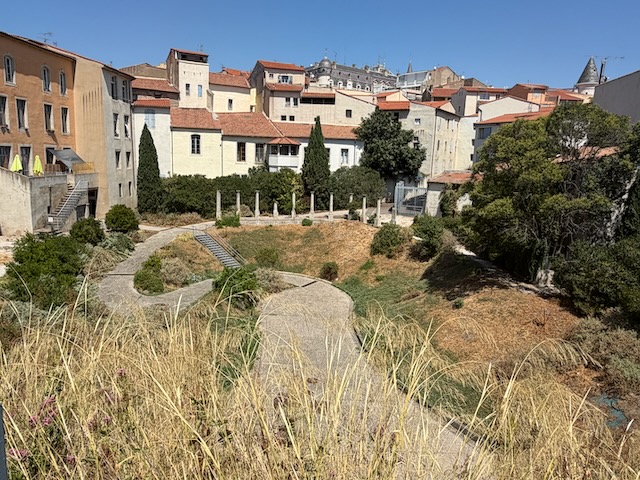
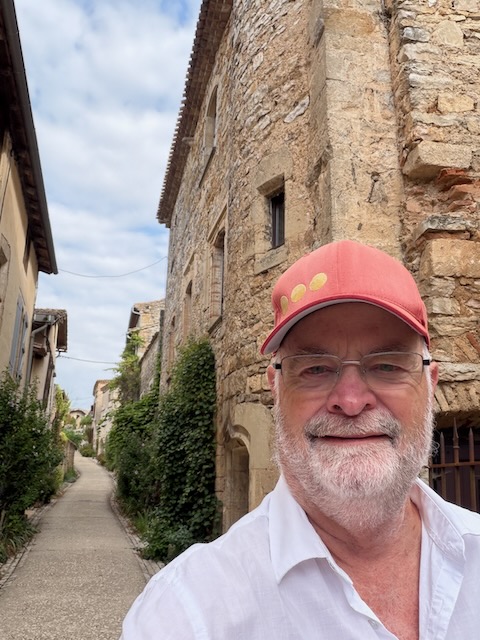
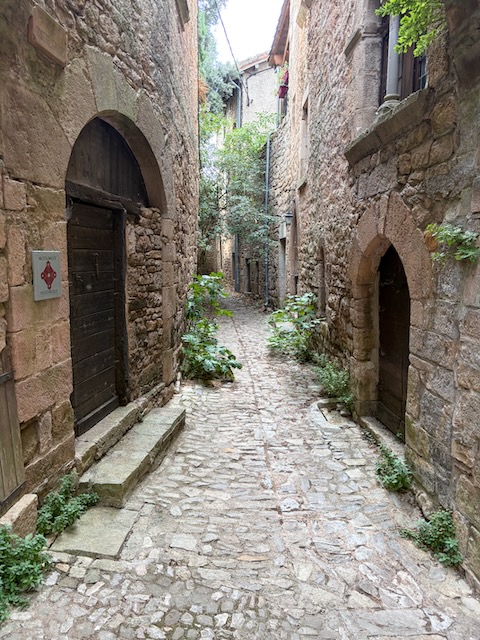
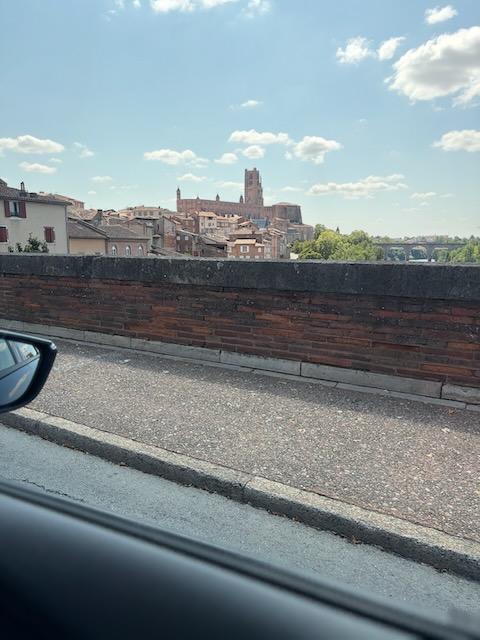
It’s easy to lose Minerve on a map, the village only has a population of 98. It doesn’t even have a castle, and in fact out of all of the original ancient fortifications only a slender octagonal tower, known as the Candela, survives, and I didn’t even know about that until I did some research for this blog, so your guess is as good as mine as to whether I caught it in a photo. I think it’s probably the tall thingee at the bottom of the path below.
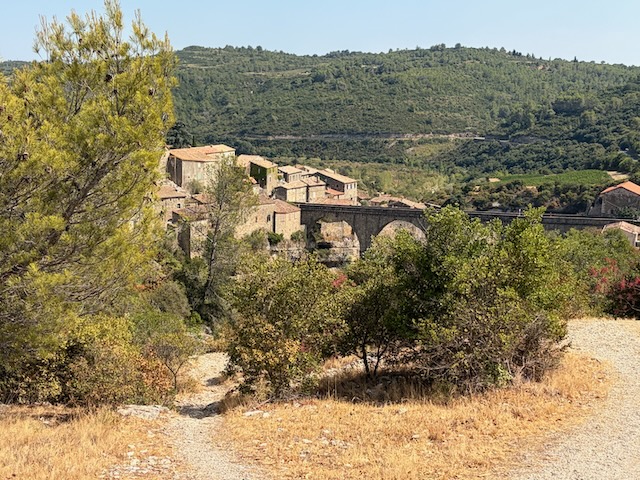
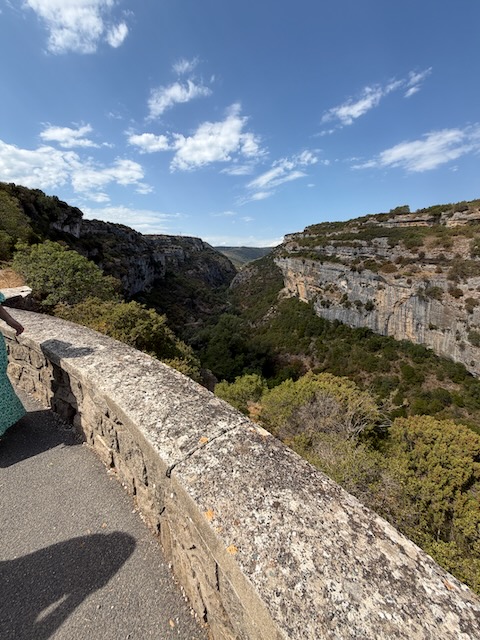
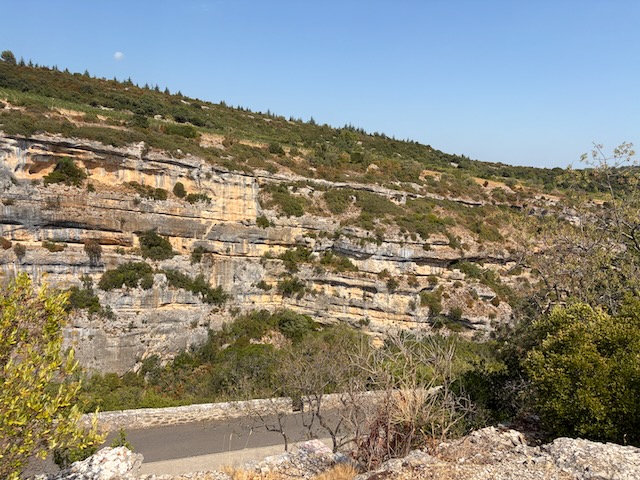
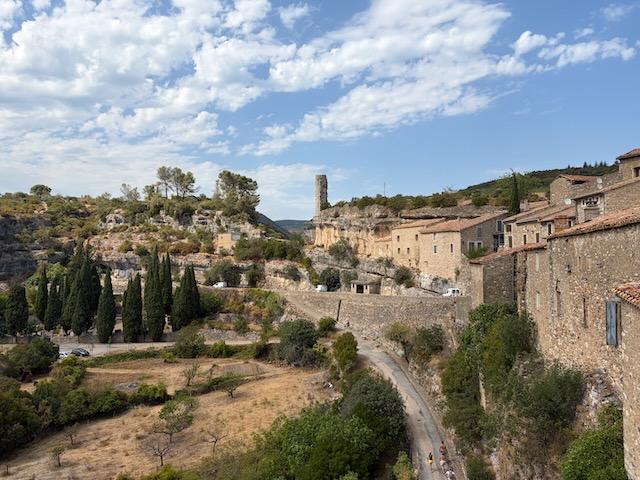
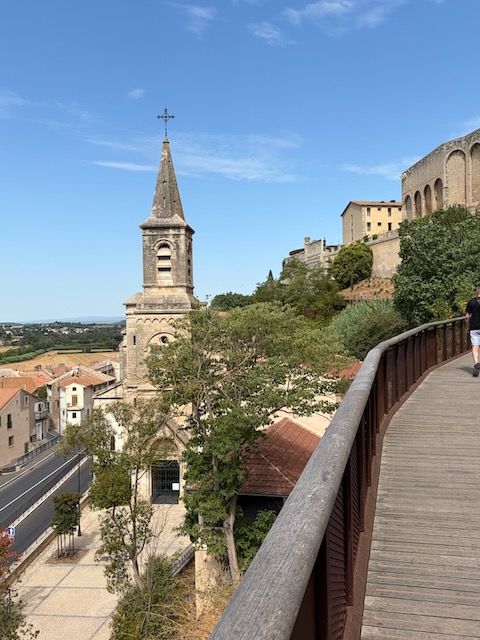
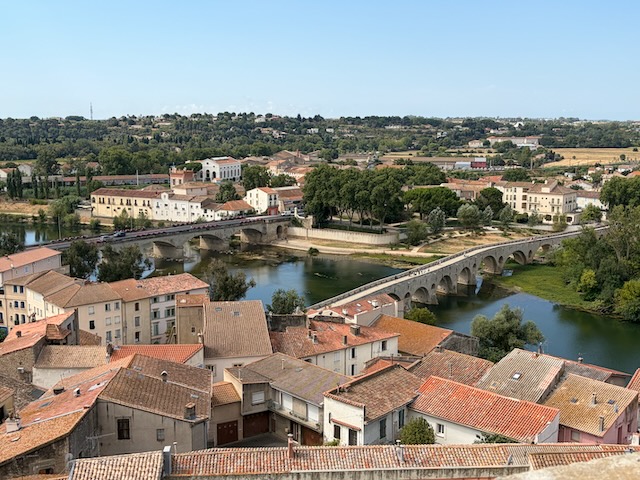
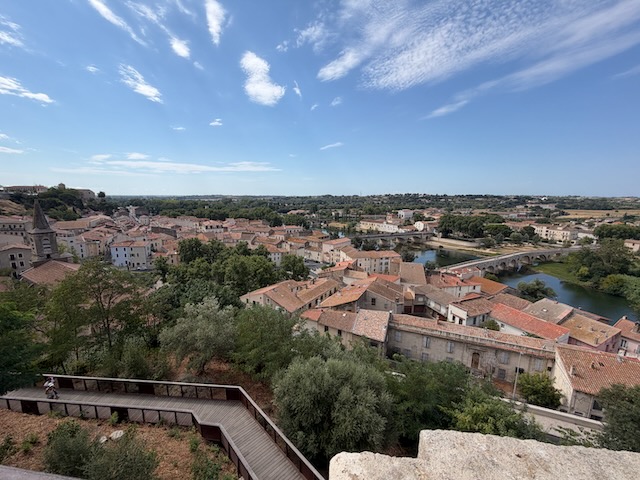
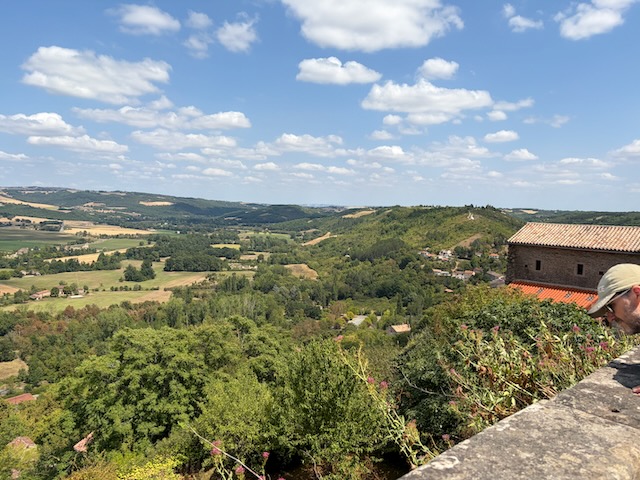
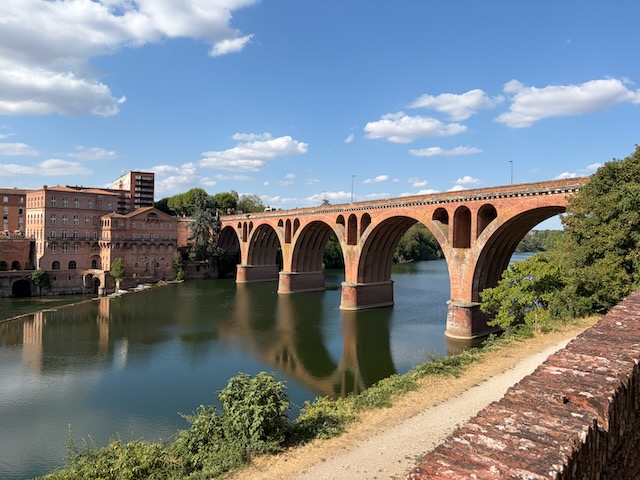
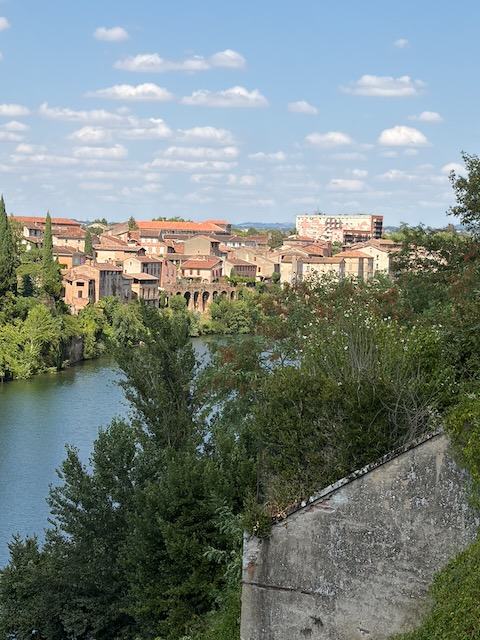
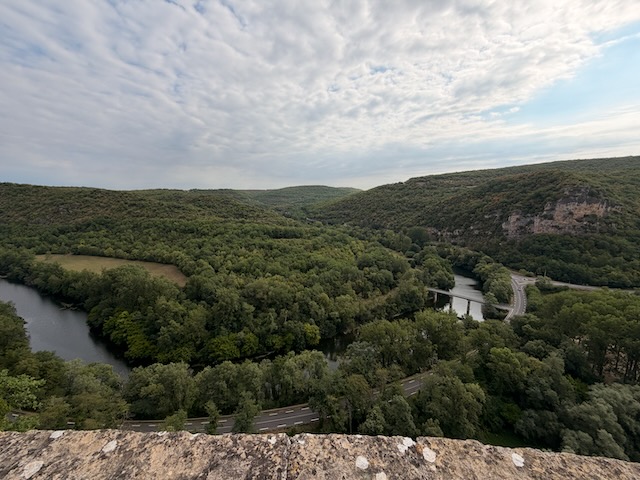
Minerve is so small that only its residents are allowed to drive into town. The main bridge leading into the village is closed to all passenger vehicles not owned by residents, so visitors get to walk a steep path into town, albeit one that oversees a striking vista with cliffs that display some interesting geologic strati. These pictures really don’t do it justice, which is probably a good thing, because if we ever get to a time when our media really can make us feel like we’re really there, then no one will want to travel at all. Which might sound good to some of the beleaguered residents of the world’s most popular tourist destinations, but it’s also a great way to return to the days of worldwide ignorance or hostility toward different cultures, which is already enough of a problem as it is.

The village is historically interesting too, especially in relation to my last entry where I talked about the massacre at Béziers in 1209. Because of that attack, a group of Cathars sought refuge in Minerve, which is about 50 kms away. But the Crusaders quickly caught up with them by ignoring all the 50 km speed signs, and then besieged Minerve as well. The Cathars that were hunkered down in Minerve finally had to surrender after the town’s well was destroyed by a catapult. 140 of the Cathars refused to convert, so they were burned at the stake. That sure showed everyone how great Catholicism was by golly!

(I can never understand why religious zealots get so upset that someone else isn’t going to join them in heaven that they kill them with the belief that they’re sending them straight to hell. Just stop and think about that. On so many levels, it’s perhaps the stupidest –and dare I say one of most evil– things humans have ever done.)
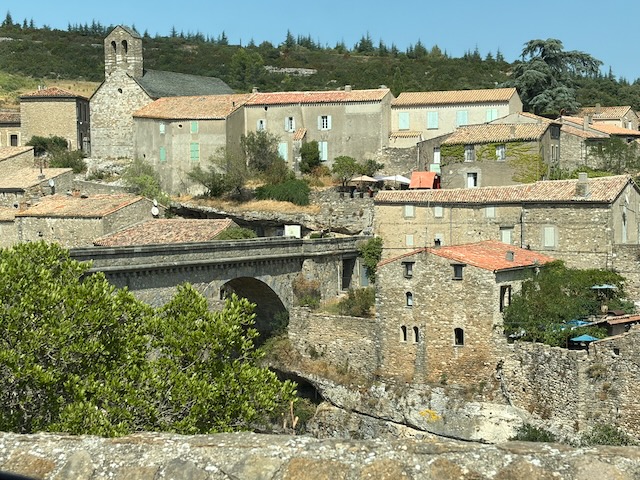
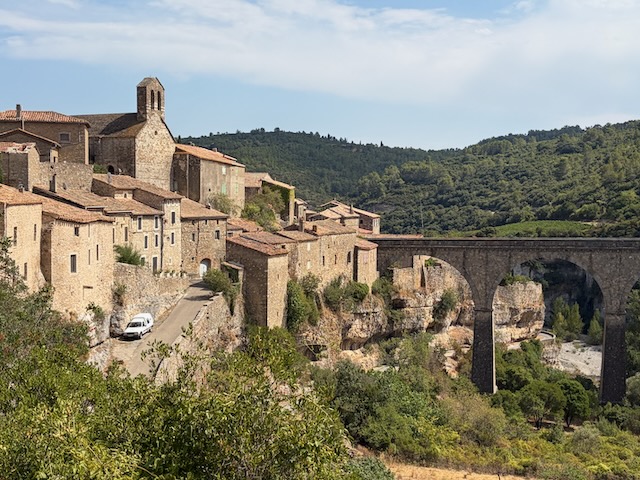
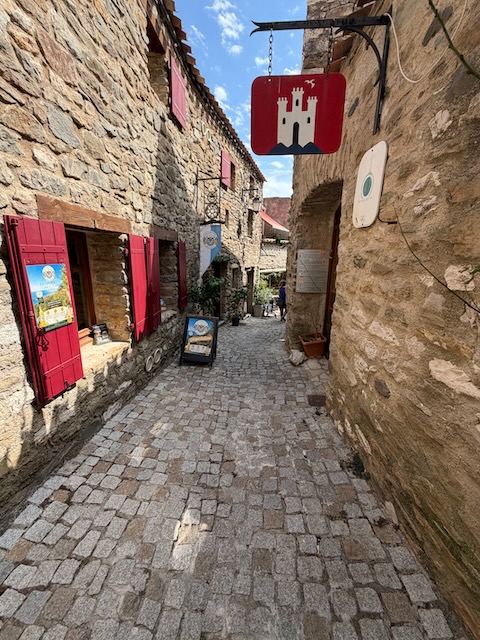
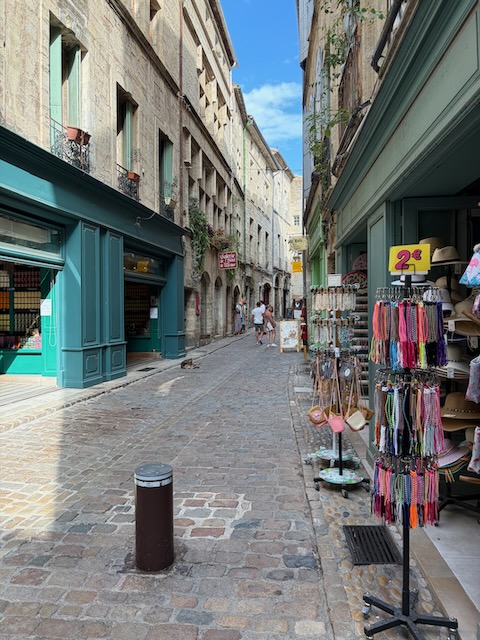
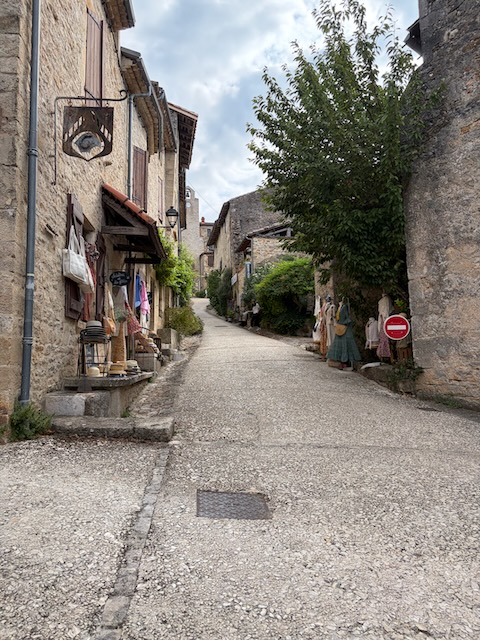
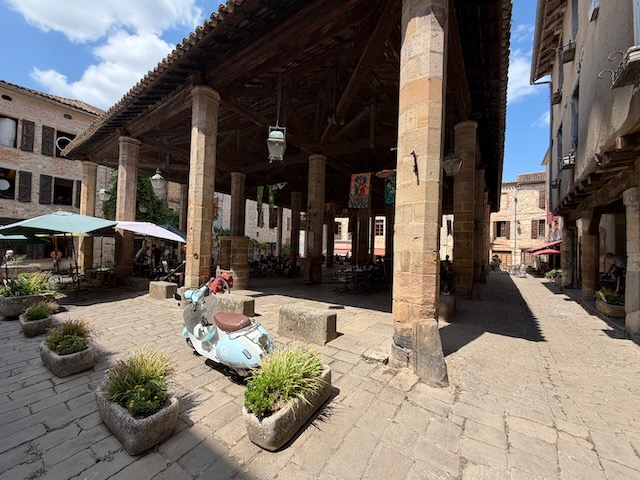
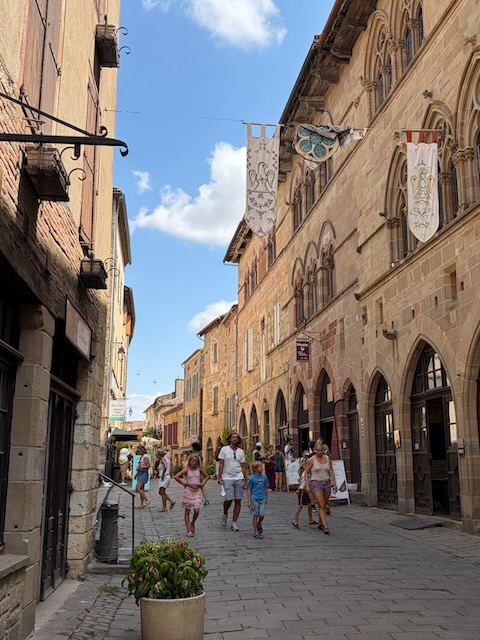
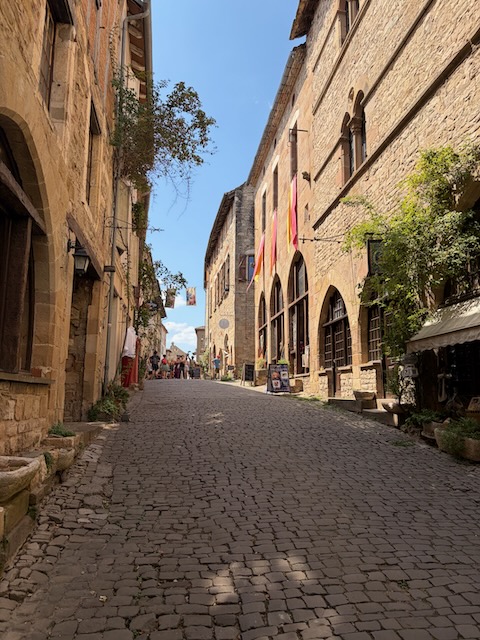
Like Beziers, Minerve is one of “The Most Beautiful Villages Of France.” I’ll agree with that assessment. It was a nice little stopover and a cute little town, even if it didn’t have a castle. There weren’t many shops, and it didn’t require much time to conquer (I didn’t have any Cathars I had to kill so that saved me some time), but it’s really the type of quaint little village I enjoy seeing despite the fact that they had absolutely no refrigerator magnets for sale.

Montségur

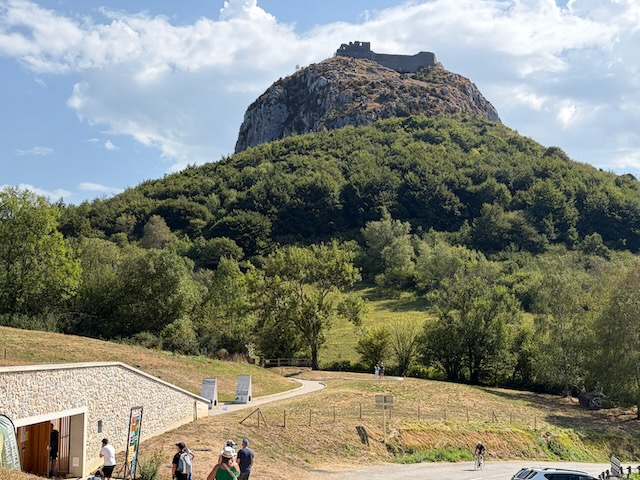
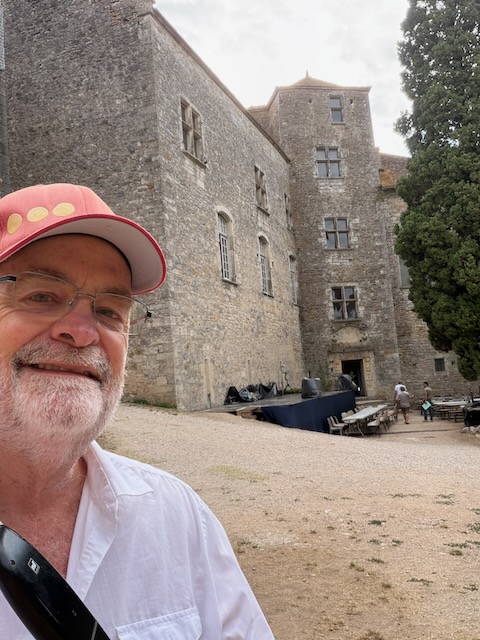
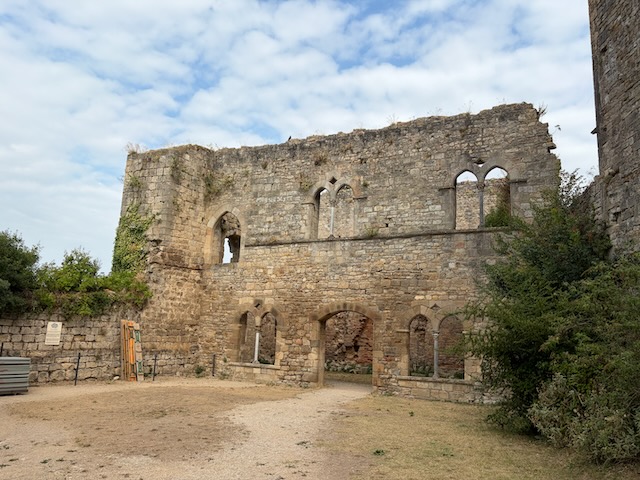
An even shorter stop was a place called Montségur, a tiny little town not worth visiting in the least, but rising high above it is a fortification called the Château de Montségur.
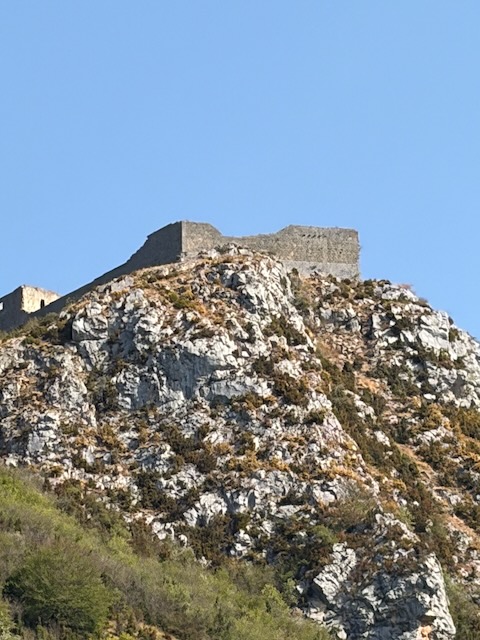
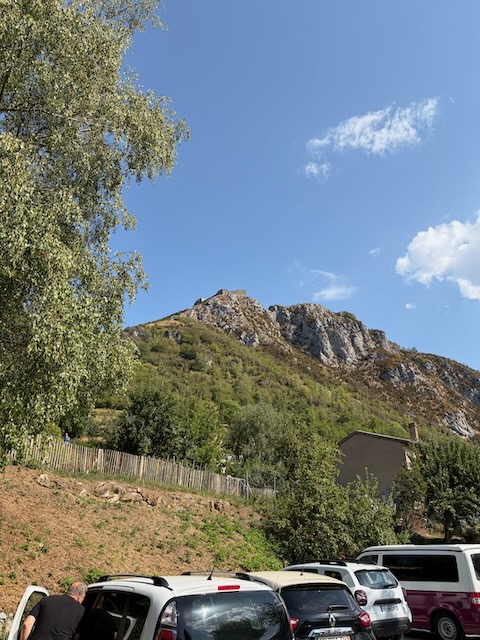
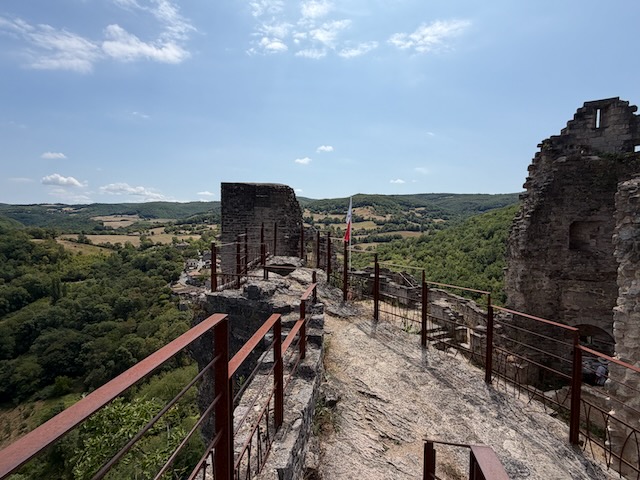
You can climb to the ruins but only after buying a pass, and there was a surprising amount of people waiting in line to get one. But after looking at the height– it’s 170 meters (557 ft.) above the road at 1,200 meters (3,900 ft.) altitude– I decided not to make the stairy trek. The ruins themselves, while built on even more ancient ruins, aren’t all that old and didn’t look quite interesting enough to task my one tired leg, which was weary from holding down the gas pedal.

Montségur does feature an old legend that it was the location of the Holy Grail at one point, but I’m sure the grail flew the coop long ago, and in fact was later lost anyway, just out of the grasp of Indiana Jones.

The ticket office for the path up to the top didn’t have much of a gift shop, and so my refrigerator magnet quest remained unresolved.

Narbonne

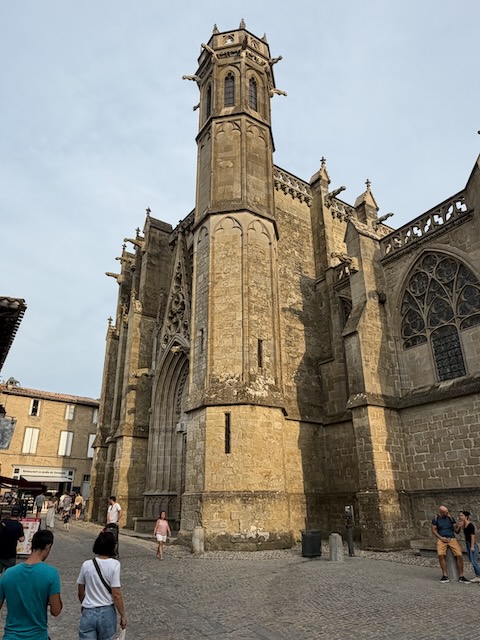
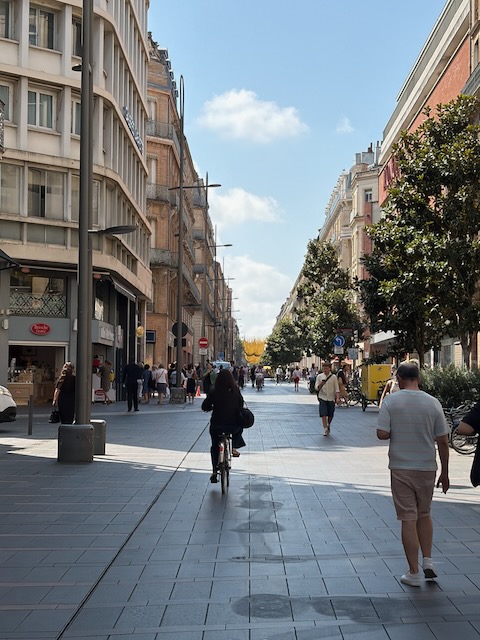
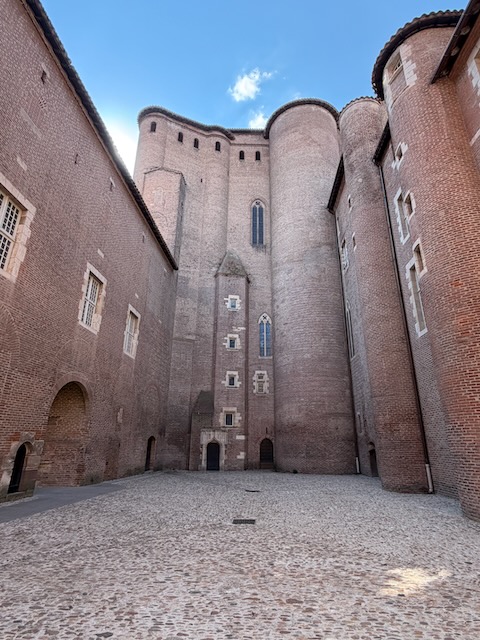
Narbonne is a city of about 60,000 residents and features a palace and some cathedrals, but no castle, so I stomped the Narbonne dust off my shoes as quickly as possible in disgust, or would that be disdust? The closest it has to a castle is The Archbishops’ Palace, seen in the photo below.
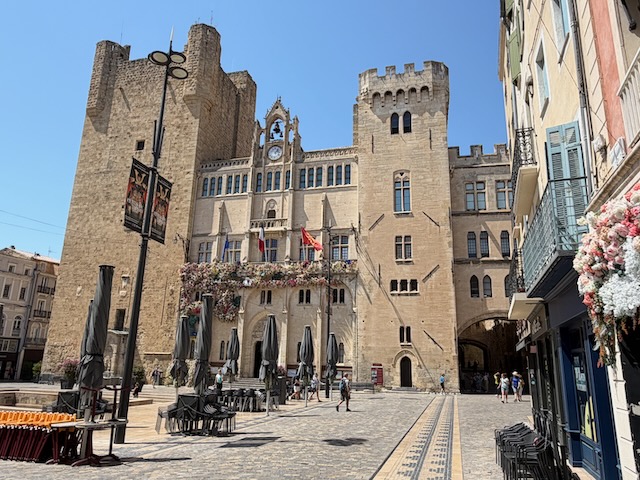
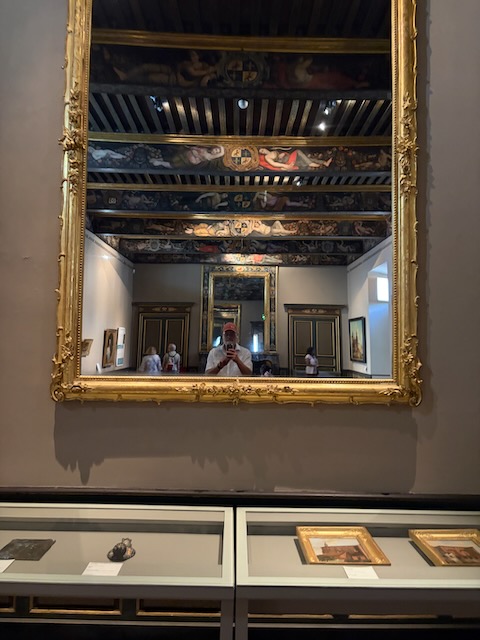
Today, the palace complex houses the town hall in an area with multiple museums that I didn’t bother to go into because I figured they’d just be full of old stuff and I was still annoyed at the lack of castle.
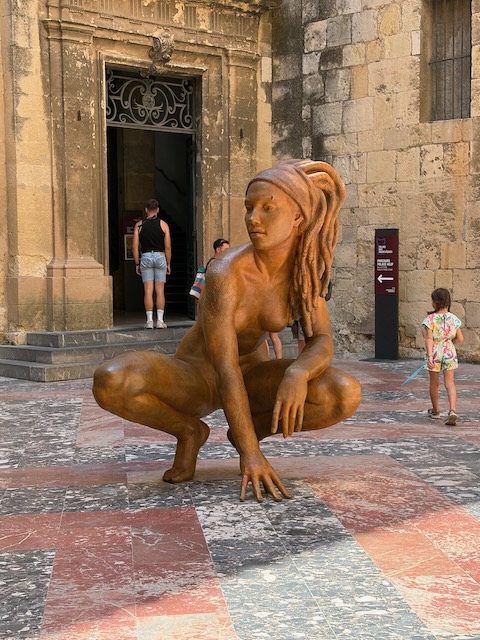
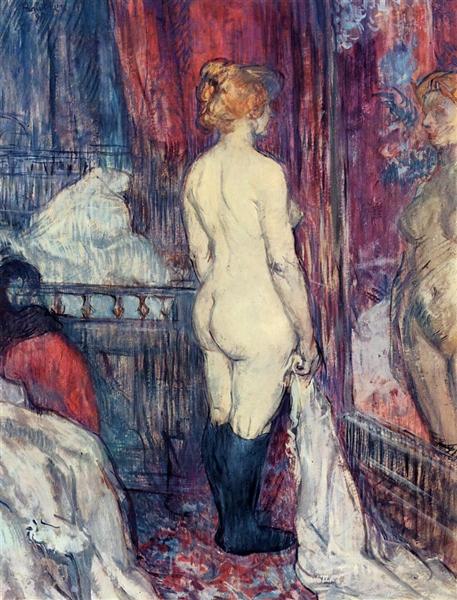
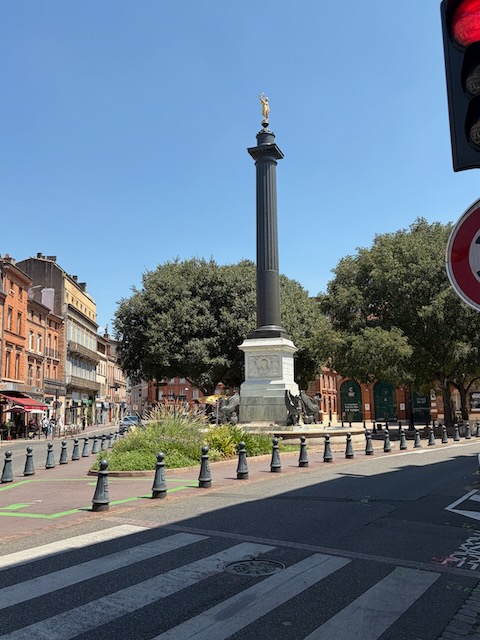
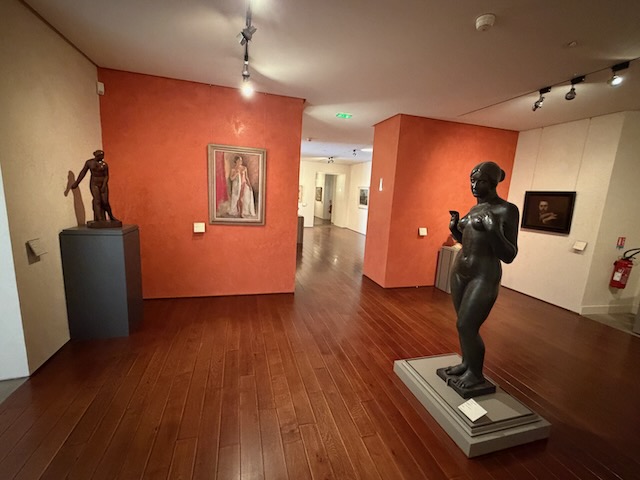
I learned you can tell right where the absolute center of town is by finding this statue of a naked woman taking a dump. Fortunately, they created her without including the, ah, dumpage, so I guess she was just starting. Come to think of it, the color of it makes me wonder if they carved it out of petrified poop. The French are so weird.
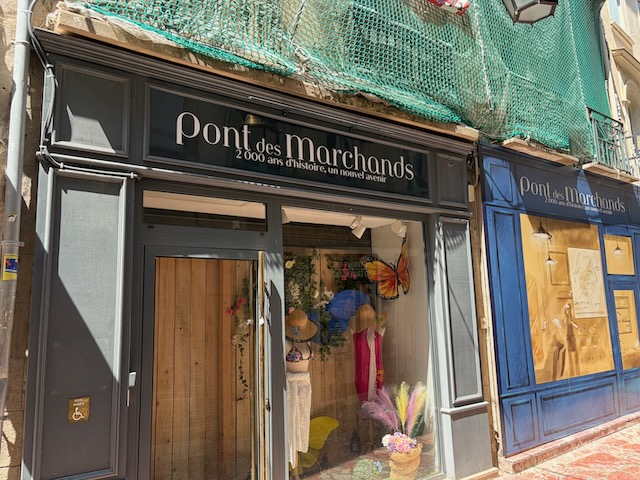
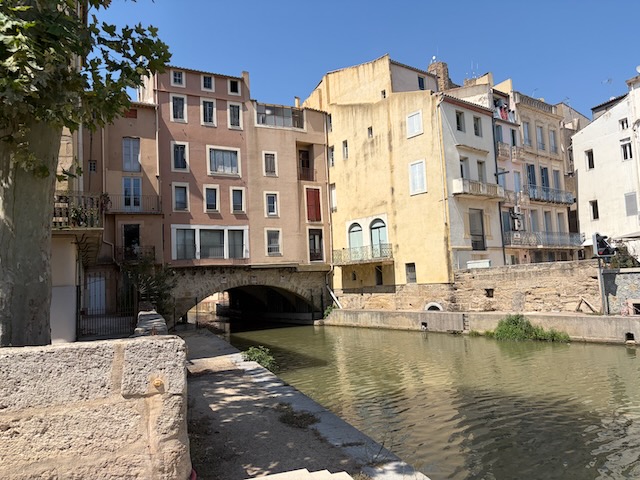
Some additional weirdness I experienced in Narbonne included being told there was a fascinating bridge in town named Pont des Marchands, trumpeted as an amazing sight to see, with houses built on it and everything. So I entered “Pont des Marchands” into Google Maps, and it led me to a clothing store named “Pont des Marchands.” I guess tha’s one way to cultivate business: name your store after a tourist attraction. To be fair, it was more or less on or near the bridge because after I looked around a bit, I was able to see the actual bridge with the amazing sight of a building on it. Woo hoo. This ranked right up there with the Roman Amphitheater I saw in Béziers. There were times on this trip where I thought, y’know, it’s not such a bad thing to be a tourist in Paris or Rome, at least most of their attractions are worth seeing.
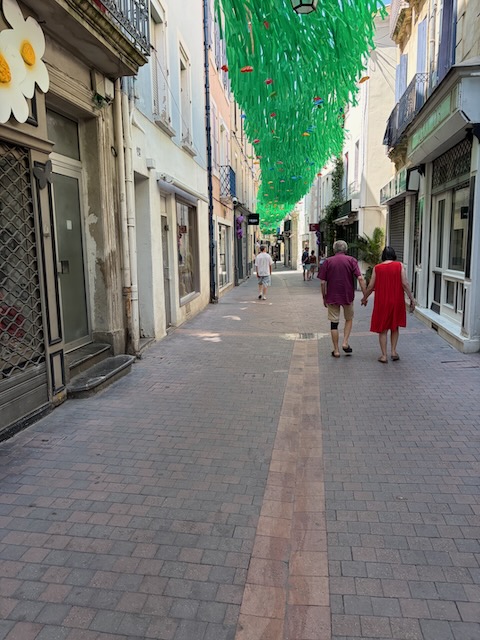
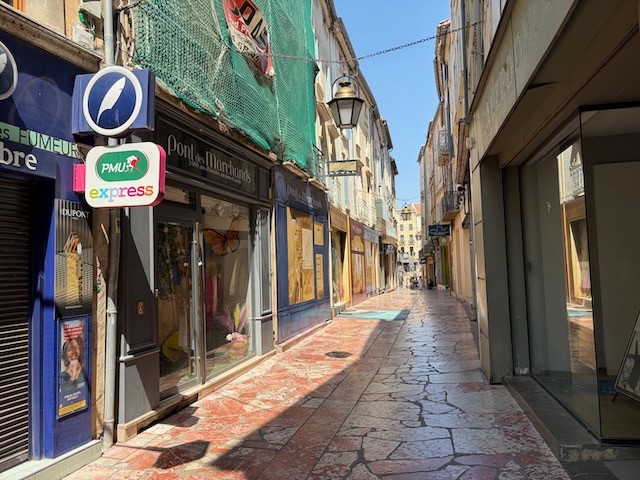
Truthfully, Narbonne really is another beautiful French town the likes of which simply don’t exist in the US. While in Europe, I often feel like I’m in the Wizard of Oz in all its amazing technicolor, whereas being in the states reminds me of the first and last parts of the film which were in black and white. It’s not really America’s fault, in that so much of it in Europe was built hundreds of years before the US was even a gleam in its founding fathers’ eyes, but it’s also why most of Europe is very much worth visiting, even, and maybe especially, many small towns and cities.
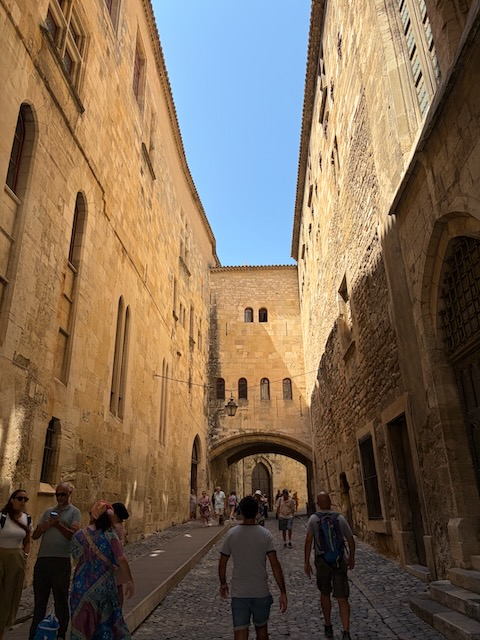
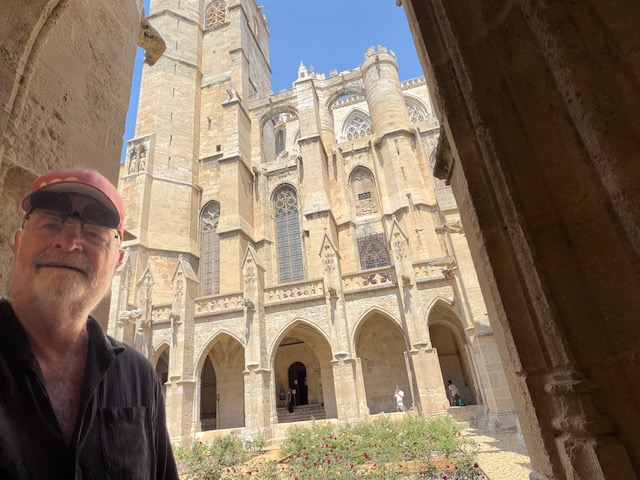
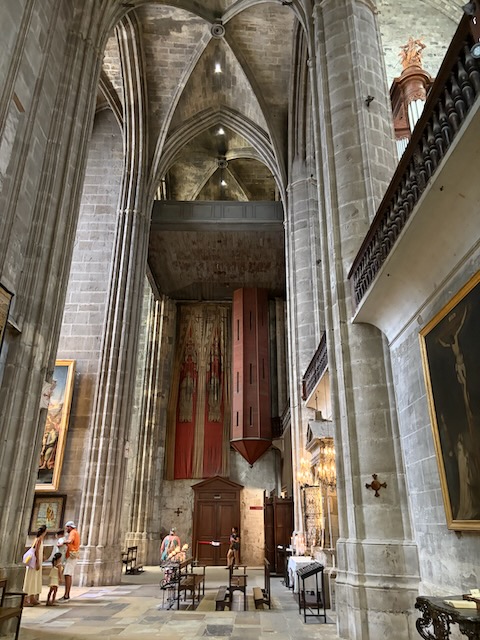
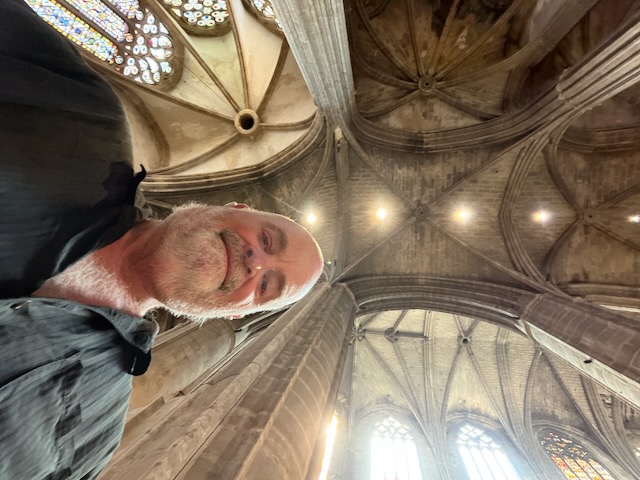
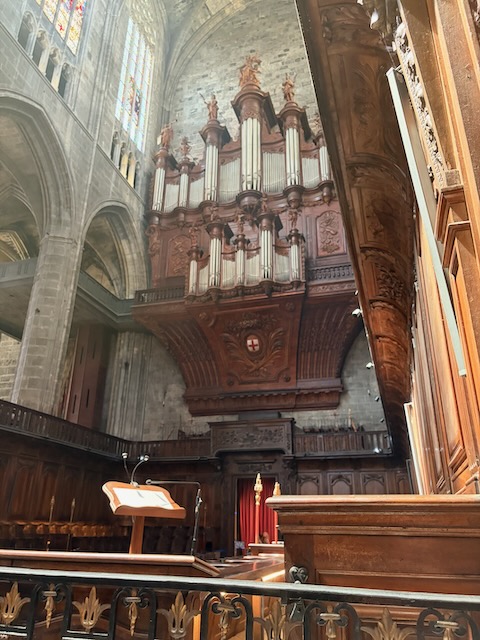
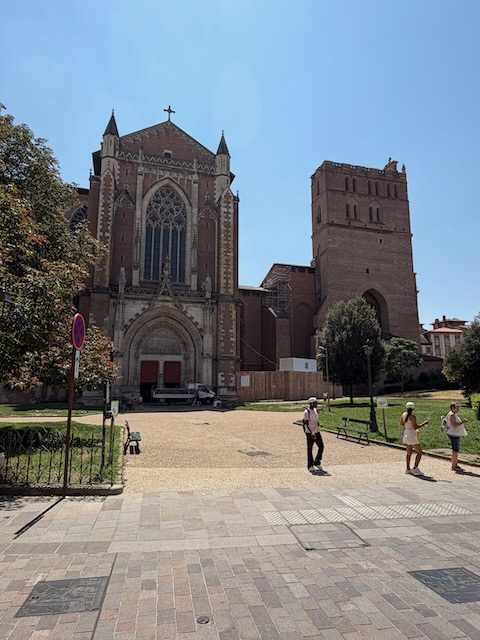
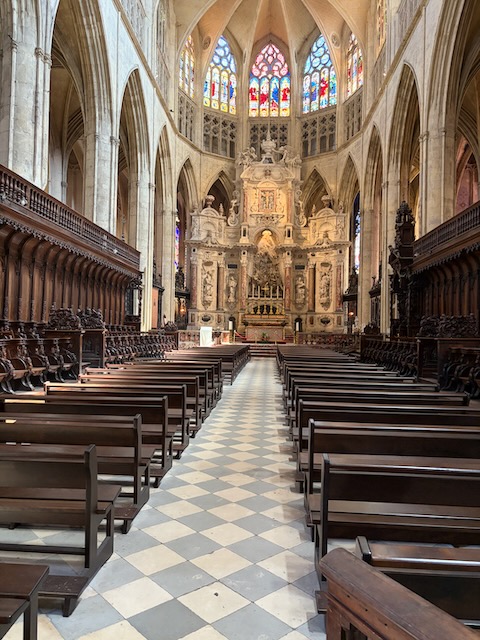
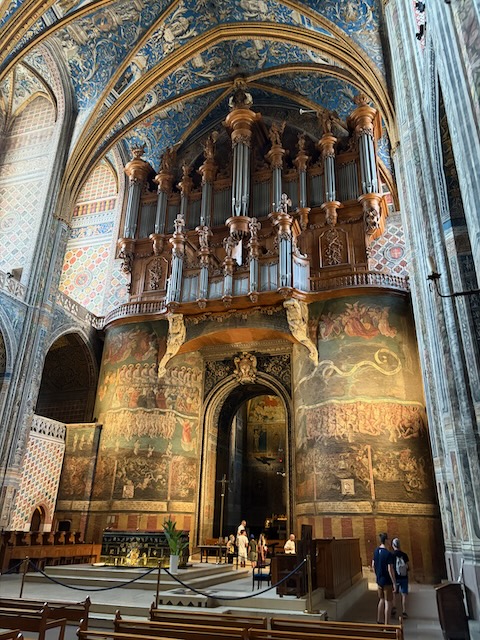
The only downside to European sightseeing is that you’re almost required to poke your head inside many a cathedral, because often four out of the top five “sights to see” are cathedrals, and God gets a little annoyed if you bypass all his houses just to see a bridge with a building on it, or the last remaining 5% of an ancient Roman Amphitheater, especially because he really likes to show off his big organs. Also, he hates refrigerator magnets (it’s true! I read it in 1 Enoch 110 3-6), so I avoid shopping for them near cathedrals just to keep his ire at me to a minimum. I’m already in enough trouble as it is.

Penne

Penne returned me to the small village theme, which I enjoy immensely because that meant I could check off one entire place after only walking around for half an hour. However, I was surprised to discover there was no bank in town, which meant Penne had no Teller.
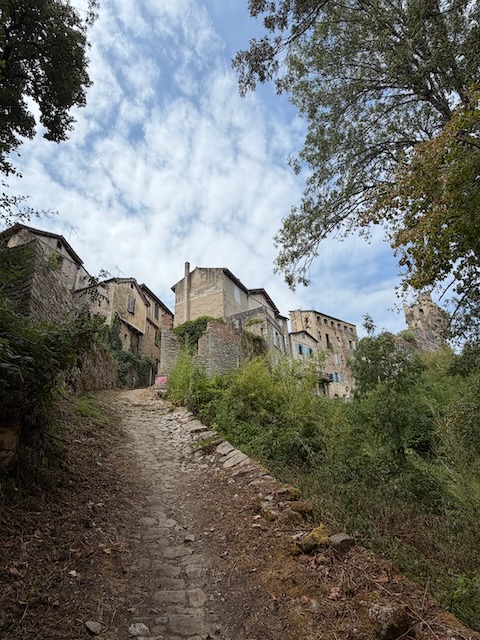
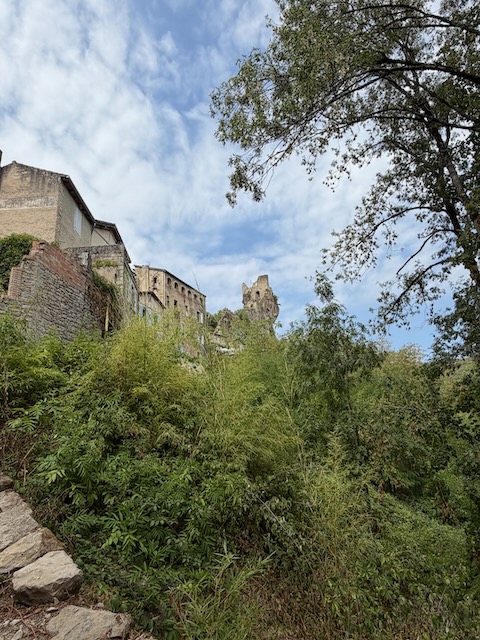
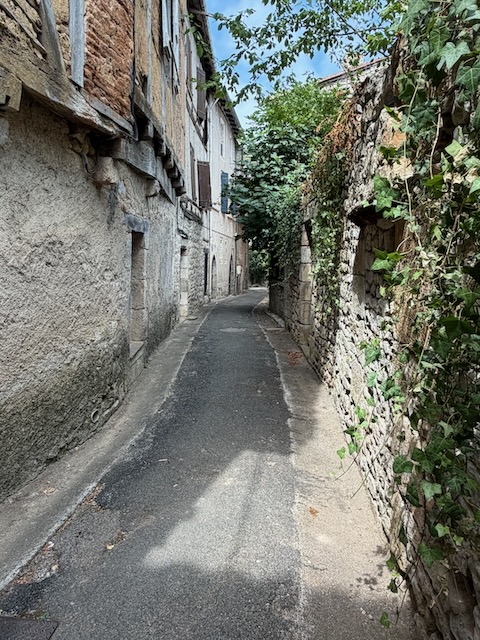
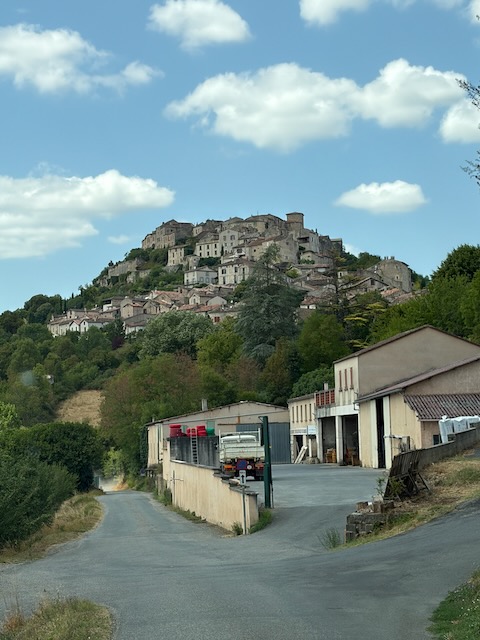
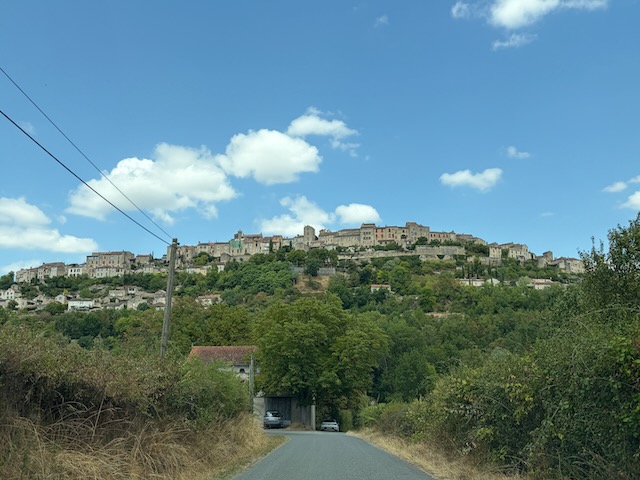
Penne was actually a little difficult to get to, in that the only road that led up to it had a big Do Not Enter sign (at least I think that’s what it said) so that, like Minerve, only residents (all 602 of them) are allowed to drive in. I had to park near the highway and make a rather steep climb up a path, but as soon as I reached the top I could already see the trek was going to be worth it.
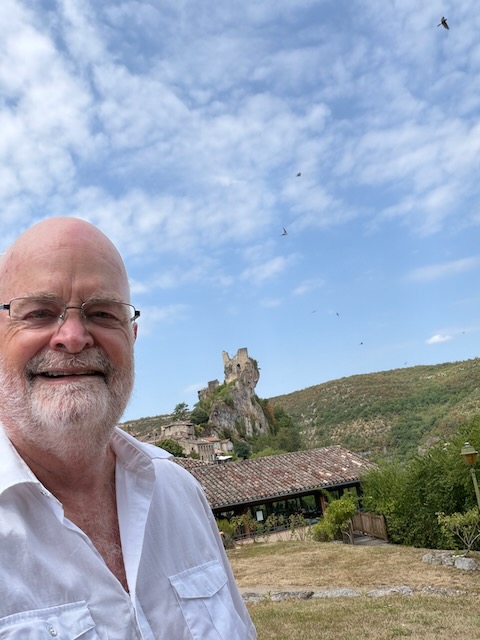
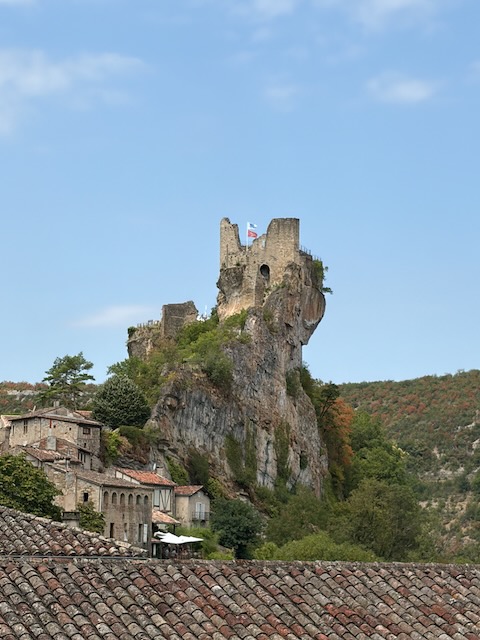
The Palace of Penne is one of the most unusual looking castles I’ve ever seen, rising above the town like like half its base had been torn away in an earthquake or by a very hungry rock monster.
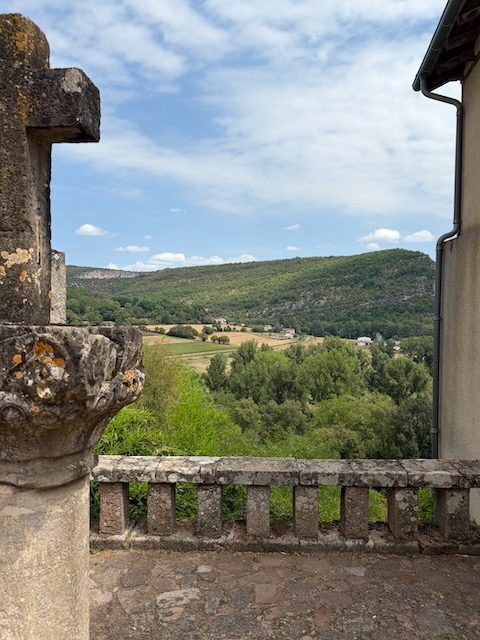
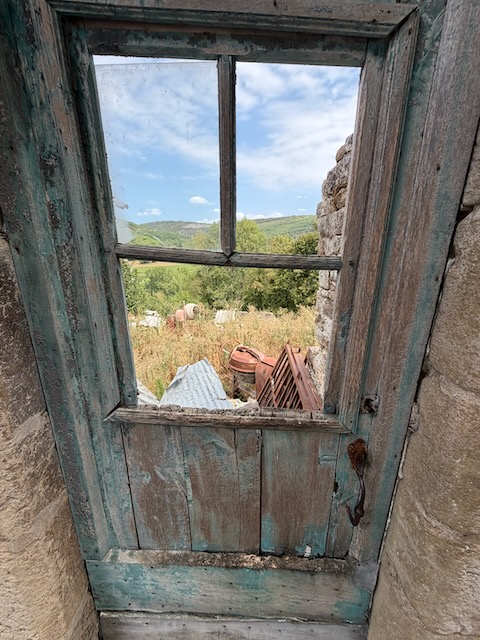
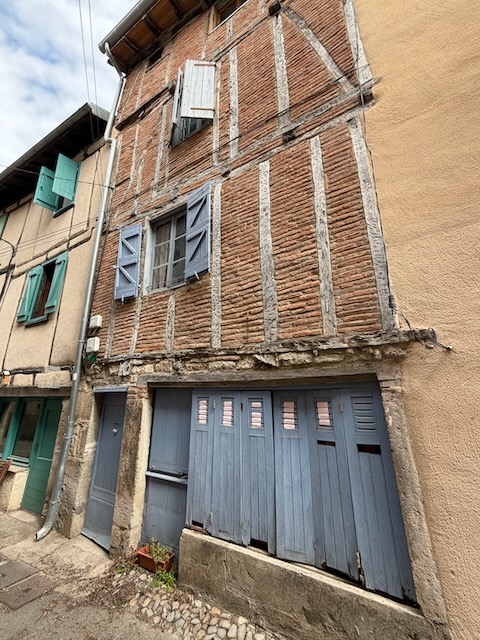
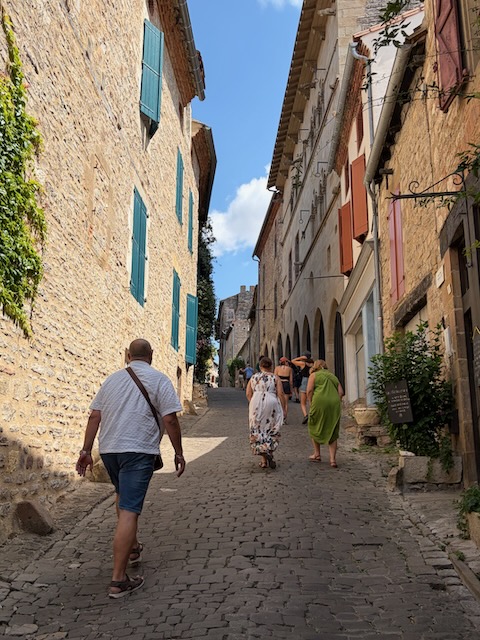
There is a tiny town below it, but some of the housing leaves a bit to be desired. The plus side of living behind the door in the middle picture is that you never have to worry about paying for air conditioning.
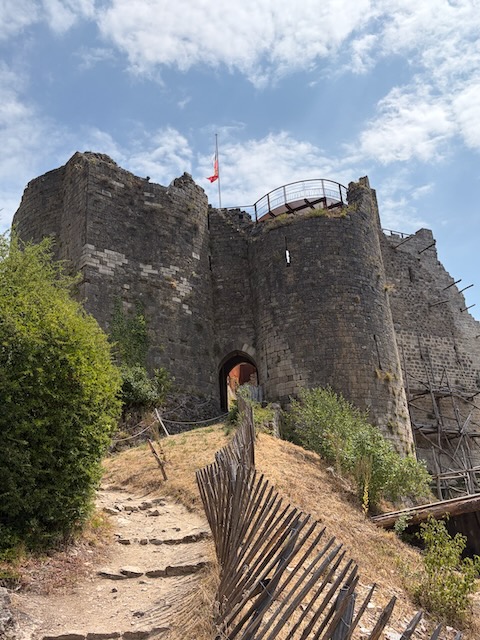
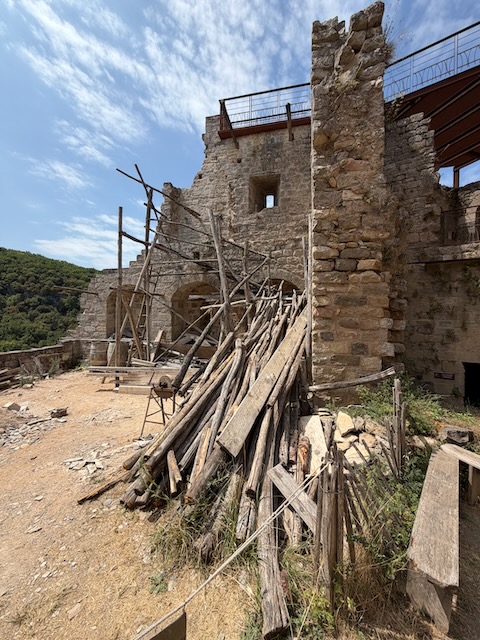
Visiting Penne means having to double down on the steep climbing: first to get to the town and then to walk all the way up to and into the castle. The castle refurbishments were obviously a work in progress; it was a combination of ready-for-tourism and well-we’re-not-quite-done-yet-but-enjoy-it-anyway.
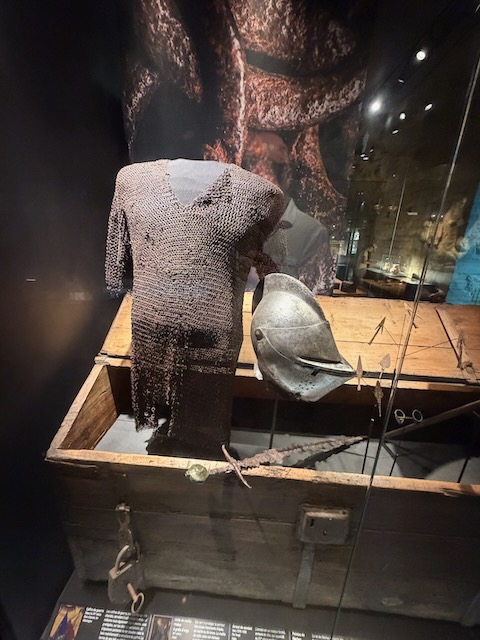
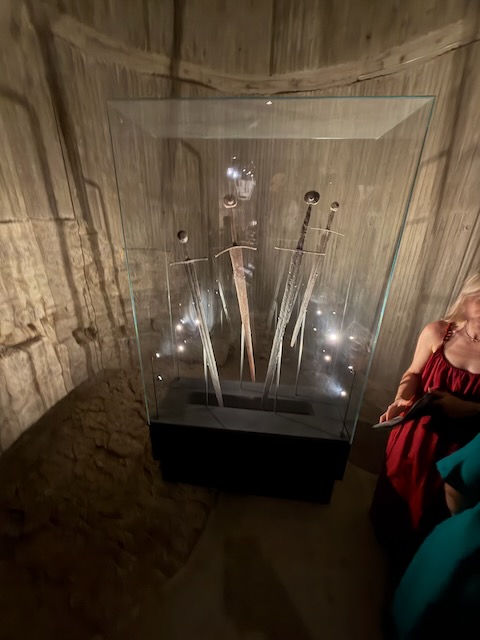
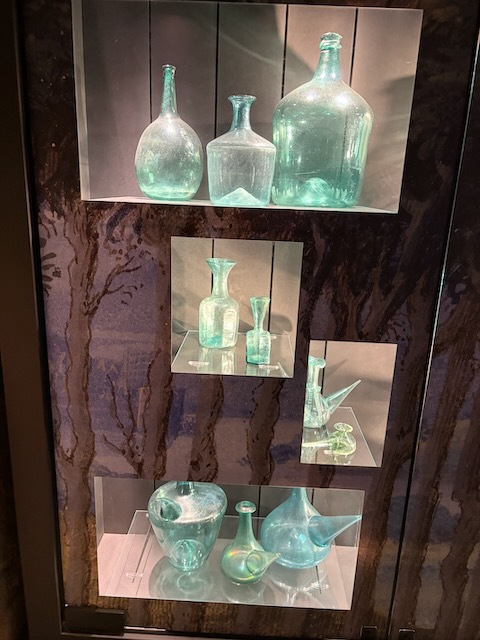
Within the walls they had a small museum. You can’t tell from the photos, but it was so dark I had to inch my way toward the door, hoping I wasn’t walking over a stairwell or an overlooked severed Cathar head.
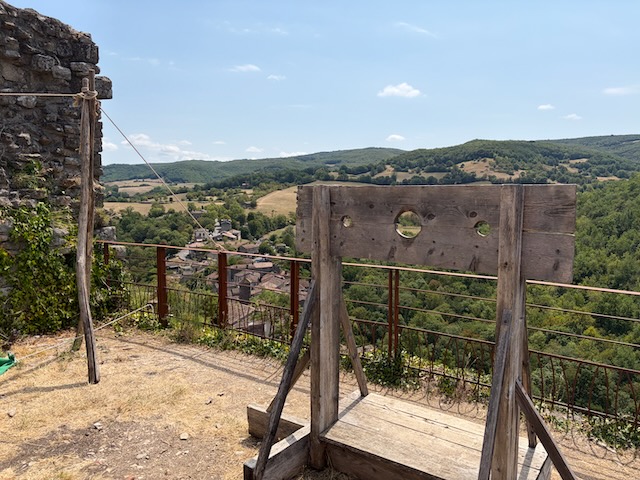
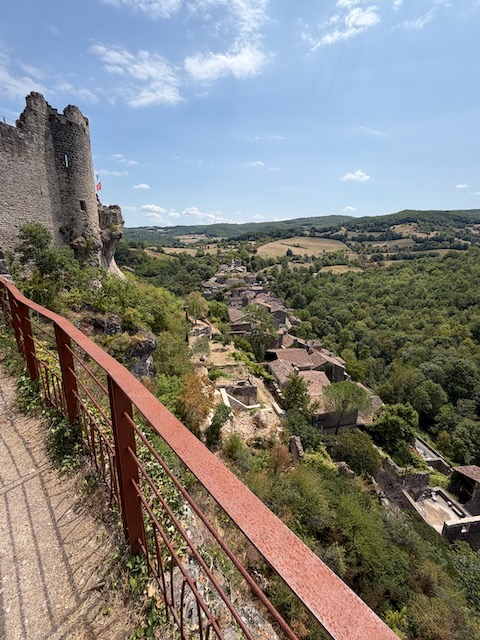
The castle didn’t seem as thin or small at the top as the view from below made it look. Overall it’s kind of in poor shape, but in a way that adds to the charm, because it’s a ruin, and left to be a ruin for the most part. It’s just my opinion, but I think castles are more interesting when they’re allowed to be a ruin instead of being turned into a ruout. They’re ancient, so let them live in the pasta, like Penne.
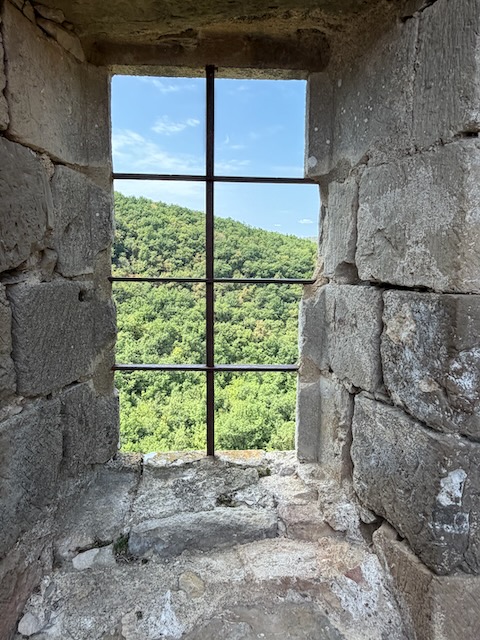
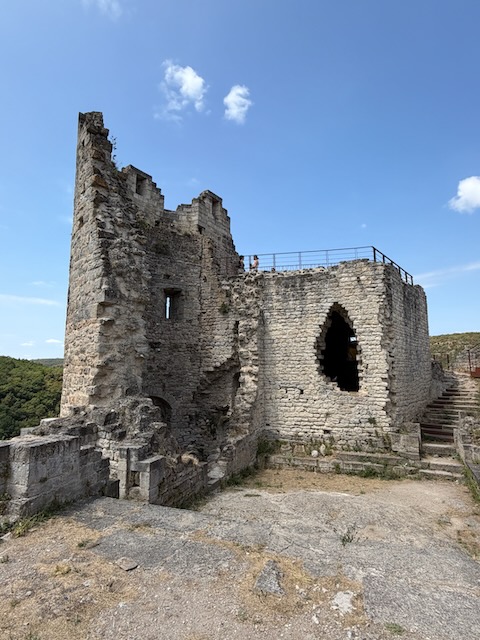
I really enjoyed the castle because the ruins were so genuine and the castle itself so quirky. I think you might have to be half crazy or an artist to want to live in the actual town, what there is of it. I didn’t see any shops, so once again my refrigerator magnet quest was thwarted.

Pézenas

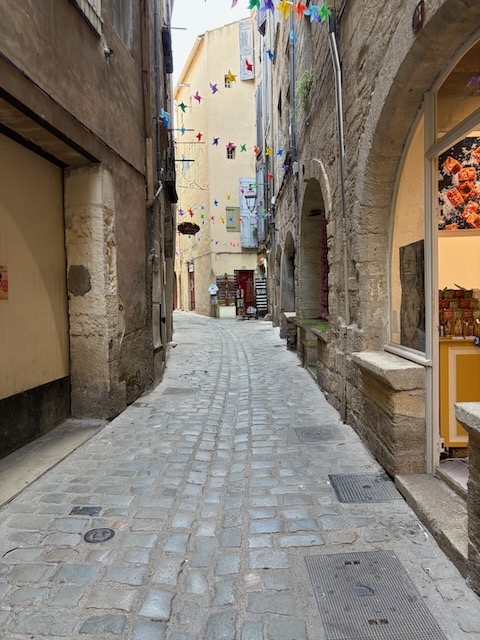
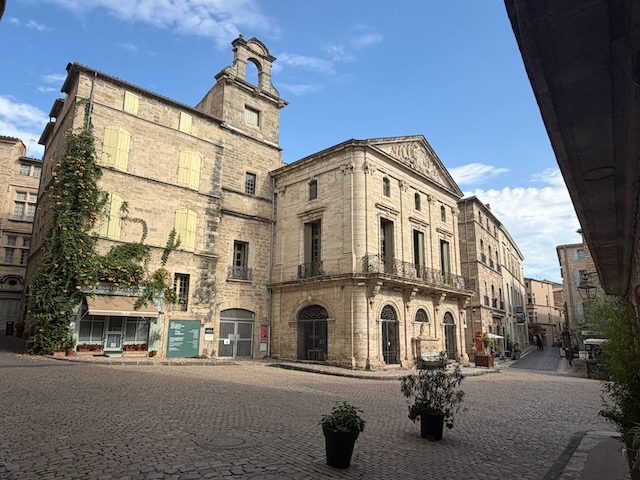
Pézenas is a town of about 8,000 people and to be honest I have no idea why I was directed there for any reason.
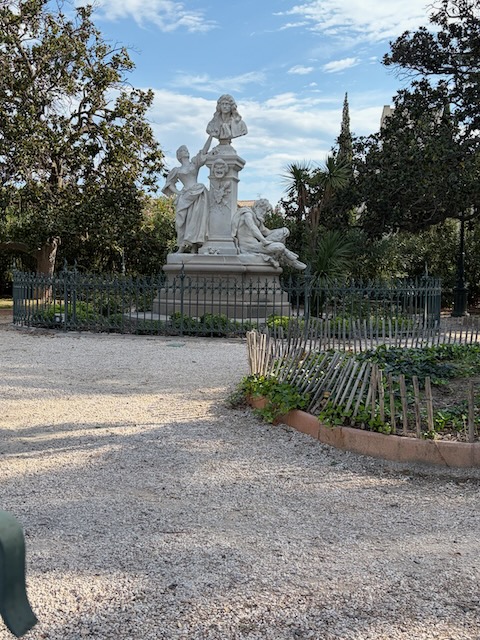
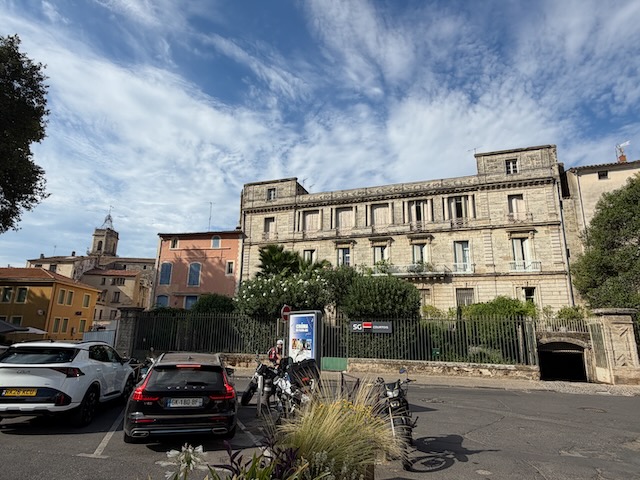
I took a total of five pictures, and truth be told, I don’t even remember stopping there. It looks like a quaint little town from my pictures, but maybe I just stopped someplace for lunch, I don’t know.

Just to prove it’s not just me, when I did a little research on the town I found out even its origins are unclear. It just popped up and no one knows why. I did find out that the name Pézenas” is derived from the older name Piscenae, most likely from the Latin word piscenis, which is probably why everyone avoided it because the residents were obviously just a bunch of dicks, or Richards, as they would say in French. I did desperately want a piscenis refrigerator magnet but alas, I got shafted.

Pyrenees Mountains

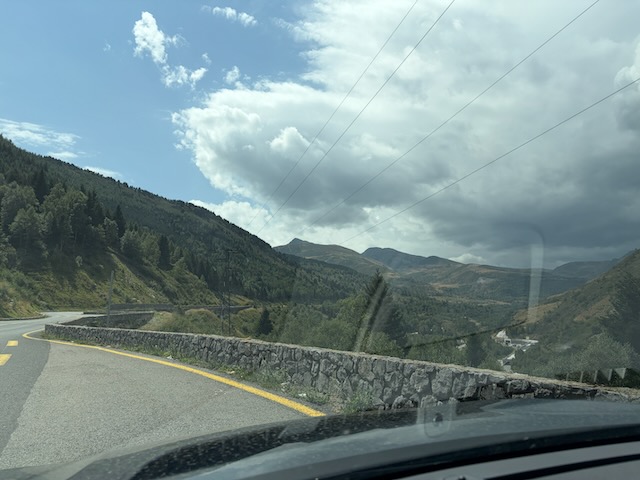
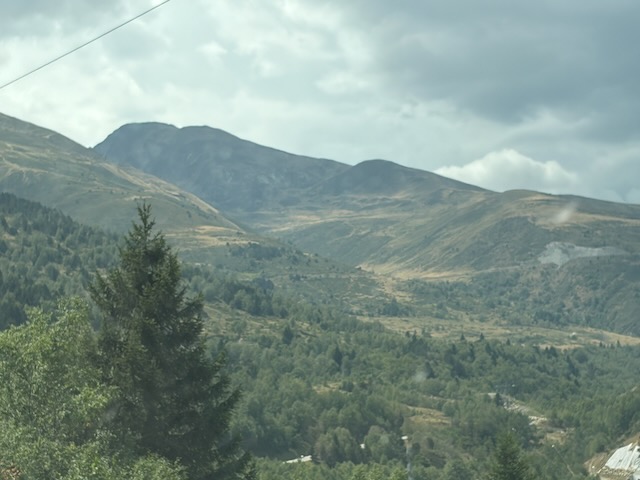
While the Pyrenees Mountains are obviously not a town, they still qualify for inclusion alphabetically because it’s my blog and I’ll do what I want.
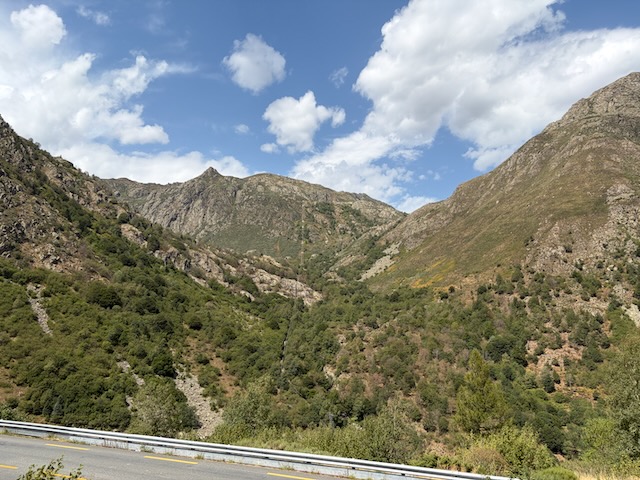
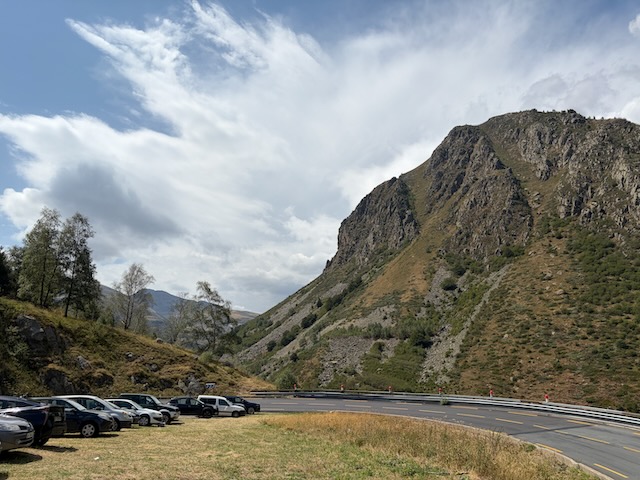
For reasons unknown, I enjoy seeing even semi-famous places for the first time because it feels like I’m checking something off my bucket list, even if it wasn’t even on my bucket list in the first place. Actually, I don’t even have a bucket list. I do own a couple of buckets, though.

Maybe I like doing it because of those stupid posts you see on Facebook from time to time. The ones where they list a bunch of places or activities and you’re supposed to count up how many of them you’ve seen or done and post your total just to make everyone else jealous. So now, if I come across a list that includes the Pyrenees, woo hoo! One more check!

The major mountain ranges in Europe include the Alps, the Carpathian Mountains, the Caucasus Mountains, the Scandinavian Mountains, the Pyrenees, the Ural Mountains, the Apennines, the Dinaric Alps, the Balkan Mountains, and until recently, Dolly Parton when she visited. I’ve seen or been through or near maybe half of those now that I can add Pyrenees to the list. I’d never even heard of the Apennines until I asked Google what major mountain ranges were in Europe. They run the length of Italy so I suppose I have driven through them.

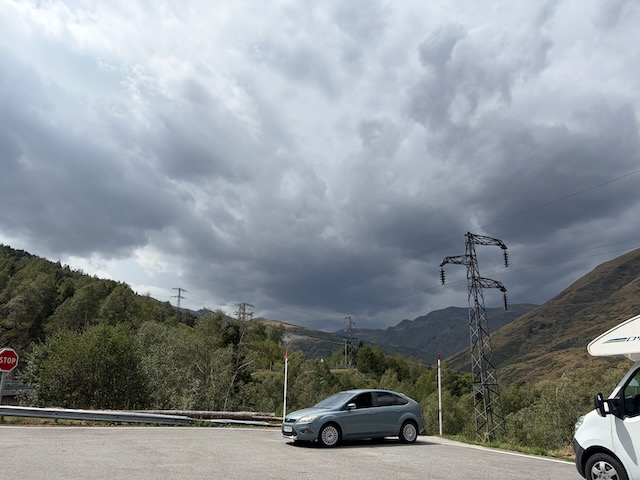
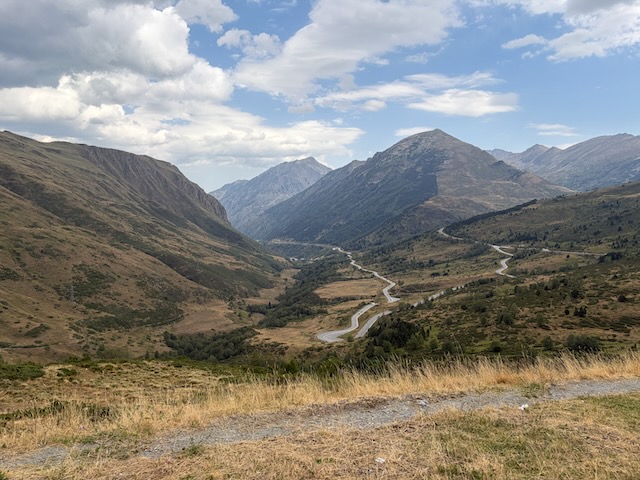
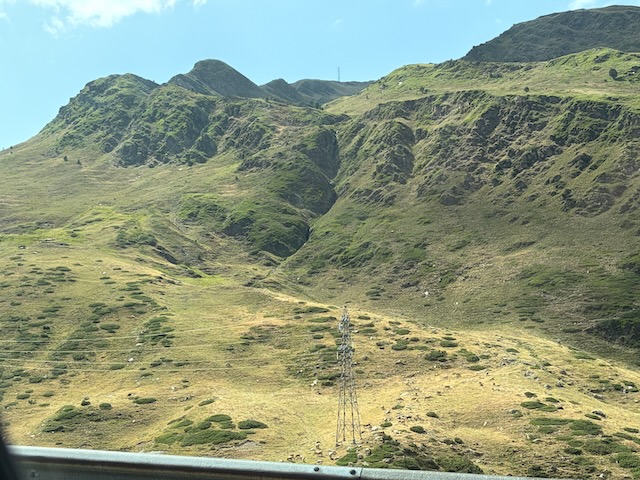
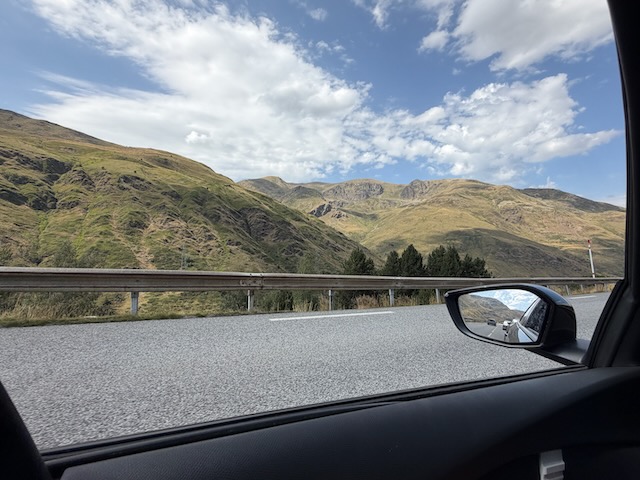
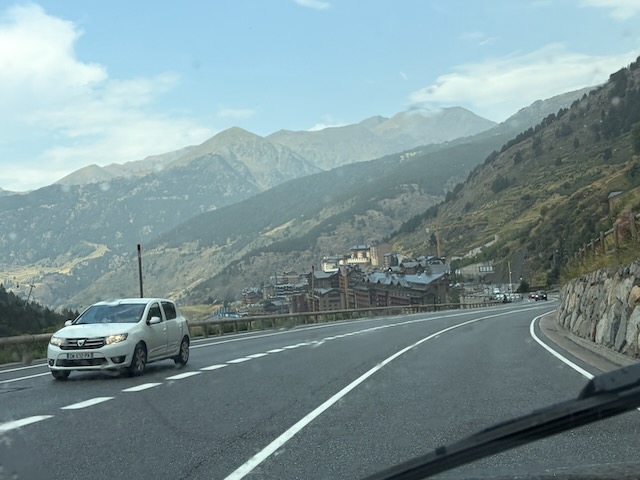
The Pyrenees are about 500 kilometres (310 mi) long, reaching a maximum elevation of 3,404 meters (11,168 ft) in Huesca, Spain. I’m sure there are refrigerator magnets for just the Pyrenees, and I would’ve snapped one up had I seen a Pyrannes Refrigerator Magnet store, but sadly, if there was one, it’s out of business for some reason.

Saint Antonin-Nobel-Val

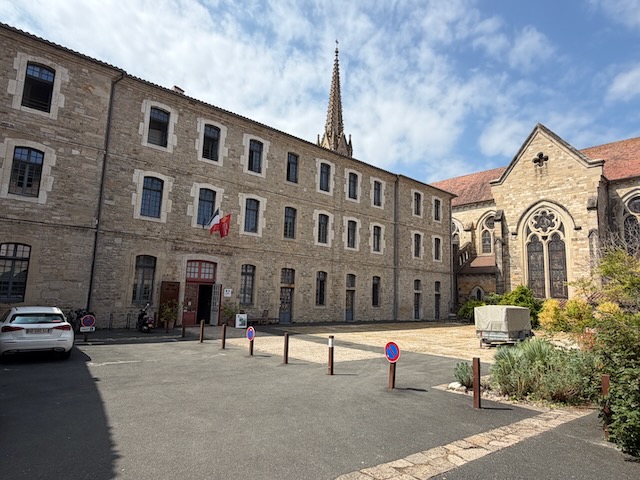
I enjoyed my visit to Saint Antonin-Nobel-Val, it’s a cute little village of only about 2,000 people, but it has a lively (ie bloody) history, having played an influential role in the region, including a bunch more fights with Cathars. The area has been inhabited for over 10,000 years.
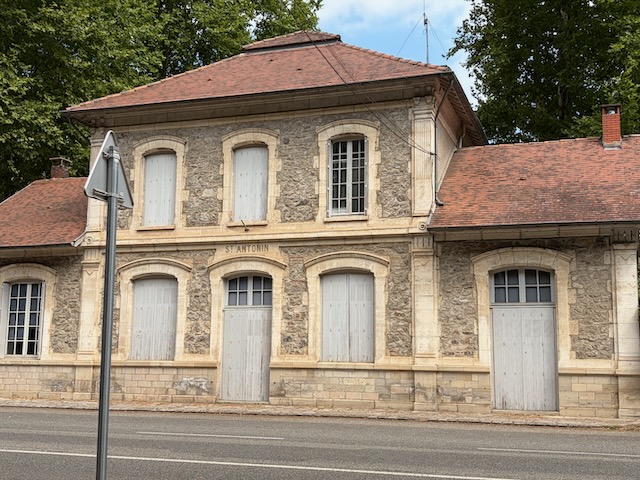
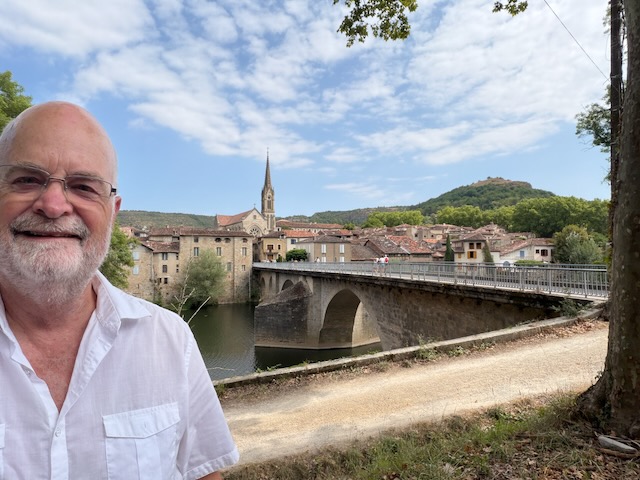
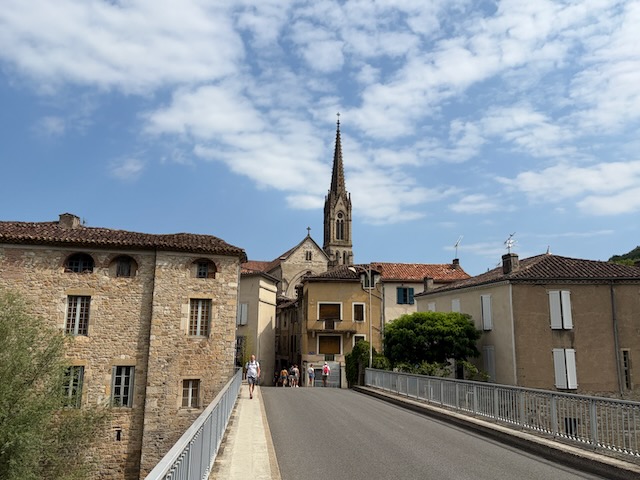
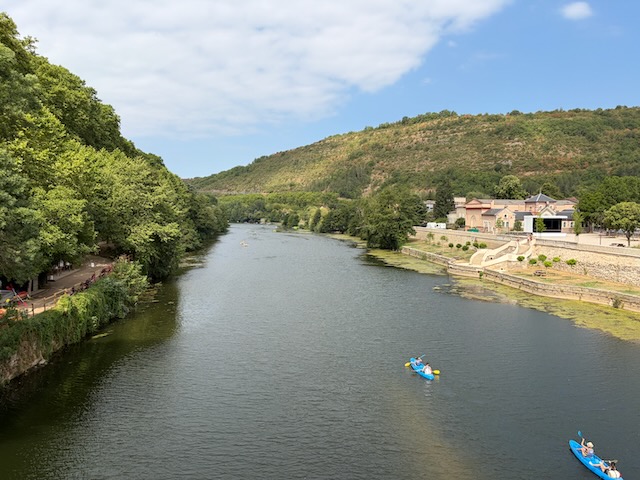
Tourists park across a highway from the town and walk on a short bridge over the Aveyron river, where kayak renting is a popular tourist activity. Drowning by kayak, less so. When you paddle backwards in a kayak do you still spell it “kayak,” or do you have to reverse all the letters so it spells “kayak”?
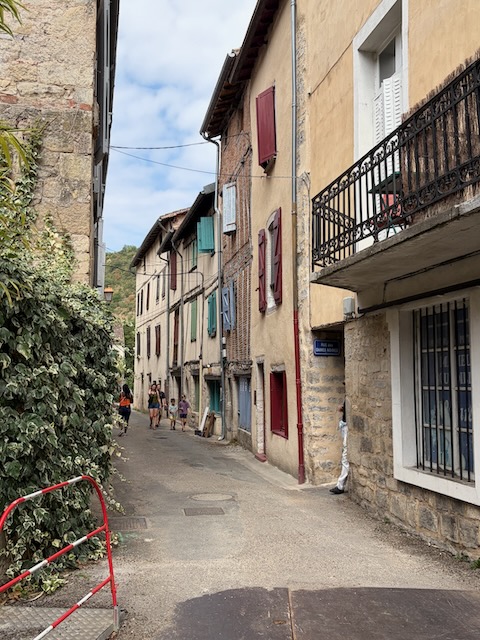
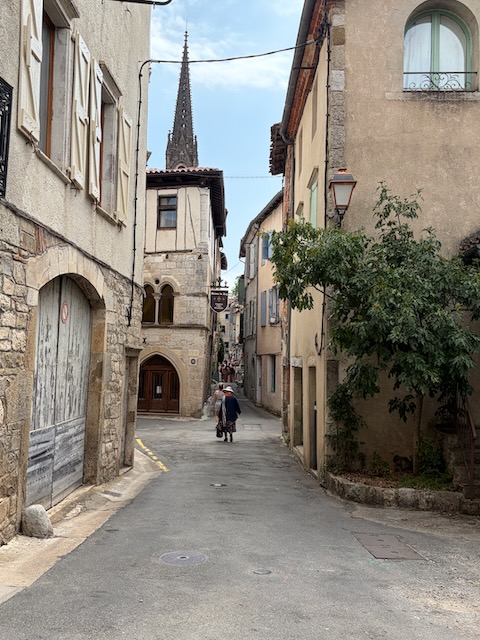
They had a street sign with a sort of guided tour of the area, but without something in my hands (I tried, but the thing was bolted on too tight), I just wandered around, looking at the old buildings. I don’t take a lot of guided tours in general (not that they had any besides the sign) because by the next day I’ve usually forgotten everything they said, so while it’s fine to learn that The Caserne des Anglais (English Barracks) house was a base for English troops from 1352 to 1354 (and I didn’t even make that up), I don’t often find that kind of knowledge to be useful in any way in the future, so my brain quickly discards it in favor of obscure baseball statistics.
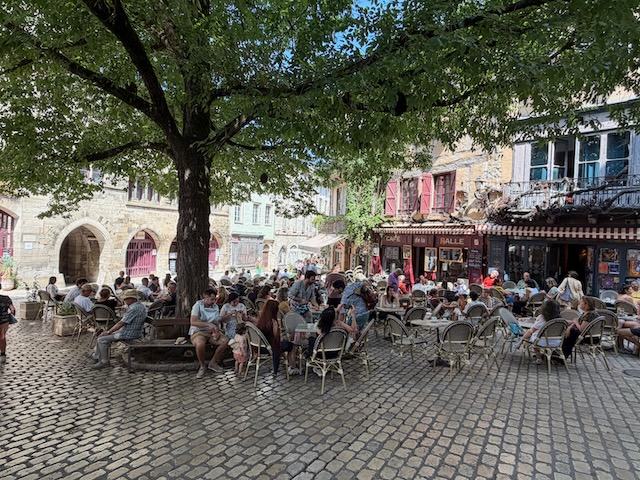
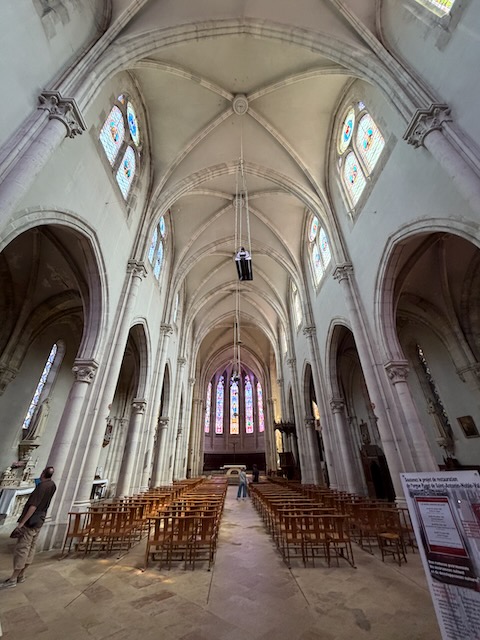
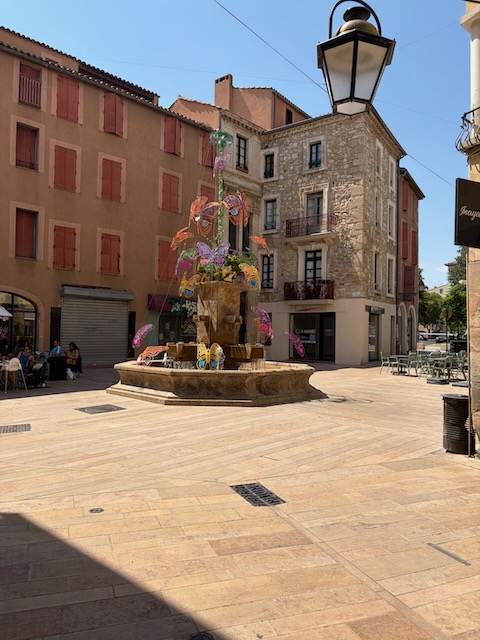
I love how so many European towns and cities have public squares for people to gather for food or company. And surprise, surprise, here’s a picture of a cathedral.

I didn’t get a refrigerator magnet because the town name Saint Antonin-Nobel-Val is too long and I have a narrow European refrigerator so I didn’t want this minor sightseeing spot to take over the whole face of the fridge.

Andorra

What is this devilry you ask? How can it be that we’re back to the “A’s” again? Well, I said I would list all the French towns in alphabetical order. Andorra is it’s very own country. And I thought it would make a good endcap to the whole expedition because, lo and behold… I found this!
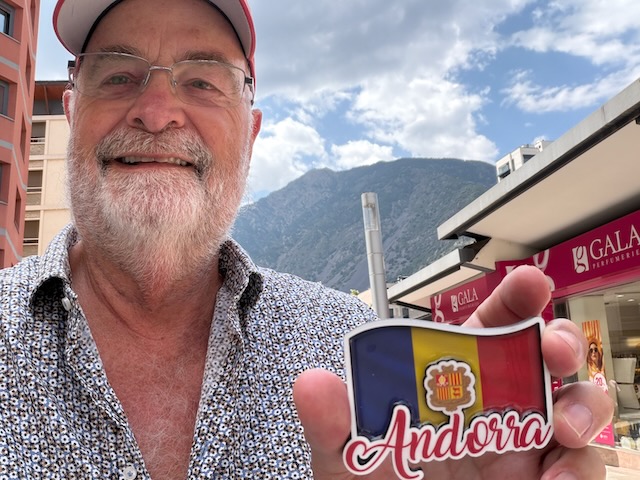
Woo hoo! I didn’t have to return to Portugal without a refrigerator magnet!

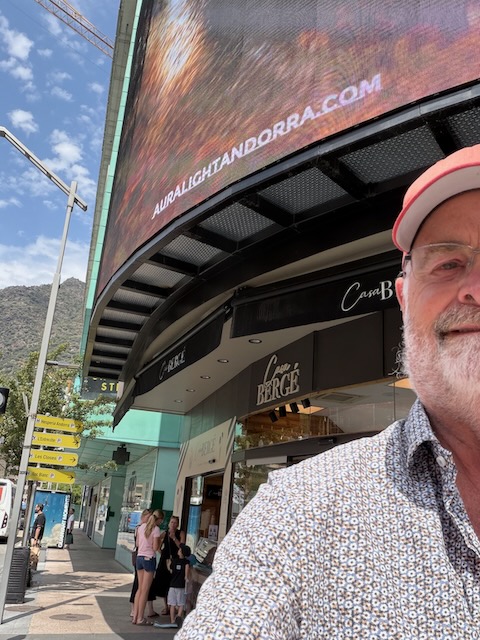
There’s actually kind of a little funny story behind the whole refrigerator magnet saga; and there better be because otherwise I’m sure you’ve been wondering why the hell I seemed so obsessed with them. After I stopped into the first Andorran town I happened upon Escaldes, which isn’t very far from the country’s biggest city and capitol, Andorra la Vella. I wanted to take some photos with “Andorra” in them just because Andorra is not a particularly well known country and I wanted to prove I was there without the use of Photoshop. But all I found after wandering up and down the main shopping area was a credit union sign and a web address on a building that included the word Andorra.

So I wandered up and down the shopping boulevards (which pretty much was the whole town) looking to find a souvenir shop or any store that sells trinkets of any kind, but I discovered that was surprisingly hard to do. People come there to shop for major things I think, not sightsee, so the usual touristy type stores were few and far between. But I finally found one, and ended up with a much better Andorran photo than just a web address on a building. Okay, that’s not that funny of a story, but it is true in any case.
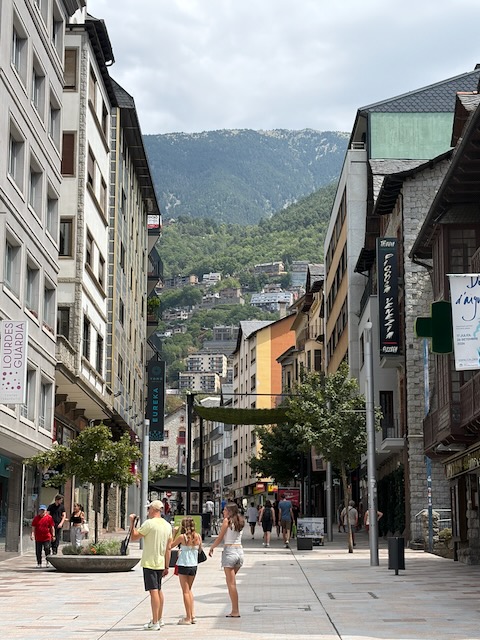
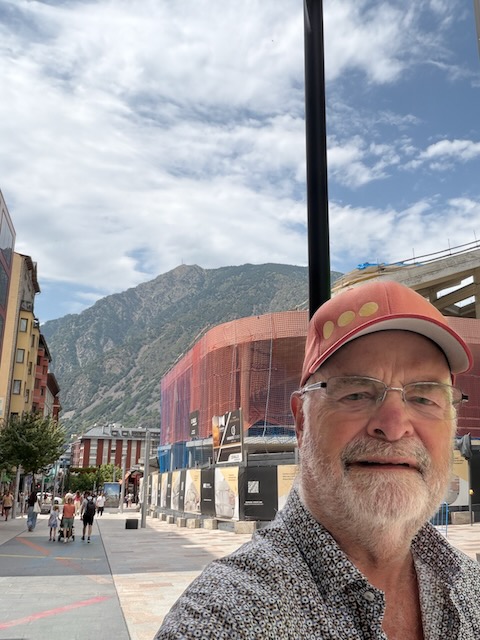
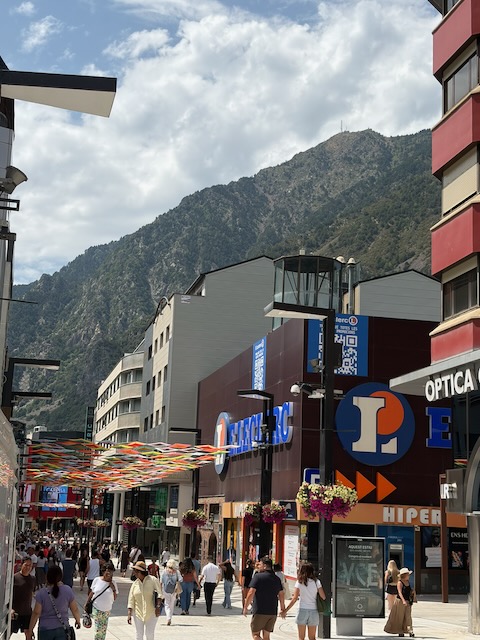
I think this outdoor mall corridor pretty much encapsulates what Andorra is all about: shopping. It’s a tiny little country sitting in the Pyranees on the borders of France and Spain. Also, it took me just a little while to remember that they speak Spanish there. I’d heard a couple of “graciasses” and “de nadas” and then it hit me. Since I know ten times more Spanish words than French words (so, like 20 vs. 2), I found it much easier to walk around and still not understand anything that was going on.
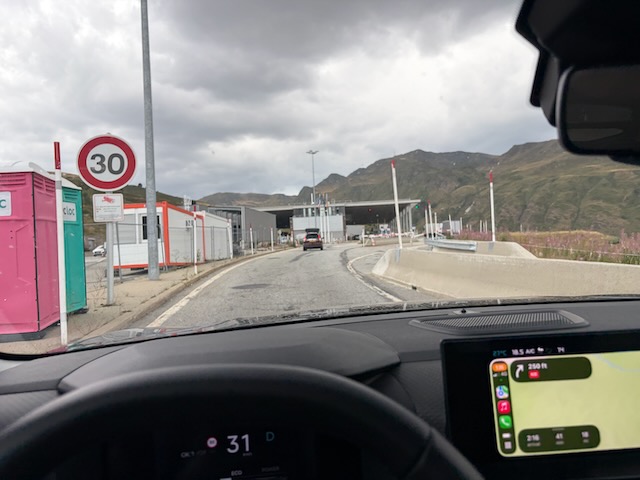
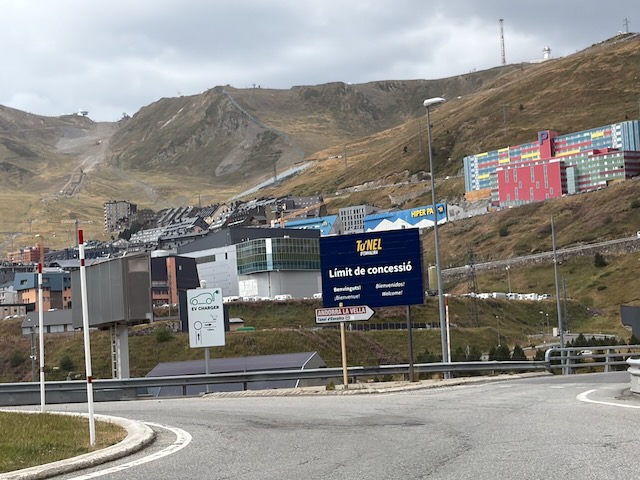
I got kind of a kick out of driving into Andorra, because it was a last minute decision after I’d finished with another small French town (I can’t remember which one, because I didn’t visit the French towns in alphabetical order, so I’ll apologize in advance to all the confusion that’ll cause future historians when they try and retrace my steps), and the only real reason I decided to make the drive was to add Andorra to my bucket list of countries I’ve been to. I also enjoyed it because I really knew very little about the country; it’s kinda fun to just drive into something without any idea as to what to expect, unless you accidentally end up in places like Ukraine, Sudan, Yemen, Syria, or Detroit.
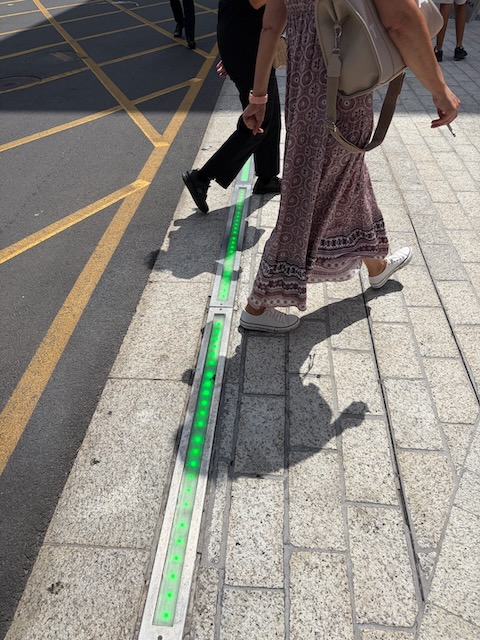
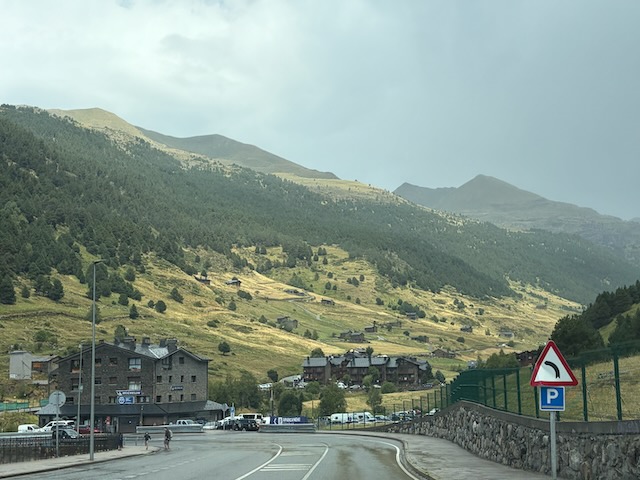
As soon as you cross the border into Andorra you get a fairly strong inkling that it’s a prosperous country. The buildings and even the roads are all first rate and in excellent repair. But the most compelling proof is when you’re standing at a crosswalk and realize the country has so much money that it can put light strips on either side that turn green or red to show when you can cross. I’d say that makes it pretty obvious that they are rolling in the dough, and also explains why they can’t even be bothered to sell souvenirs.
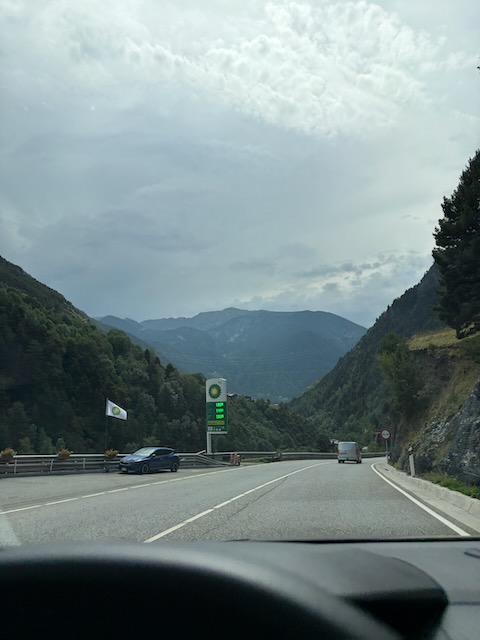
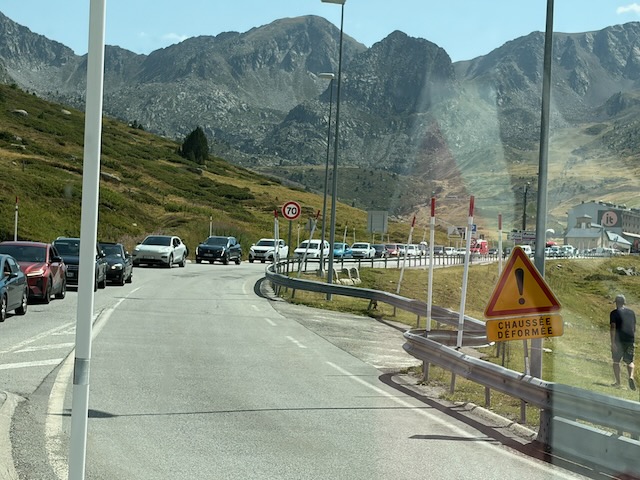
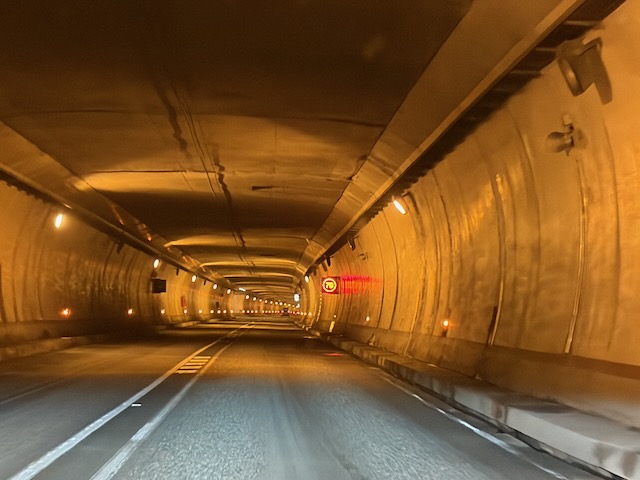
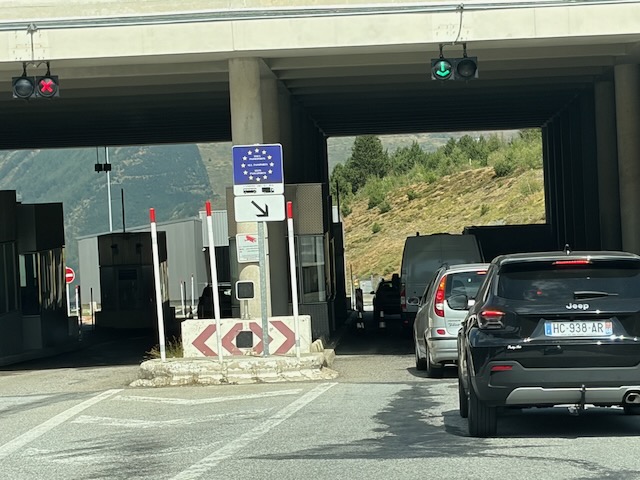
During the drive in I noticed their gas prices were quite a bit cheaper than either Portugal or France, so Andorrans seem to have it made, unless, perhaps, they want to leave the country. On the way out I encountered a long line of cars leading to the border. Since it is a separate country, they of course have border crossing stations, but unlike most EU borders I’ve crossed it looked as if they might be stopping every car and rolling mirrors under them while holding back snarling German Shepherds as they hold machine guns across their chests, just based on the length of the line. However, after sitting without hardly moving for about ten minutes, the line suddenly began to creep forward, and by the time I got to the border crossing everyone was whipping through. Maybe there was only one guard and he closes the border when he has to poop.

After that I drove back to Toulouse where this French exploration all started. I packed up my stuff, now burdened with the hefty plunder of all my shopping (the sum total of which was an Andorra refrigerator magnet), and got ready to fly back to Portugal.

I sometimes take pictures of random things I find interesting or amusing. In a grocery store, this package of shredded crab-flavored fish meat caught my eye. I do appreciate the truth-in-advertising, but I’d be a little uncomfortable eating anything caught as a result of, y’know, rape. “Mer” means “sea,” so yeah, enjoy the bounty from that rape of the assaulted sea.
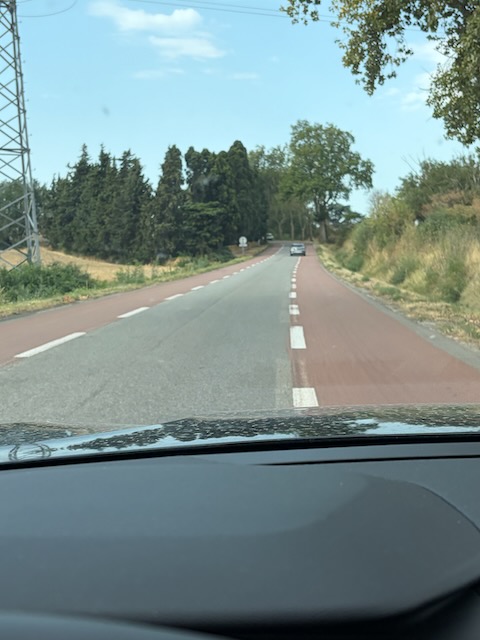
I was a little confused about this road because frankly, I had no idea where one is supposed to drive on it. The side lanes are a bit too narrow for a normal car, but I had no idea who has the right of way in the center lane. The most perplexing thing about it was that the whole road is plenty wide enough for two normal lanes.

But you know what? We’ve entered a time in history where we can learn anything about just about anything, so I pasted the photo in ChatGPT and asked. Guess what? Now I know! This is what it said:

The road is deliberately designed as a traffic-calming road with bicycle lanes/suggestion lanes, a design particularly associated with the Netherlands and some neighboring European countries. The key features are:

Red/pink strips on both sides → these are intended primarily for bicycles.
Dashed white lines separating them from the main roadway → unlike a solid line, this indicates that motor vehicles may cross into the bicycle area when necessary, such as when meeting another vehicle.
No centerline → this is important. It makes the motor-vehicle portion feel narrower and encourages drivers to slow down and share the central space rather than treating it like a conventional two-lane road.
The result is effectively: bike space + shared central driving space + bike space.

Voila! The French aren’t as stupid as we’ve been told, eh?
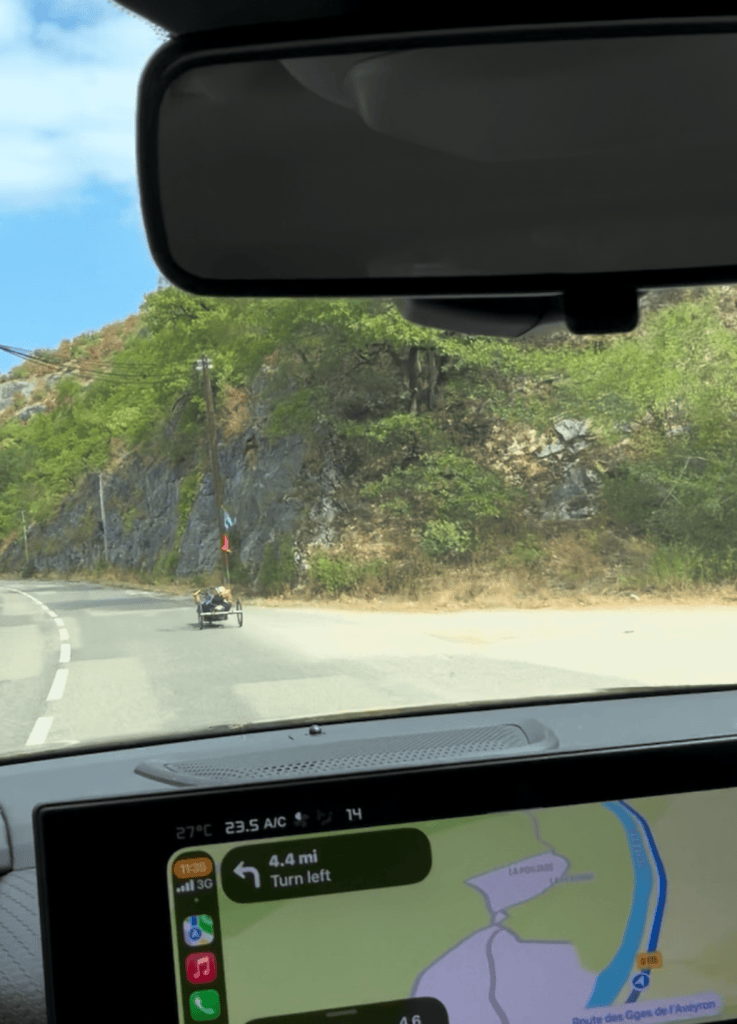
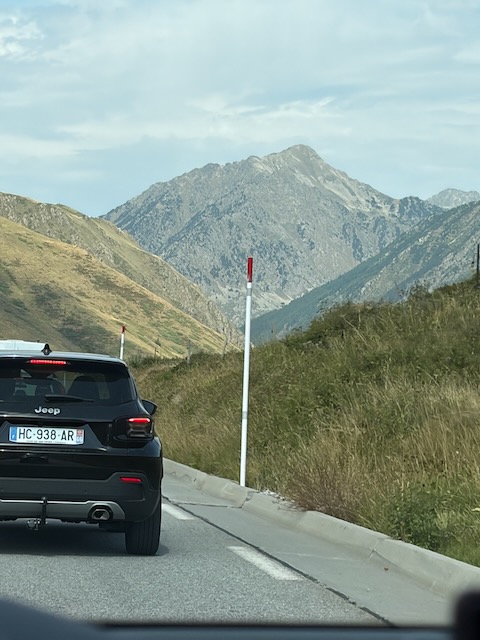
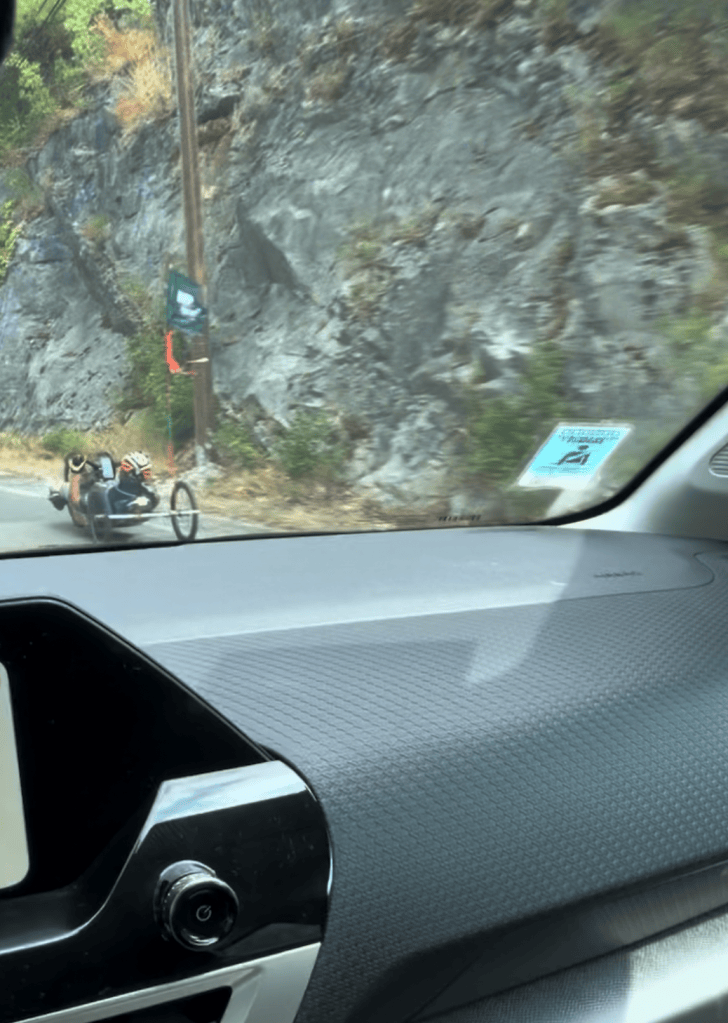
I also encountered this guy on the road while driving in the mountains. Unfortunately for him this wasn’t an area where they had that style of road described above, but it’s a good thing he has a big flag on his bike because I think I could’ve driven right over him if I’d have been playing Words With Friends on my iPhone while driving again. Of course, he’s low enough that he probably would have come through unscathed. But anyway, I thought it was all kinda quirky, which is a very high-scoring WWF word, coincidentally.
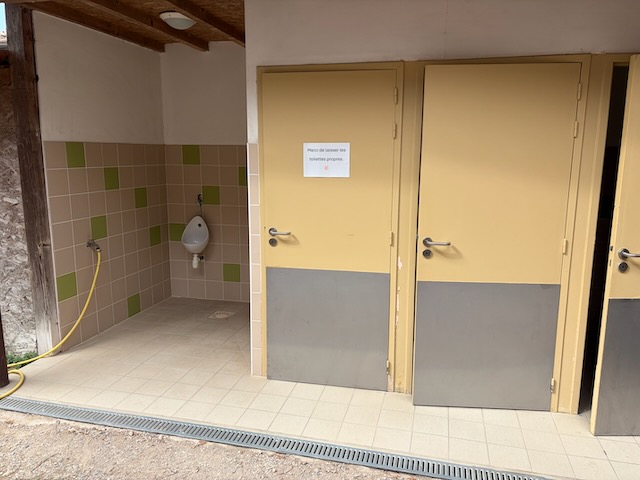
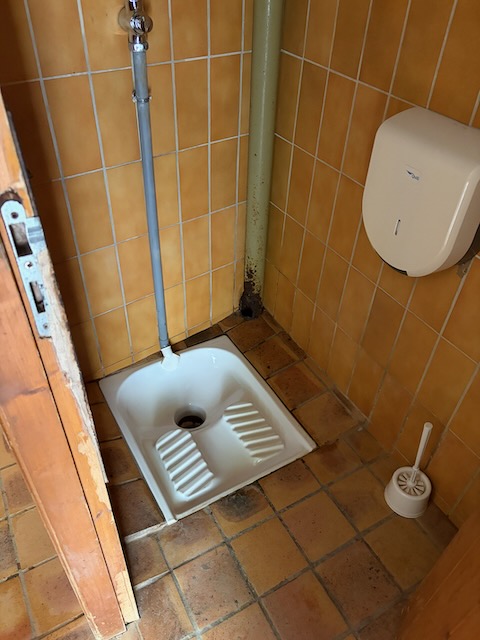
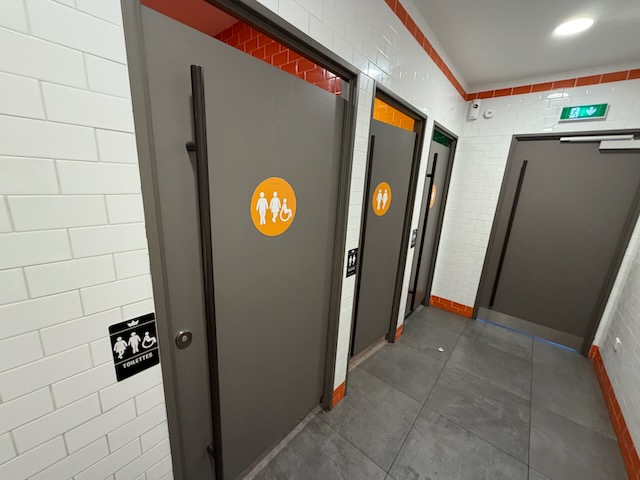
Lastly, just to commemorate that I’m often full of shit when I write this blog, I thought these toilet facilities in France were noteworthy. In the first photo, this was all outside, so the urinals were out in the open for God and everyone to enjoy the sight of the backs of males while they urinate.

The middle photo is of a floor-level, or squat toilet. I was a bit confused about the ridges, so I looked it up. The ridges are there to give your feet traction. Man, no wonder most people in countries that use these things insist you take off your shoes when entering their house. I’ve never used a squat toilet, and prefer to keep it that way. I fear I’d never be able to stand back up after the squat. Also, I’ve never particularly felt like I had to work on my pooping aim, but I sure as shit would have to while hovering over one of those!

In the last photo, not only does it seem like such common sense to have bathrooms with full doors, as opposed to the near half-doors prevalent in the US, but they’re also for everyone. I sometimes shake my head at all the fuss made in the US over who can use which restroom, when in Europe none of that seems to be any problem whatsoever.

It’s a good thing that’s the end of the report on my Expédition Française, because Mel’s telling me it’s time to shut up.

(Scroll down to see previous entries.)
Francely my dear, I’ll go see a dam

After starting my French adventure in Toulouse, I took to the road with only a loose agenda in mind. When looking at a map, it seemed as if no matter where I might end up, I’d be within an hour or two of some quaint French town with medieval charms, more often than not featuring a cool castle. So I thought I’d just putter around the south of France in my rental car in a quest to see as many castles as possible, like I was on some castley-Pokémon hunt.

Speaking of rental cars, I have a serious travel tip for renting a car in a country like France: before you leave the parking lot, first figure out how to change the car’s language to your native tongue, then familiarize yourself with all the controls, down to the most basic, like how to start the windshield wipers, where the hazard light button is, and how the built-in bidet system works (that’s only necessary in France and Japan).

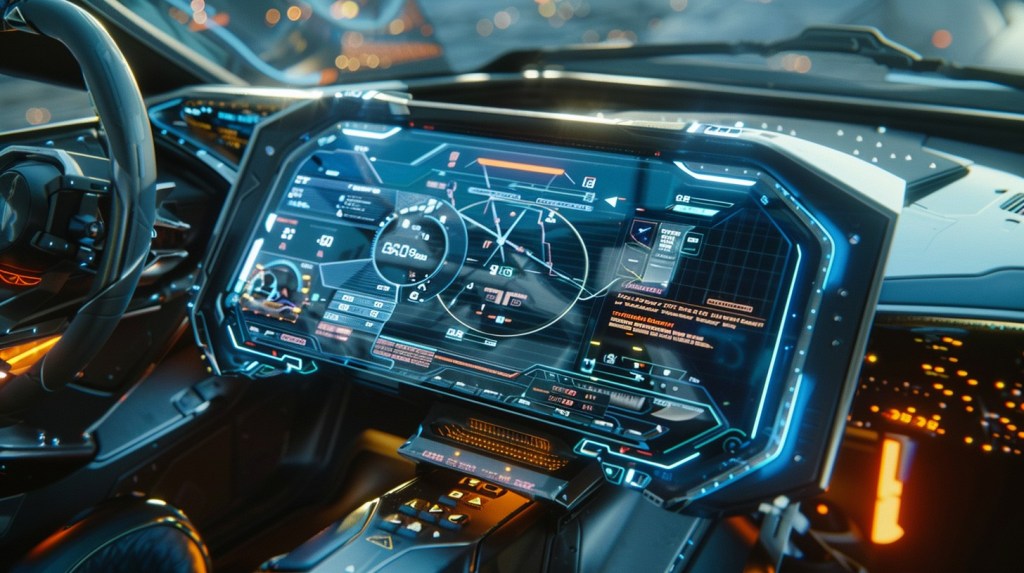
Nowadays, new cars have more electronic options than a jet fighter, and they’re all hiding randomly inside LCD screens using an operating system as intuitive as ASML’s Extreme Ultraviolet (EUV) lithography machine. What is an ASML Extreme Ultraviolet lithography machine you might ask, mostly because you want to avoid clicking on that link? Well, it is widely considered to be the most complicated machine ever built by humans. Almost as complicated as working that analogy into this paragraph.

Honestly, you don’t want to be looking down at your pudgy fingers jabbing at an unfamiliar computer screen just to figure out how to turn on the air conditioning when driving at 80 km/hr while you’re tailgating a motorcycle in front of a school which is next to a donut shop with a parking lot full of cops watching every car go by while they finish off their fourth glazed donut. Instead, you can use your favorite AI program ahead of time to help with that: you just tell it the make, model, and year of the car and before you know it you have your own personal car whiz quite literally sitting in the palm of your hand (this works for cheese too). Plus it probably can even work the ASML Extreme Ultraviolet lithography machine in case you need to pop into your local Extreme Ultraviolet Lithography Machines ‘R Us store to produce some last minute Extreme Ultraviolet lithographs. (At this point, with all this repetitive keywording, any serious engineer or whoever works those machines may wonder how the hell he or she ended up on this site after doing a search on Extreme Ultraviolet Lithography Machines.) Hey there! Nice to have you on board! So how’s the Extreme Ultraviolet lithographic business holding up these days?

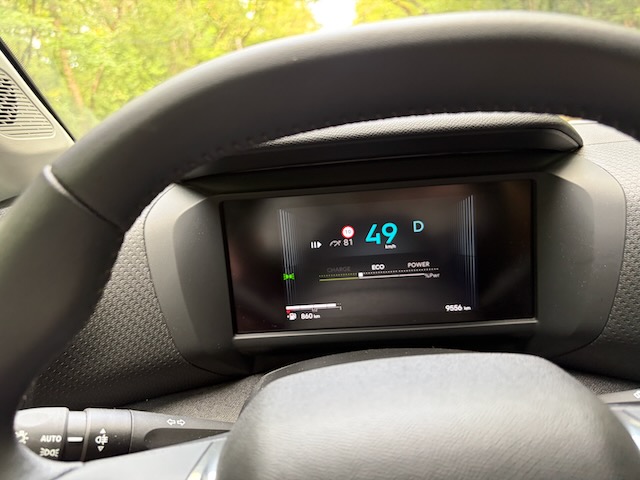
As you can see, the dashboard on my rental car was actually a little less complicated than the first example, but there was still lots of technology in it. The car constantly scans the road and then posts the speed limit right on your dashboard, which is handy because speed cameras are all over the place in France. However, no technology is perfect, because although it’s a little difficult to see in the photo, it’s telling me the speed limit is 10, because it misread a sign that actually said “70.” So it kept dinging at me perhaps thinking I was ripping through a school crossing like a crazed lunatic or something. I’m a little surprised it didn’t shut down the car or shoot me with a taser… today’s car electronics are getting a little overbearing sometimes. I think we’re in a slightly painful transition from doing our own driving to self-driving cars doing it all.

Anyway, here are some highlights of the small French towns I visited, in alphabetical order:

Béziers

Driving into Béziers can be a little hazardous because obviously all the roads leading into the town are very curvy… and if you don’t know why then you just missed a dad joke. And no, it has nothing to do with the late, great Dolly Parton. Béziers is one of the oldest cities in France, dating back to 575 BCE (Before Computers Existed), according to ChatGPT. With a population of a little over 80,000, its main claim to fame is that it has more people than any town in the world with a population under 80,000.

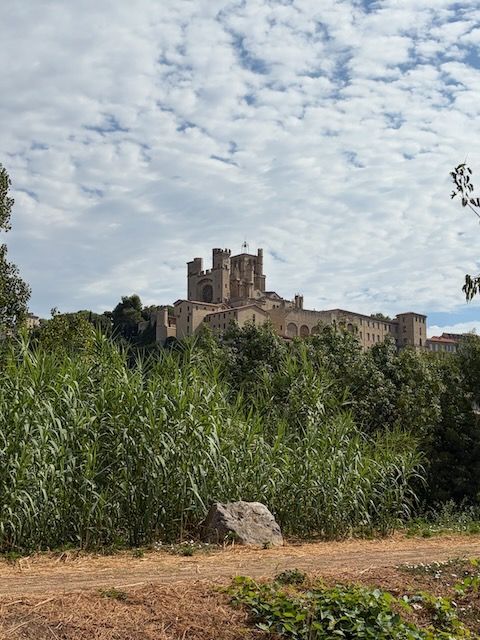
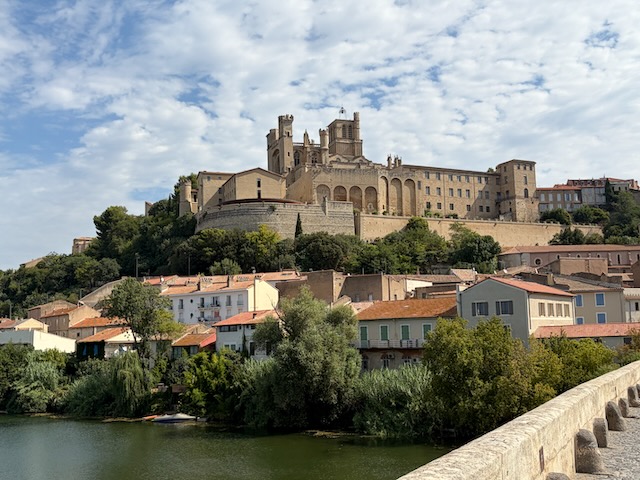
The skyline is dominated by the Béziers Cathedral, a Roman Catholic church that dates back to the thirteenth century. The current structure is built on the ruins of the previous one that was destroyed during The Massacre at Béziers in 1209, which is when the Catholic Crusaders killed pretty much everyone in town, heretics and Catholics alike, because they didn’t have anything like skin color or political bumper stickers to tell them apart. When the soldiers asked how they should handle that problem, the now-famous phrase, “Kill them all and let God sort them out” was uttered, and that’s exactly what they did. Boy religion is fun, isn’t it? Anyway, at least we got a memorable catchphrase out of all that killing, so it wasn’t a complete waste.

It does look pretty cool from afar, especially when you don’t have to see all the bloodstains.

When you’re standing atop its hill, the scenery is marvelous. To be fair, sitting atop the hill doesn’t change the view much, so that’s okay too.

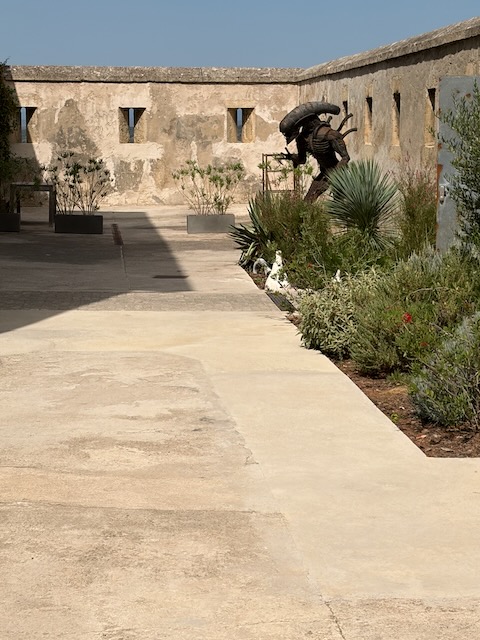
This is a piece of unconventional and incongruous art located at the entrance of the Hôtel La Prison, a former prison converted into a hotel next to the Béziers Cathedral. Or maybe it’s because Béziers was the site of the first encounter with the alien creature whose likeness they stole for the Alien franchise. I’m not sure, really, I hustled past just in case it was faking being a statue.

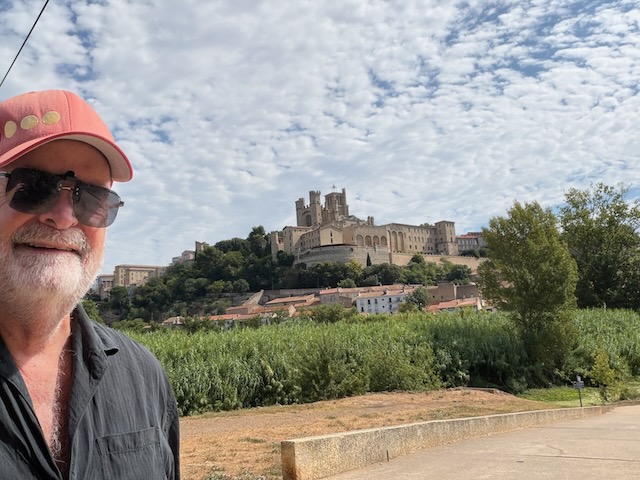
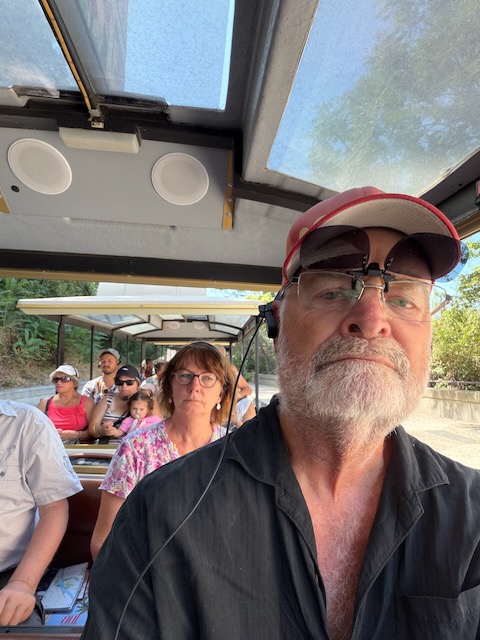
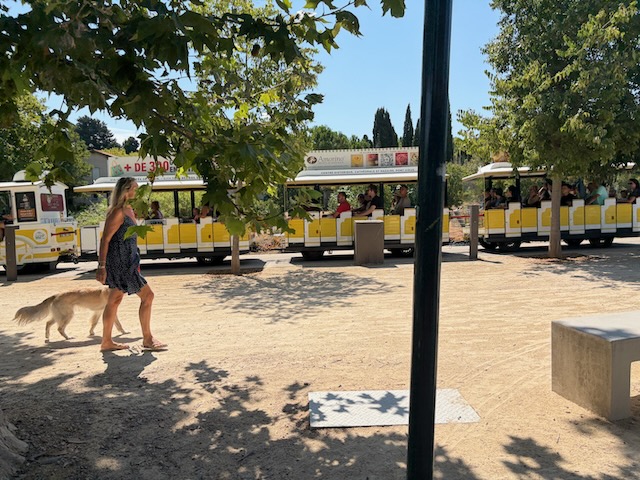
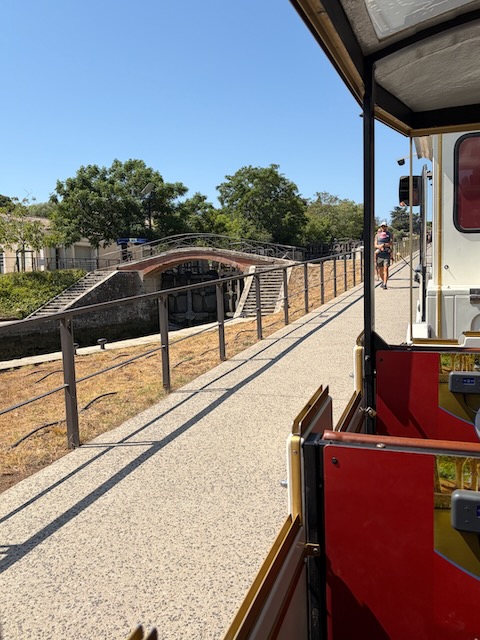
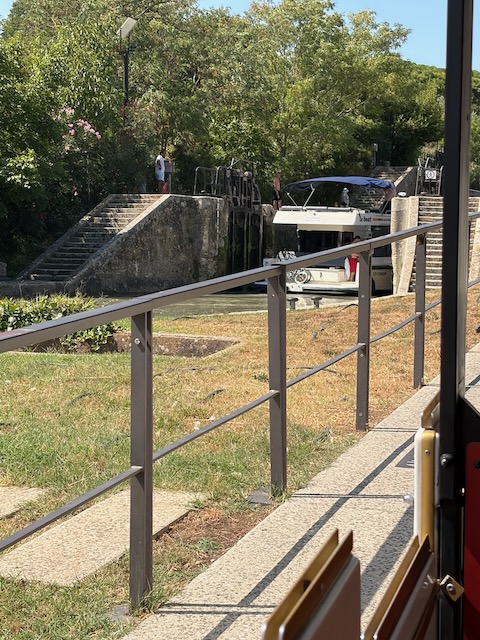
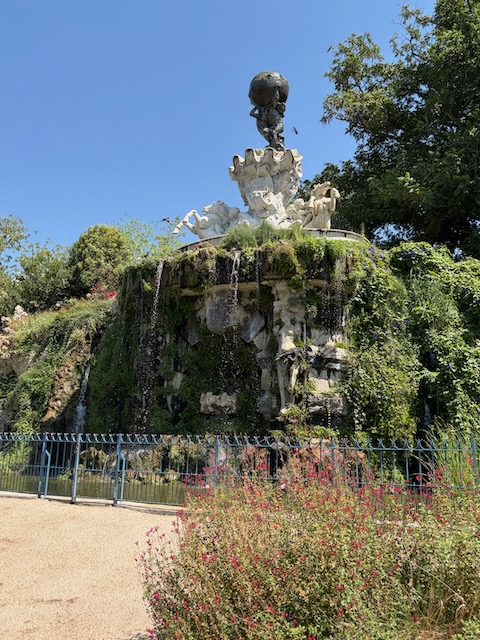
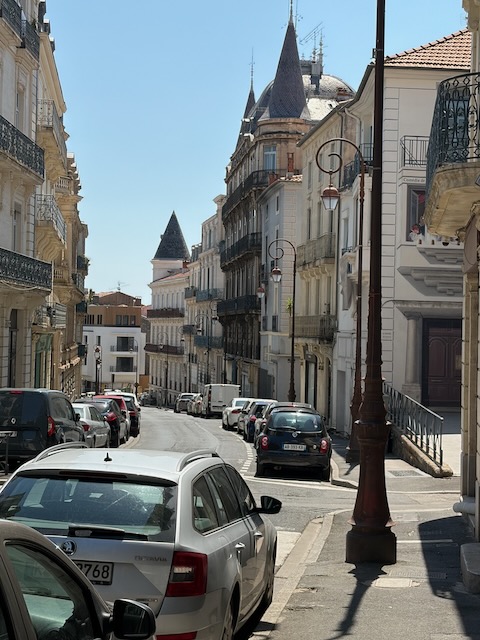
If you’re like most of my readers and spend a lot of time memorizing all the writing in baldsasquatch.com because it’s all so, oh I don’t know, transcendent, riveting, exquisite, masterful, luminous, thesaurusy, and hilarious (I’m thinking of adding verse markers like the Bible so when people are quoting me they can find the texts easily), then you’ll remember that I said something about telling when a town is touristy when it has small trains or horse-drawn carriages for tourists. I don’t often ride those, but I decided to in Béziers on a whim. Unfortunately, it put the whim in whimpy, as you can tell by my excited facial expression in the first photo. At least in that selfie I had my eyes open. Maybe I’ve traveled too much because I thought it was a complete waste of time. Not that I had anything better to do. Still, we saw some famous (at least now that I saw it) canal locks, a fountain or two, and the same view we had before we got on the train.

Poor Béziers gets another bad rap from me because this was the scene that resulted from my excitedly following street signs to see a “Roman Amphitheater.” I wondered why I was the only one walking in that direction. Because, yeah, break out the confetti, this is the Roman Amphitheater. In modern terms, I guess you’d call this theatre off-off-off-off-off Broadway. Maybe the Spinal Tap / Puppet Show might’ve made it look full, or a French Trump rally.

In the end, Béziers was a pretty enough city, but let’s just say I didn’t buy a Béziers refrigerator magnet.

Bruniquel

While bustling Béziers main claim to fame is being France’s 59th most populous city, Bruniquel is right on its tail with a whopping 561 inhabitants and counting, that is if you really believe that child was his.

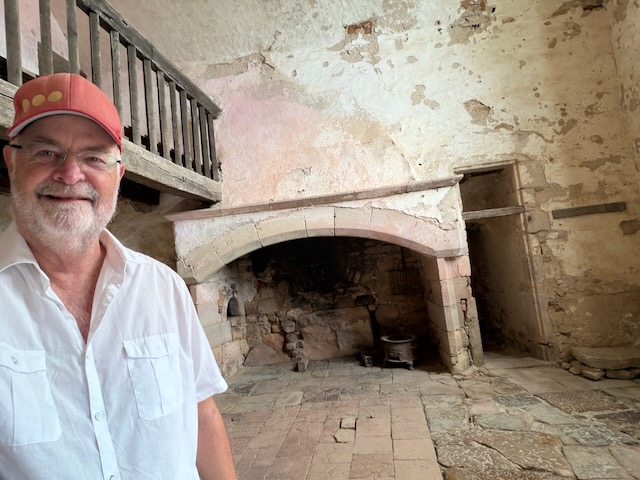
Despite the population density and throngs of tourists, I managed to worm my way through the small streets to grab a few pictures, even remembering to point the camera at myself once in a while just to prove the zombie apocalypse hadn’t arrived.

There are two feudal medieval castles that dominate the village, one called “old” and the other “young.” The ‘young’ castle was built in the 15th century, which means I can go back to calling myself young again.

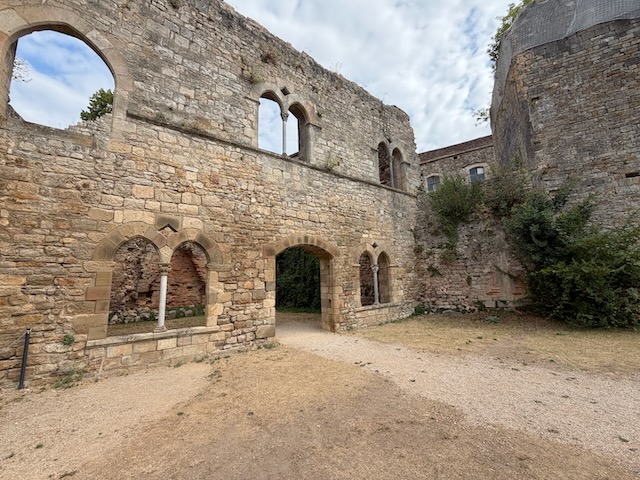
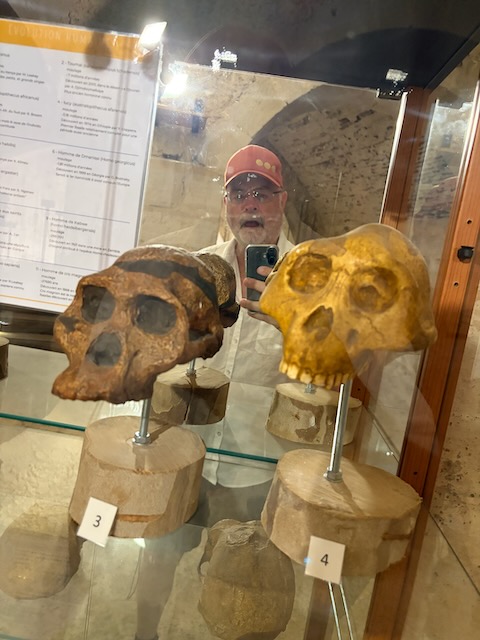
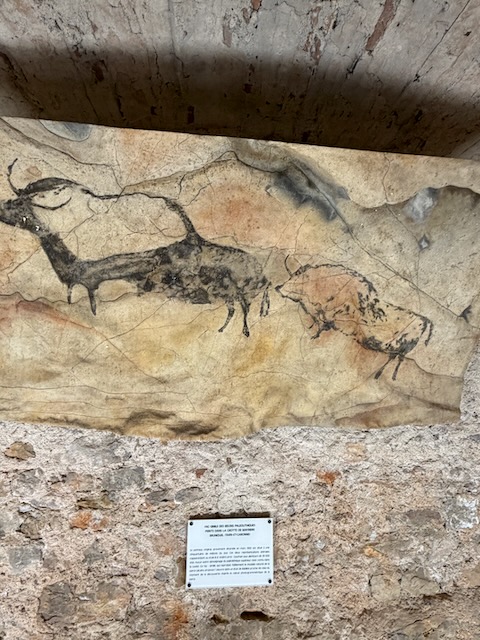
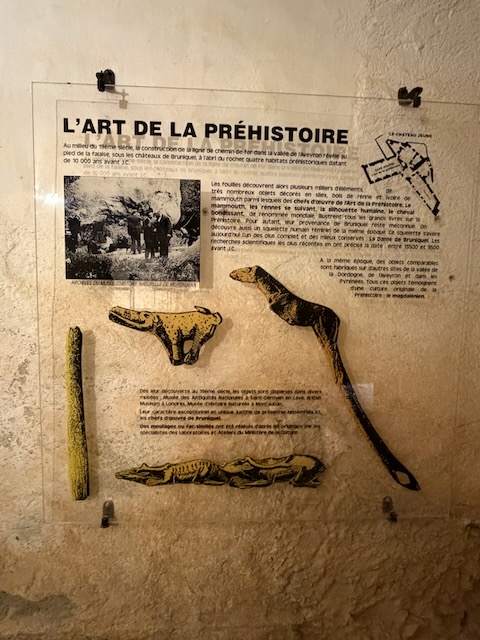
The “young” castle is home to a museum of prehistory exhibiting “treasures of Bruniquel” found in several caves near the castles. These caves have ancient wall paintings that were damaged by overenthusiastic and incredibly stupid graffiti cleaners in 1991, so we aren’t allowed inside to see them anymore. The caves also include evidence of Neanderthal activity, the descendants of which probably became graffiti cleaners.

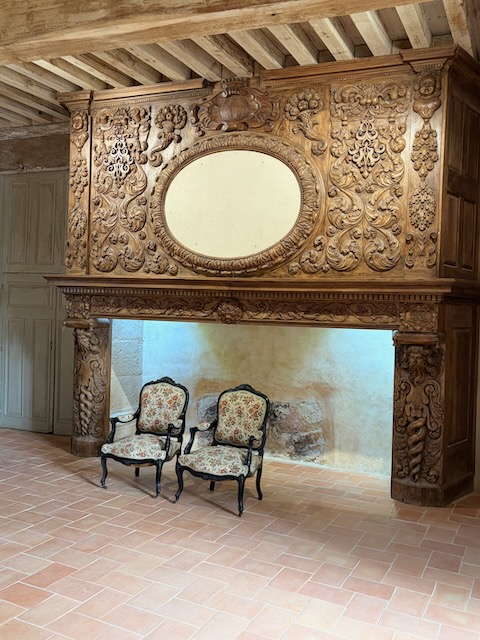
In those days, fireplaces had multiple uses, including cooking, heating, and tying heretics to chairs and leaving them there until they were very well done.

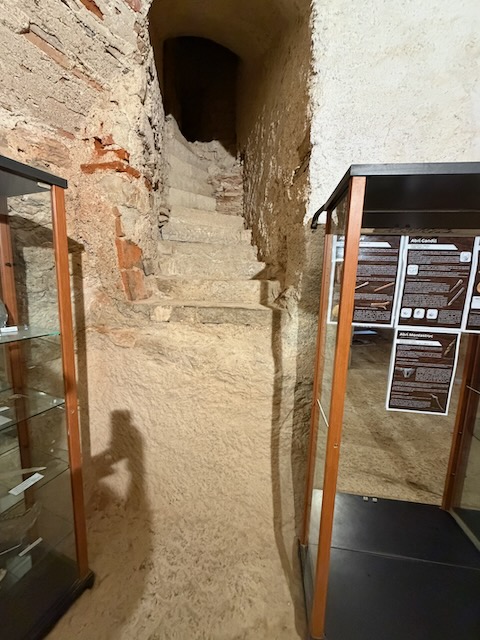
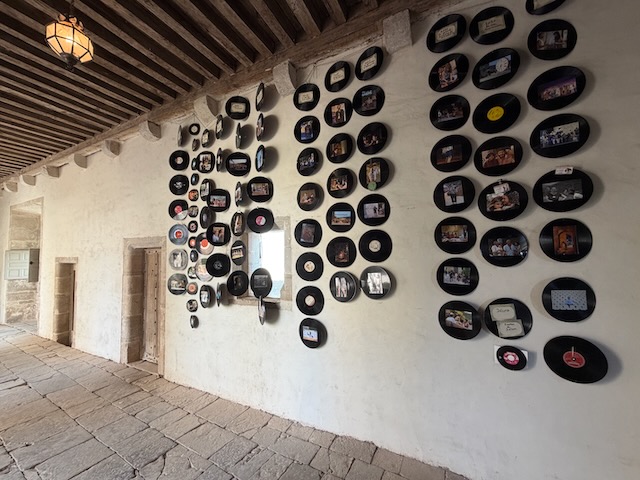
Additional tortures were dispensed by making prisoners walk down stairs with a very high last step, as well as forcing them to listen to old records before the phonograph was even invented.

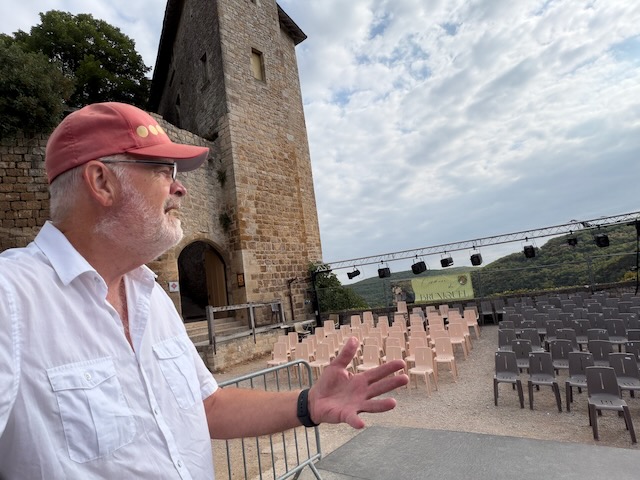
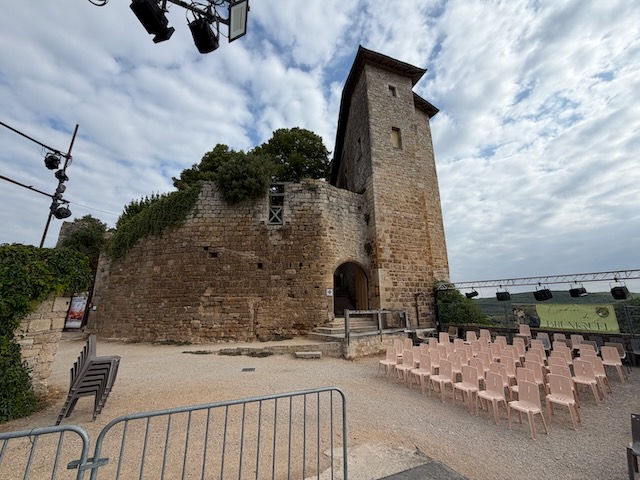
Mostly due to this travel blog and other famous things I might have done, I am of course constantly being asked to give presentations and speeches to packed houses, and Bruniquel was no exception. The chairs only look empty because the photo was taken right when I had them rolling in the aisles, and things are fairly steep around there.

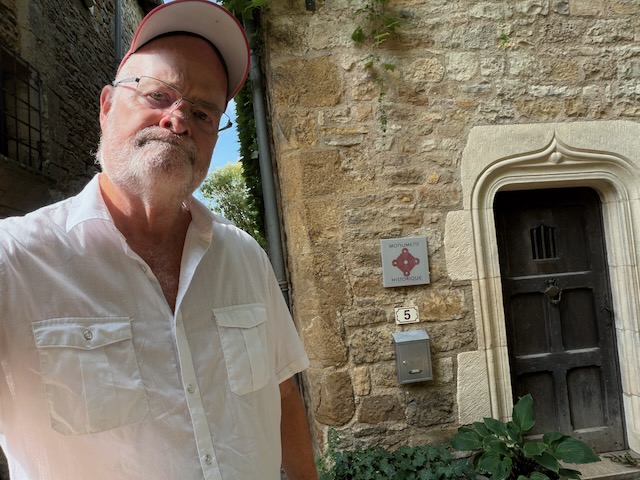
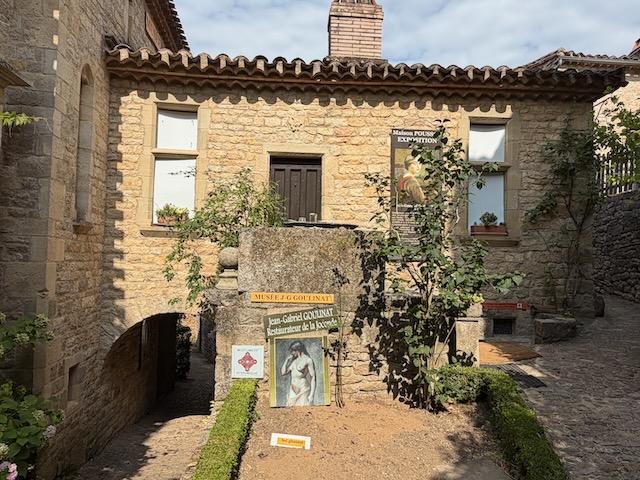
A couple of historical landmark buildings that just didn’t seem all that landmarky to me. But I suppose if anything gets old enough, it deserves a plaque or two. That’s my usual explanation for the pictures above my bed anyway.

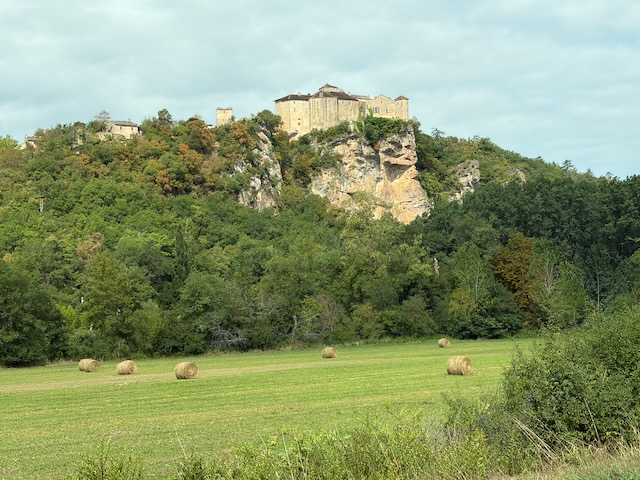
Beautiful views approaching, and from, the castle walls. Hard to imagine storming that castle without 500 meter long ladders or really powerful pogo sticks. You can still see the leftover bales of hay laying around from the last catapult attacks; they used them in the first wave just to say “hay!” because people were much more polite back then, other than all the killing, stealing, torturing, cruelty, and bigotry.

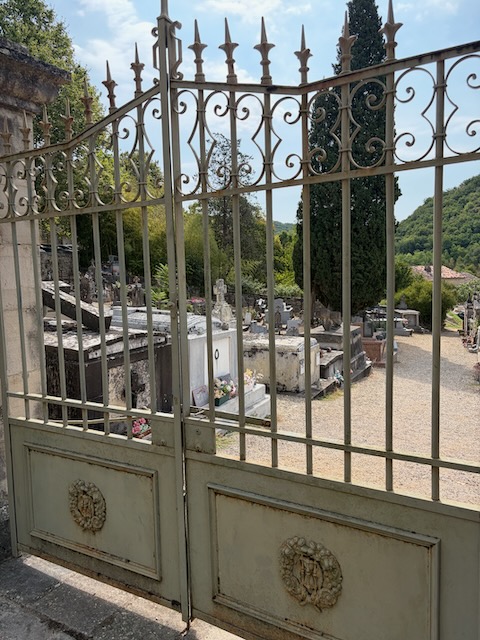
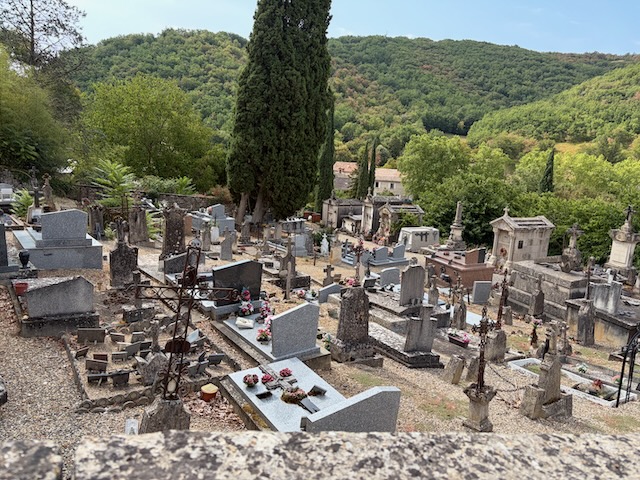
Of corpse, it’s always necessary to have gates in a cemetery because there are so many people dying to get in. I think I’ve used that joke before but this time I think I really killed it.

In the end, Bruniquel was actually a bit more enjoyable for me than Béziers, but I didn’t buy a Bruniquel refrigerator magnet either.

Carcassonne

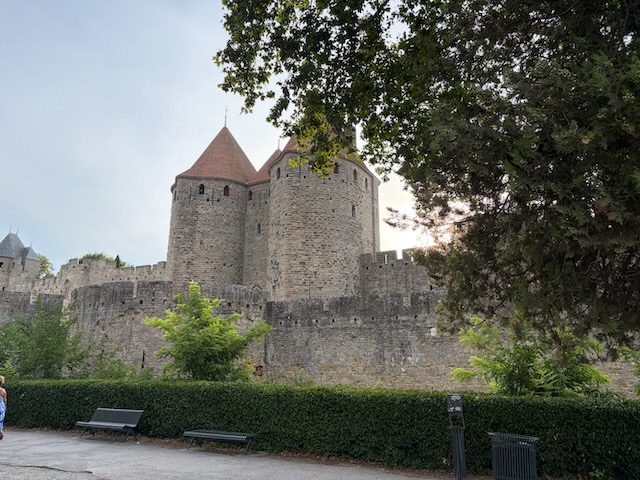
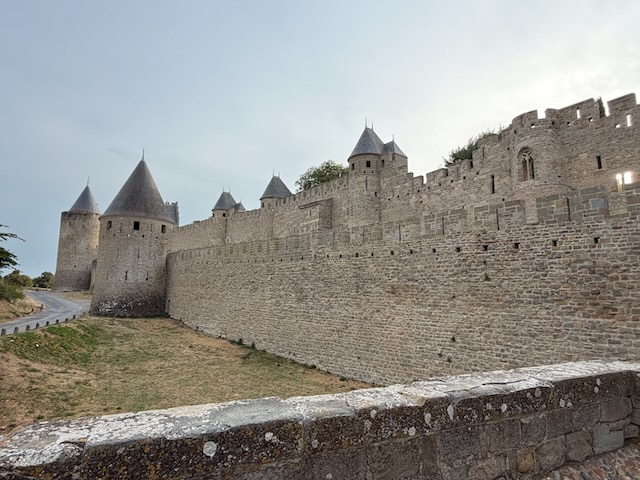
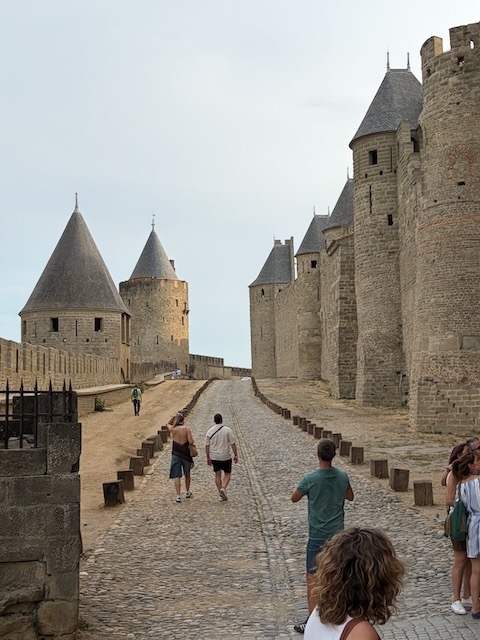
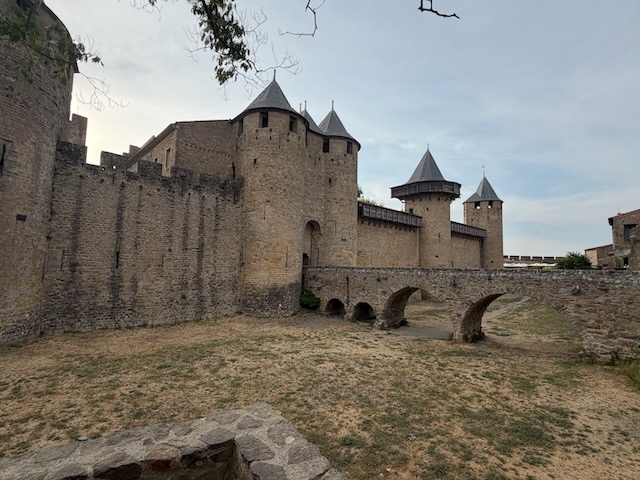
Carcassonne features one of the more extensive and best preserved medieval fortresses around. The Cité de Carcassonne –a UNESCO heritage site– is a medieval fortress dating back to the Gallo-Roman period – which lasted from the1st century BC (Before Computers) to the 5th century AD (After Disco). I think it was famous for the invention of cheap wine too.

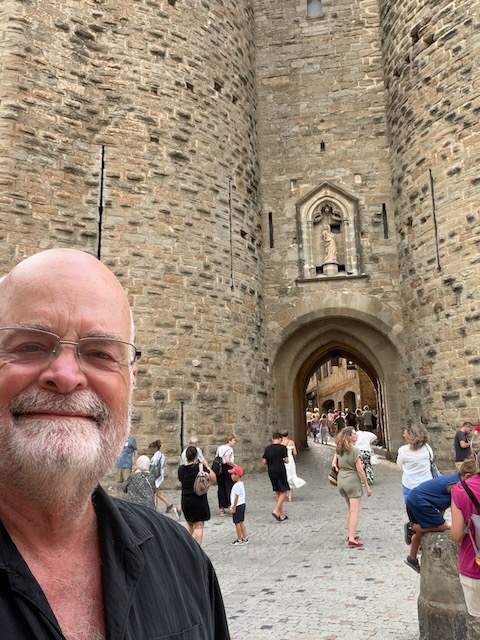
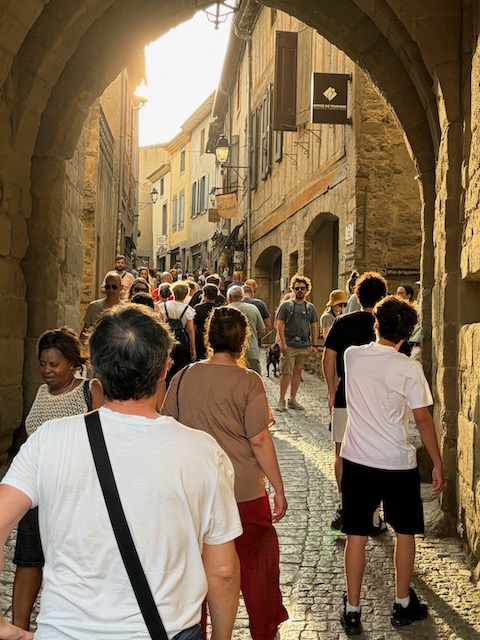
I actually stayed overnight in Carcassonne near the citadel area. It was quite a bustling tourist destination, but when I got back home I thought I had more pictures than just the above, so I guess I was so wrapped up in the adventure that I forgot to take more.

Historically, the language spoken in Carcassonne was not French but Occitan, which is also an official language in Catalonia, which is in Spain but also the same general geographic area as Carcassonne and across the border from Andorra. Occitan has no official written form, and is slowly in danger of dying out. It’s hard to know for sure (because really, who the hell cares, ha ha), but there are less than a million first-language speakers of it currently. Despite those numbers, Google Translate actually does offer translations for it, like: “Me preocupa perque es ma lenga donc fotre,” which means, “I care because it’s my language so fuck off.” Ach. Occitanians are known for being rather crude, unless they’re speaking in High Occitan, which is a lot faster.

In the end, I didn’t buy a Carcassonne refrigerator magnet in any language.

Cordes-sur-Ciel

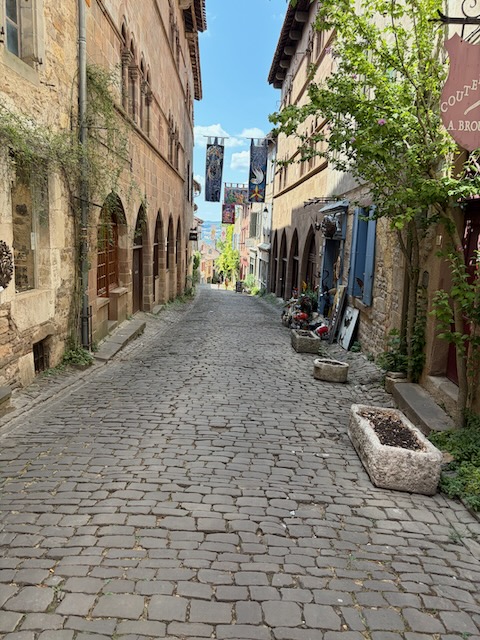
Cordes-sur-Ciel is a cute little town and is a member of Les Plus Beaux Villages de France (The Most Beautiful Villages of France) Association. Of course, don’t get too excited about that because the association lists 184 of them. Perhaps The Least Beautiful Villages of France Association could publish a shorter, easier-to-handle list.

Until 1993, the town’s name was Cordes, a word thought to come from the Indo-European root “corte” meaning “rocky heights.” They say it was renamed Cordes-sur-Ciel to commemorate its height above the clouds over low-lying areas of the valley, but I think it was just to stop the word “Umbilical” from constantly being graffitied on the Cordes signs.

I ended up driving up some sort of non-touristy back way into the town which made me wonder if I was going to have French elderberry insults hurled at me by hordes of French people irritated that I was driving on the secret roads they try and hide from tourists. When I finally entered an area that had a parking lot, it was of course full, but I spotted a nearby empty parking space on the street and so slipped in there. The space was so tight against a medieval wall that I had to actually climb over the center console to exit and then reenter from the passenger side. I’m not as limber as, well, I’ve never been limber, so there was a point there where I almost thought I was gonna get stuck. That would’ve been kinda funny, but only in hindsight, which at one point during the human origami exercise was exactly what my rear view mirror was reflecting.

I was also uncertain as to the parking fees and where to even pay for them, so I took a chance and just skedaddled quickly up the hill, looked up and down the streets, took in a view, bought an ice cream cone (a necessity), and hustled back down to the car hoping I wouldn’t see a ticket on my windshield. When I got there, ice cream dripping from every corner of my beard, I was relieved to know that I wouldn’t have to swap license plates and a parking ticket with my neighbor’s car after all, and hightailed it out of there whooping with delight at how I’d beaten the system.

I didn’t even leave enough time to find a refrigerator magnet.

Lac ⁨(Lake) Salagou⁩

I’m guessing that the entire time you’ve been reading this entry you’ve been wondering what the title of it (“Francely my dear, I’ll go see a dam,” in case you forgot) has to do with anything.

Well dam… pardoning my French. I will endeavor to explain.

Using AI as your travel guide can have a lot of benefits, providing suggestions and ideas you might not have garnered from some of those travel sites that mostly want to sell you guided tours. (Don’t worry, I’ll get to the dam thing.)

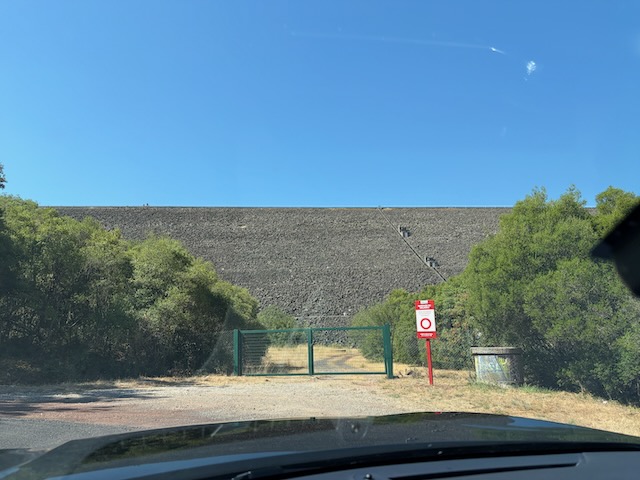
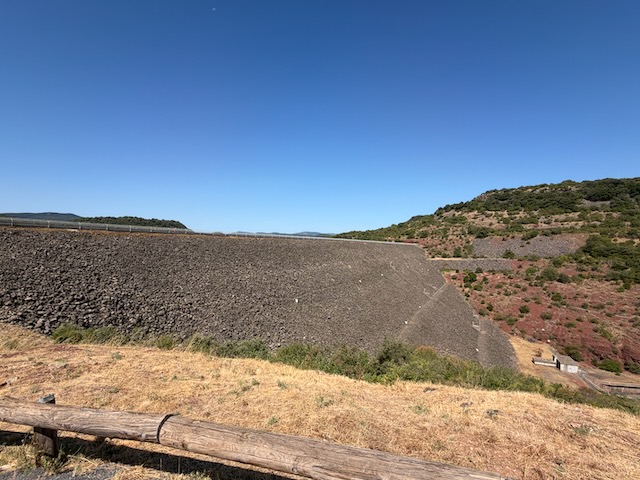
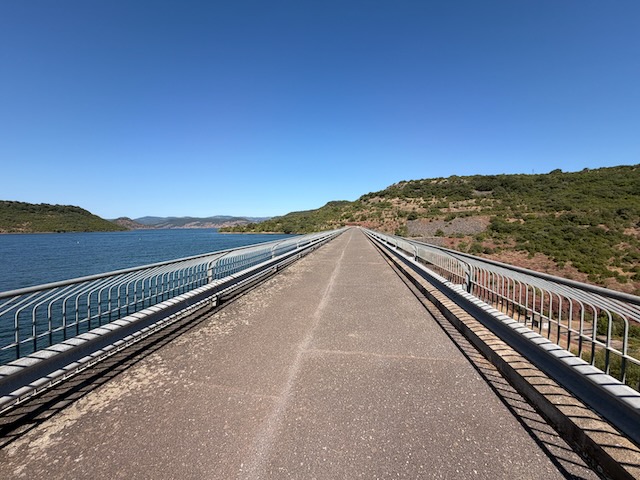
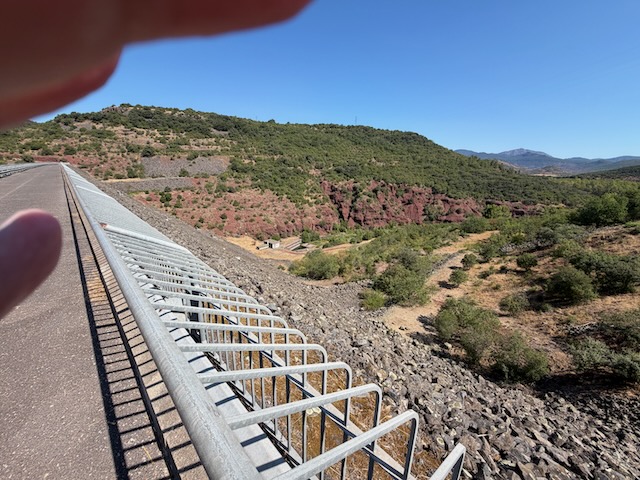
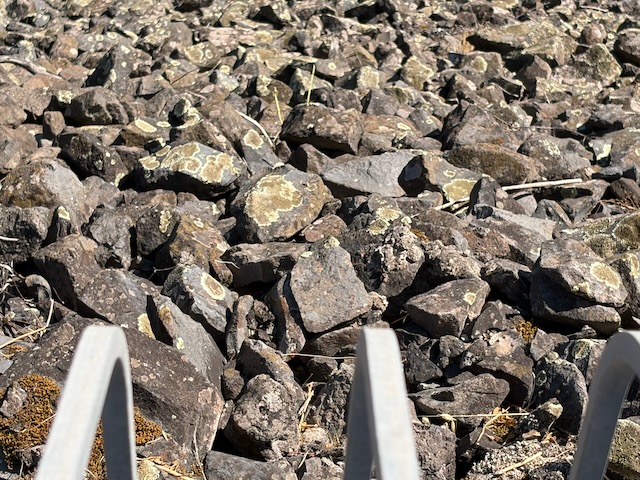
I did run into a couple of downsides of that system. One of the attractions it sent me to was Lac ⁨Salagou⁩, enticing me with effusive praise of the natural scenery. Since I do sometimes get tired of seeing only human constructs in my sightseeing, I looked forward to seeing some natural beauty. However, other than a lake, which, sure, is pretty enough but not exactly uncommon, I saw this dam, which I admit I found quite intriguing. The whole thing seemed to be made of nothing but mid-sized stones. I couldn’t figure out how all of them even stayed in place. I’m guessing they bought Super Glue by the barrel or something. That held my interest a lot longer than looking at a lake, which actually isn’t saying much. So I went back to my phone to navigate my way back to civilization, calling this AI sightseeing detour a bit of a bust, because even though I was intrigued by the damn dam, I wouldn’t have driven an hour on curvy, dangerous roads just to see that.

And that’s where I encountered one of the downsides of relying on technology: it was wildernessy enough out there that there wasn’t any cell coverage, so suddenly I found myself on my own with no map or any idea as to how to get to wherever it was I’d want to go if I even knew where I wanted to go at all. So I just drove, looking for towns big enough to sell refrigerator magnets, and eventually found a signal. How I ended up in Denmark I’ll never know, but I was able to retrace my steps and get back to my French adventure eventually.

And of course I didn’t even bother looking for a dam refrigerator magnet.

Ah, this seems like a good halfway point. Most of the time, when you divide up an alphabetical listing in half, it goes A-L then M-Z. So I’ll stop at the “L’s” and let the “M’s,” starting with Minerve, headline the next entry. So now you can go back to doing whatever it is you wished like hell you were still doing before you got caught up in this mess. And now you have to wait for the next entry with bated breath, which, by the way, can be cured with a little mouthwash. Please. Your face is really close to the screen when you’re reading and it’s kinda bad, dude.

As they say in Occitan, “Obtenètz fòrça mai de petons franceses quand avètz una bona igièna bucala!”

And as they say in Frenchglish, “Au revoir for now!”

(Scroll down to see previous entries.)
La Trek Toulouse

One of my favorite types of destinations in Europe are the small cities and towns that have retained their medieval charm, often with a castle overlooking the cobblestone streets and centuries-old buildings. Some time ago, I had saved an article from a travel website citing the top ten best small cities in Europe to visit, and Toulouse, France, was one of them. The only thing I knew about Toulouse at the time was that someone famous had that in their name. Turns out it was Henri Marie Raymond de Toulouse-Lautrec-Monfa. (Which would’ve been quite a mouthful when his exasperated mother used his complete name, as mothers often do, when she was fed up with him for not doing his chores; like throwing out the contents of the chamber pot into the street, where it belonged.) Frankly, if you would’ve told me that Toulouse-Latrec was the most famous Pure Finder ever, I might’ve believed you. What’s a Pure Finder you ask? Well, a Pure Finder collected dog feces from the streets and sold it to tanneries. It was used in the processing of animal hides. Yes, that was an actual occupation. You never know what you’re gonna learn on Bald Sasquatch!
I’m guessing that most people probably feel the same way about Toulouse-Lautrec as I did: it’s a name which sounds familiar, but perhaps you have no idea why, like I used to before I got all cultured and everything. Maybe you thought he invented the horse-drawn seed drill? No, that was Jethro Tull in 1701. Maybe you thought he was a guy they named a steam-powered prosthetic dildo after? No, that was a dildo called “Steely Dan III from Yokohama” in the novel Naked Lunch… the band Steely Dan was in fact named after that. I do think it’s kinda weird that you were thinking about dildos, but hey, I’m not here to judge. Although maybe you were subconsciously tying it all together, because Henri was famous for painting prostitutes, so I can see the correlation. Hey, while we’re on the topic, the word “dildo” translates to “godemiché” in French, which looks a lot like “god’s mitt.” Makes sense to me.

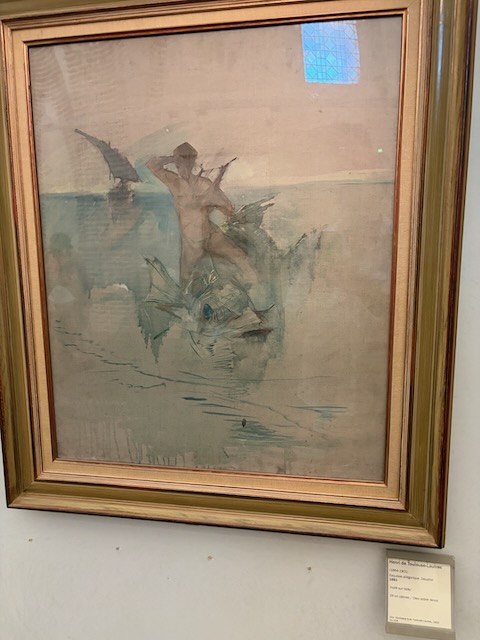
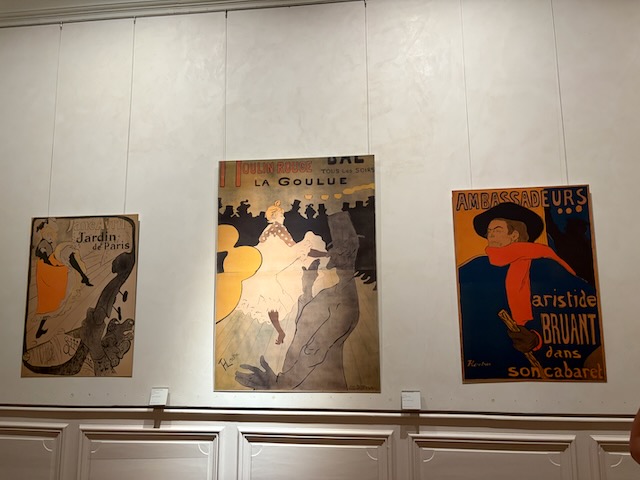
Anyway, as an artist he had to make a living because most of those historical painters’ artworks only went stratospheric in price until after they died, and he didn’t want to do that yet, so as you can see in the picture on the right he also painted advertisements for toilet paper companies.

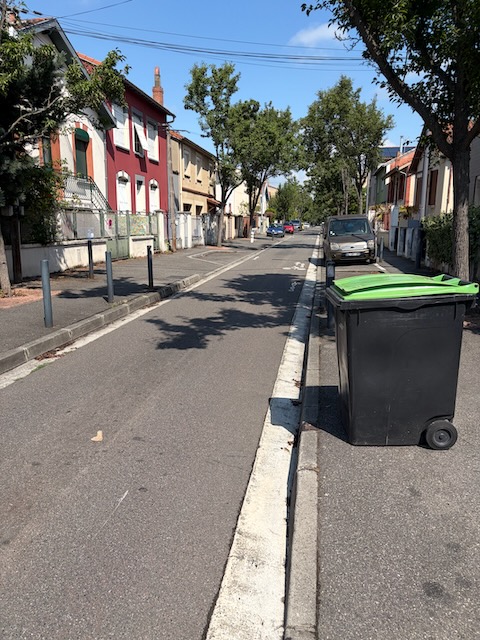
I rented a small flat outside Toulouse on this semi-charming street, although the apartment wasn’t flat at all so I don’t know what the Brits go all on about. My gracious new landlady gave me instructions on getting into town, recommending I take the subway rather than pay the exorbitant prices for parking. It turns out Toulouse mass transit is so simple even a mass transit moron like me was able to figure it out, and so off I went to see the sights.

Per Google: Toulouse is the fourth-largest city in France and the capital of the Occitanie region, located in the country’s southwest along the Garonne River. Known as La Ville Rose (the Pink City) for its distinct terracotta brick architecture, it is a major hub for Europe’s aerospace industry, a lively university town, and has a mass transit system that even morons can figure out.
Also, it’s sister city is Toutight.

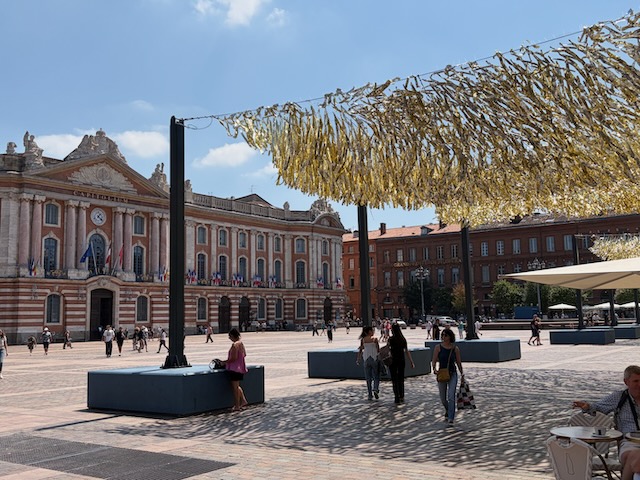
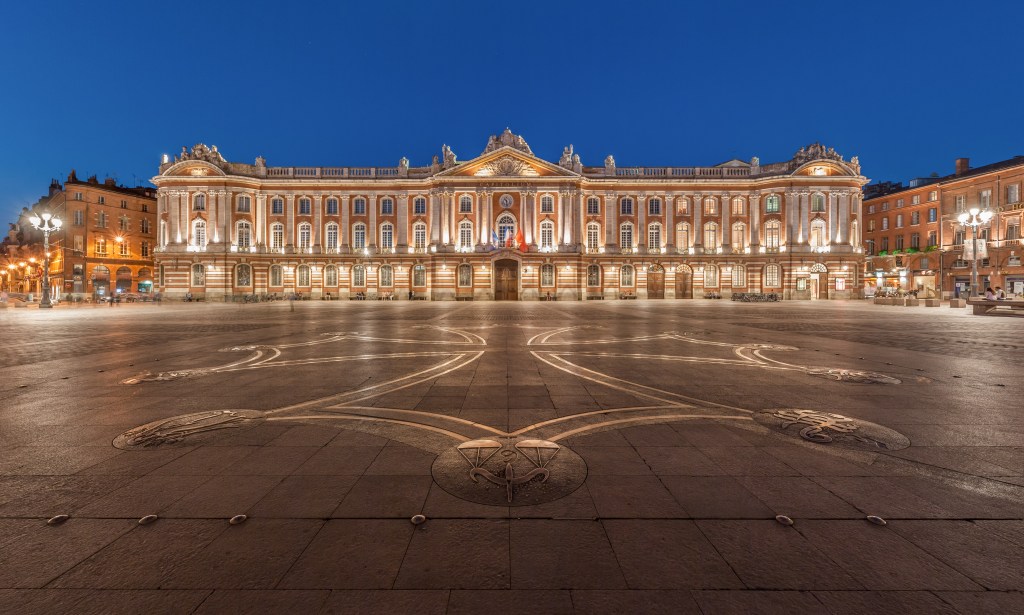
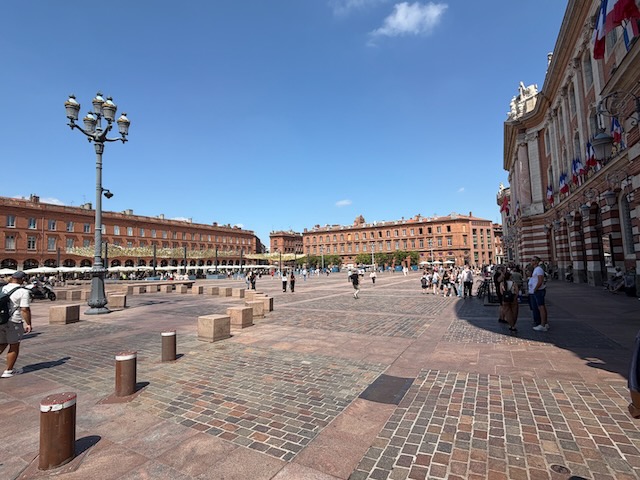
The subway dumped me out right in the middle of Toulouse’s most popular area: Place du Capitole, the large central square housing the city hall. There’s also a museum in there called the Salle des Illustres, but I didn’t visit it because, well, I don’t actually know why. I wandered the streets of Toulouse all afternoon and thought I’d gotten the gist of things, but I also had planned to go back on the tail end of my trip since I planned to drive all over southern France and return to Toulouse for my return flight, but upon my return I just didn’t feel like going back into Toulouse. Man, I’m such a lousy travel blogger. But hey, how many travel blogs have you read that talk about dildos? So yeah, at least I have a niche market cornered.

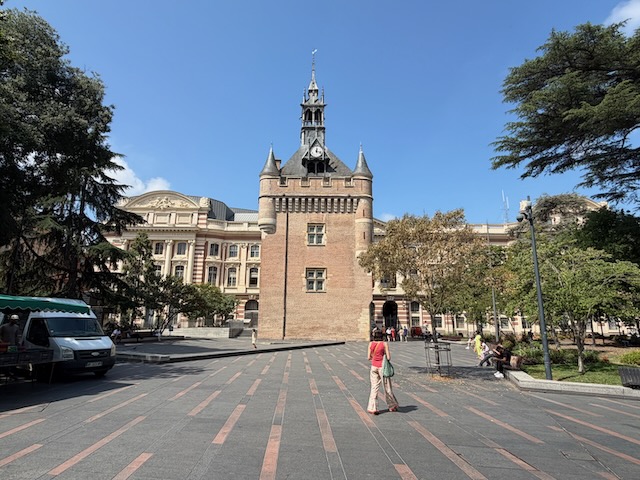
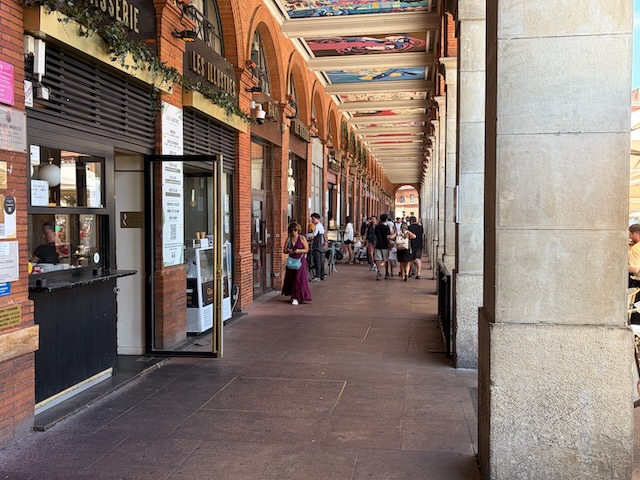
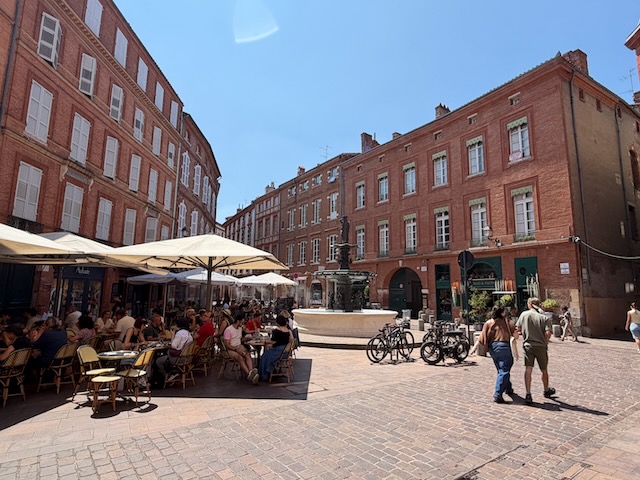
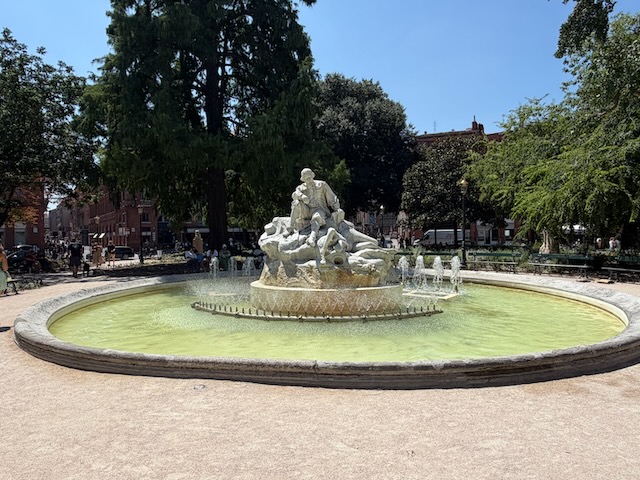
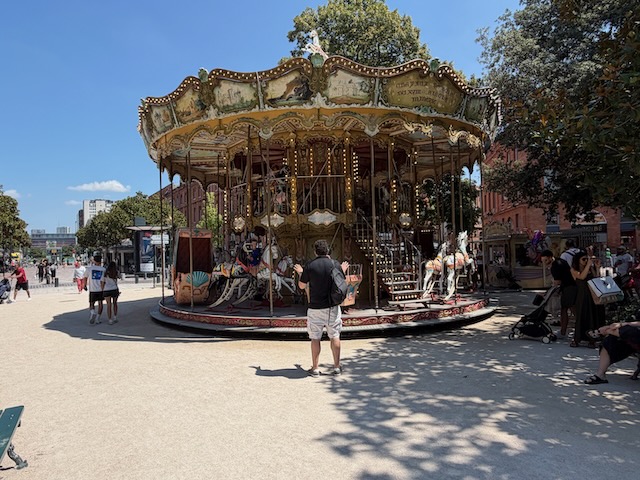
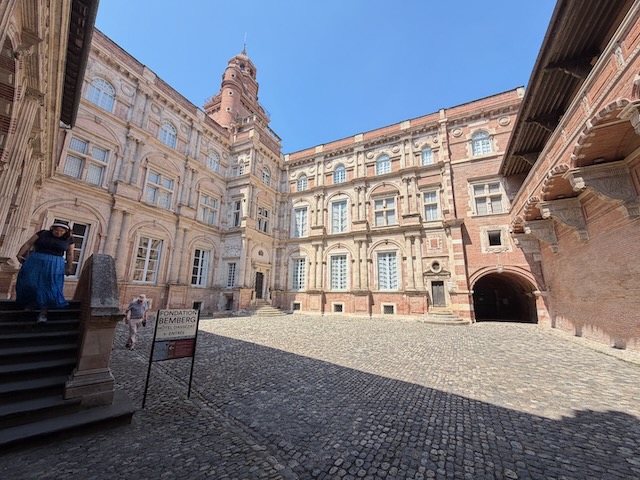
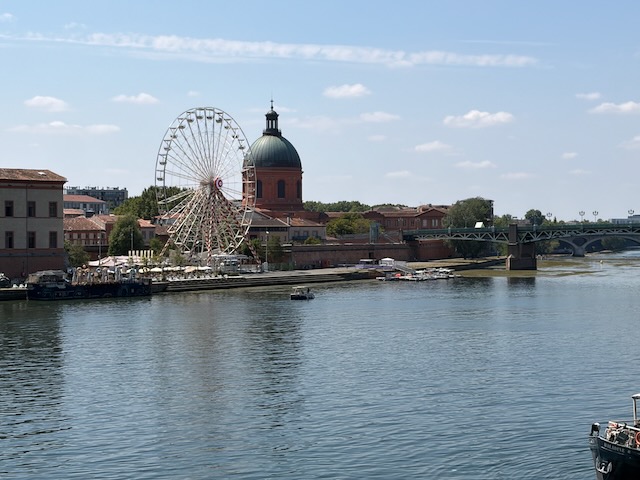
I’m lumping all these photos into one gallery just to give you the flavor of the city. The top three photos could have had 100 more added with essentially the same look. To me, Toulouse is like a small medieval town except a whole lot bigger and without a castle. I simply wandered the streets to and fro, marveling at how beautiful street after street was. I came away thinking it really would be a nice place for a romantic getaway. The city is absolutely charming everywhere you turn, and when you combine that with French cuisine and plenty of shopping, well, I can see a happy couple enjoying a weekend here; unless one of them likes to shop a bit too much and the other ends up irritated and then they have a big fight and don’t speak to each other for the rest of the trip.

As a lone traveler I get to dodge that risk (although I did lose a couple of arguments I had with myself), but I was once again a little miffed that so many of the French women (okay, all of them) abruptly and sometimes even rudely turned down my repeated requests for a french kiss. Even the ugly ones! I mean, what good does it do to have a whole kiss named after you but you refuse to do it? Hmmph. I couldn’t even find any bread labeled French Bread in the grocery store. Also, I ordered French Toast at a restaurant and all I got was toast. These French are scamming us, I tell you.

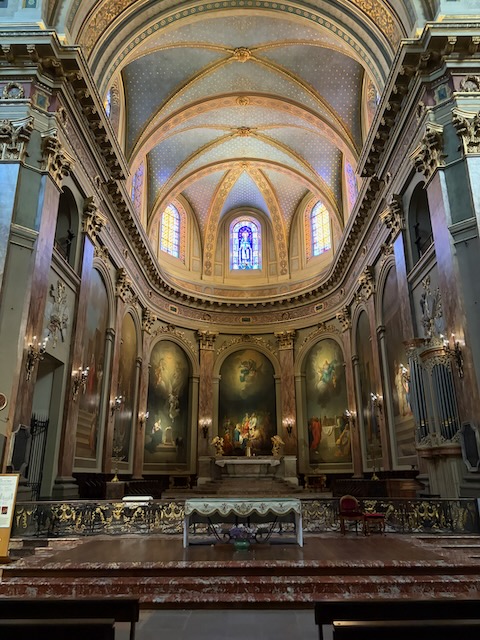
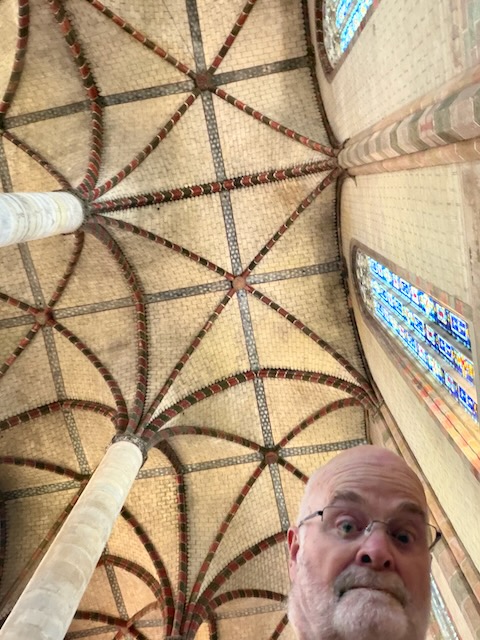
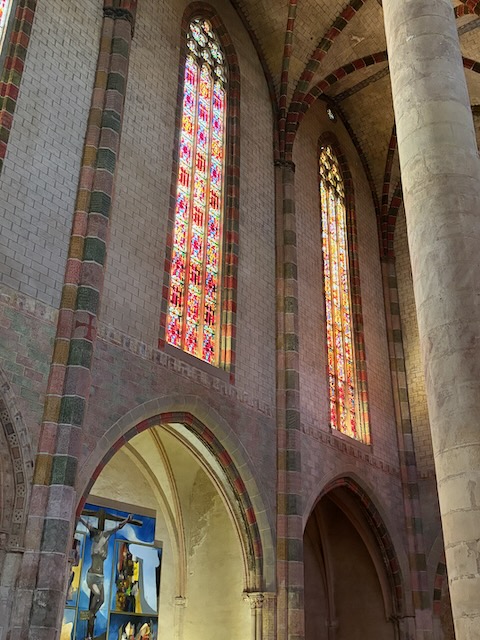
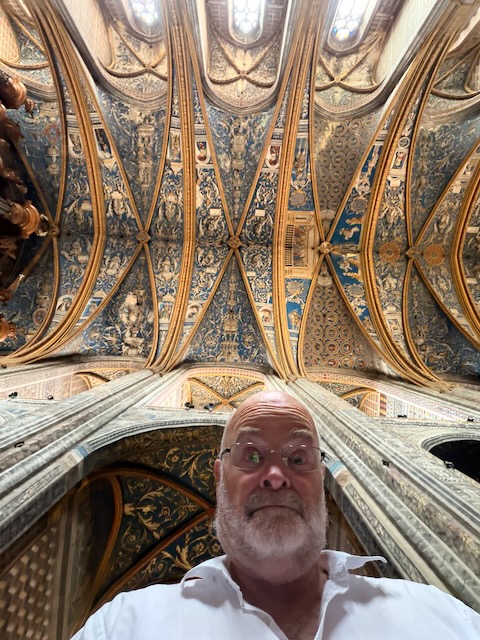
As usual, there were plenty of must-see cathedrals. Nowadays, after having seen approximately one million and thirteen cathedrals in Europe, I tend to pop in, snap a photo or two, and maybe ask God how he and the missus are doing, and then scamper back out into the sunshine. On one hand, they are beautiful and magnificent examples of the kind of architecture humans were capable of creating hundreds of years ago, with ceiling heights that go all the way to the top, but on the other hand they do all look pretty similar. Plus I get annoyed that religions invested so much money into gaudiness instead of using it to help the poor, or even those worse off, like bad travel bloggers.

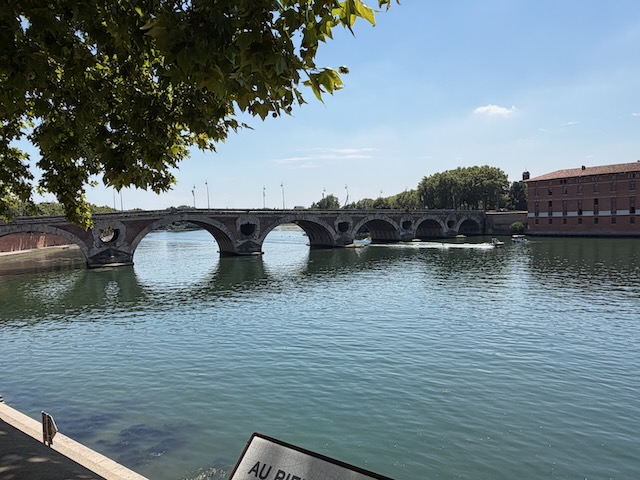
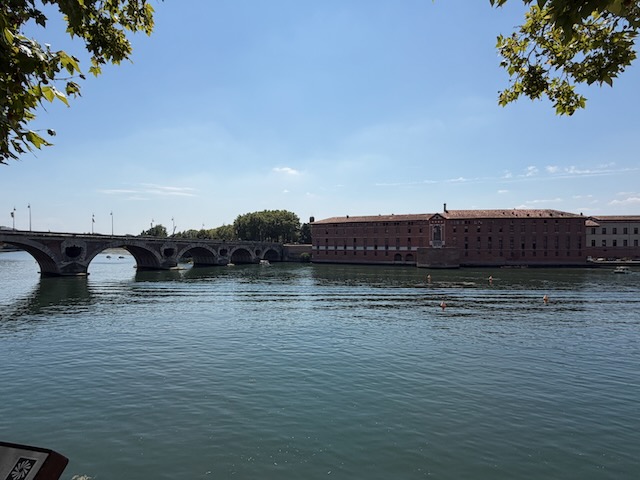
The Pont Neuf, which is French for “New Bridge,” (which doesn’t reflect well on French foresight and intelligence, because it’s pretty stupid to still be calling something new when it’s now lasted almost four hundred years) is a famous bridge despite the stupid name, and was completed in 1632, and is considered a masterpiece of the Renaissance, again, despite its stupid name. Its construction was difficult, especially since they hadn’t invented Bridgemaker 3.0 software yet, so it took 88 stupid years to complete.

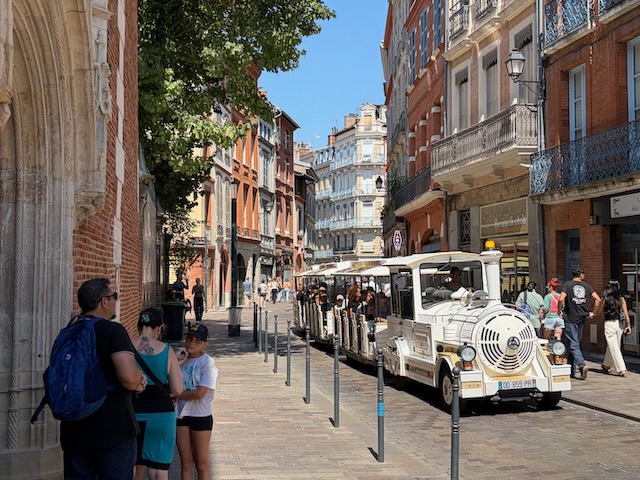
You can always tell when a city is a bustling tourist mecca when they have small trains or horse-drawn carriages to ferry tourists around so the pickpockets can tell who they are. Toulouse also had a lot of bike lanes, a bit like Amsterdam, with the difference being bikers were few and far between, but those who did take advantage suddenly came upon you like bats out of hell. I nearly got run into more than once because I kept forgetting to wave my baguette around before crossing the lane.

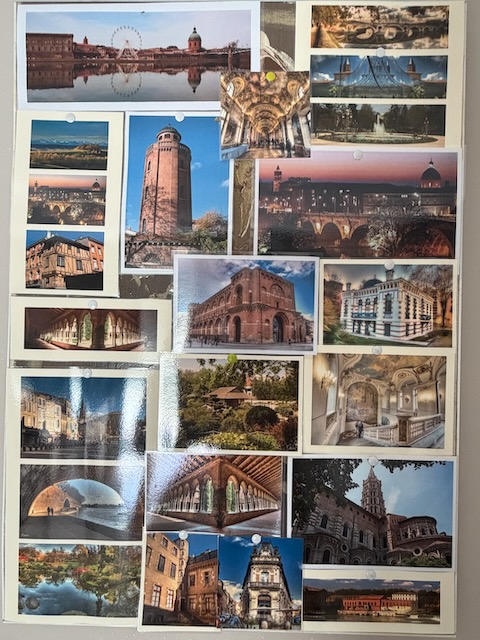
Since I didn’t make it a point to see every last cathedral and old building, I took a photo of a picture mounted in the apartment I rented so there’s no way this entry didn’t cover all the Toulouse sights.

After spending a day in Toulouse I hit the road to set out and explore as many small French towns as ChatGPT offered up, because for this trip I had decided to try using ChatGPT as my tour guide, which mostly worked pretty well. I figured that way at least I wasn’t likely to miss something I should’ve seen. However, since all these little towns kind of became a blur to me and I have no idea in what order I saw them all, I’m just gonna start alphabetically and work my way down. So, first up: Albi.

ALBI

(“I already said Albi.” “I know, but I have to make it look official.” “Okay, fine, have it your way.” “Okay fine.” “Fine.”)

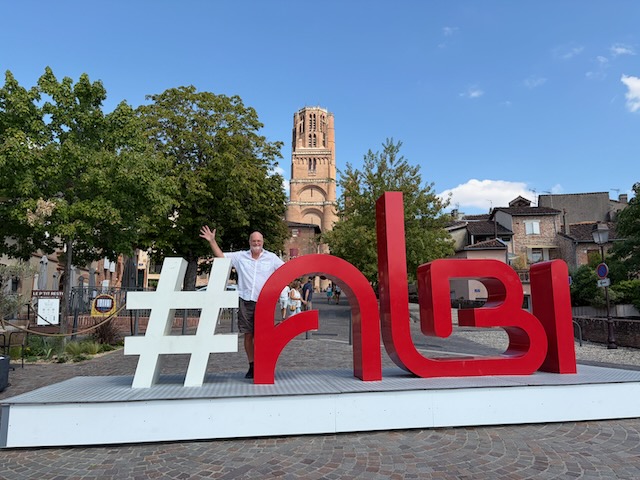
Albi is town of about 50,000 people, whose inhabitants are called Albigensians, not Albinos like I thought. The city is on the UNESCO list of World Heritage Sites.

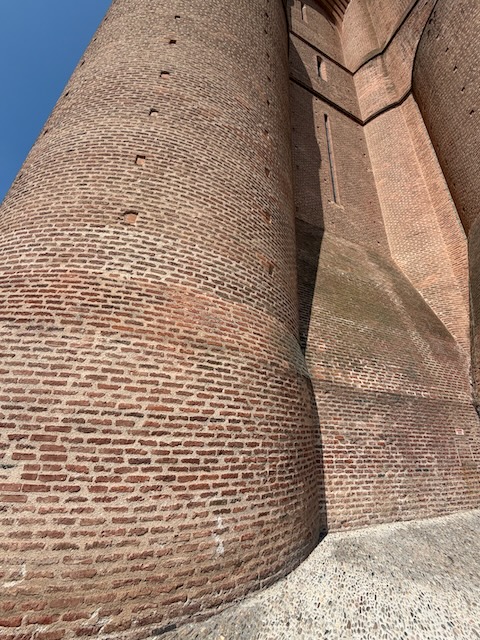
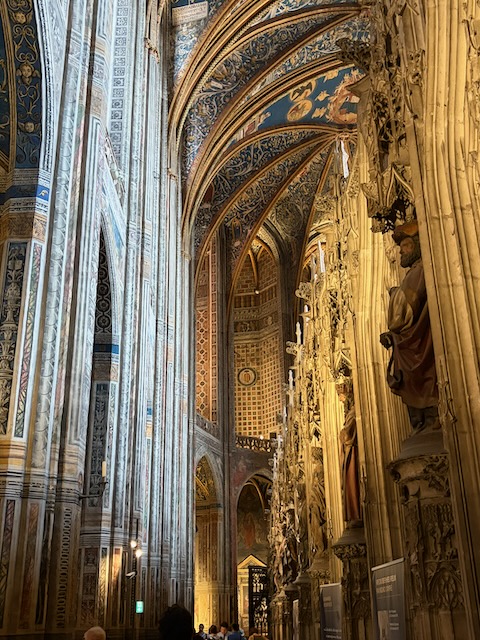
It was easy to tour Albi because all of its most important bits are pretty much in one place. You just have to look for the bricks. You’ll see in a second, but I gotta say whoever was in the brick business when they were building up Albi must’ve brought in a lot of french bread, if you know what I mean. I asked AI to estimate the number of bricks it took to make the whole Albi Episcopal Complex, and it came up with an estimate of around 60 million bricks, 22 million of which make up the cathedral itself, which is touted to be the largest brick building in the world. If you laid 60 million bricks in one perfectly straight line, the line would reach around the Earth more than 300 times. All together, the bricks would have the mass of roughly 730 Statues of Liberty, or 120 same-sized statues of Trump, although none of the contractors would have been paid for that work, as is his habit.

Rumor has it that when the pope asked for a quote for the entire project, when he saw the bill he said, “Well I’ll be,” and his assistants thought he meant the name of the whole city should be changed to Albi. Etymology is a passion of mine, you see.

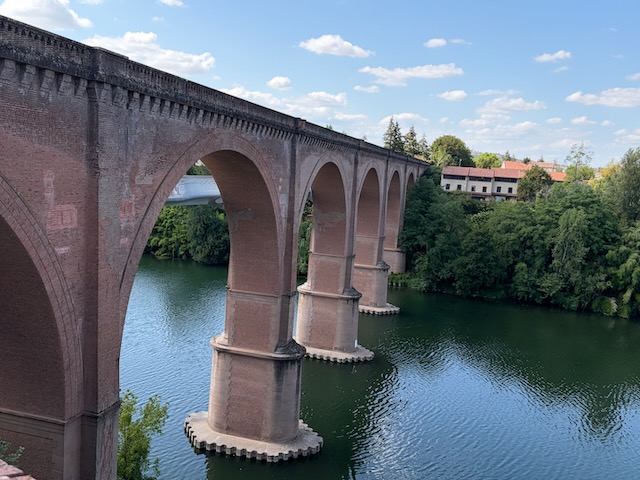
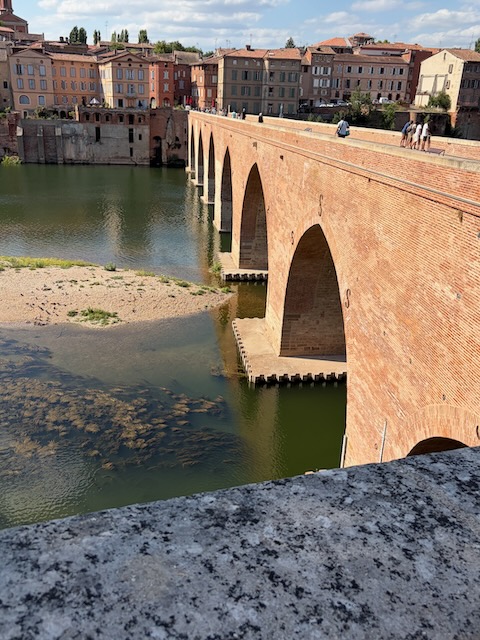
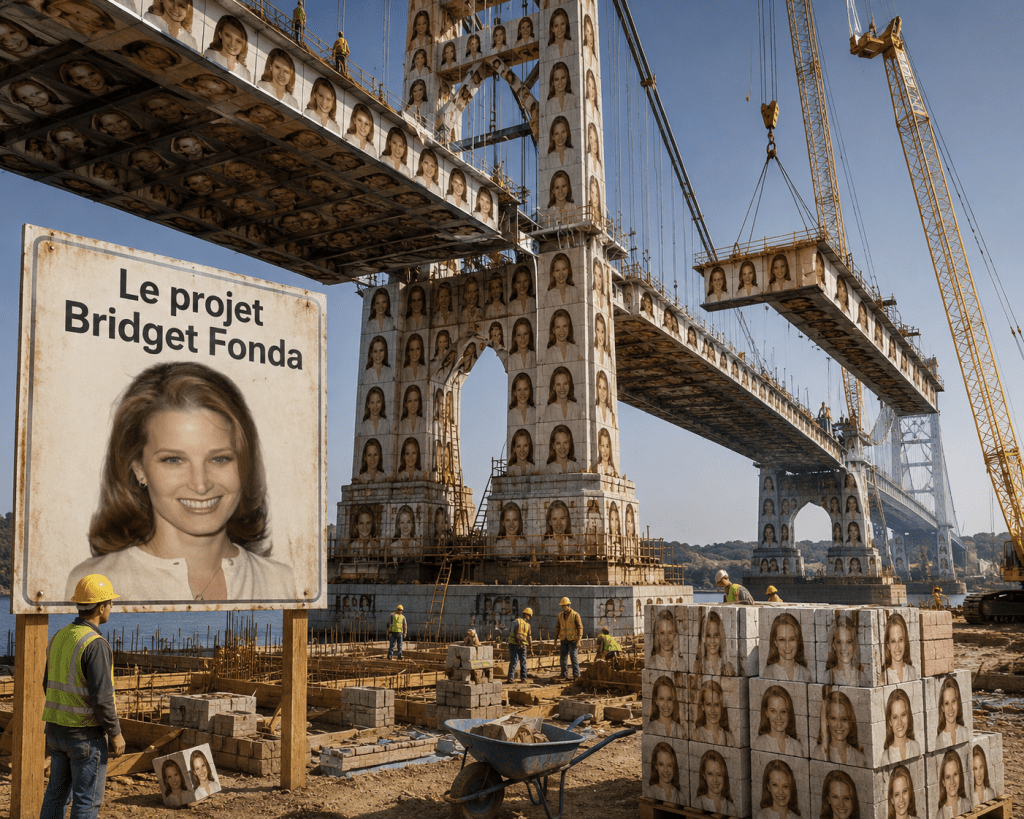
As you drive into town the Big Ass Cathedral (aka the Cathedral of Saint Cecilia of Albi) dominates the skyline, as I’m sure was intended. Albi also has a New Bridge as well as an Old Bridge, apparently the French naming stupidity wasn’t restricted to one town. I mean, c’mon, they could’ve gone for Pristine Bridge, Contemporary Bridge, Modern Bridge, Newer Than The Other Bridge, or even Bridget Fonda. If I ever build a bridge I’m gonna name it Bridget Fonda.

Above you can see I took pictures of three different bridges. One of those is the New, one is the Old, and the other is the Forgotten Middle Child. It’s up to you to figure out which is which, if you must. But if you do get musty, and get it right, you qualify to receive… ta da! A free autograph from me.*

*As long as you send me the request with a self-addressed-stamped envelope and whatever you want signed plus a twenty euro or twenty dollar note (either is fine, I’m bi-currency, to the chagrin of my parents) to cover processing fees and a donation to climate change or maybe Taco Bell or something.

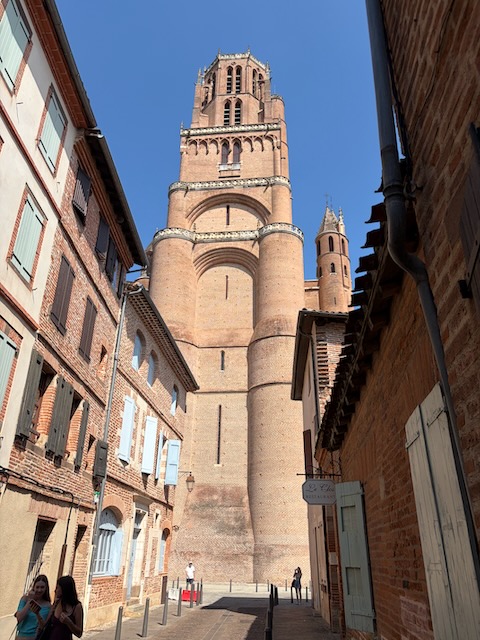
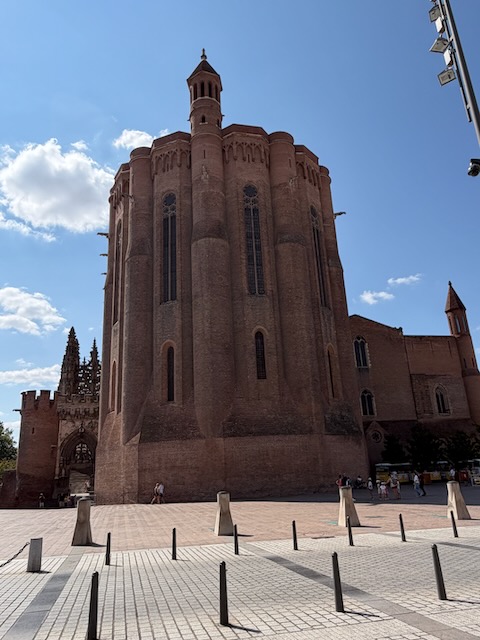
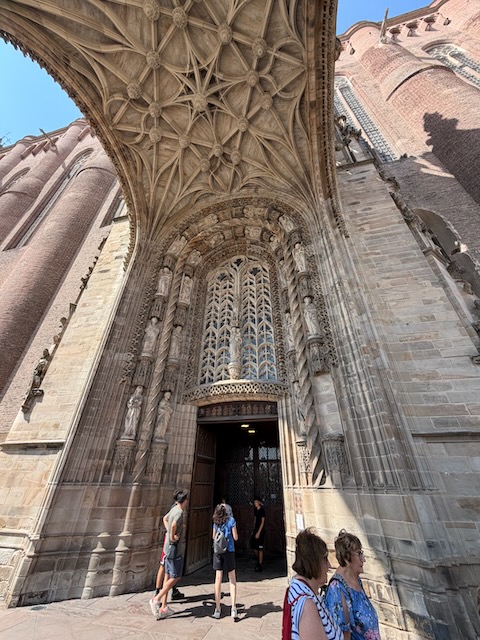
Here you can see the cathedral in all its bricky glory. From left to right, I took a picture so you could see all the bricks, the next photo goes all the way to the dome… oh wait, that’s my dome. The next is of the Taco Bell Tower. (For some reason as I write this I got in the mood for a burrito.) And that fortress-looking thing in the last picture is the cathedral itself. 22 million bricks. If you had to take inventory of 22 million bricks and counted one per second over an eight hour shift, working six days a week, it would take you almost two and a half years to count them all. And that’d just be for the cathedral. For the whole complex, it would take over six and a half years. And that’s only if you took no vacations or sick days, like an American Taco Bell employee.
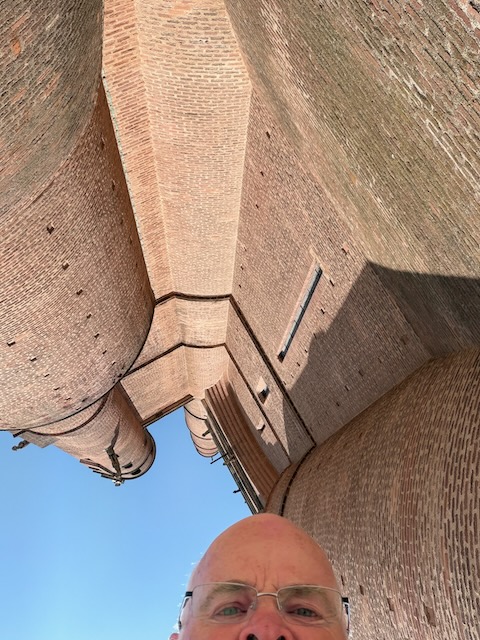
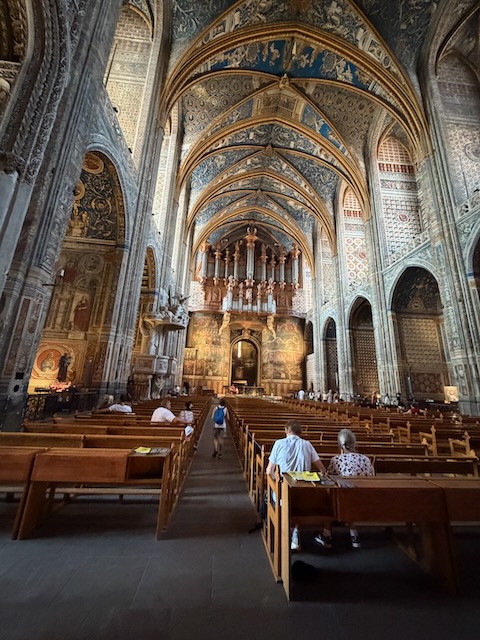
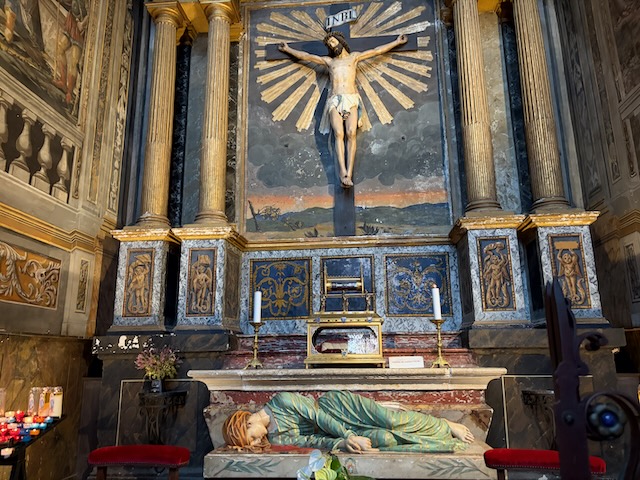
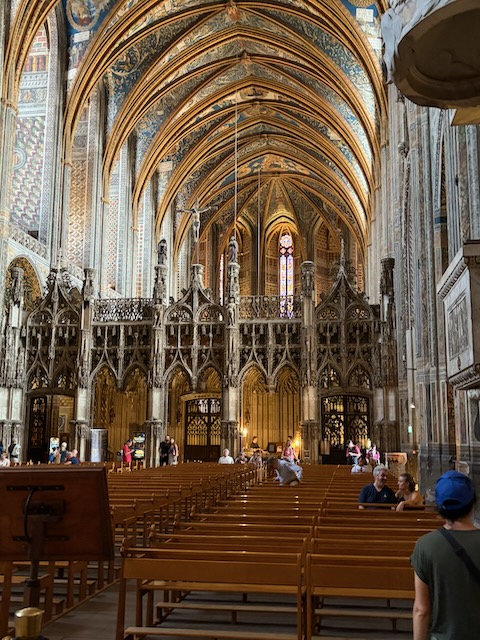
The inside is as ornate as you might expect. Construction was begun in 1282 and took over 200 years. The completion of the 78 meter-high tower was finished in 1492, the same year Christopher Columbus was searching for… a way off his boat before his disgruntled crew killed him for being such a lousy navigator… and for not offering tacos for lunch.

Right next to the cathedral is the Musée Toulouse-Lautrec art museum, dedicated mainly to the work of the painter– you’ll never guess this: Henri de Toulouse-Lautrec– who was born in Albi. The 13th-century building in which it is housed was originally the palace of the bishop of Albi.

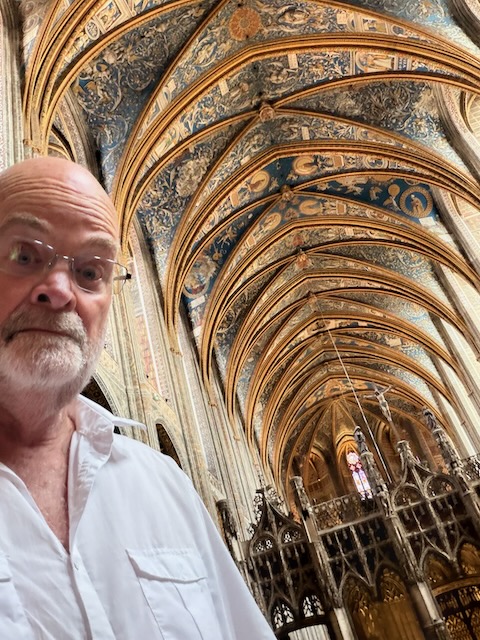
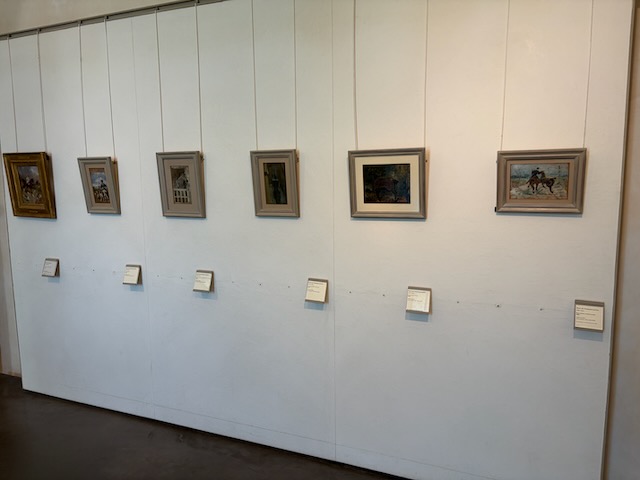
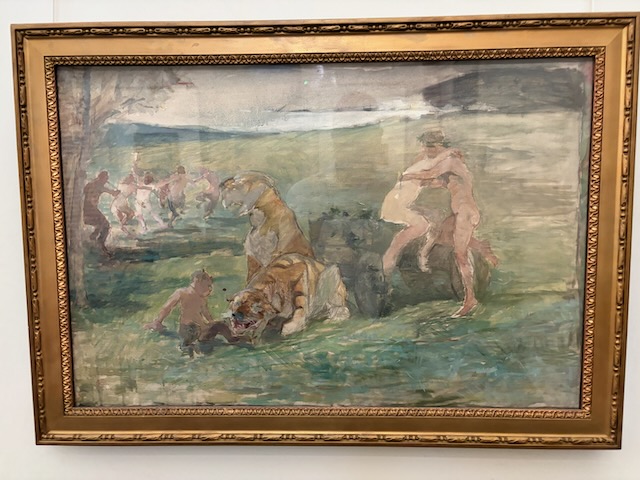
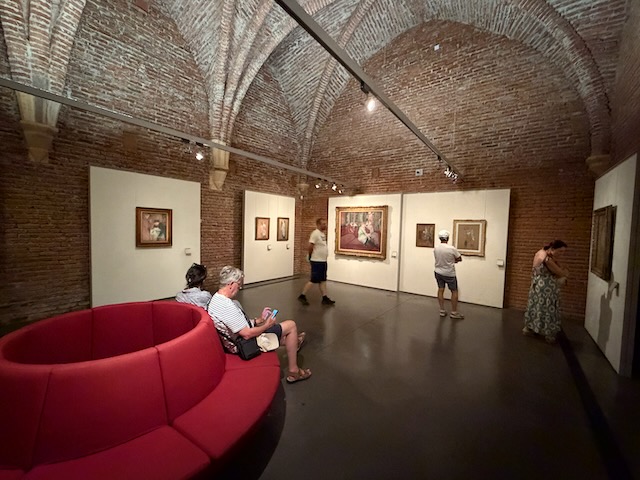
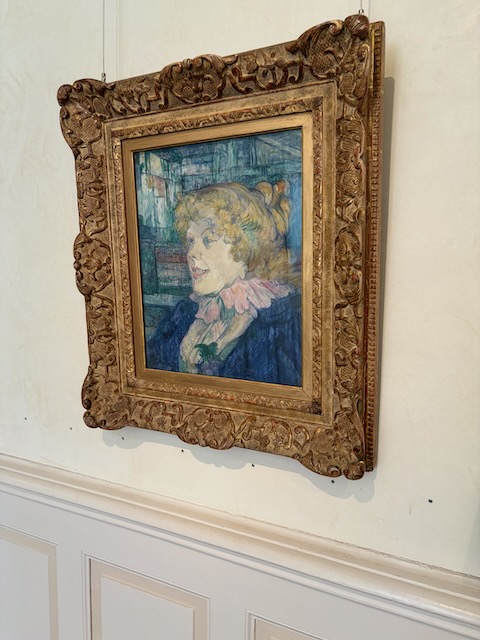
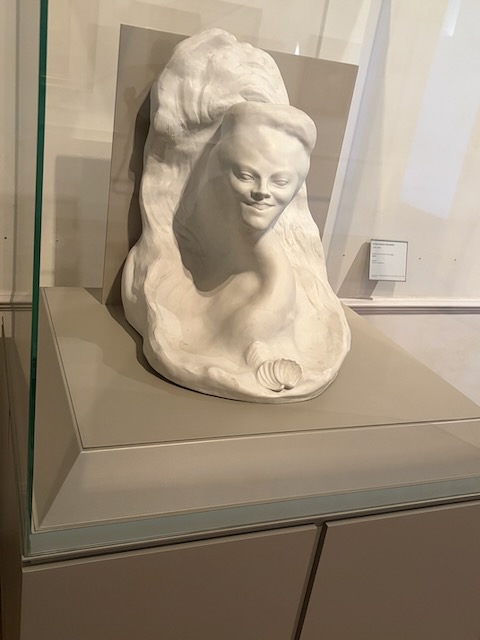
I decided to go into the museum so I could become an expert on Toulouse-Lautrec, but I quickly realized I really didn’t give a shit, and so I snapped some shots and exited before they figured out how I had snuck in. I did see a few paintings and statues of naked ladies though, so it wasn’t all a waste of time. The white sculpture of the woman wasn’t actually made by Lautrec. She just reminded me of an alien in a sci-fi movie I can’t remember the name of. She looks like she has a giraffe-like alien neck, although I think it’s supposed to be her shoulder. Anyway, if you want to guess the movie and send it to me, I’ll give you the same autograph deal I mentioned above, even if you’re wrong. But don’t forget the twenty bucks.

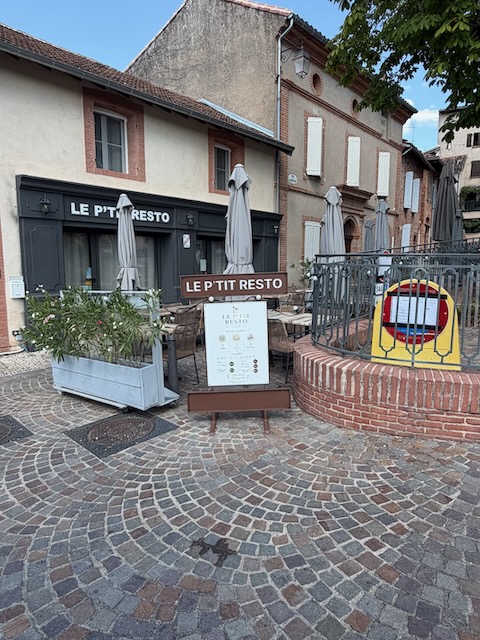
Speaking of naked ladies, I’m a little confused as to whether they allow you to eat while resting your head on a woman’s breast, or if they specialize in breast meat from whatever animal a “Le P” is. They were closed, which sucked, so I had to nip my research in the bud and go off to milk jokes from another areola of the city.

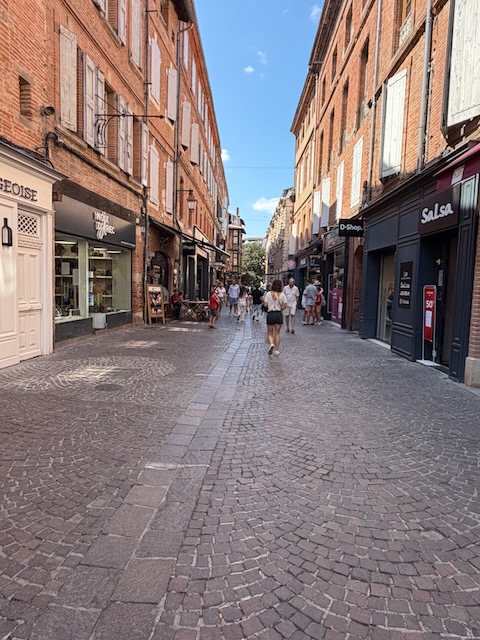
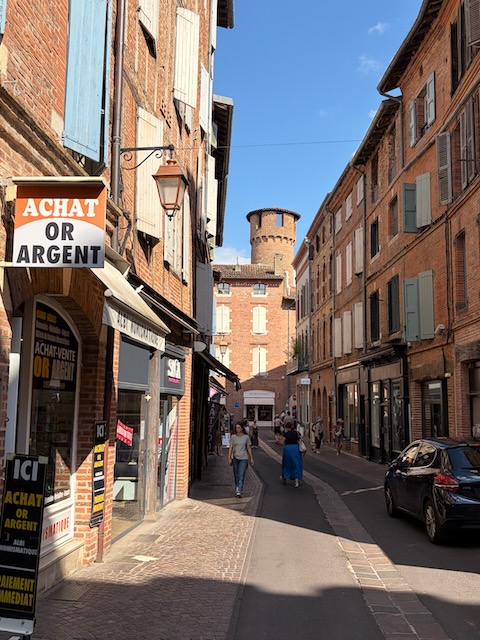
The town surrounding the cathedral complex is very cute and just as brickalicious as the cathedral. It was actually a lot like Toulouse except not nearly as big and with a different name. In the last picture of the above group I saw that sign: “Achat or Argent.” Now, I know Argent, they had a killer rock song in 1972 called, “Hold Your Head Up.” I’ve never heard of the band Achat, so I know I’d vote for Argent, but I figured the whole voting system would be in French so I didn’t bother to vote.

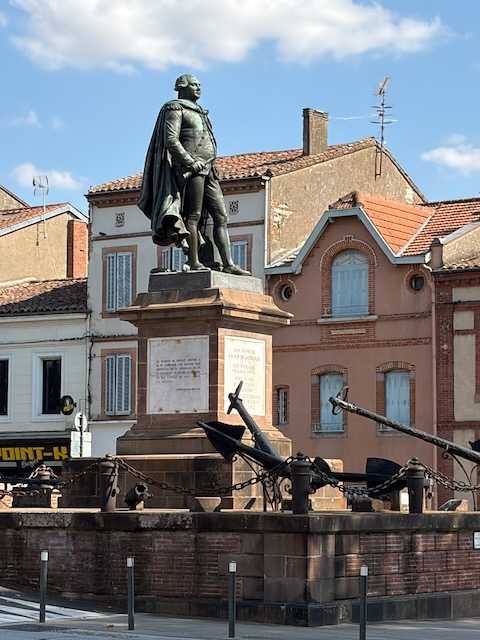
This is a statue of some guy.

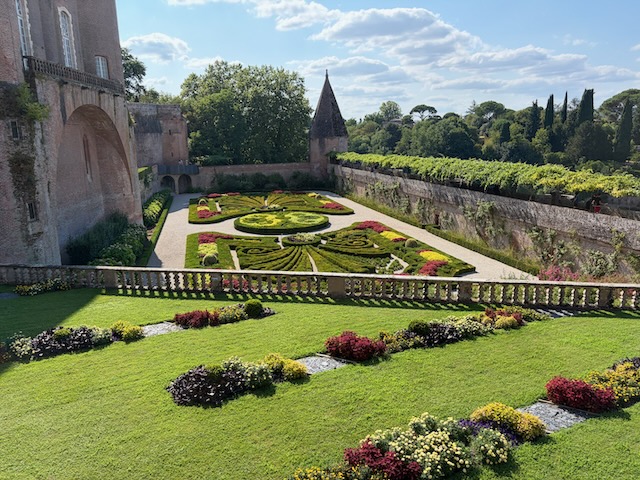
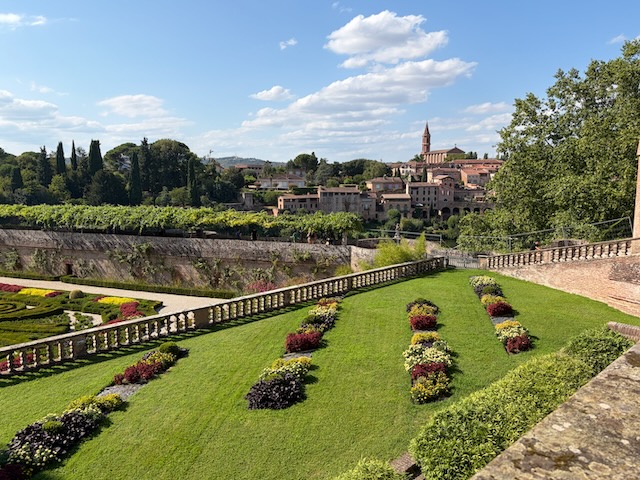
Behind the cathedral is this beautiful garden. And Aaal-be, that’s all for Albi.

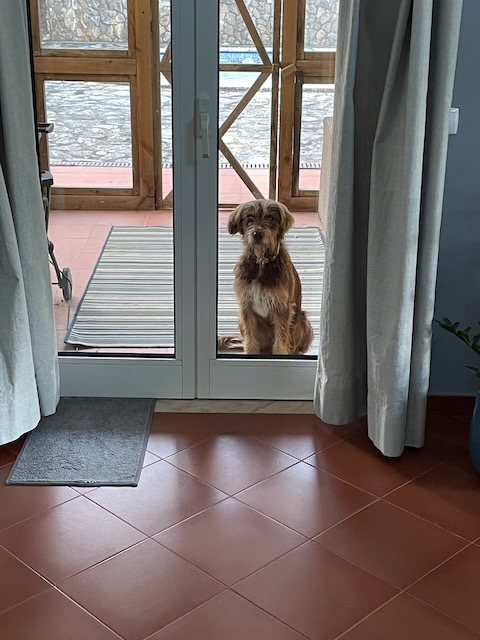
Okay, I know we only got to the “A’s,” but this all seems long enough for one entry. Although I will close on something I found to be rather cute and endearing. If you’re a regular reader of this blog, you’ll remember that not so long ago I did an entry on my neighbor’s dog, Mel, who adopted me as her best friend and quickly made herself a mainstay of my daily life by hopping over her owner’s fence and then hopping over mine virtually every day. Most mornings I’d walk out of my bedroom to find this scene at my door:

Well, while I was gone she would still jump over both fences and I suppose wonder why I wasn’t coming out to greet her. Her owner sent me the following photo while I was away, taken after they went looking for her and tried to bribe her to jump back over the fence. But she wasn’t having it, as you can tell by the look on her face. It was heartbreaking and heartwarming all at the same time.

It’s nice to be loved.

Anyway, we are reunited and she’s happy again!

Au revoir for now, until I post the rest of my French Adventure!

(Scroll down to see previous entries.)