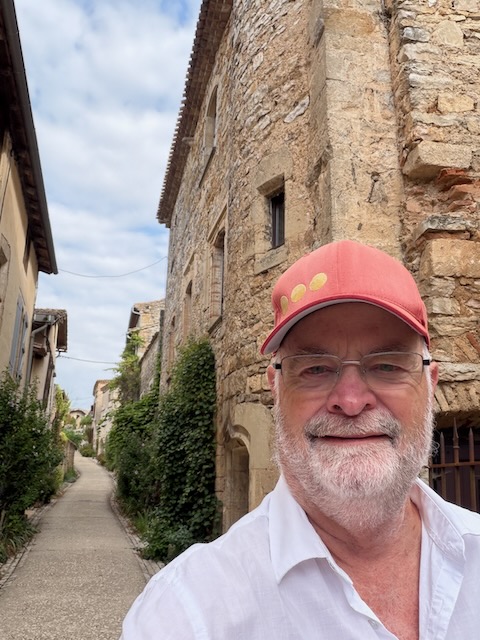
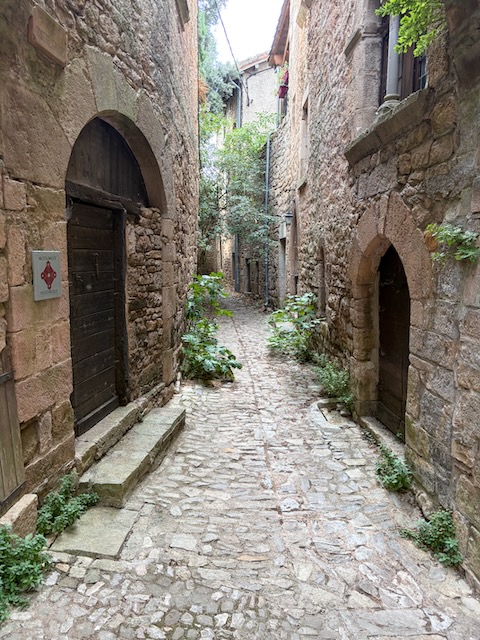
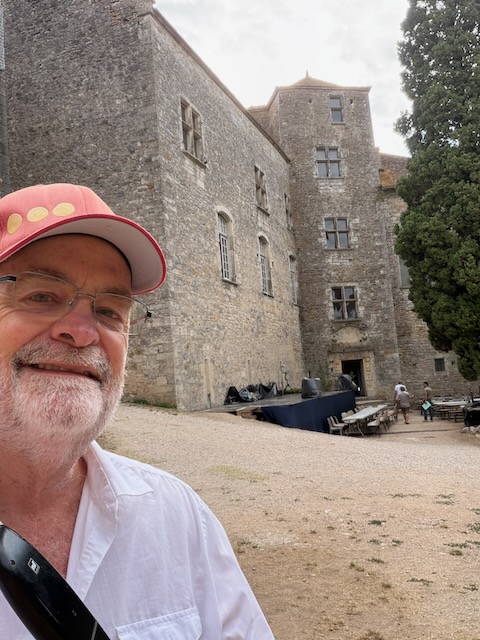
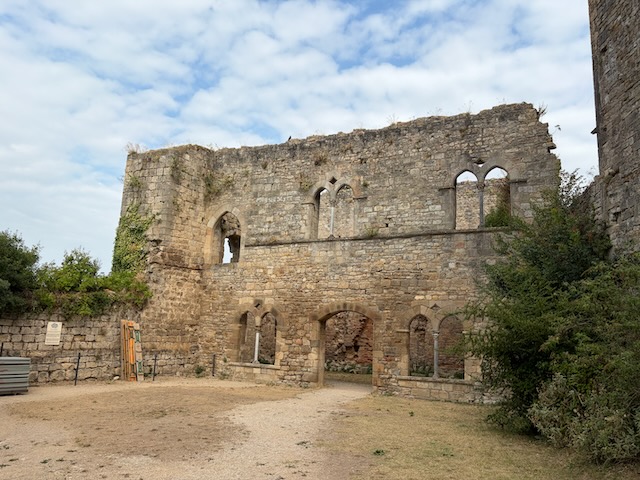
Part two of two of my Expédition Française.
Minerve
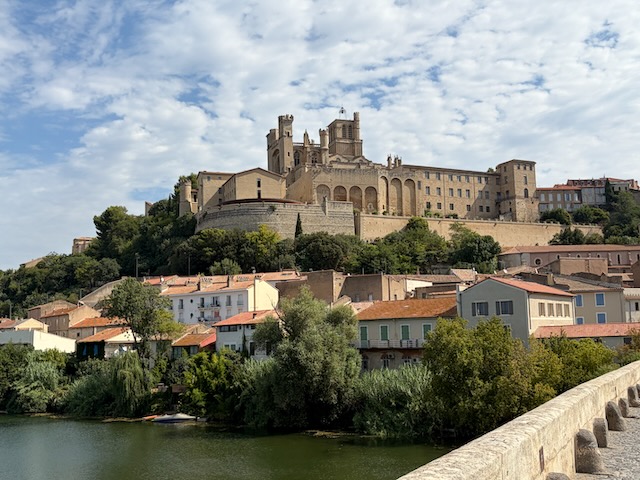
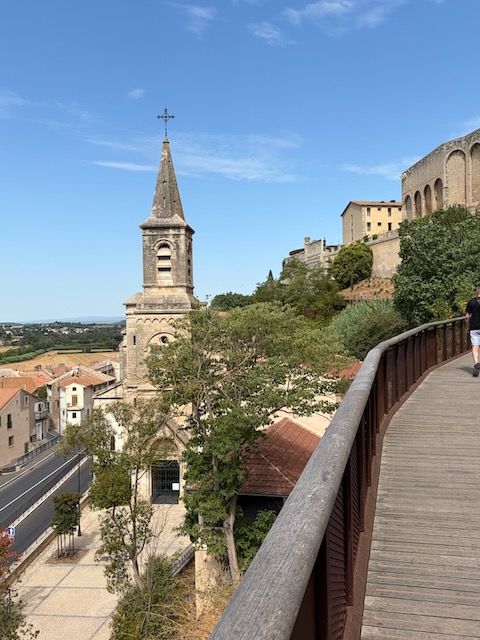
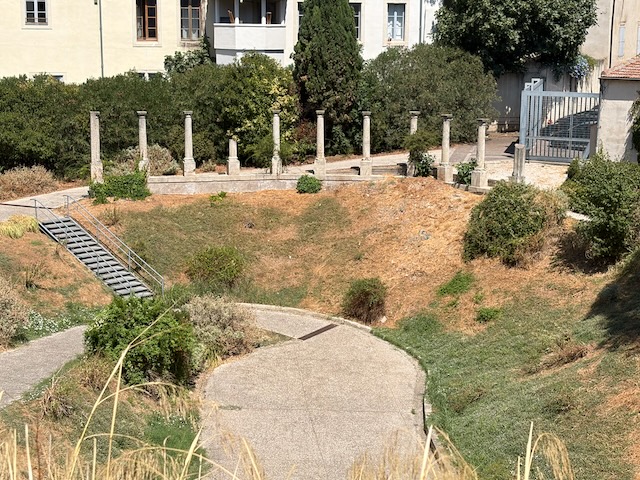
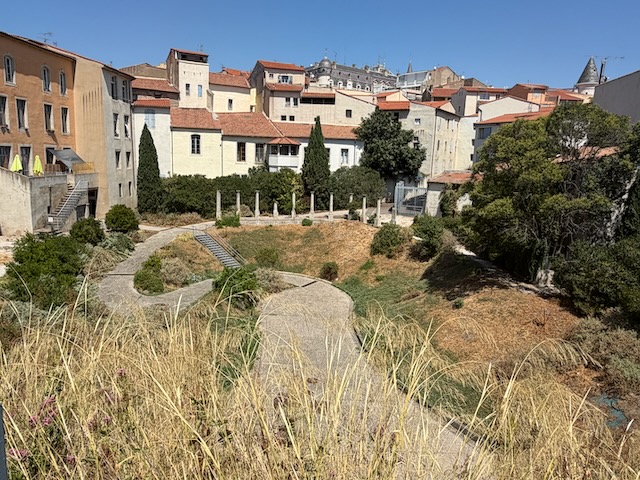
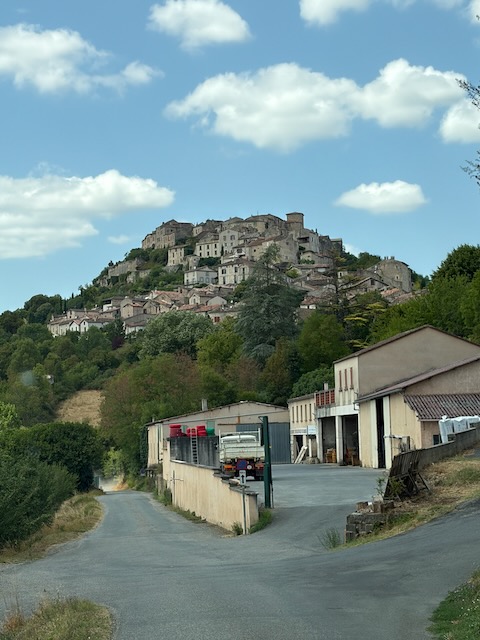
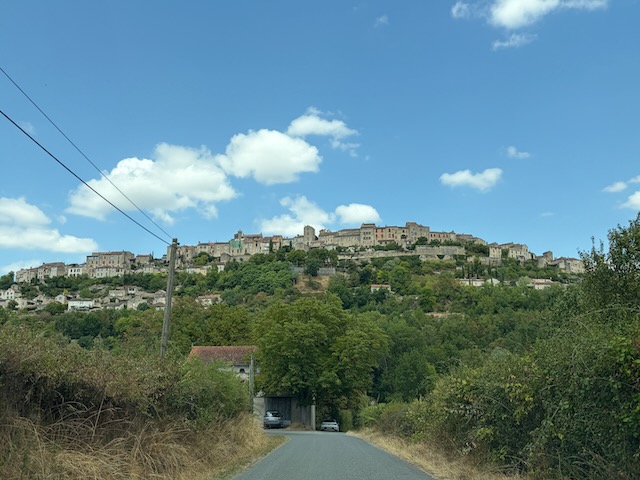
It’s easy to lose Minerve on a map, the village only has a population of 98. It doesn’t even have a castle, and in fact out of all of the original ancient fortifications only a slender octagonal tower, known as the Candela, survives, and I didn’t even know about that until I did some research for this blog, so your guess is as good as mine as to whether I caught it in a photo. I think it’s probably the tall thingee at the bottom of the path below.
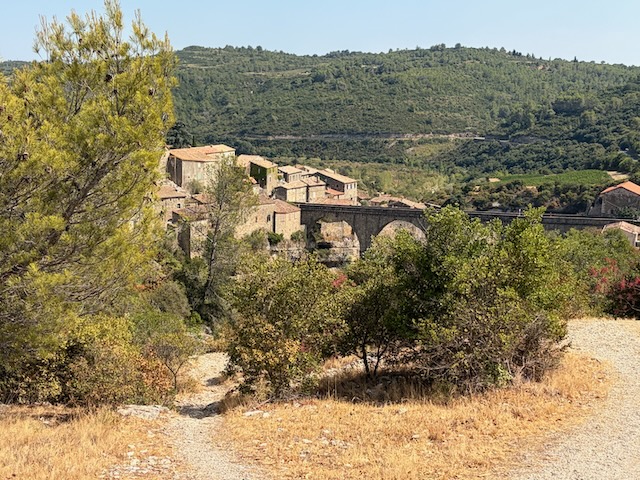
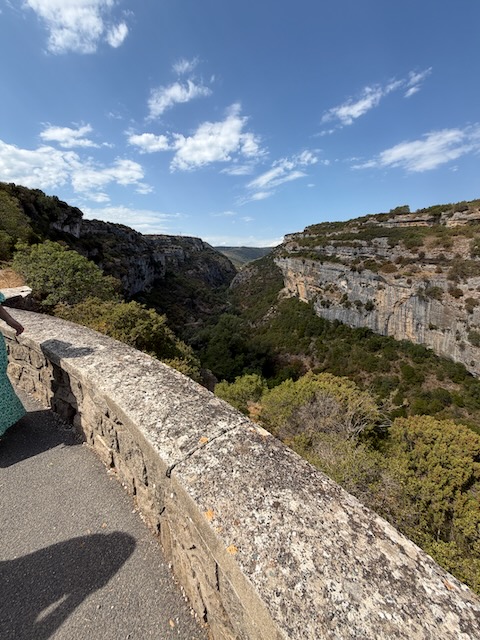
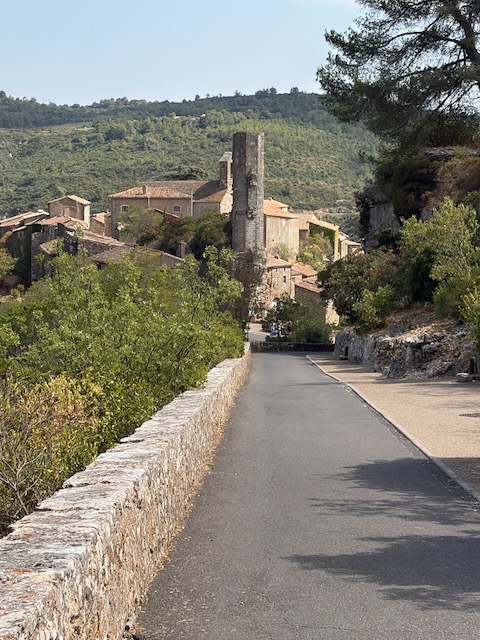
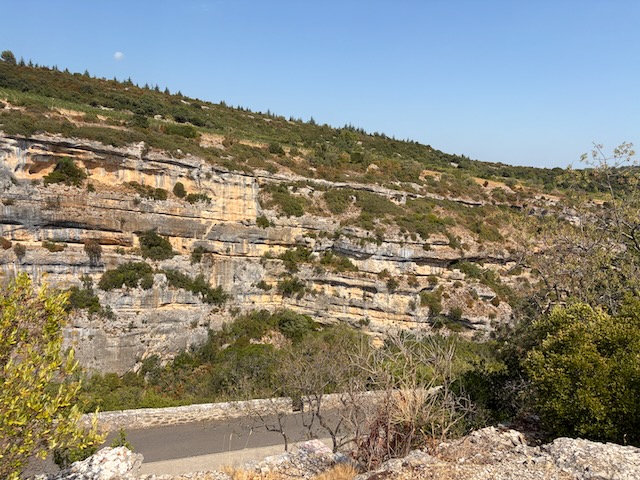
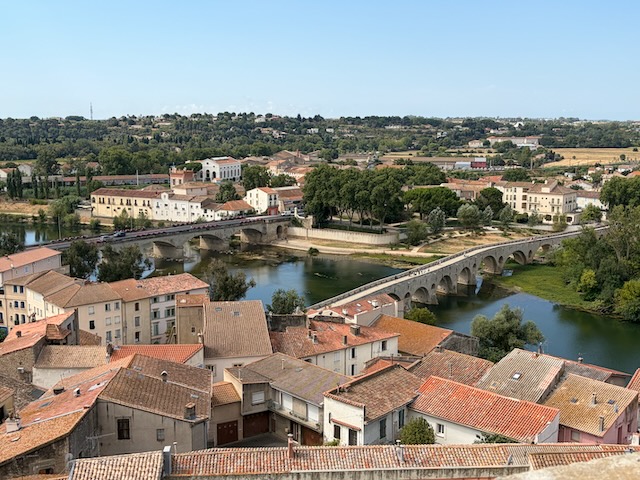
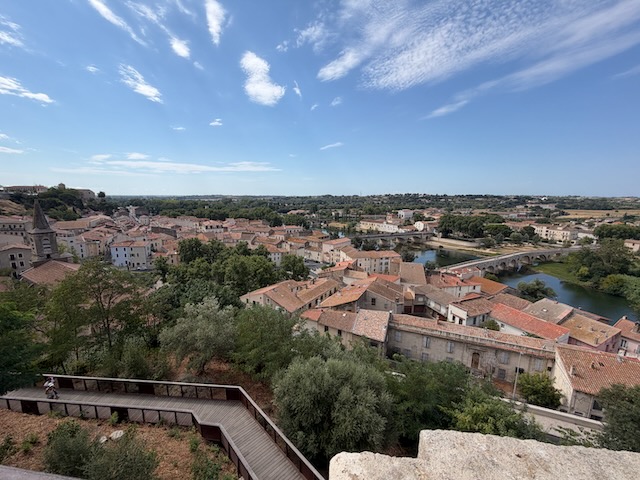
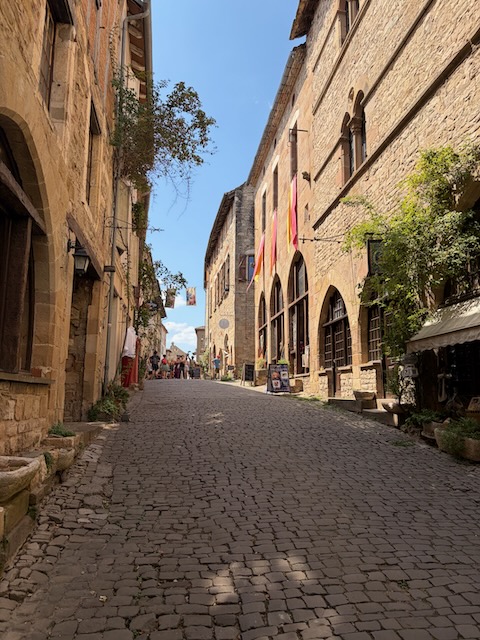
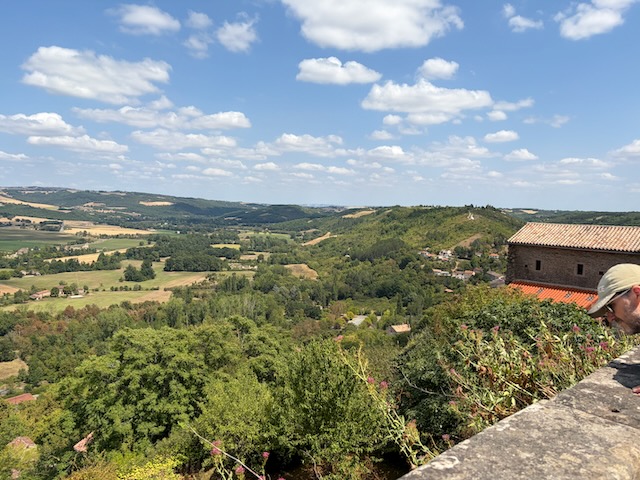
Minerve is so small that only its residents are allowed to drive into town. The main bridge leading into the village is closed to all passenger vehicles not owned by residents, so visitors get to walk a steep path into town, albeit one that oversees a striking vista with cliffs that display some interesting geologic strati. These pictures really don’t do it justice, which is probably a good thing, because if we ever get to a time when our media really can make us feel like we’re really there, then no one will want to travel at all. Which might sound good to some of the beleaguered residents of the world’s most popular tourist destinations, but it’s also a great way to return to the days of worldwide ignorance or hostility toward different cultures, which is already enough of a problem as it is.
The village is historically interesting too, especially in relation to my last entry where I talked about the massacre at Béziers in 1209. Because of that attack, a group of Cathars sought refuge in Minerve, which is about 50 kms away. But the Crusaders quickly caught up with them by ignoring all the 50 km speed signs, and then besieged Minerve as well. The Cathars that were hunkered down in Minerve finally had to surrender after the town’s well was destroyed by a catapult. 140 of the Cathars refused to convert, so they were burned at the stake. That sure showed everyone how great Catholicism was by golly!
(I can never understand why religious zealots get so upset that someone else isn’t going to join them in heaven that they kill them with the belief that they’re sending them straight to hell. Just stop and think about that. On so many levels, it’s perhaps the stupidest –and dare I say one of most evil– things humans have ever done.)
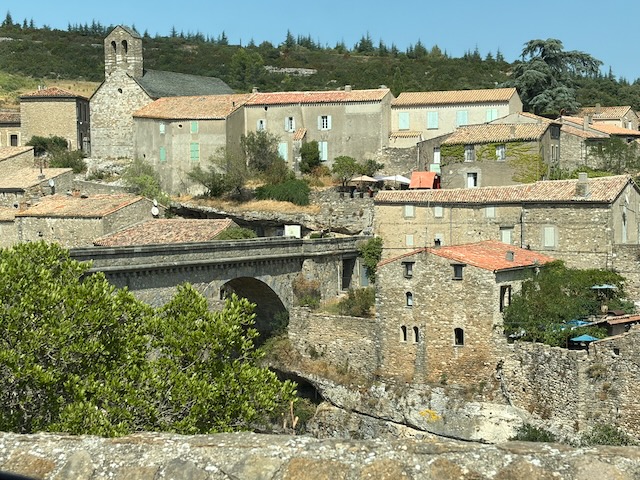
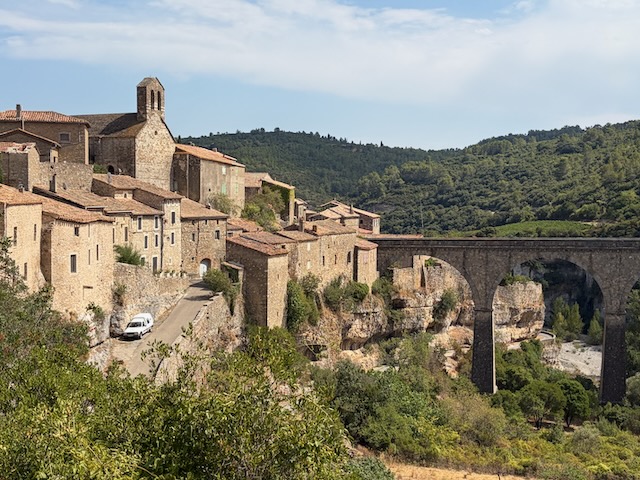
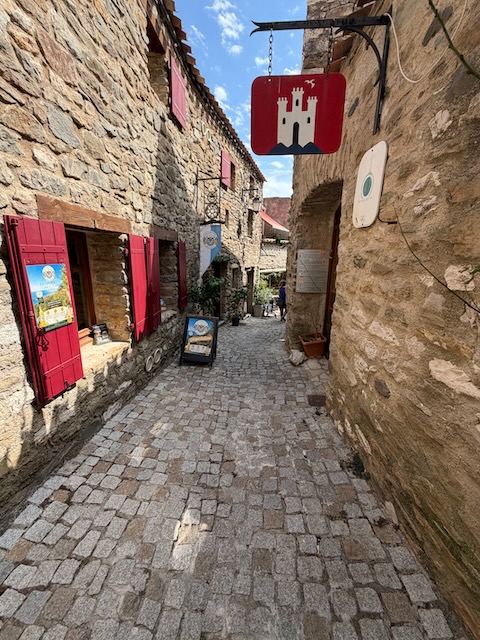
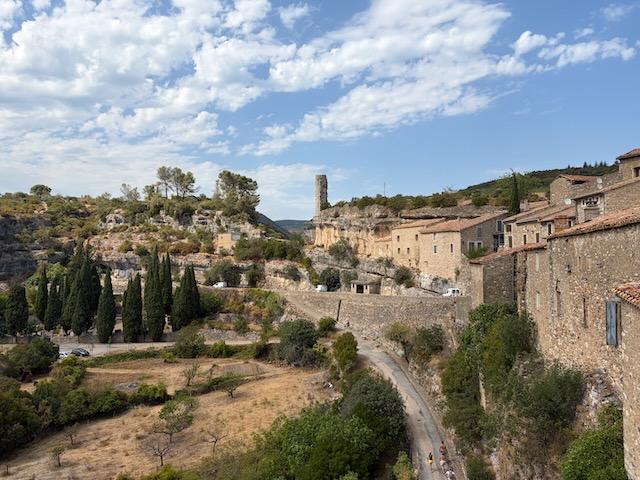
Like Beziers, Minerve is one of “The Most Beautiful Villages Of France.” I’ll agree with that assessment. It was a nice little stopover and a cute little town, even if it didn’t have a castle. There weren’t many shops, and it didn’t require much time to conquer (I didn’t have any Cathars I had to kill so that saved me some time), but it’s really the type of quaint little village I enjoy seeing despite the fact that they had absolutely no refrigerator magnets for sale.
Montségur
An even shorter stop was a place called Montségur, a tiny little town not worth visiting in the least, but rising high above it is a fortification called the Château de Montségur.
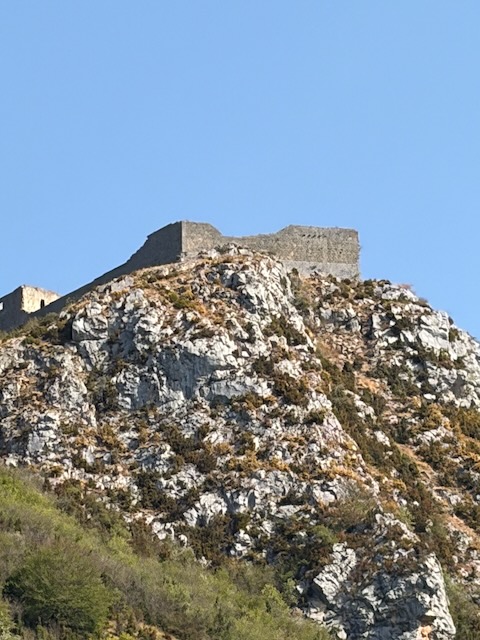
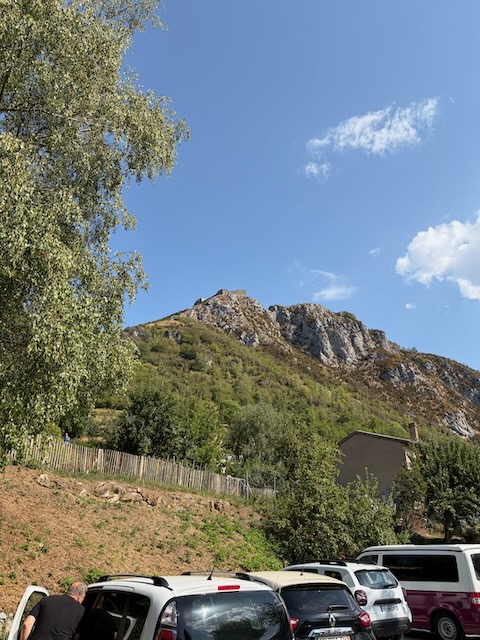
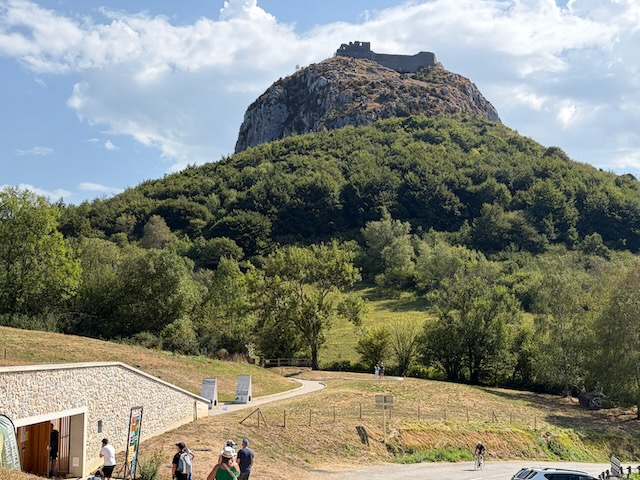
You can climb to the ruins but only after buying a pass, and there was a surprising amount of people waiting in line to get one. But after looking at the height– it’s 170 meters (557 ft.) above the road at 1,200 meters (3,900 ft.) altitude– I decided not to make the stairy trek. The ruins themselves, while built on even more ancient ruins, aren’t all that old and didn’t look quite interesting enough to task my one tired leg, which was weary from holding down the gas pedal.
Montségur does feature an old legend that it was the location of the Holy Grail at one point, but I’m sure the grail flew the coop long ago, and in fact was later lost anyway, just out of the grasp of Indiana Jones.
The ticket office for the path up to the top didn’t have much of a gift shop, and so my refrigerator magnet quest remained unresolved.
Narbonne
Narbonne is a city of about 60,000 residents and features a palace and some cathedrals, but no castle, so I stomped the Narbonne dust off my shoes as quickly as possible in disgust, or would that be disdust? The closest it has to a castle is The Archbishops’ Palace, seen in the photo below.
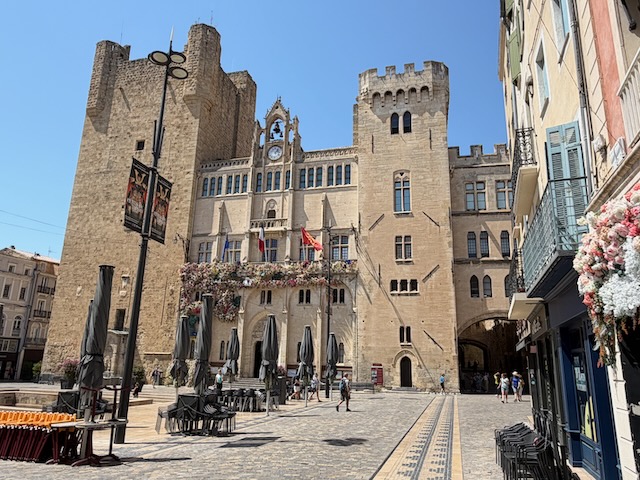
Today, the palace complex houses the town hall in an area with multiple museums that I didn’t bother to go into because I figured they’d just be full of old stuff and I was still annoyed at the lack of castle.
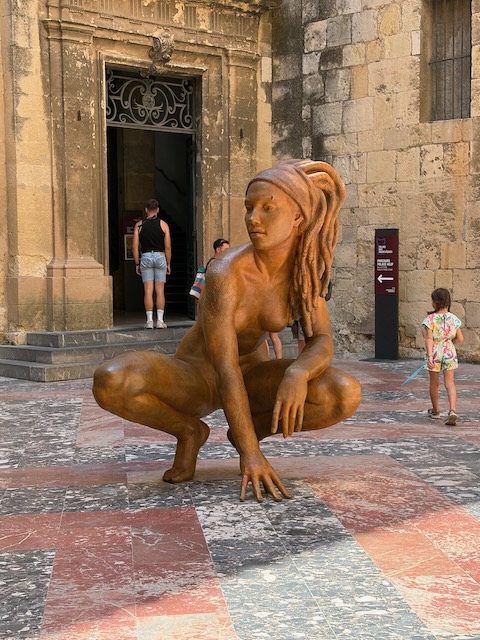
I learned you can tell right where the absolute center of town is by finding this statue of a naked woman taking a dump. Fortunately, they created her without including the, ah, dumpage, so I guess she was just starting. Come to think of it, the color of it makes me wonder if they carved it out of petrified poop. The French are so weird.
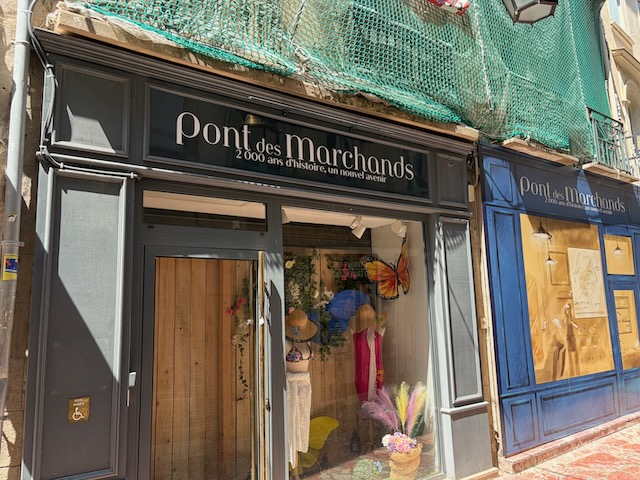
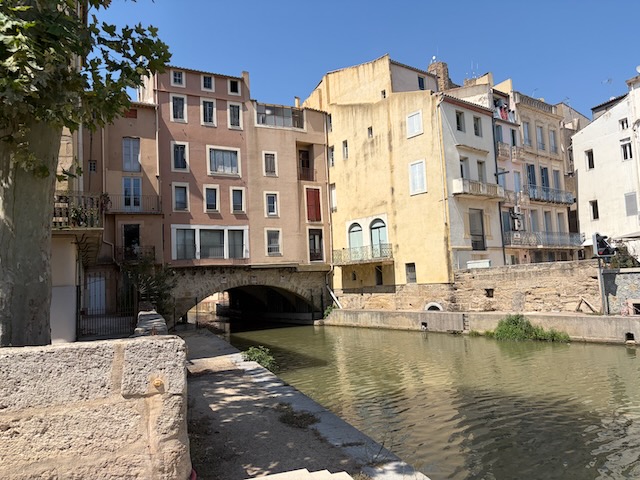
Some additional weirdness I experienced in Narbonne included being told there was a fascinating bridge in town named Pont des Marchands, trumpeted as an amazing sight to see, with houses built on it and everything. So I entered “Pont des Marchands” into Google Maps, and it led me to a clothing store named “Pont des Marchands.” I guess tha’s one way to cultivate business: name your store after a tourist attraction. To be fair, it was more or less on or near the bridge because after I looked around a bit, I was able to see the actual bridge with the amazing sight of a building on it. Woo hoo. This ranked right up there with the Roman Amphitheater I saw in Béziers. There were times on this trip where I thought, y’know, it’s not such a bad thing to be a tourist in Paris or Rome, at least most of their attractions are worth seeing.
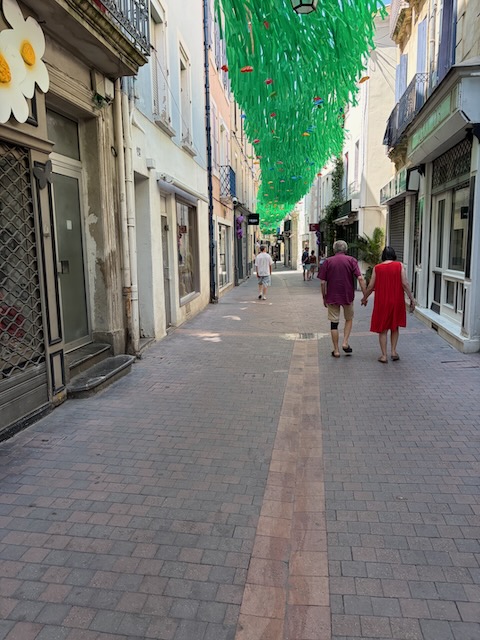
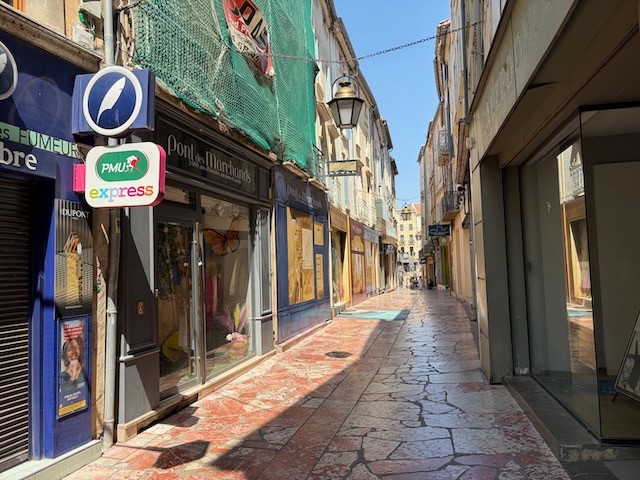
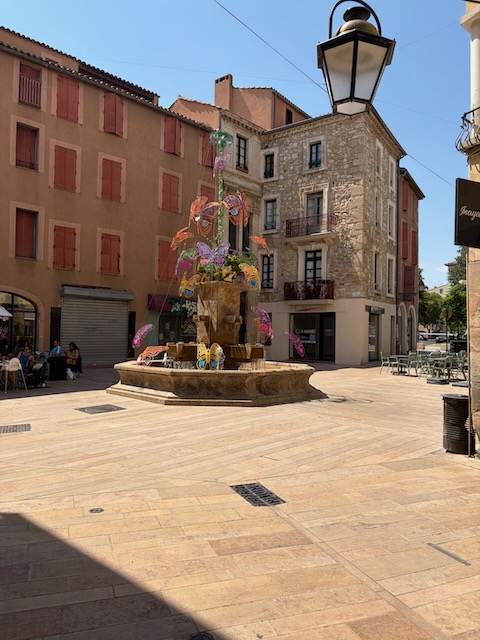
Truthfully, Narbonne really is another beautiful French town the likes of which simply don’t exist in the US. While in Europe, I often feel like I’m in the Wizard of Oz in all its amazing technicolor, whereas being in the states reminds me of the first and last parts of the film which were in black and white. It’s not really America’s fault, in that so much of it in Europe was built hundreds of years before the US was even a gleam in its founding fathers’ eyes, but it’s also why most of Europe is very much worth visiting, even, and maybe especially, many small towns and cities.
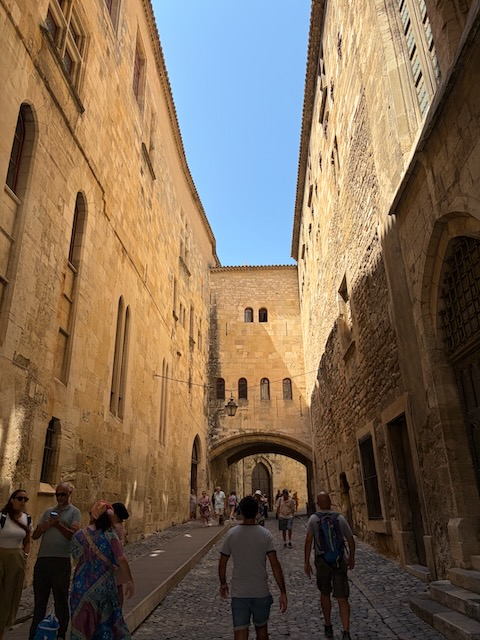
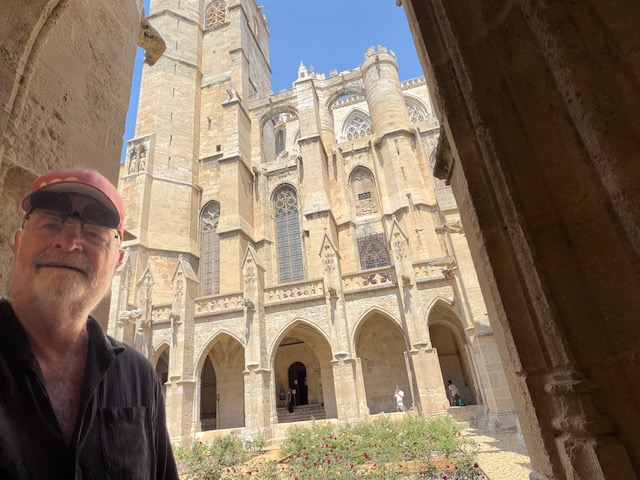
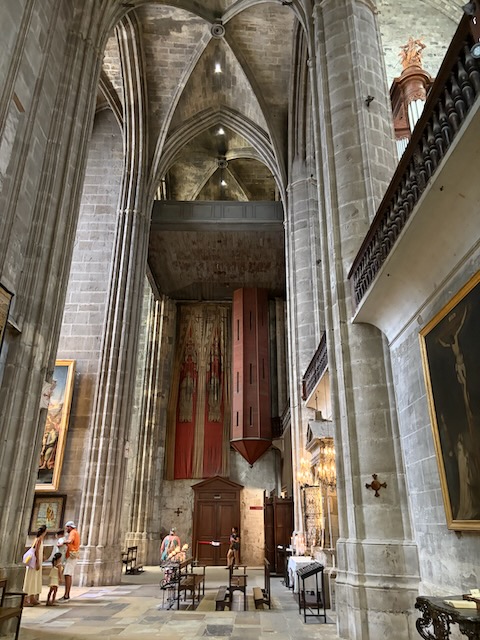
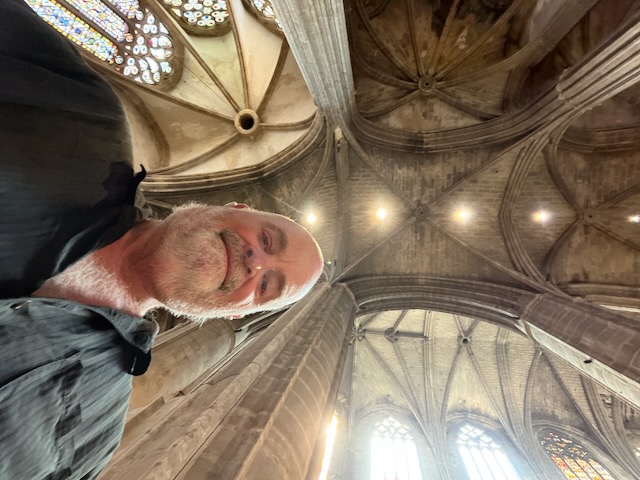
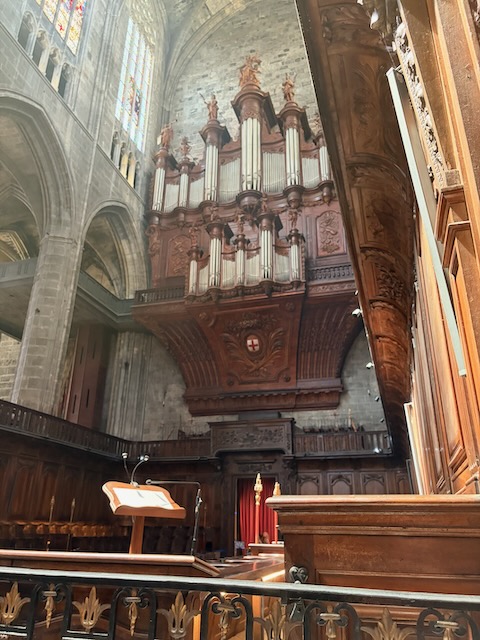
The only downside to European sightseeing is that you’re almost required to poke your head inside many a cathedral, because often four out of the top five “sights to see” are cathedrals, and God gets a little annoyed if you bypass all his houses just to see a bridge with a building on it, or the last remaining 5% of an ancient Roman Amphitheater, especially because he really likes to show off his big organs. Also, he hates refrigerator magnets (it’s true! I read it in 1 Enoch 110 3-6), so I avoid shopping for them near cathedrals just to keep his ire at me to a minimum. I’m already in enough trouble as it is.
Penne
Penne returned me to the small village theme, which I enjoy immensely because that meant I could check off one entire place after only walking around for half an hour. However, I was surprised to discover there was no bank in town, which meant Penne had no Teller.
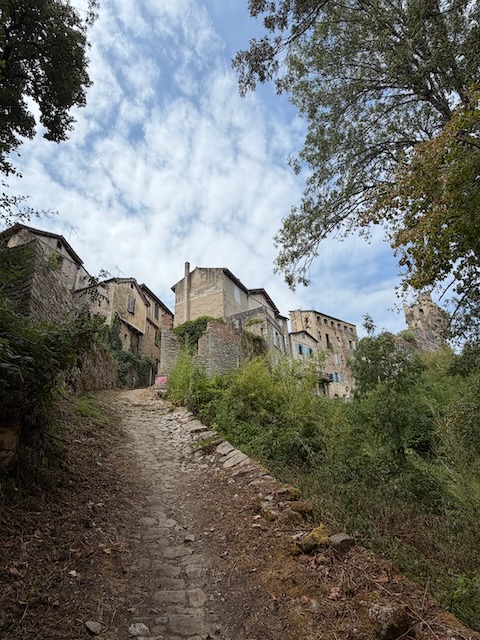
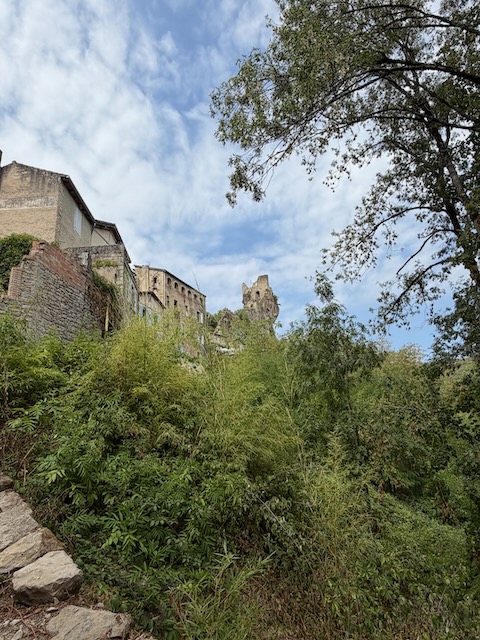
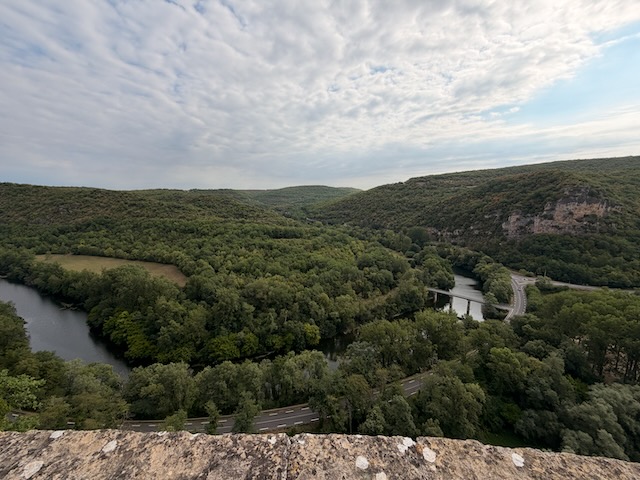
Penne was actually a little difficult to get to, in that the only road that led up to it had a big Do Not Enter sign (at least I think that’s what it said) so that, like Minerve, only residents (all 602 of them) are allowed to drive in. I had to park near the highway and make a rather steep climb up a path, but as soon as I reached the top I could already see the trek was going to be worth it.
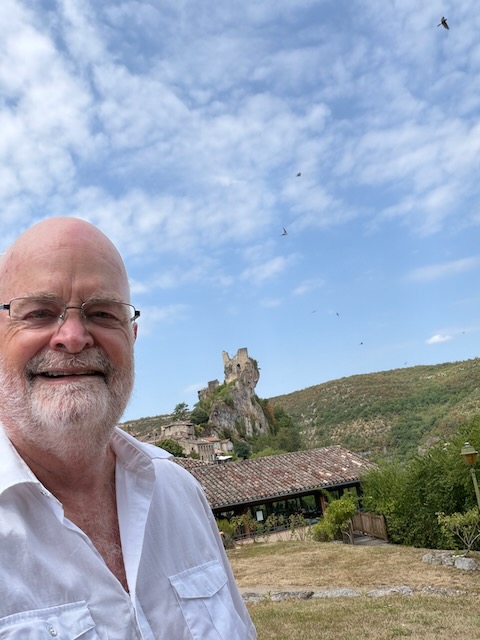
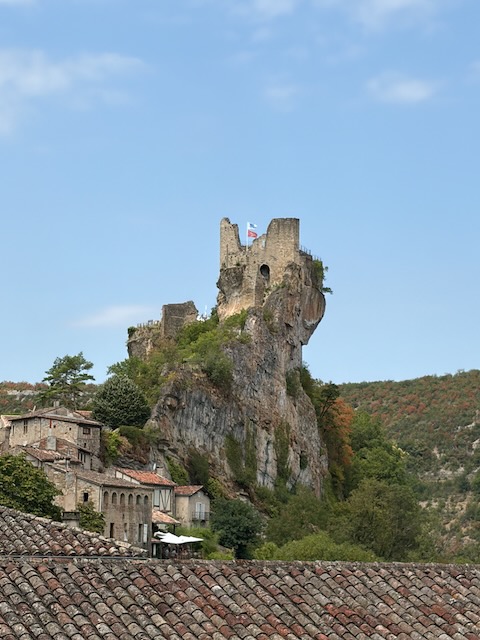
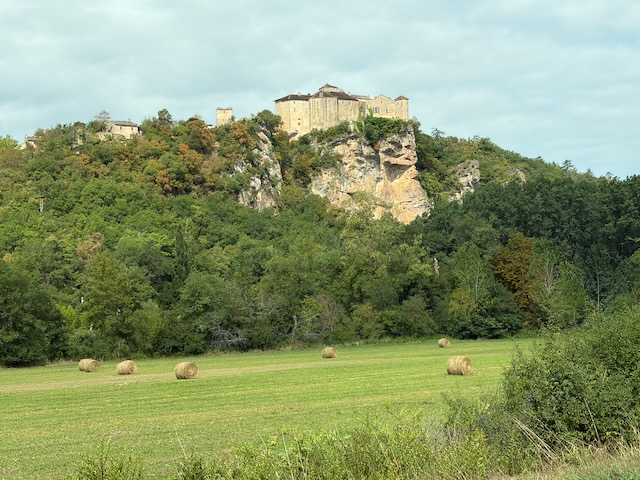
The Palace of Penne is one of the most unusual looking castles I’ve ever seen, rising above the town like like half its base had been torn away in an earthquake or by a very hungry rock monster.
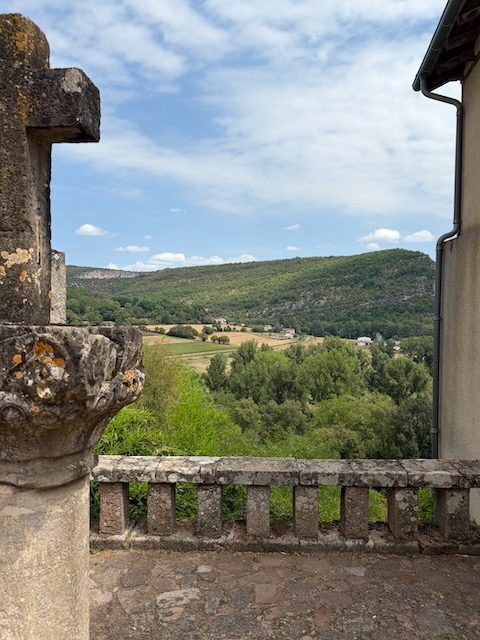
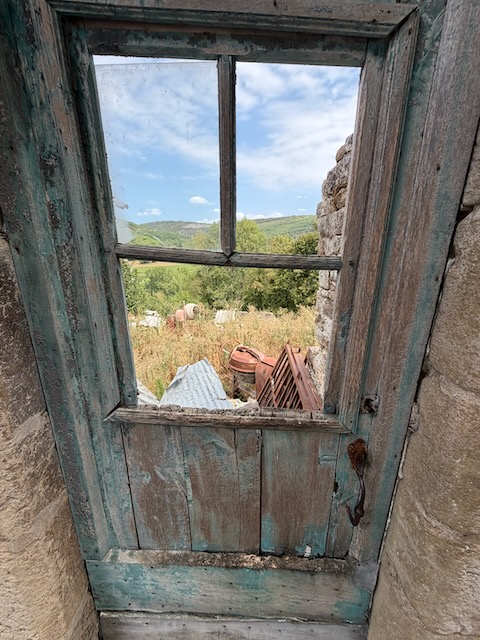
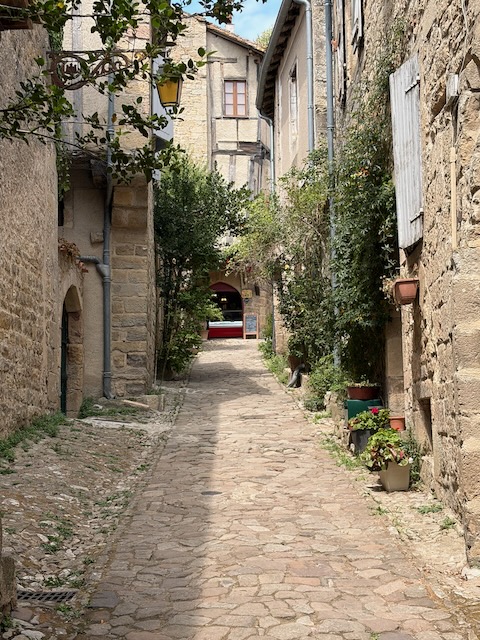
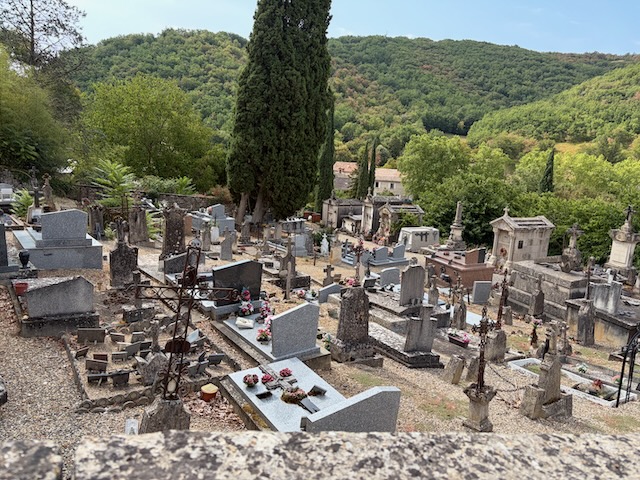
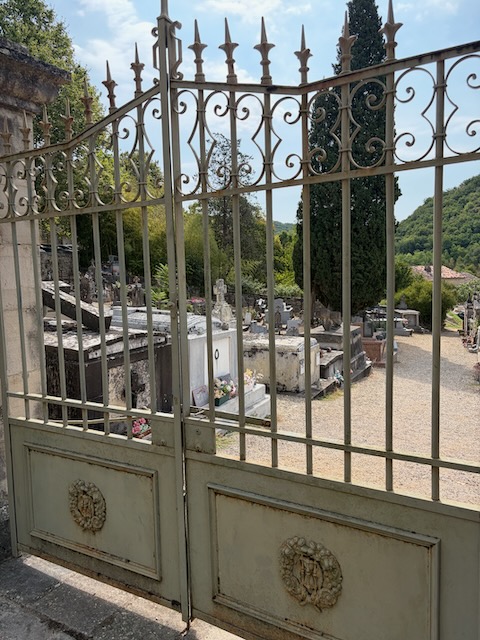
There is a tiny town below it, but some of the housing leaves a bit to be desired. The plus side of living behind the door in the middle picture is that you never have to worry about paying for air conditioning.
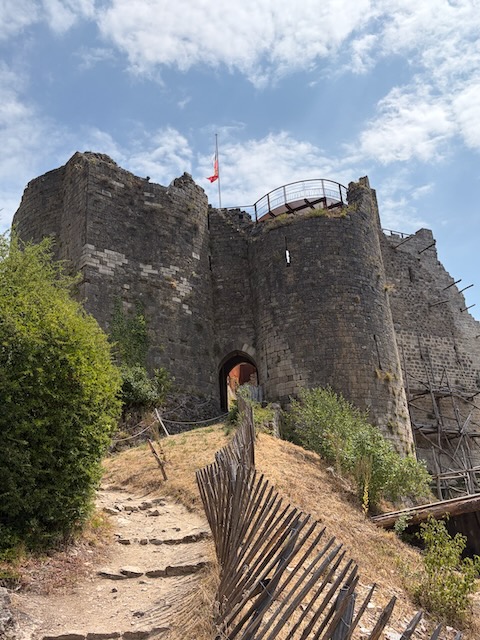
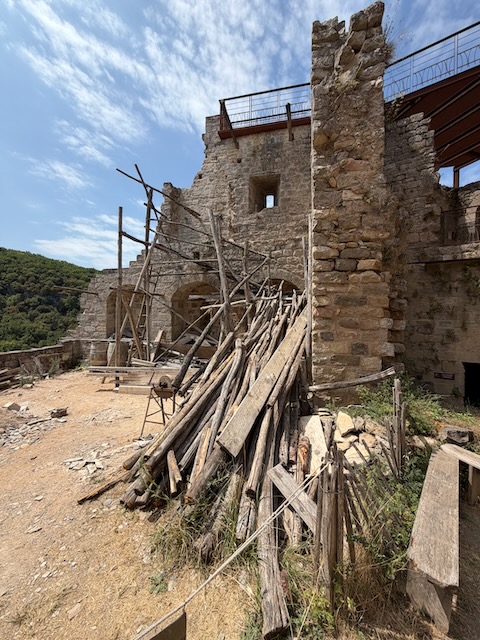
Visiting Penne means having to double down on the steep climbing: first to get to the town and then to walk all the way up to and into the castle. The castle refurbishments were obviously a work in progress; it was a combination of ready-for-tourism and well-we’re-not-quite-done-yet-but-enjoy-it-anyway.
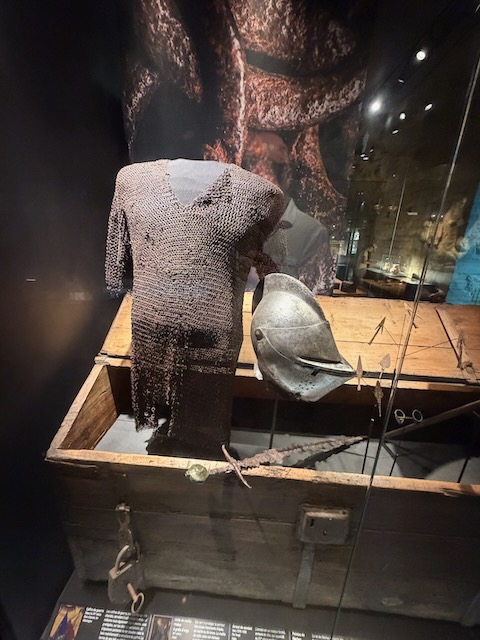
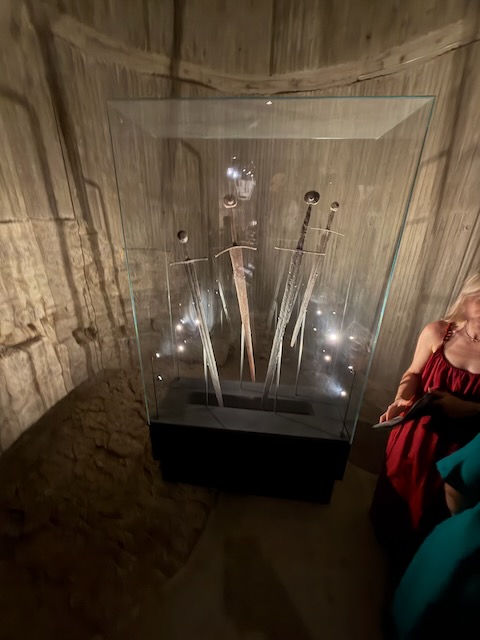
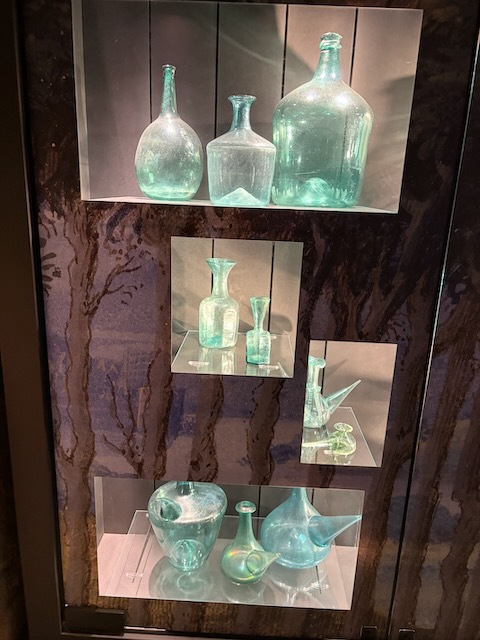
Within the walls they had a small museum. You can’t tell from the photos, but it was so dark I had to inch my way toward the door, hoping I wasn’t walking over a stairwell or an overlooked severed Cathar head.
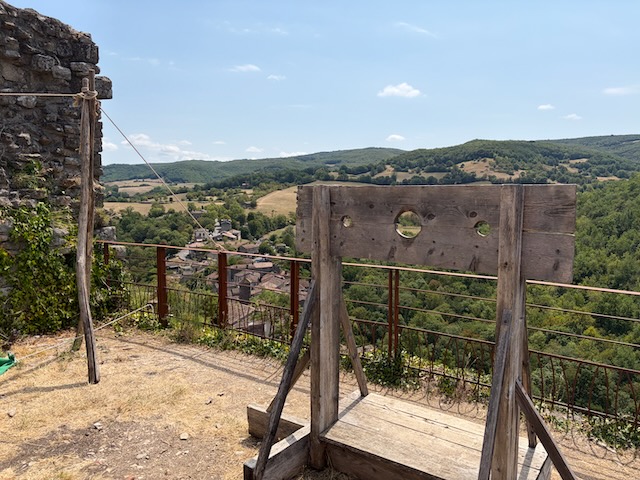
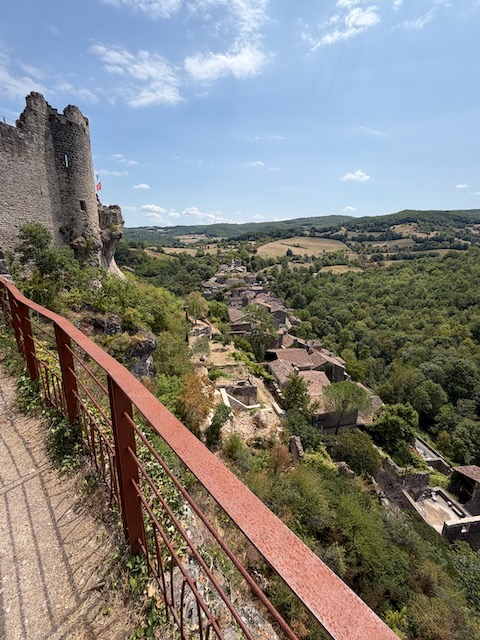
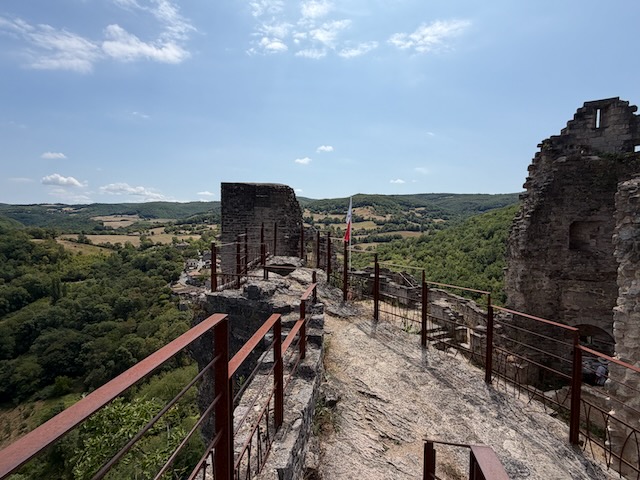
The castle didn’t seem as thin or small at the top as the view from below made it look. Overall it’s kind of in poor shape, but in a way that adds to the charm, because it’s a ruin, and left to be a ruin for the most part. It’s just my opinion, but I think castles are more interesting when they’re allowed to be a ruin instead of being turned into a ruout. They’re ancient, so let them live in the pasta, like Penne.
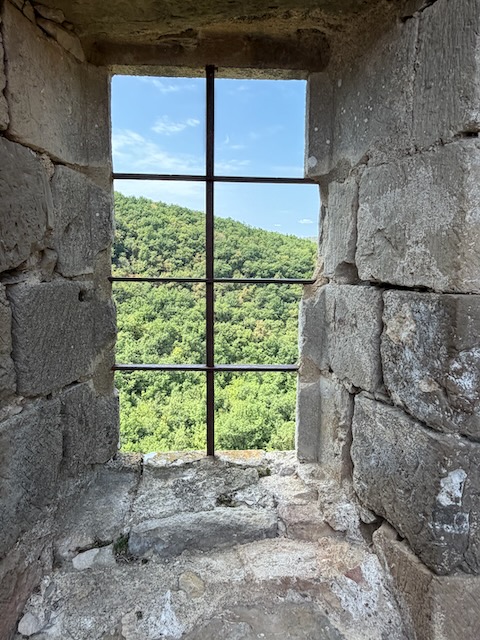
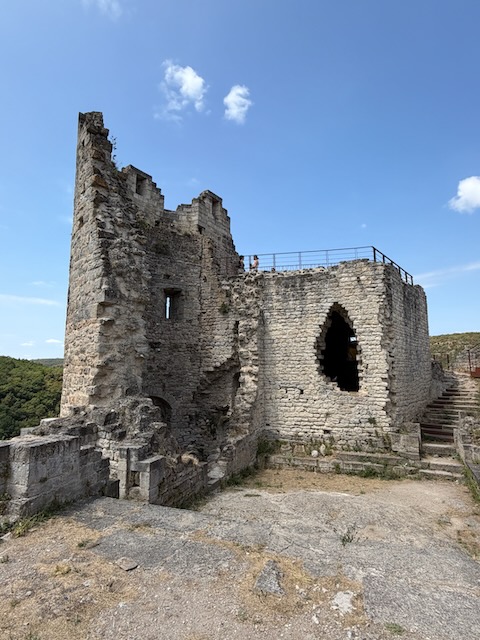
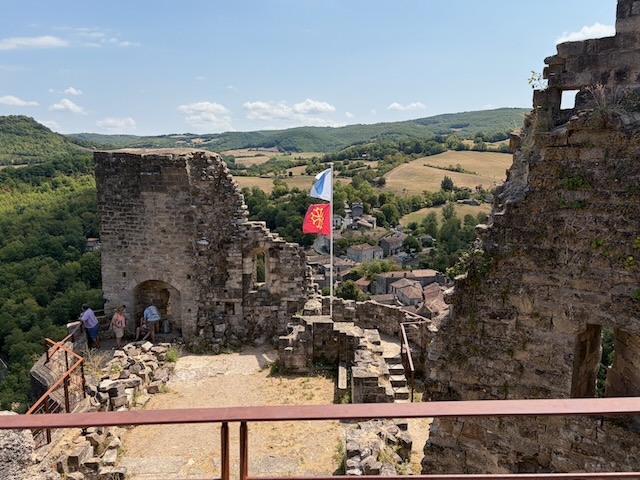
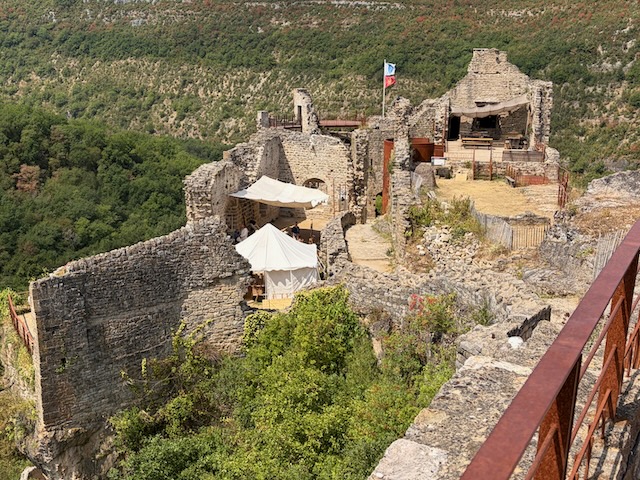
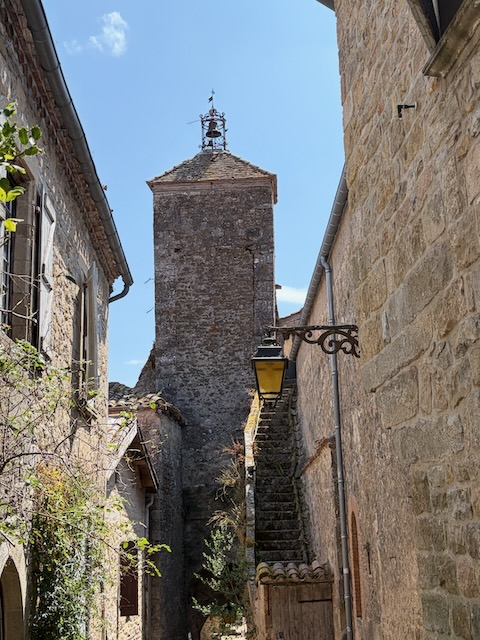
I really enjoyed the castle because the ruins were so genuine and the castle itself so quirky. I think you might have to be half crazy or an artist to want to live in the actual town, what there is of it. I didn’t see any shops, so once again my refrigerator magnet quest was thwarted.
Pézenas
Pézenas is a town of about 8,000 people and to be honest I have no idea why I was directed there for any reason.
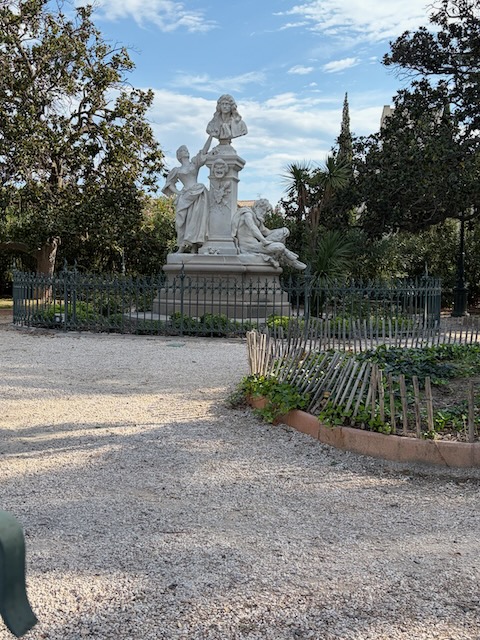
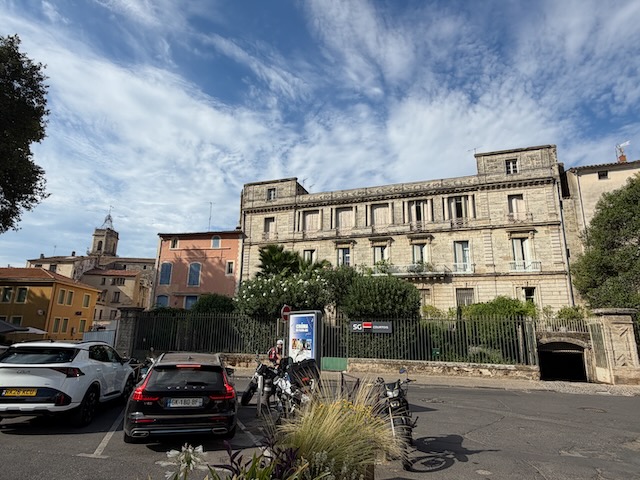
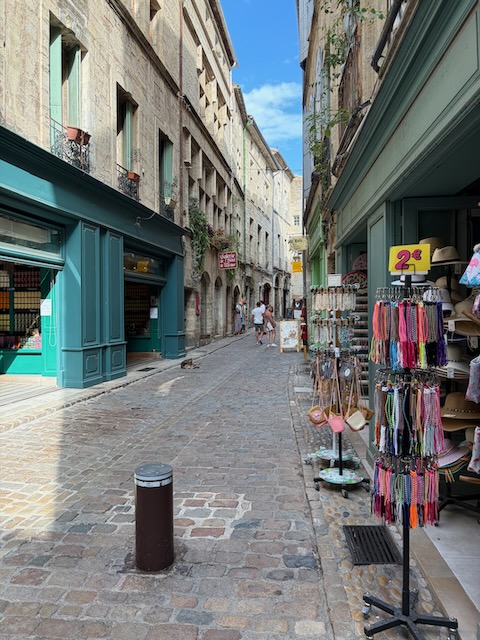
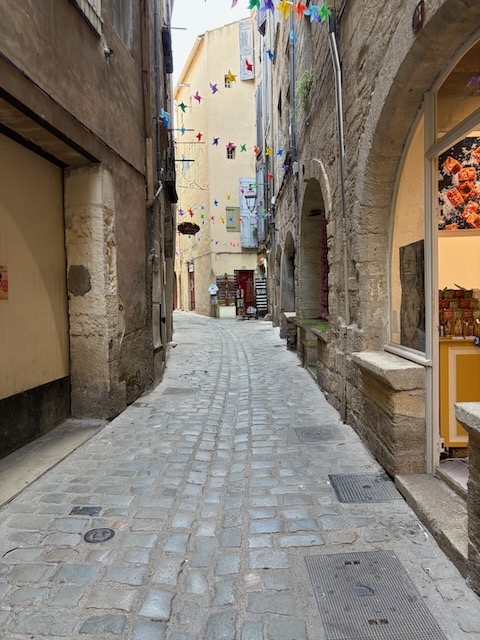
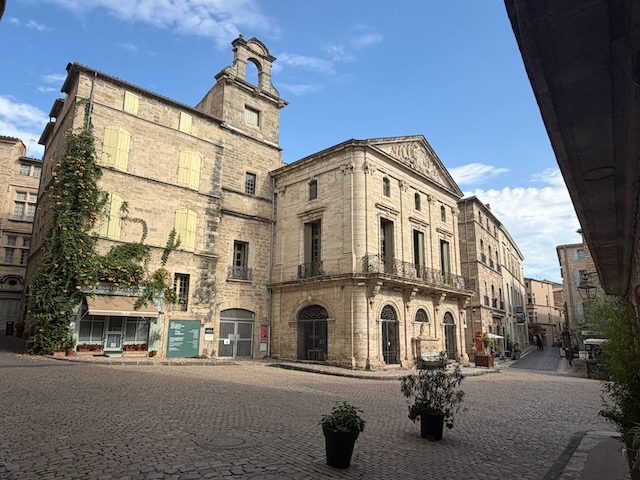
I took a total of five pictures, and truth be told, I don’t even remember stopping there. It looks like a quaint little town from my pictures, but maybe I just stopped someplace for lunch, I don’t know.
Just to prove it’s not just me, when I did a little research on the town I found out even its origins are unclear. It just popped up and no one knows why. I did find out that the name Pézenas” is derived from the older name Piscenae, most likely from the Latin word piscenis, which is probably why everyone avoided it because the residents were obviously just a bunch of dicks, or Richards, as they would say in French. I did desperately want a piscenis refrigerator magnet but alas, I got shafted.
Pyrenees Mountains
While the Pyrenees Mountains are obviously not a town, they still qualify for inclusion alphabetically because it’s my blog and I’ll do what I want.
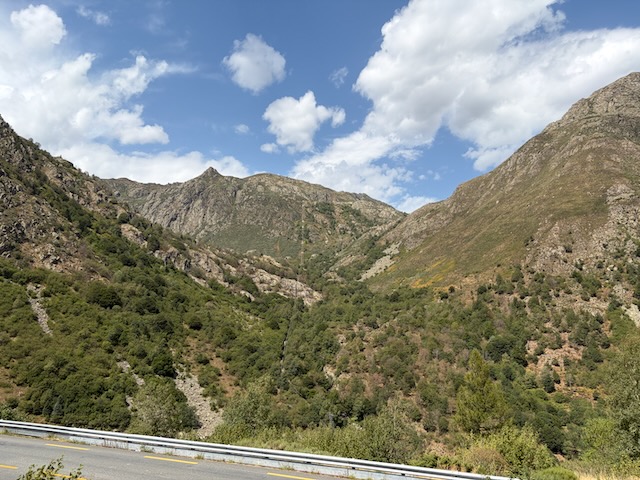
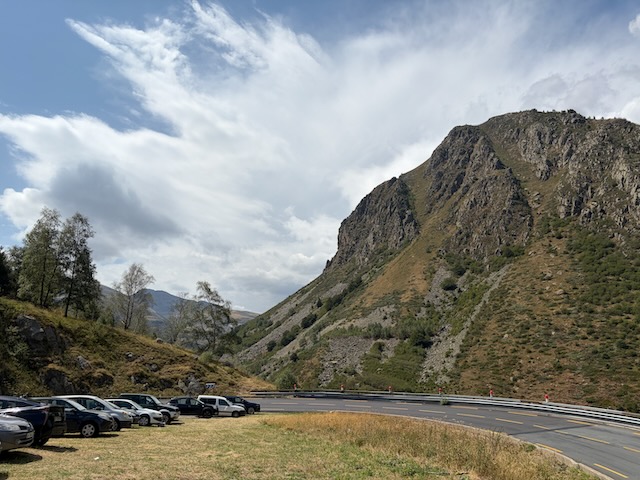
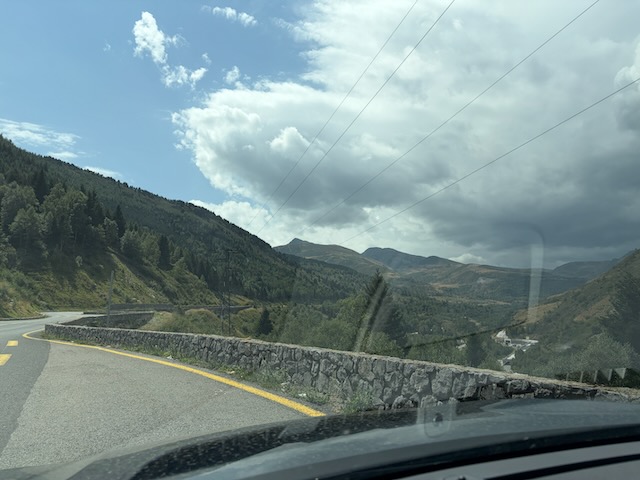
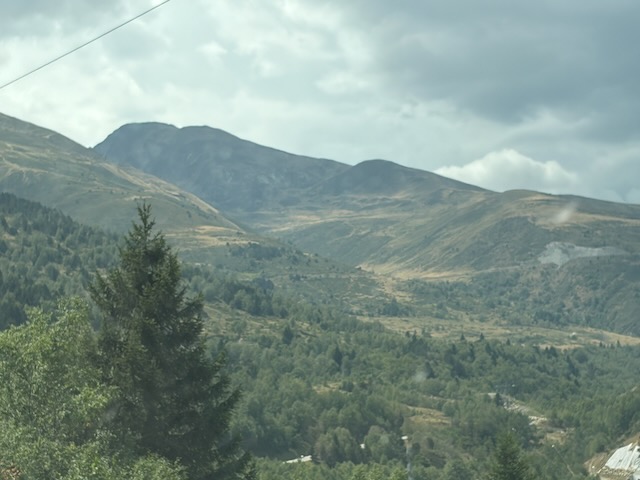
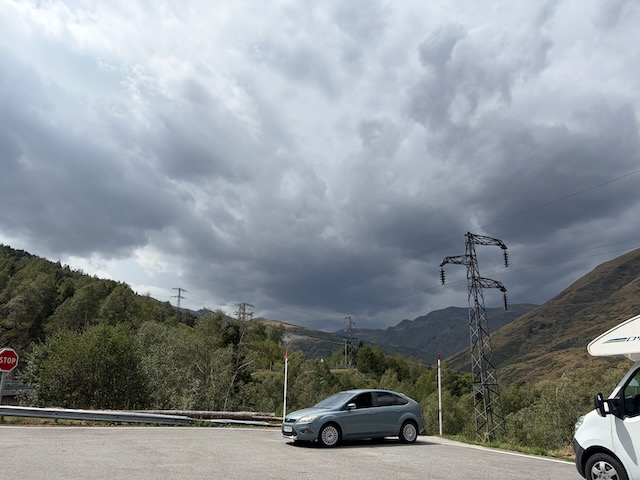
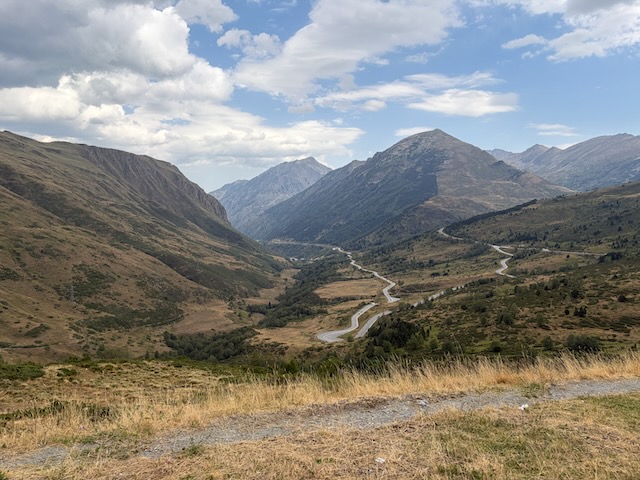
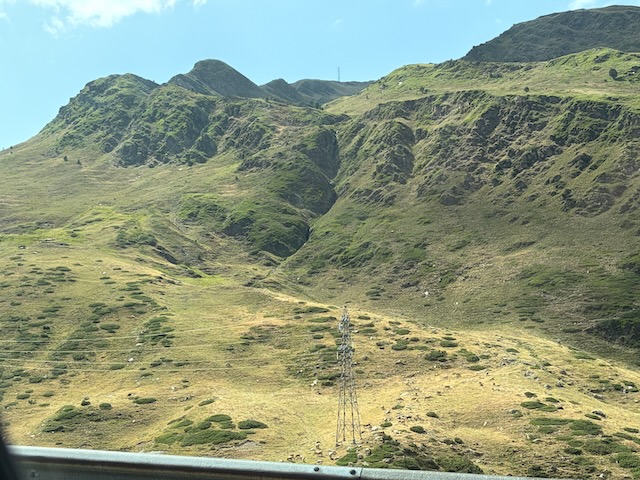
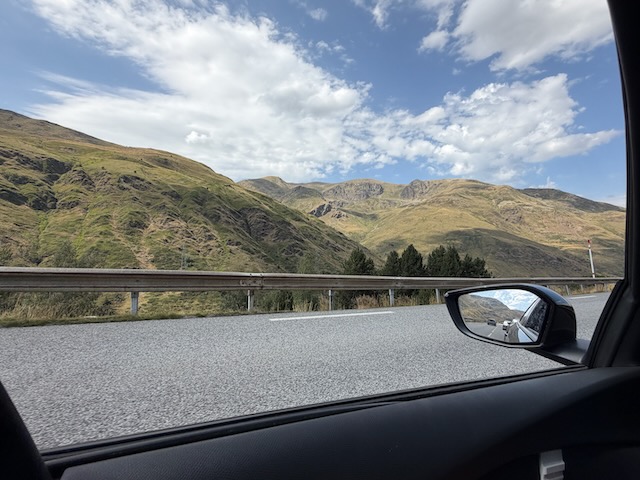
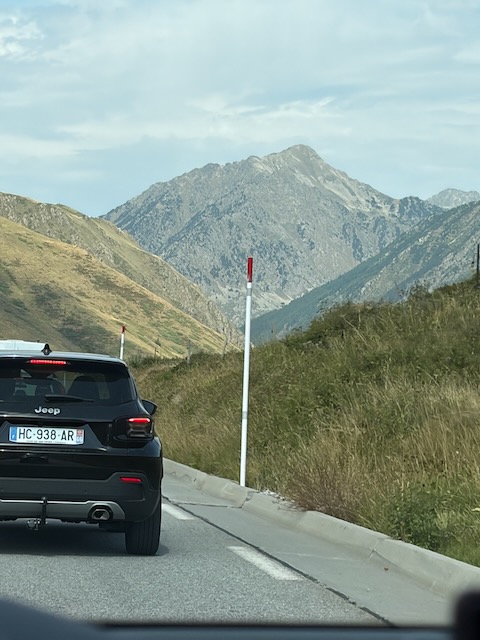
For reasons unknown, I enjoy seeing even semi-famous places for the first time because it feels like I’m checking something off my bucket list, even if it wasn’t even on my bucket list in the first place. Actually, I don’t even have a bucket list. I do own a couple of buckets, though.
Maybe I like doing it because of those stupid posts you see on Facebook from time to time. The ones where they list a bunch of places or activities and you’re supposed to count up how many of them you’ve seen or done and post your total just to make everyone else jealous. So now, if I come across a list that includes the Pyrenees, woo hoo! One more check!
The major mountain ranges in Europe include the Alps, the Carpathian Mountains, the Caucasus Mountains, the Scandinavian Mountains, the Pyrenees, the Ural Mountains, the Apennines, the Dinaric Alps, the Balkan Mountains, and until recently, Dolly Parton when she visited. I’ve seen or been through or near maybe half of those now that I can add Pyrenees to the list. I’d never even heard of the Apennines until I asked Google what major mountain ranges were in Europe. They run the length of Italy so I suppose I have driven through them.
The Pyrenees are about 500 kilometres (310 mi) long, reaching a maximum elevation of 3,404 meters (11,168 ft) in Huesca, Spain. I’m sure there are refrigerator magnets for just the Pyrenees, and I would’ve snapped one up had I seen a Pyrannes Refrigerator Magnet store, but sadly, if there was one, it’s out of business for some reason.
Saint Antonin-Nobel-Val
I enjoyed my visit to Saint Antonin-Nobel-Val, it’s a cute little village of only about 2,000 people, but it has a lively (ie bloody) history, having played an influential role in the region, including a bunch more fights with Cathars. The area has been inhabited for over 10,000 years.
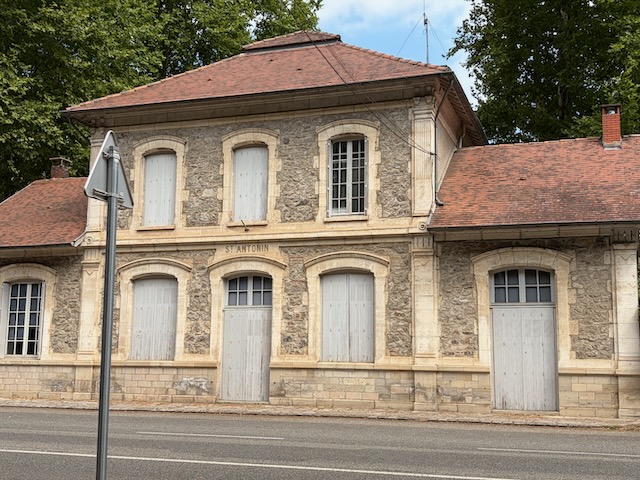
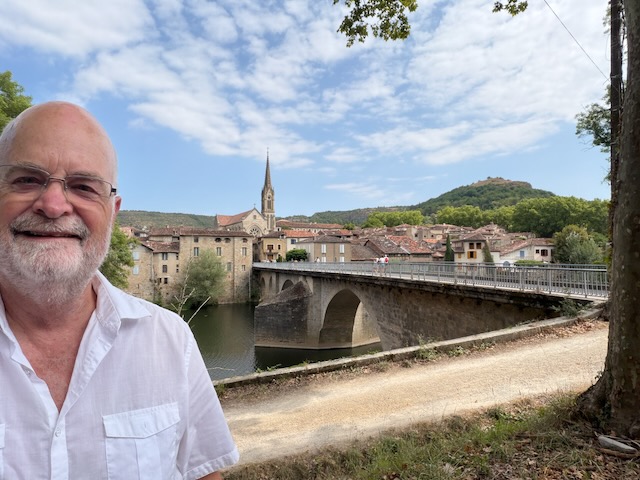
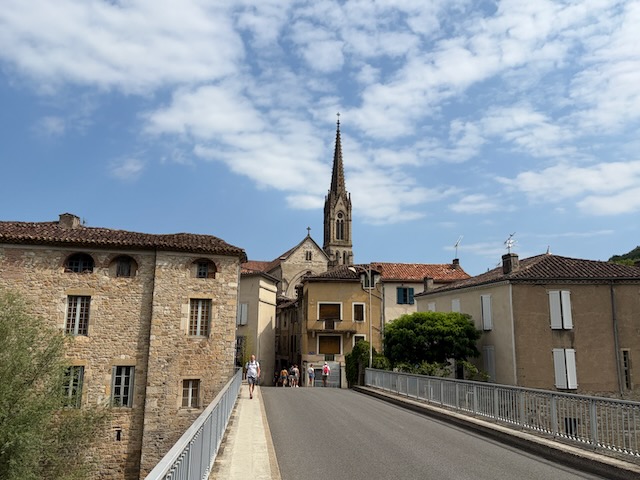
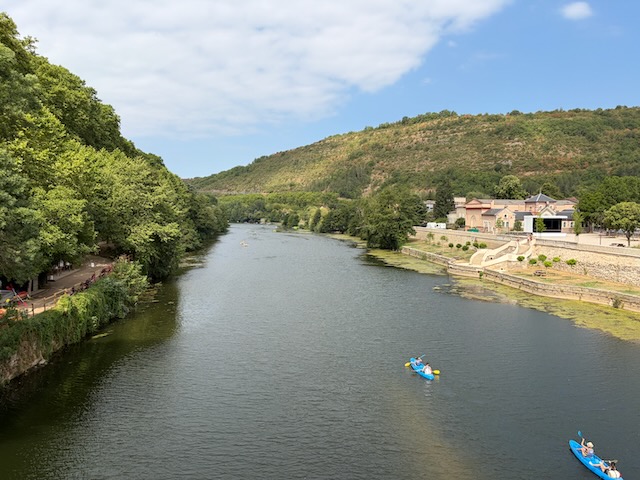
Tourists park across a highway from the town and walk on a short bridge over the Aveyron river, where kayak renting is a popular tourist activity. Drowning by kayak, less so. When you paddle backwards in a kayak do you still spell it “kayak,” or do you have to reverse all the letters so it spells “kayak”?
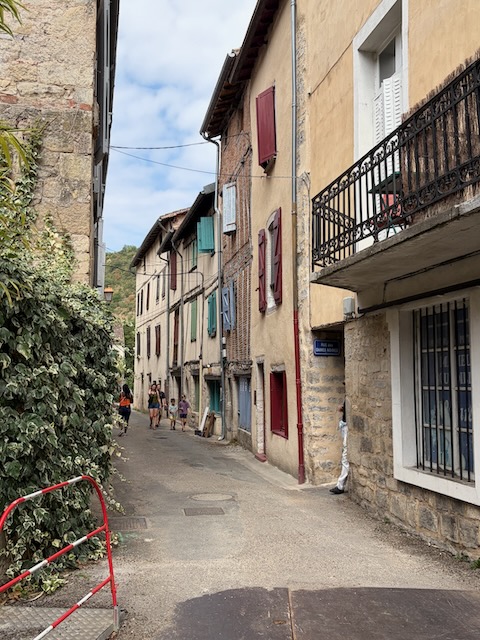
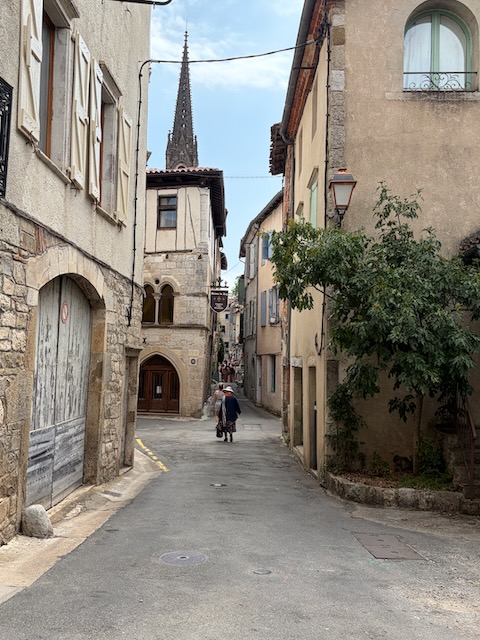
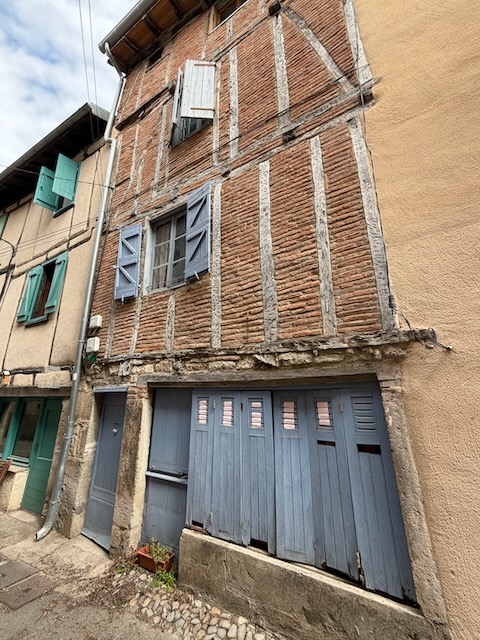
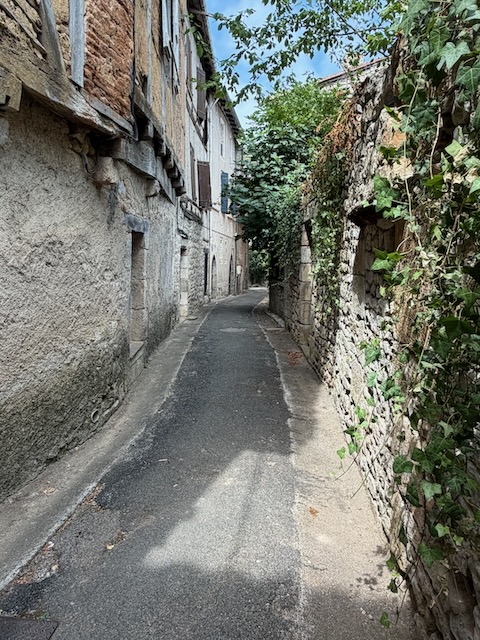
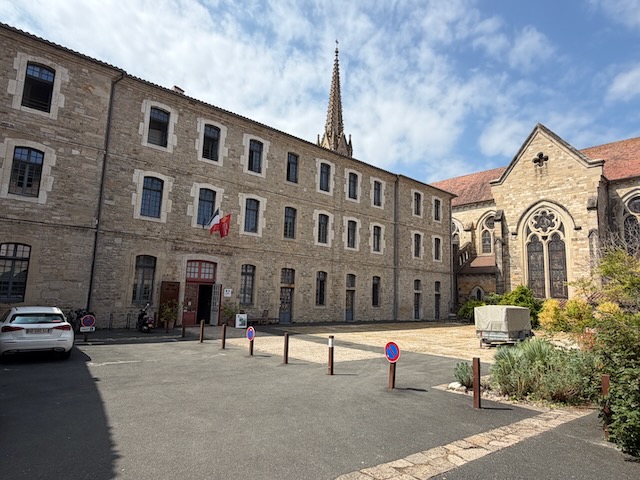
They had a street sign with a sort of guided tour of the area, but without something in my hands (I tried, but the thing was bolted on too tight), I just wandered around, looking at the old buildings. I don’t take a lot of guided tours in general (not that they had any besides the sign) because by the next day I’ve usually forgotten everything they said, so while it’s fine to learn that The Caserne des Anglais (English Barracks) house was a base for English troops from 1352 to 1354 (and I didn’t even make that up), I don’t often find that kind of knowledge to be useful in any way in the future, so my brain quickly discards it in favor of obscure baseball statistics.
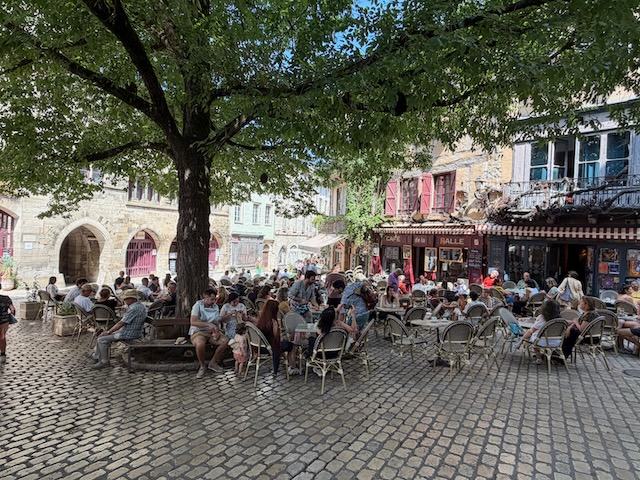
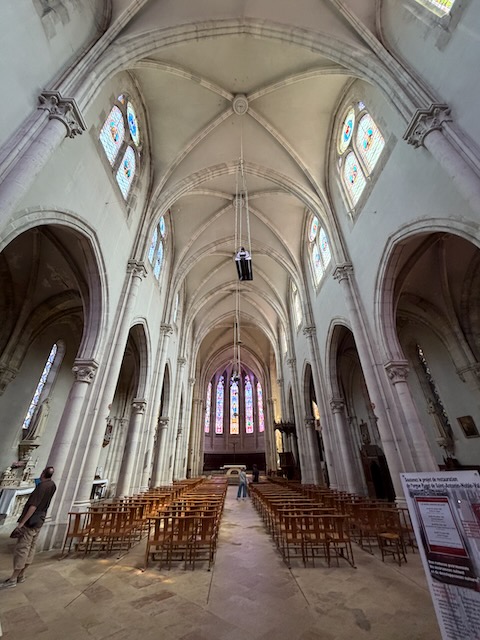
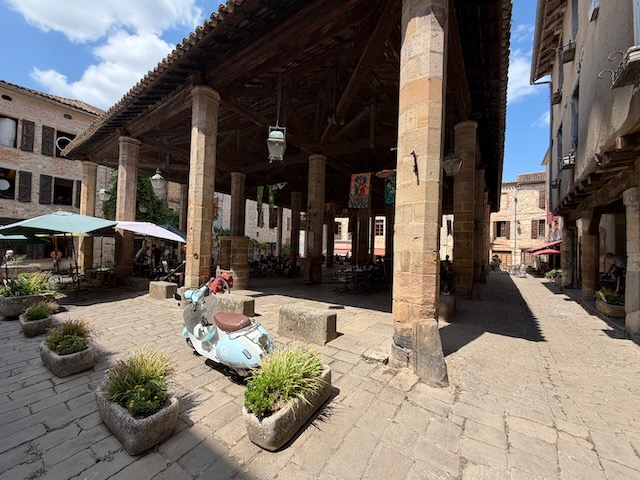
I love how so many European towns and cities have public squares for people to gather for food or company. And surprise, surprise, here’s a picture of a cathedral.
I didn’t get a refrigerator magnet because the town name Saint Antonin-Nobel-Val is too long and I have a narrow European refrigerator so I didn’t want this minor sightseeing spot to take over the whole face of the fridge.
Andorra
What is this devilry you ask? How can it be that we’re back to the “A’s” again? Well, I said I would list all the French towns in alphabetical order. Andorra is it’s very own country. And I thought it would make a good endcap to the whole expedition because, lo and behold… I found this!
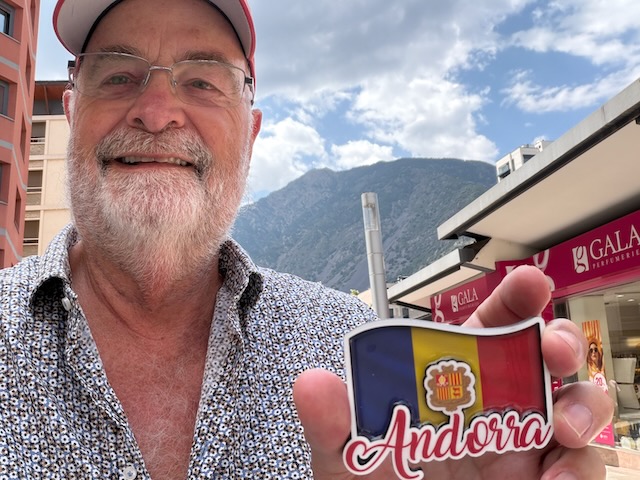
Woo hoo! I didn’t have to return to Portugal without a refrigerator magnet!

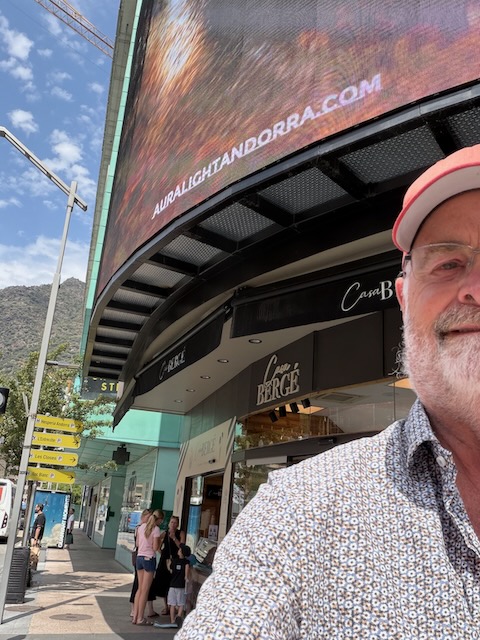
There’s actually kind of a little funny story behind the whole refrigerator magnet saga; and there better be because otherwise I’m sure you’ve been wondering why the hell I seemed so obsessed with them. After I stopped into the first Andorran town I happened upon Escaldes, which isn’t very far from the country’s biggest city and capitol, Andorra la Vella. I wanted to take some photos with “Andorra” in them just because Andorra is not a particularly well known country and I wanted to prove I was there without the use of Photoshop. But all I found after wandering up and down the main shopping area was a credit union sign and a web address on a building that included the word Andorra.
So I wandered up and down the shopping boulevards (which pretty much was the whole town) looking to find a souvenir shop or any store that sells trinkets of any kind, but I discovered that was surprisingly hard to do. People come there to shop for major things I think, not sightsee, so the usual touristy type stores were few and far between. But I finally found one, and ended up with a much better Andorran photo than just a web address on a building. Okay, that’s not that funny of a story, but it is true in any case.
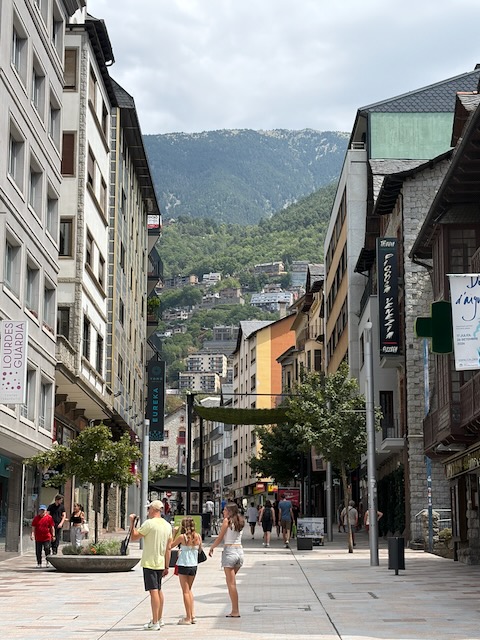
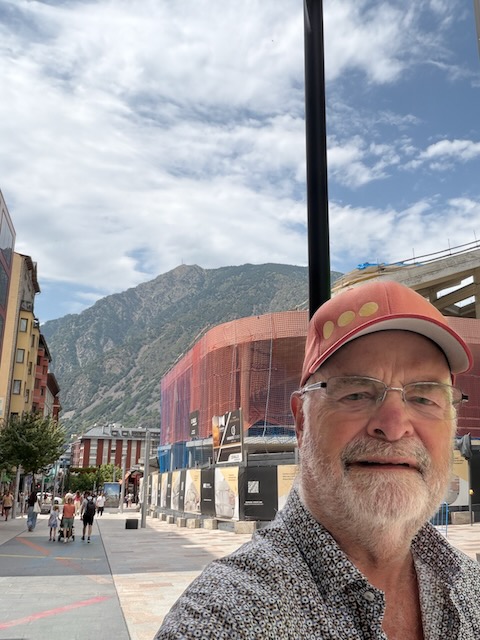
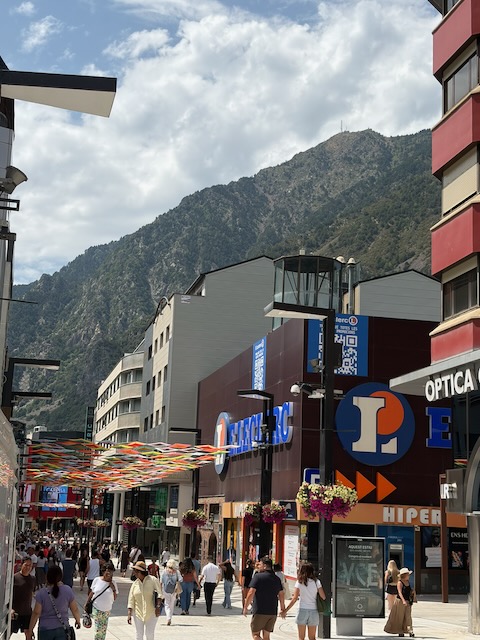
I think this outdoor mall corridor pretty much encapsulates what Andorra is all about: shopping. It’s a tiny little country sitting in the Pyranees on the borders of France and Spain. Also, it took me just a little while to remember that they speak Spanish there. I’d heard a couple of “graciasses” and “de nadas” and then it hit me. Since I know ten times more Spanish words than French words (so, like 20 vs. 2), I found it much easier to walk around and still not understand anything that was going on.
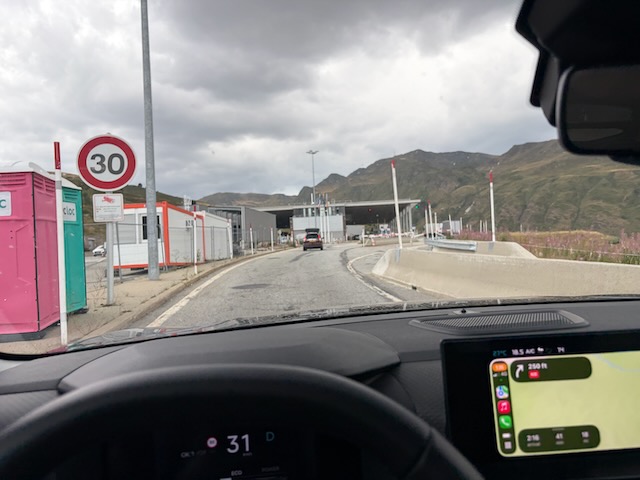
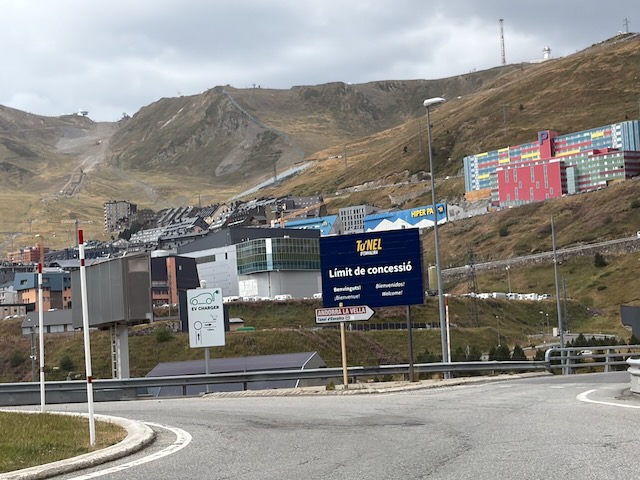
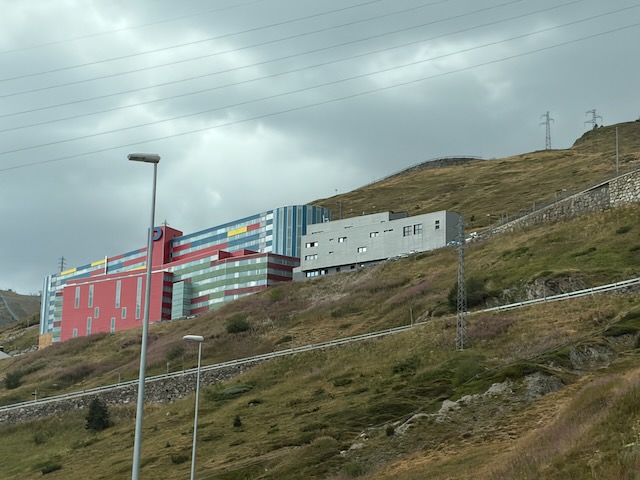
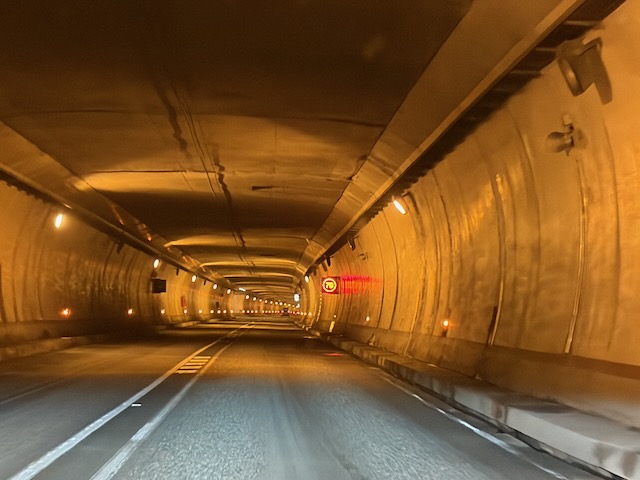
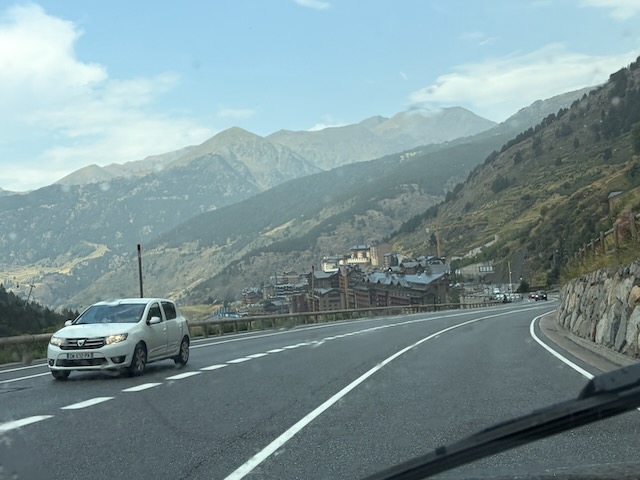
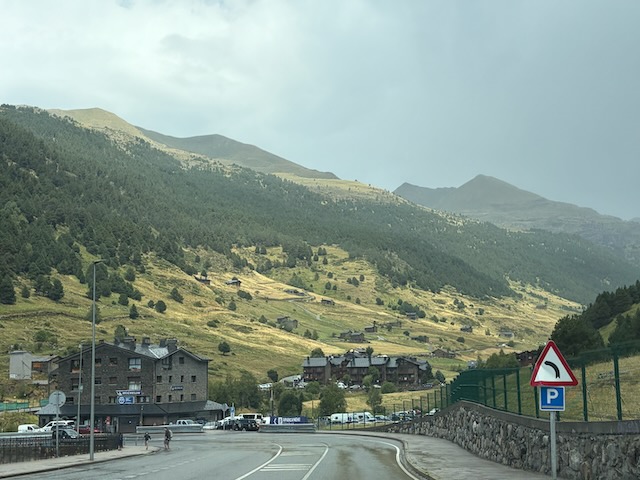
I got kind of a kick out of driving into Andorra, because it was a last minute decision after I’d finished with another small French town (I can’t remember which one, because I didn’t visit the French towns in alphabetical order, so I’ll apologize in advance to all the confusion that’ll cause future historians when they try and retrace my steps), and the only real reason I decided to make the drive was to add Andorra to my bucket list of countries I’ve been to. I also enjoyed it because I really knew very little about the country; it’s kinda fun to just drive into something without any idea as to what to expect, unless you accidentally end up in places like Ukraine, Sudan, Yemen, Syria, or Detroit.
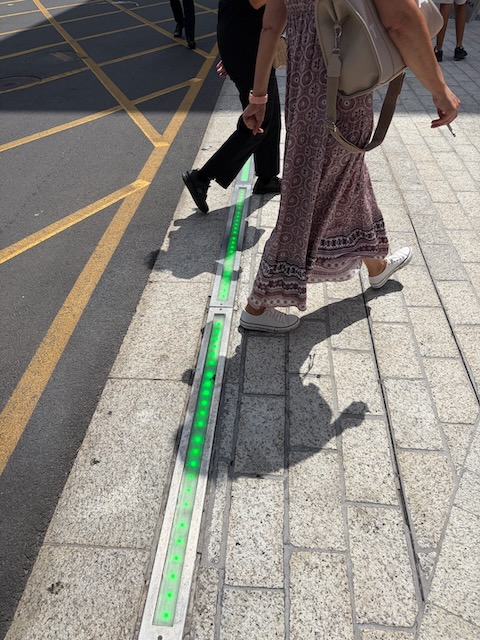
As soon as you cross the border into Andorra you get a fairly strong inkling that it’s a prosperous country. The buildings and even the roads are all first rate and in excellent repair. But the most compelling proof is when you’re standing at a crosswalk and realize the country has so much money that it can put light strips on either side that turn green or red to show when you can cross. I’d say that makes it pretty obvious that they are rolling in the dough, and also explains why they can’t even be bothered to sell souvenirs.
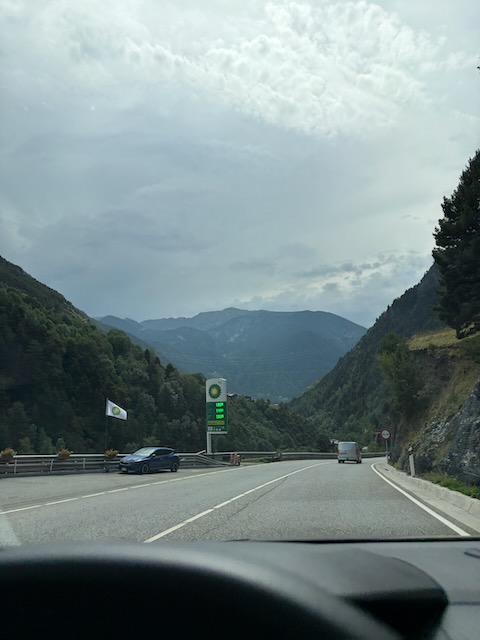
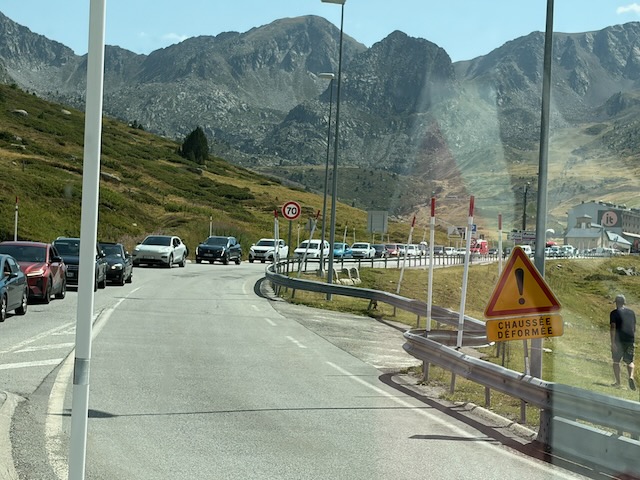
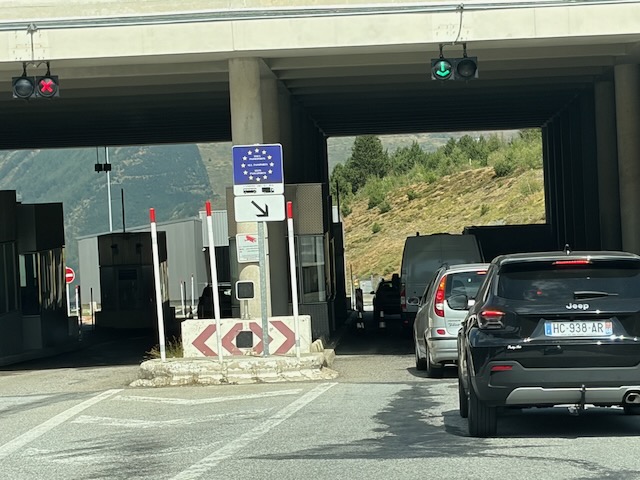
During the drive in I noticed their gas prices were quite a bit cheaper than either Portugal or France, so Andorrans seem to have it made, unless, perhaps, they want to leave the country. On the way out I encountered a long line of cars leading to the border. Since it is a separate country, they of course have border crossing stations, but unlike most EU borders I’ve crossed it looked as if they might be stopping every car and rolling mirrors under them while holding back snarling German Shepherds as they hold machine guns across their chests, just based on the length of the line. However, after sitting without hardly moving for about ten minutes, the line suddenly began to creep forward, and by the time I got to the border crossing everyone was whipping through. Maybe there was only one guard and he closes the border when he has to poop.
After that I drove back to Toulouse where this French exploration all started. I packed up my stuff, now burdened with the hefty plunder of all my shopping (the sum total of which was an Andorra refrigerator magnet), and got ready to fly back to Portugal.

I sometimes take pictures of random things I find interesting or amusing. In a grocery store, this package of shredded crab-flavored fish meat caught my eye. I do appreciate the truth-in-advertising, but I’d be a little uncomfortable eating anything caught as a result of, y’know, rape. “Mer” means “sea,” so yeah, enjoy the bounty from that rape of the assaulted sea.
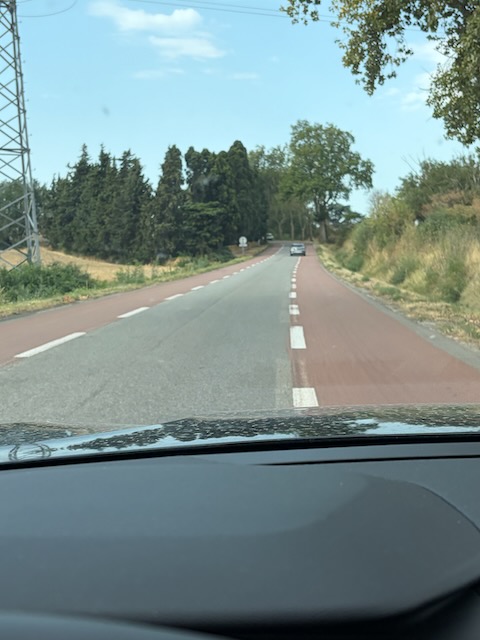
I was a little confused about this road because frankly, I had no idea where one is supposed to drive on it. The side lanes are a bit too narrow for a normal car, but I had no idea who has the right of way in the center lane. The most perplexing thing about it was that the whole road is plenty wide enough for two normal lanes.
But you know what? We’ve entered a time in history where we can learn anything about just about anything, so I pasted the photo in ChatGPT and asked. Guess what? Now I know! This is what it said:
The road is deliberately designed as a traffic-calming road with bicycle lanes/suggestion lanes, a design particularly associated with the Netherlands and some neighboring European countries. The key features are:
Red/pink strips on both sides → these are intended primarily for bicycles.
Dashed white lines separating them from the main roadway → unlike a solid line, this indicates that motor vehicles may cross into the bicycle area when necessary, such as when meeting another vehicle.
No centerline → this is important. It makes the motor-vehicle portion feel narrower and encourages drivers to slow down and share the central space rather than treating it like a conventional two-lane road.
The result is effectively: bike space + shared central driving space + bike space.
Voila! The French aren’t as stupid as we’ve been told, eh?
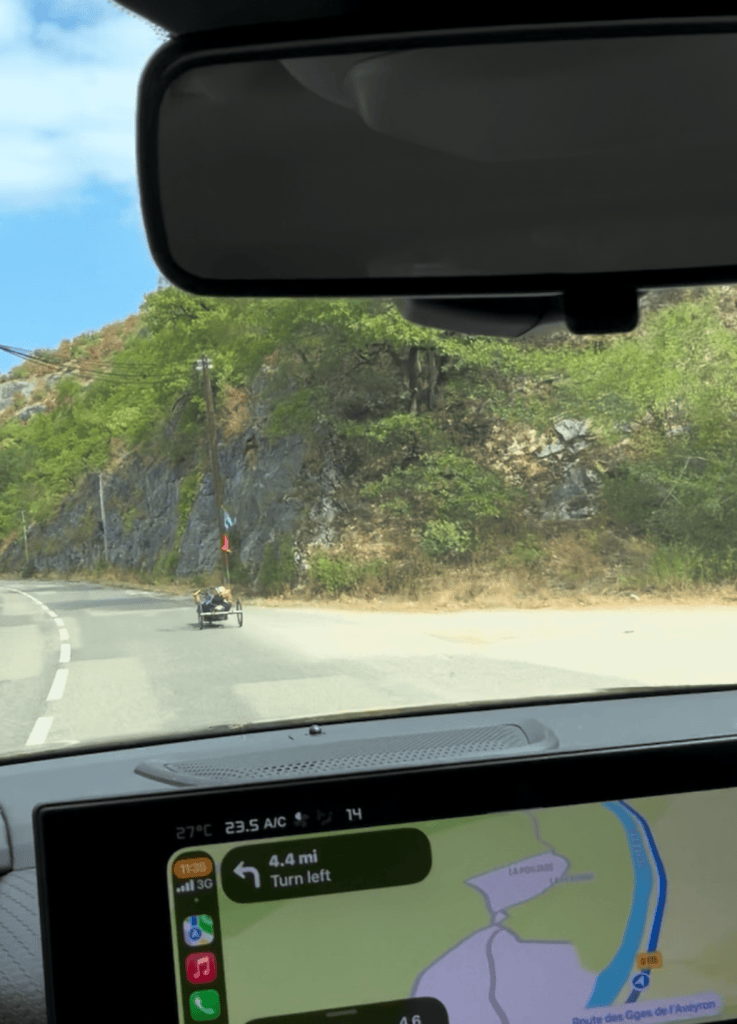
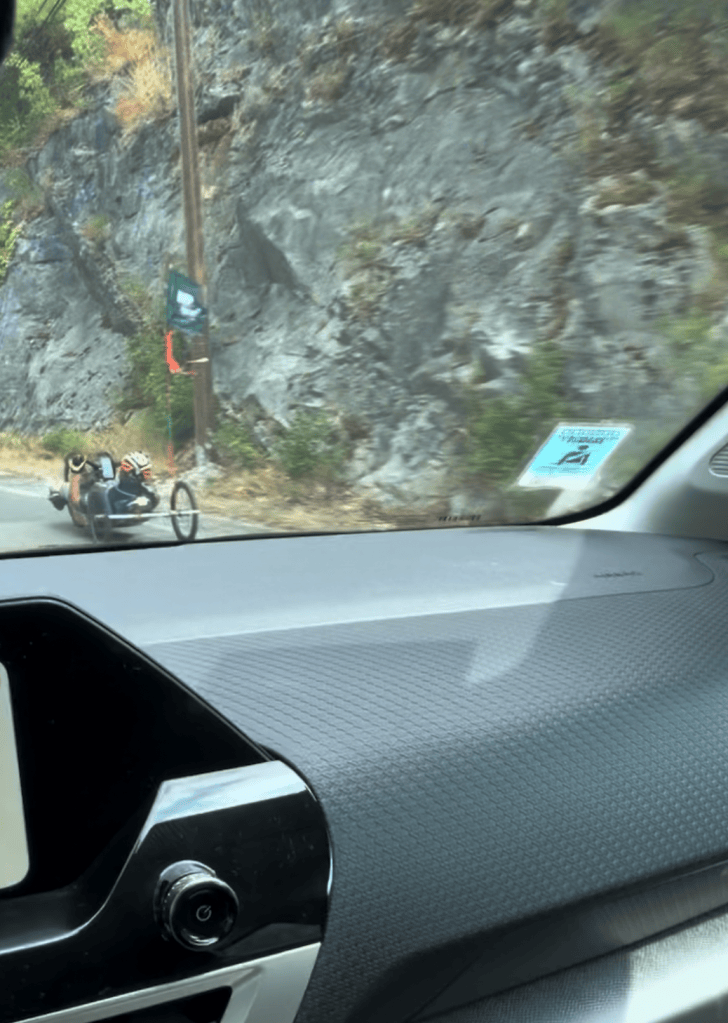
I also encountered this guy on the road while driving in the mountains. Unfortunately for him this wasn’t an area where they had that style of road described above, but it’s a good thing he has a big flag on his bike because I think I could’ve driven right over him if I’d have been playing Words With Friends on my iPhone while driving again. Of course, he’s low enough that he probably would have come through unscathed. But anyway, I thought it was all kinda quirky, which is a very high-scoring WWF word, coincidentally.
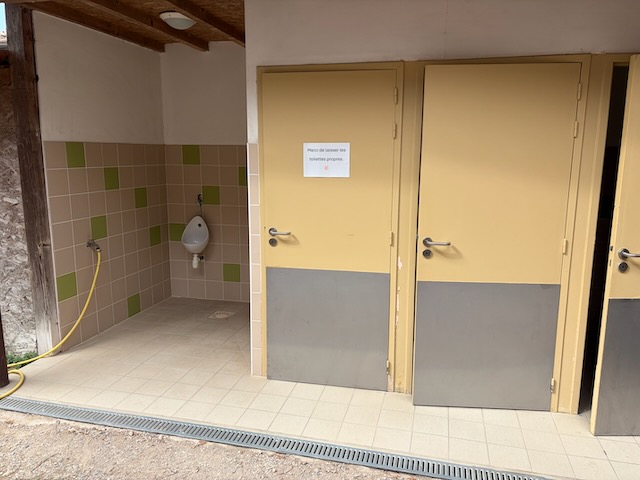
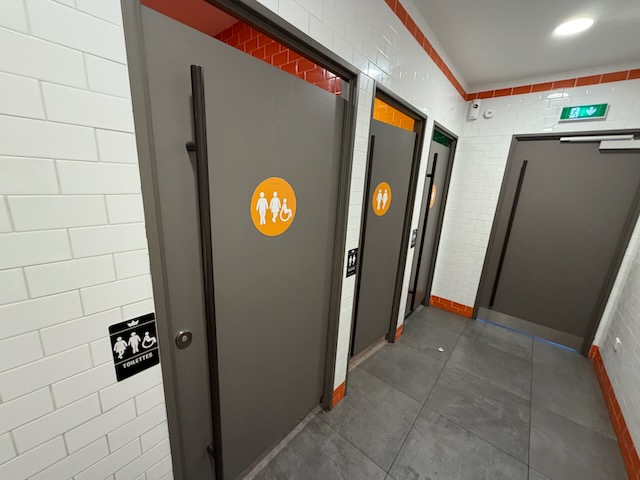
Lastly, just to commemorate that I’m often full of shit when I write this blog, I thought these toilet facilities in France were noteworthy. In the first photo, this was all outside, so the urinals were out in the open for God and everyone to enjoy the sight of the backs of males while they urinate.
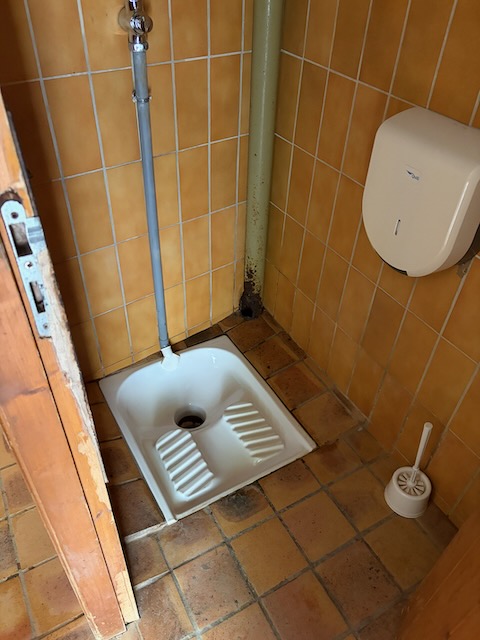
The middle photo is of a floor-level, or squat toilet. I was a bit confused about the ridges, so I looked it up. The ridges are there to give your feet traction. Man, no wonder most people in countries that use these things insist you take off your shoes when entering their house. I’ve never used a squat toilet, and prefer to keep it that way. I fear I’d never be able to stand back up after the squat. Also, I’ve never particularly felt like I had to work on my pooping aim, but I sure as shit would have to while hovering over one of those!
In the last photo, not only does it seem like such common sense to have bathrooms with full doors, as opposed to the near half-doors prevalent in the US, but they’re also for everyone. I sometimes shake my head at all the fuss made in the US over who can use which restroom, when in Europe none of that seems to be any problem whatsoever.

It’s a good thing that’s the end of the report on my Expédition Française, because Mel’s telling me it’s time to shut up.
(Scroll down to see previous entries.)