
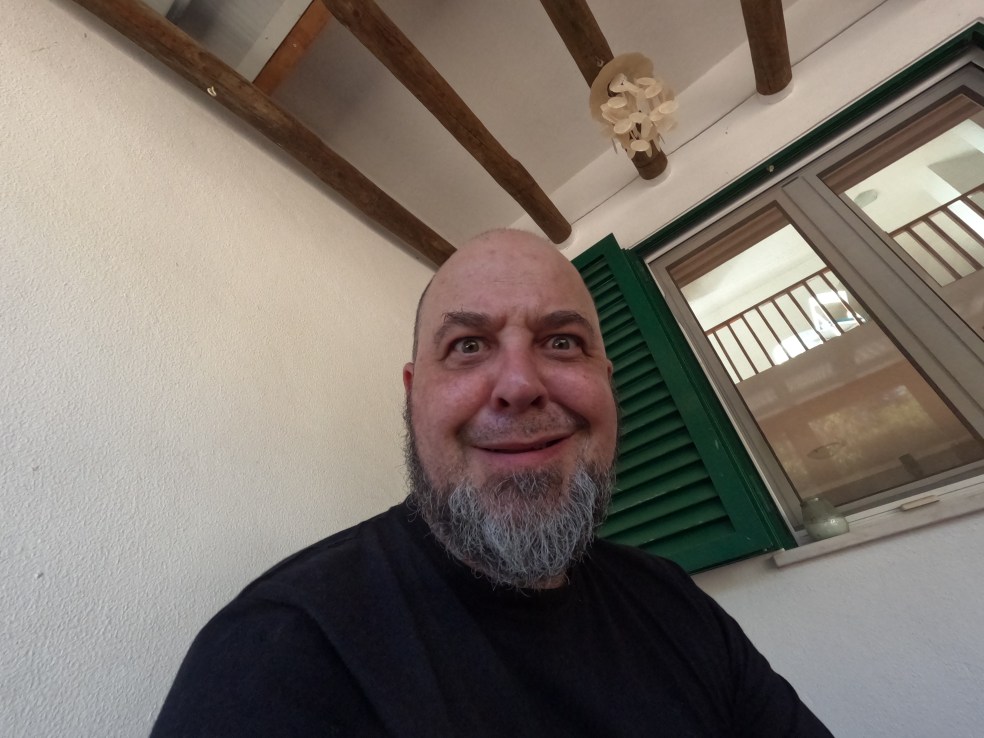
When my son Luke floated the idea of taking a road trip together, I said yes immediately. Being able to host even just one of my kids over here was a big part of the equation for moving to Europe in the first place. Besides, Luke’s unbridled enthusiasm for traveling and seeing new things is a delight to witness, so I looked forward to the adventure. Especially since prior to 1991, most of the countries we visited were behind the iron curtain, so this kind of trip likely wouldn’t have even been possible back then.
Of course, it seems like only yesterday I was changing his diapers, rubbing Desitin all over his rashy butt, and chasing him around the house with a spatula for smearing peanut butter all over the dog. Now we’re two adults driving around in all sorts of European countries with only a loose plan for our exact destinations.
Freed from travel constraints by having a rental car and a credit card, the main idea eventually ended up being to set foot in as many cities and countries as possible, which clearly doesn’t do each destination full justice. Accordingly, this and the upcoming entries will suck as a travel blog. Because I think it’s a bit like a single man going into a high class brothel, paying the $1,000 cover charge, walking down the line of gorgeous hookers and just kissing them each on the cheek, and then leaving. Not that I would know anything about any of that, including that the cutest one was named Lola, who might’ve been a man.
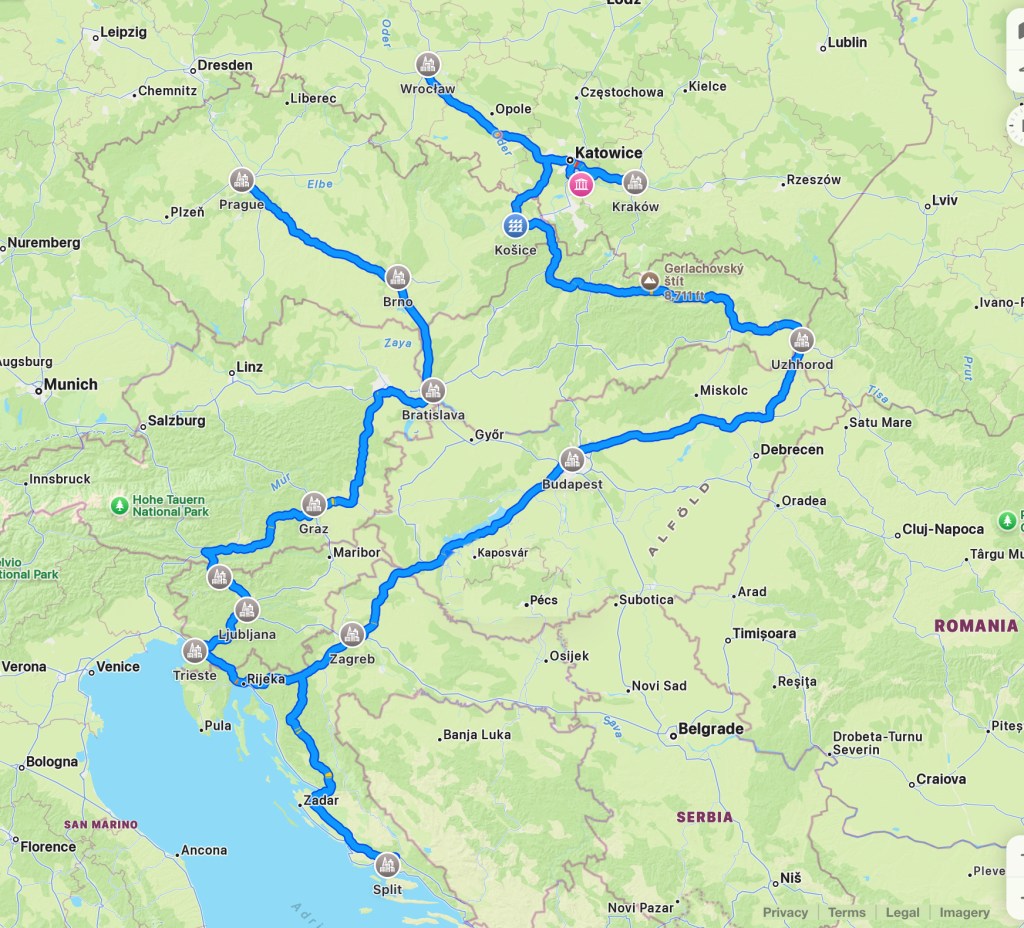
We decided to start everything from Wroclaw, Poland. We booked a hotel there as well as a couple of nights in Krakow, plus the last night in Prague because we knew we needed to be there for our return flight. Everyplace else, we’d just figure out the night before.
Since it was the tail end of tourist season, I assumed we’d be able to find accommodations fairly easily; and that assumption turned out to be correct; in fact we got some great deals.
We also toyed with the idea of making a stop inside Ukraine. Neither of us had ever been in a foreign country while it’s at war (the U.S. always seems to be one, just not on its shores), so that sounded like a fun time, but we left that as a game-time decision.
But as to the beginning, we flew into Wroclaw, which we had been pronouncing “Row-Claw,” as one does. However, the Polish apparently have this odd notion that their language should be pronounced the way they want it to, so it’s pronounced, “ˈvrɔtswaf,” where the “ɔ” is pronounced, y’know, like it usually does, like an upside-down “c” of course.
The way I would write it phonetically is: “Vlrawts wahf,” because the “V” has to get kinda rolled a little bit.
Since my short term memory is about as reliable as a two dollar hooker (I’ll keep running with the hooker metaphor until it peters out), I like to use mnemonics of ideas or phrases that come to mind easily to help me remember words. So I was able to remember how to say Wroclaw by thinking, “Rotten wife.” I only had to add the “v” sound in front and drop the “ten” from “Rotten,” and voila! Vrots-wahf rolled off my tongue like a two doll –um, anyway, it rolled. Now I could ask for directions to the town we were already in using my very best Polish.
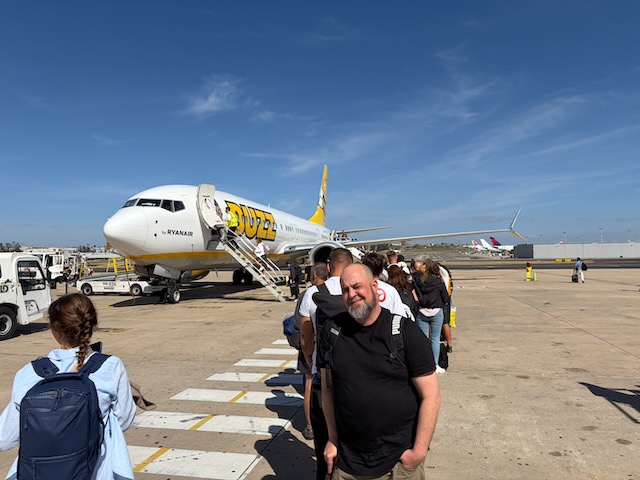
We weren’t nervous at all flying with an airline called “Buzz,” because bees hardly ever crash into things and plummet to the ground in fiery blazes. Plus Buzz Aldrin went all the way to the moon using that name, Buzz definitely wasn’t one of the names of the hookers at that brothel I never went to, and, well, Buzz is just one of the most professional and classy names I could ever imagine for an airline, so we immediately felt warm and fuzzy flying with ol’ Buzzy. Anyway, we made it most the way across Europe with barely any crashing and screaming and stuff.
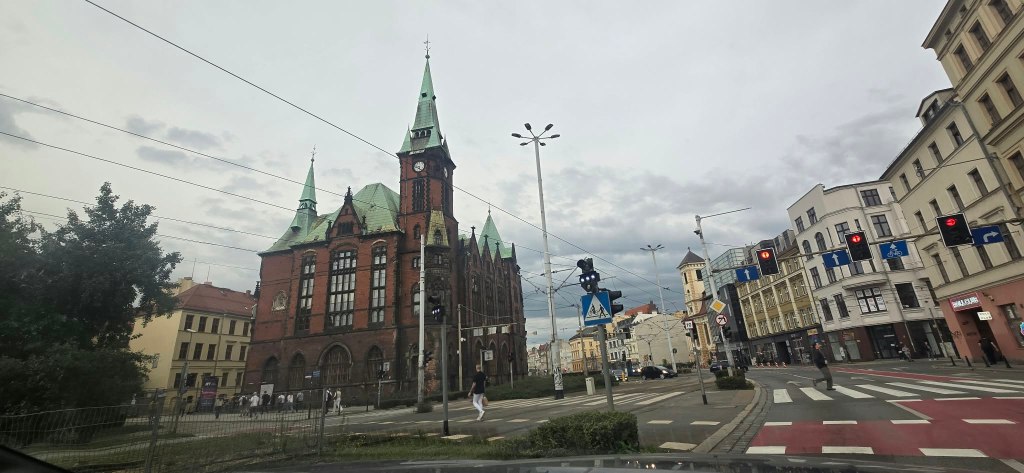
We chose Wroclaw (remember, “Rotten Wife” = Vlrawts wahf”) to fly into because Luke wanted to see Auschwitz (AU shwitz) and I’ve already been to there and Krakow (KRAH-koof), so we picked a city I’ve never been to and unknowingly could not pronounce (prə-NOWNS).
The Rotten Wife’s official population is approaching 700,000, making it Poland’s third largest city. The population of the Wroclaw metropolitan area is around 1.25 million, which is about the size of Salt Lake City, which has a lot more salt, a half a million more Mormons, and almost always the proper pronunciation of its name.
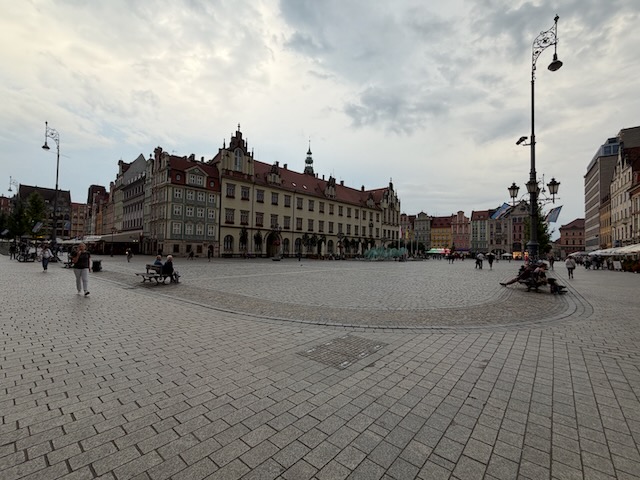
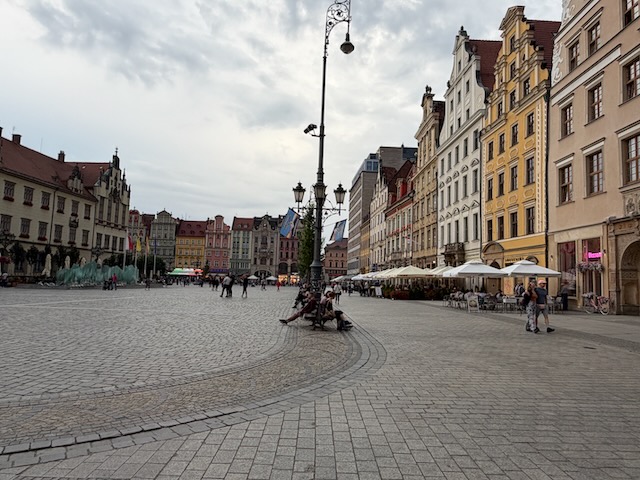
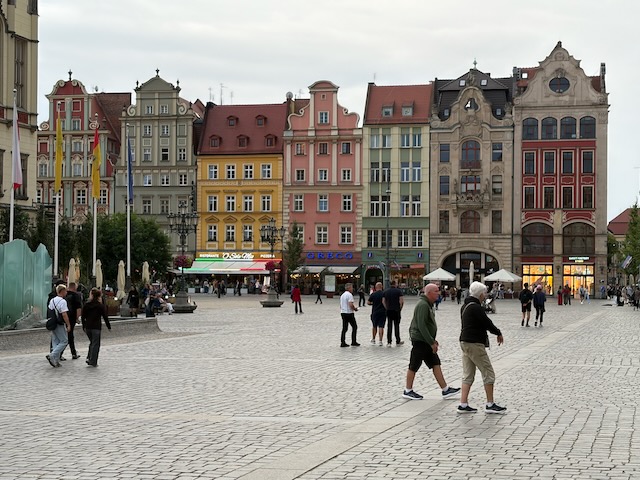
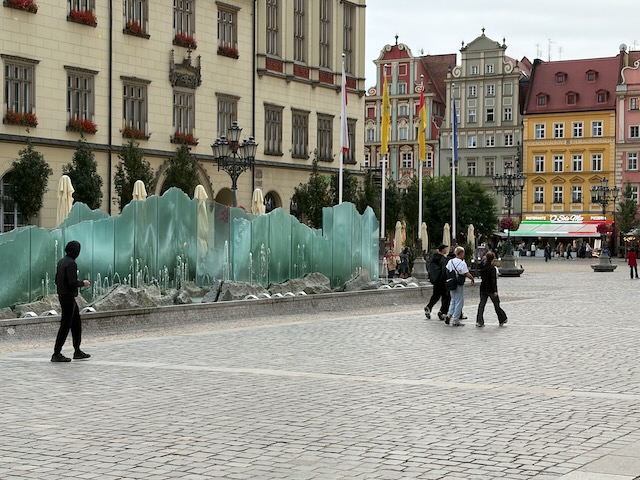
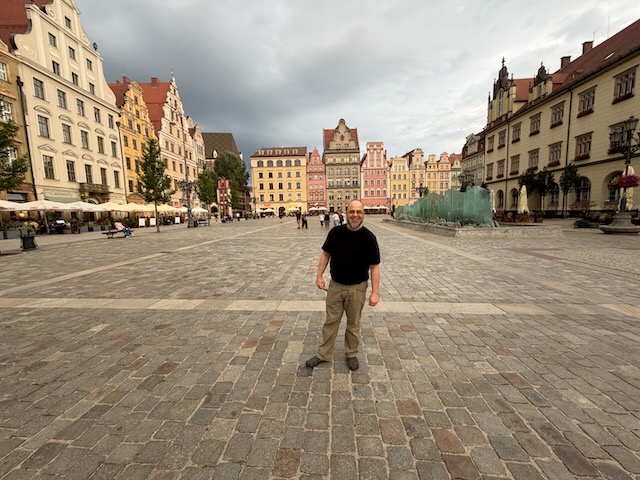
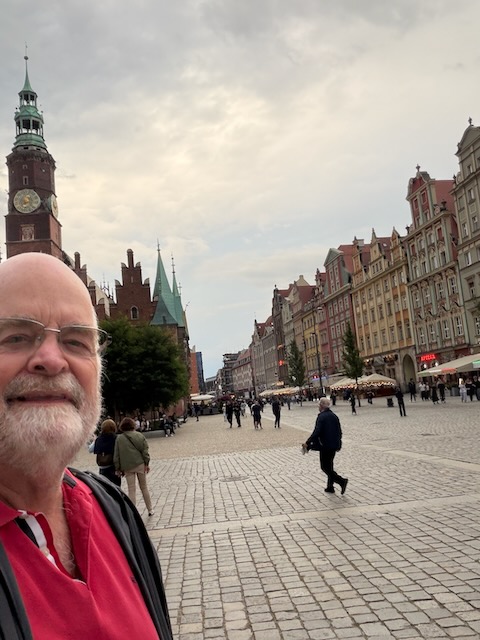
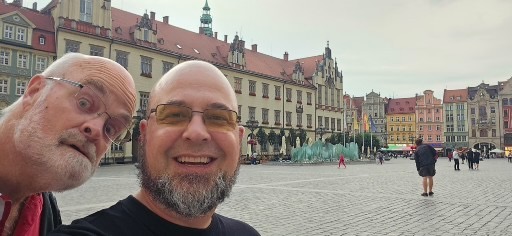
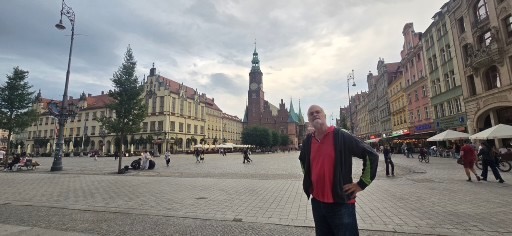
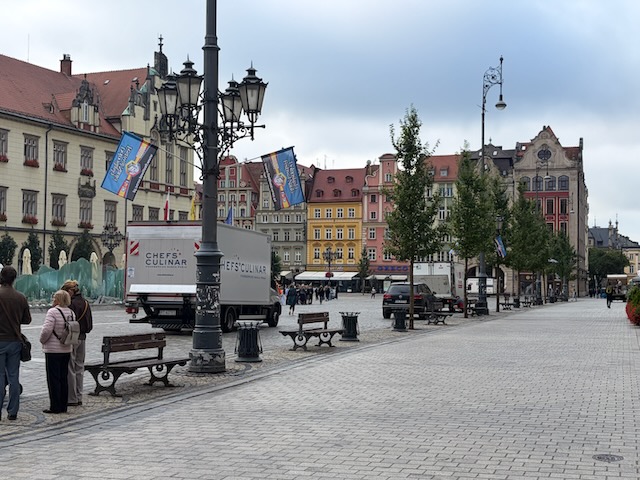
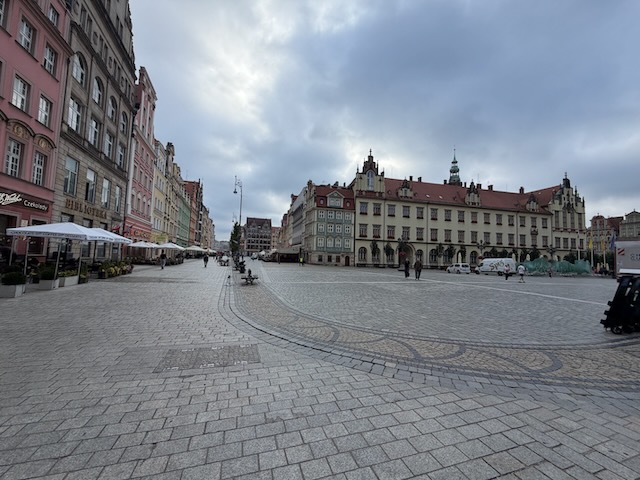
Like in Krakow, the town square dominates both the city and the tourism. Town squares are unfailingly cool, I don’t know why so few U.S. cities have anything like it. They’re just good old fashioned fun for casual strolls, or better yet, running through flocks of pigeons scaring the literal shit out of them, picking up hookers, dancing naked in the fountains, and pickpocketing unsuspecting tourists. It’s like Disneyland for people who shouldn’t ever be allowed in Disneyland.
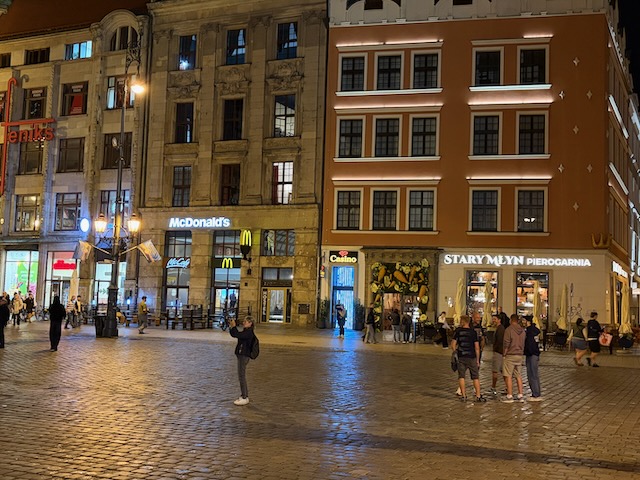
I got a kick out of the name of the restaurant on the right, “Pierogarnia.” That told me they were specialists in Pierogi, pretty much the national food of Poland. But the thing with pierogi is that the dumplings themselves have very little flavor; it’s the fillings they put in them that turn them into an enjoyable meal. So it seems to me that place like that should call themselves a “Fillingarnia” because that’s what I want them to be an expert at.
By the way, Pierogi has some extensive vocabulary related to it:
- Pieróg is the singular Polish word for one single filled dumpling, while pierogi is the plural form
- Pierożek: a diminutive form meaning a small pieróg. (Might be an effective Polish insult.)
- Pierogomat: an automated vending machine that dispenses pierogi. (We never got to see one of those.)
- Pierogowy: an adjective relating to pierogi. (Her bottom was very Pierogowy-like.)
- Pierogarnie is the plural of Pierogarnia. (So there’s more than one of those restaurants!)
- PierSmak: Seafood that tastes like licking a pier. (I just made that word up, but smak means flavor in Polish– so it’s perfect!)
- McPieróg is still not a thing at McDonald’s for some reason.
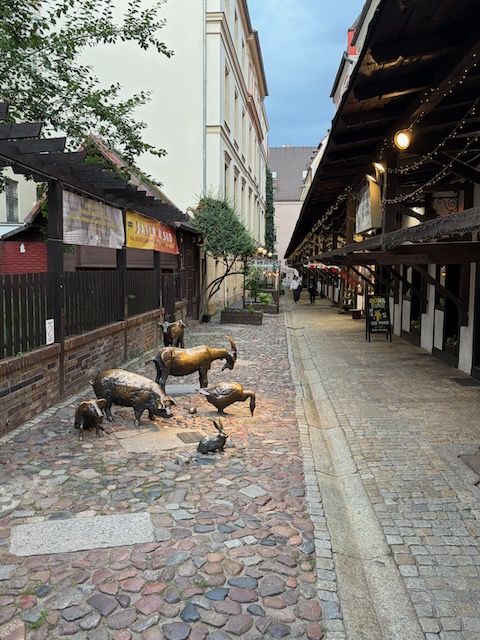
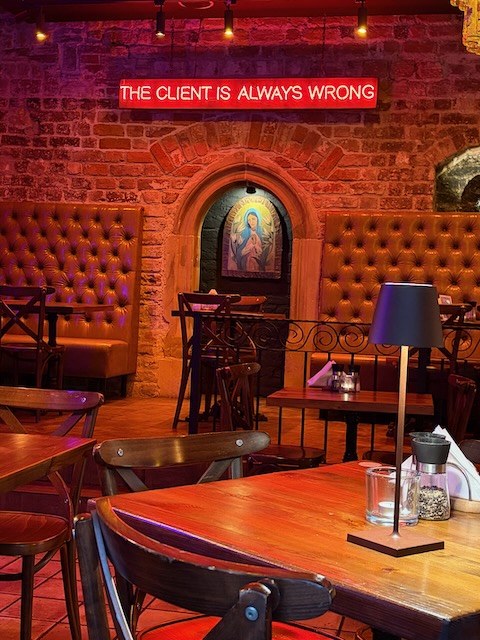
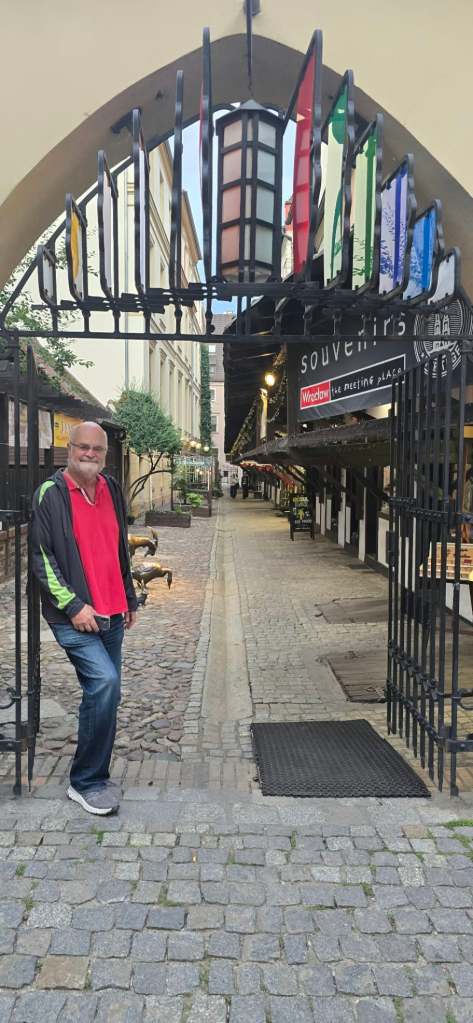
The Polish demonstrate their fun approach to life by taking farm animals and dumping them alive into hot cauldrons of molten bronze in order to create these charming and heartwarming scenes in alleys. In the next photo, you can see many Polish people apparently believe customers are always wrong, which is heresy for Americans, but actually refreshing for someone like me who ran multiple computer retail stores for a long time and can attest to the fact that when it comes to technology, customers are in fact often wrong, and the wronger they are, the louder they get (just like in politics). I did consider going inside that bar and loudly proclaiming, “I am wrong!” …and since I have to be wrong according to them, that would mean I’m actually right, but I can’t be right because I’m always wrong, but–– ach! Now that’s how you make a Polish head explode.
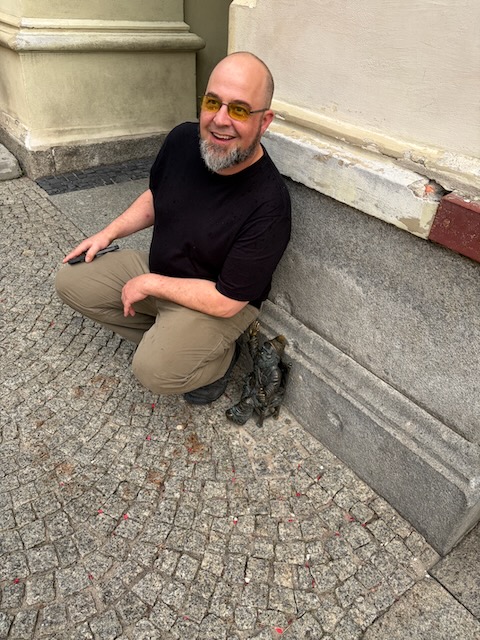
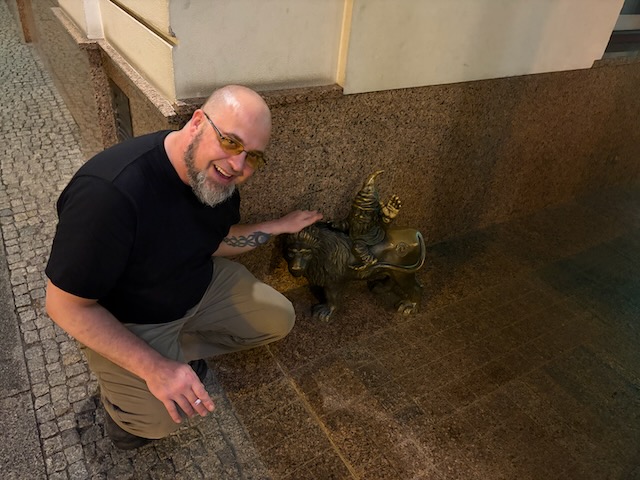
Dwarfs (it can be spelled “dwarves” too… just in case one of you was winding up to show off your grammar Nazism) are commonly spotted around the Wroclaw streets, as you can can see here as one crouches next to a very small dwarf statue. As to the statues, there are roughly 1,000 small bronze Wroclaw Dwarfs scattered across Wroclaw. They evolved from a 1980s anti-communist peaceful protest movement into a well-loved (except for those who keep tripping over them) civic symbol. But I think they’re only well-loved because it reminds most people to have some gratitude that they weren’t born a dwarf. Not that there’s anything wrong with that; dwarfs are pretty adept at killing dragons and orcs and growing amazing beards after all. Anyway, Luke kept asking me if I wanted to take more pictures of him with them every time he saw one, but I said, “I think everyone gets the idea. No one spends $100 per year on a baldsasquatch.com subscription to see 1,000 pictures of little dwarfs.” He started responding with what sounded like a question as to who the hell would ever spend– but I cut him off by saying I just saw a store.
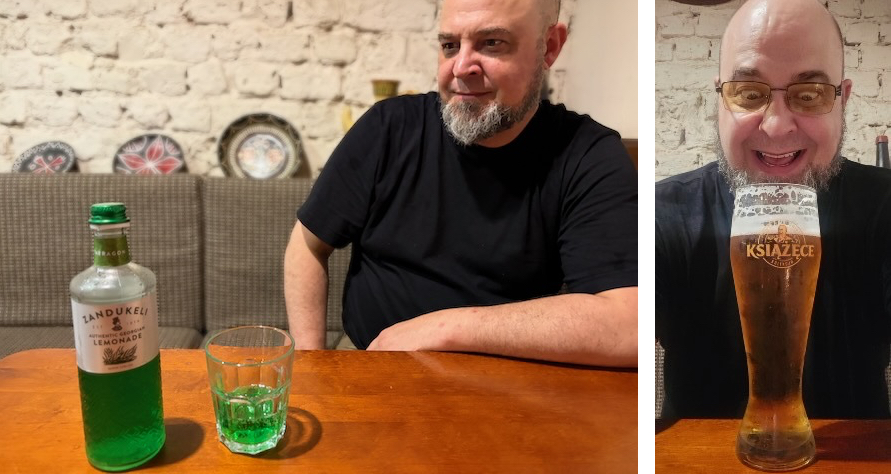
One restaurant we ate at featured a Georgian green lemonade drink that was recommended in a review, as in “Don’t pass up their amazing green lemonade drink!” I’m always intrigued by things I’ve never tasted (food and drink, mostly), so I ordered a bottle. After tasting it and then looking at the ingredients, I can tell you that all it is is sugar water with some licorice flavoring. Supposedly it’s all the rage in the country of Georgia. Luke is very simple-minded sometimes; he just kept staring at the “green juice” being unable to fathom how there could be green lemonade, and I could only calm him down by buying him a beer.
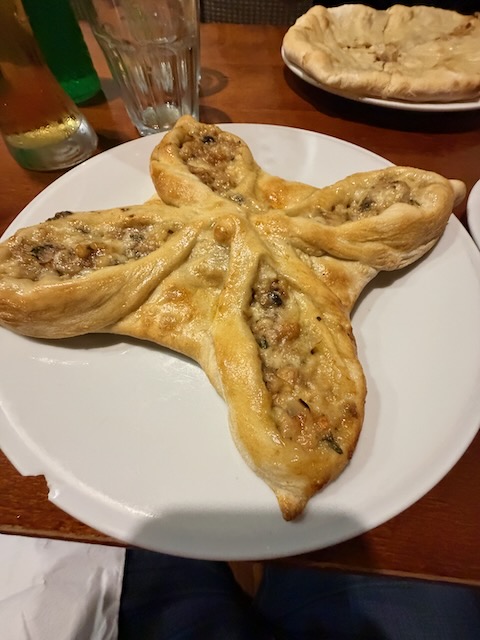
Their meat-and-potato heavy cuisine also features the occasional alien fetus. At least that’s what I told Luke it was because I liked that better than what I ordered and he immediately offered to switch after hearing that. He’s apparently on an alien-free diet.
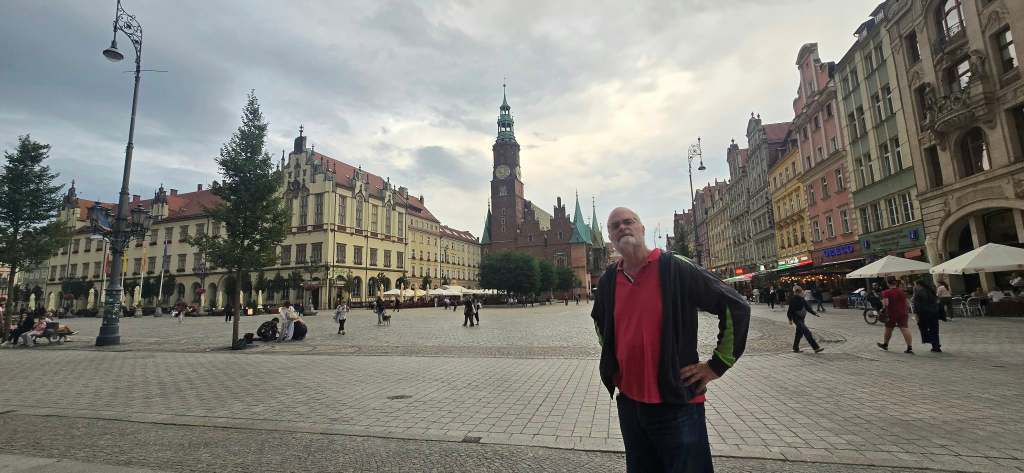
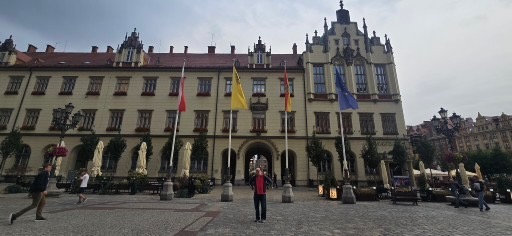
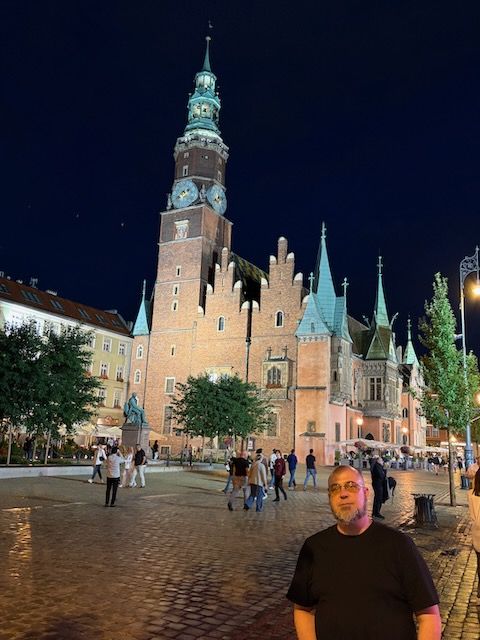
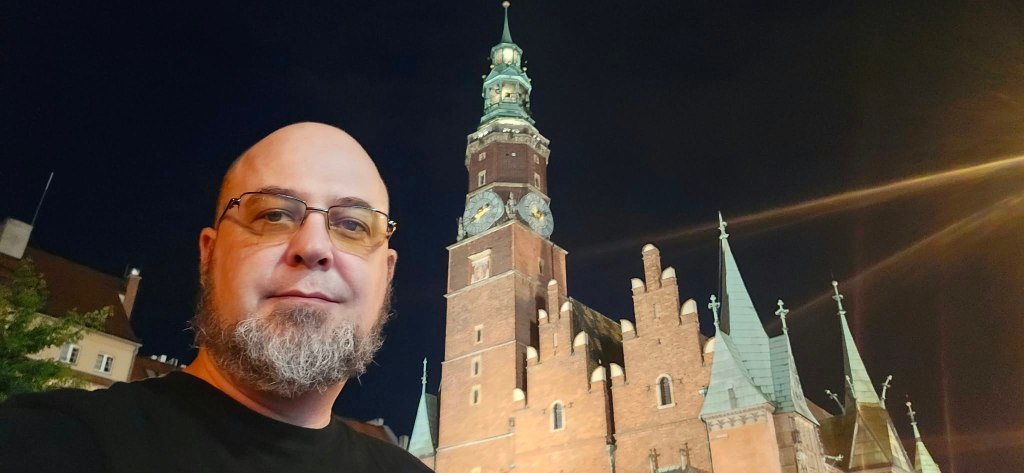
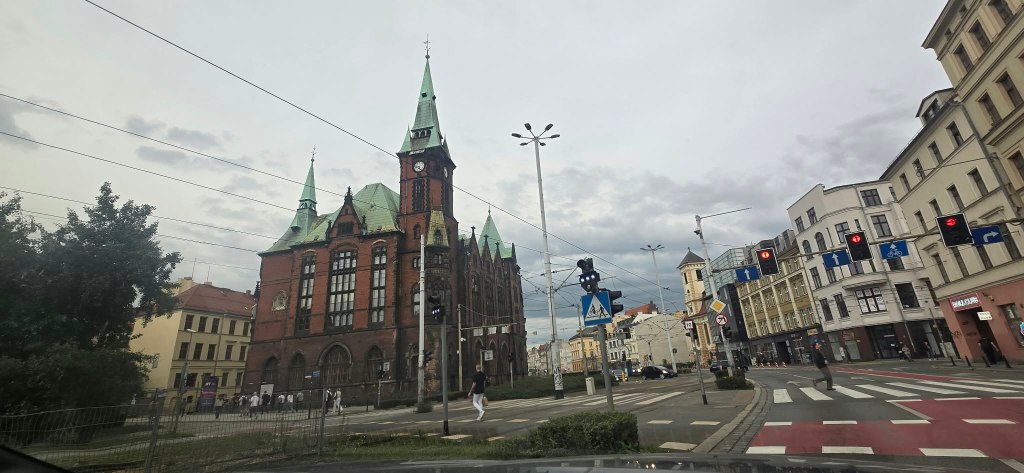
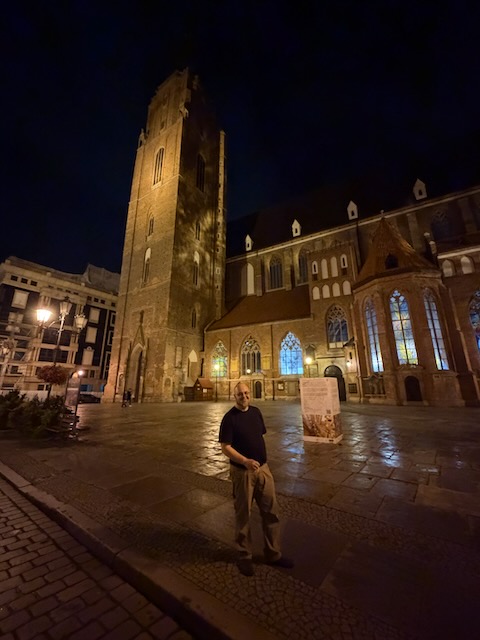
Wroclaw used to be called Breslau (BRESL-ow) when it was a part of Germany. The Unification of Germany in 1871 made Breslau the sixth-largest city in the German Empire, which they’d eventually come to regret.
In 1944, Adolf Hitler declared Breslau to be a fortress to be held at all costs. An attempted evacuation of the city took place in January 1945, with 18,000 people freezing to death in icy snowstorms of −20 °C (−4 °F) (−f**king cold) weather. Soon the city became part of the front lines and was the site of the brutal Siege of Breslau, which by coincidence was the same name as the city itself. By the end of the three-month siege, half the city had been destroyed, with about 80,000 civilian deaths. Breslau was the last major city in Germany to surrender, capitulating only two days before the end of the war in Europe.
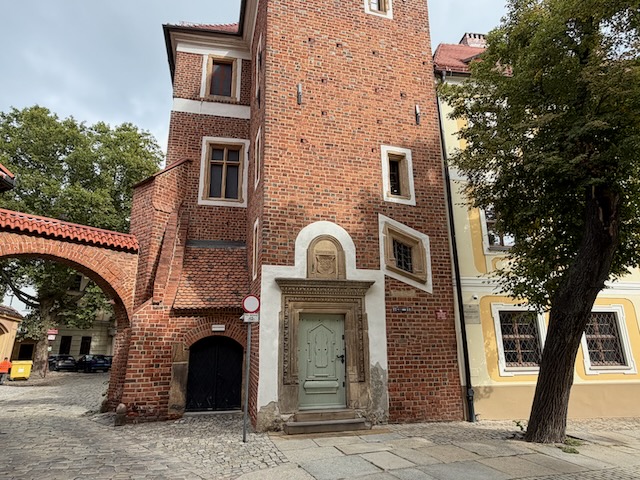
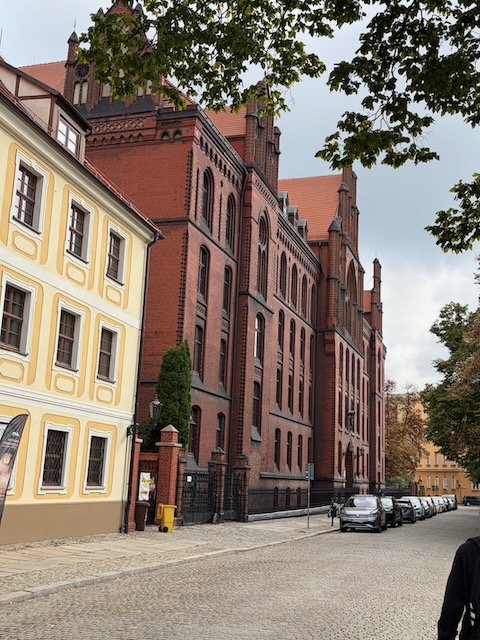
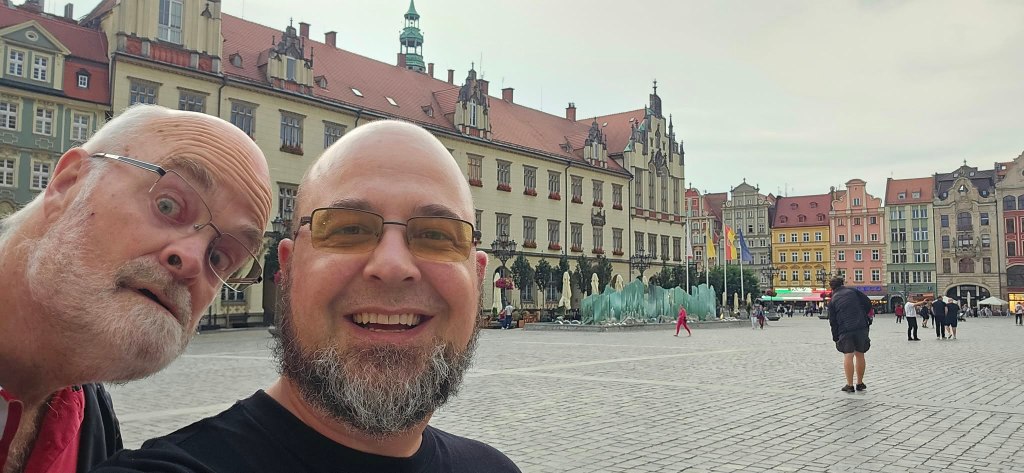
At the Yalta Conference in February of 1945 it was decreed that the city would become again a part of Poland in exchange for Poland’s loss of the city of Lwów (like, lwow man) along with the massive territory of Kresy in the east, which had been annexed by the Soviet Union. The Polish name of Wroclaw was declared official, even though no one could pronounce it except for ex-husbands.
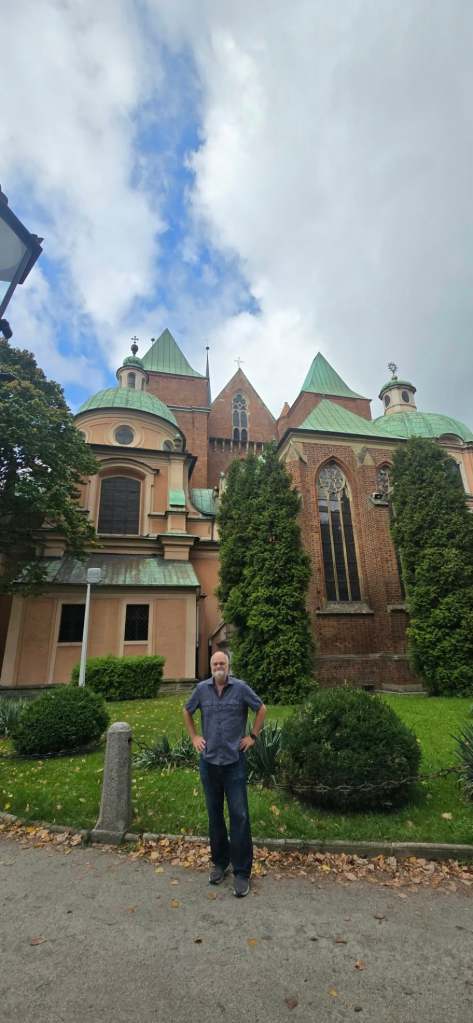
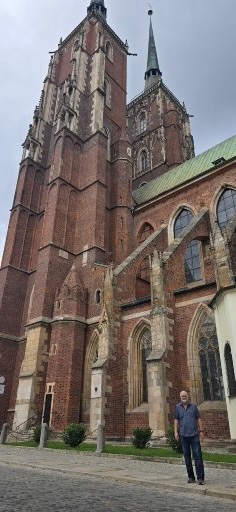
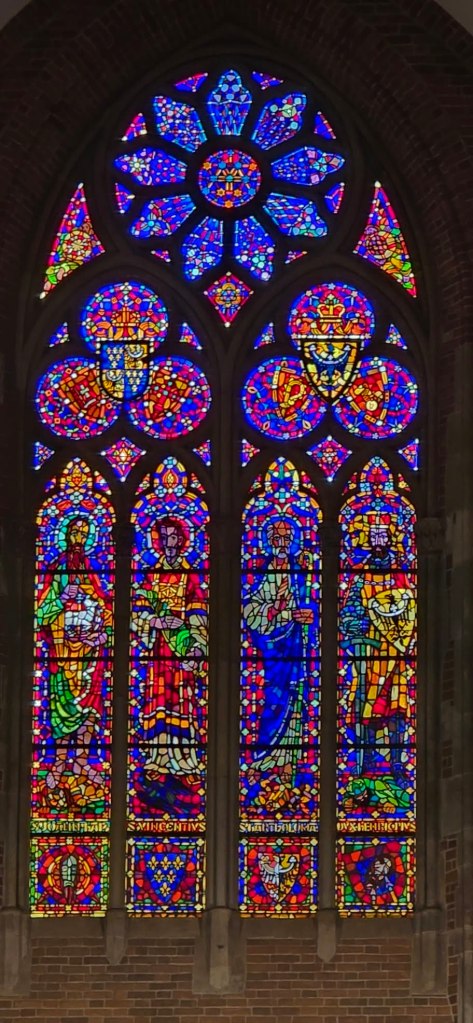
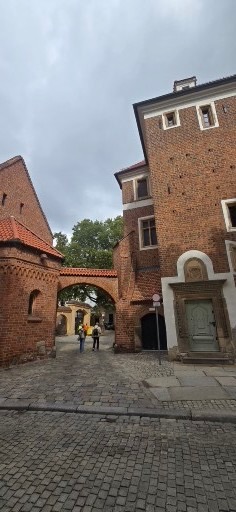
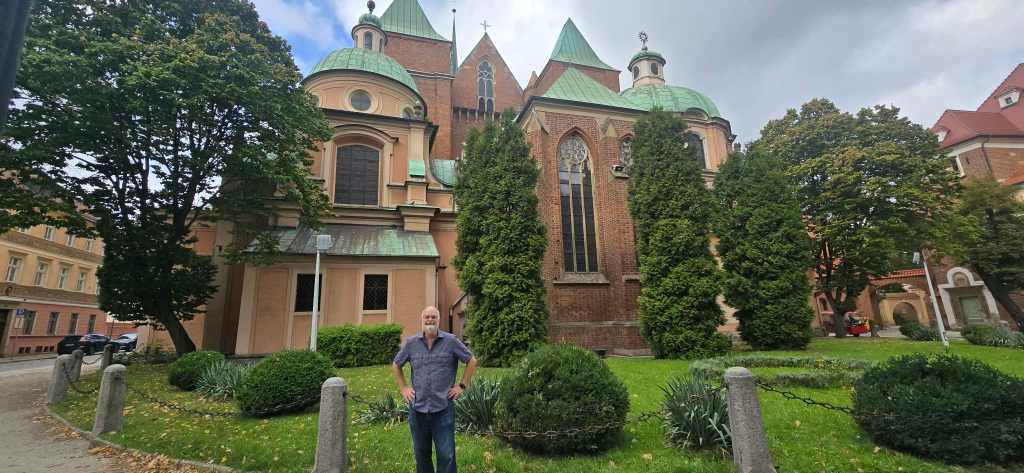
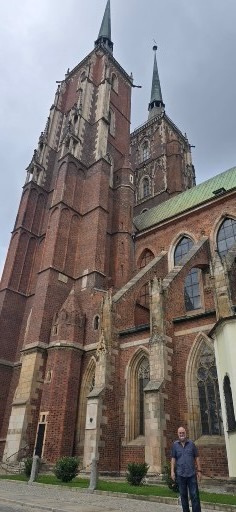
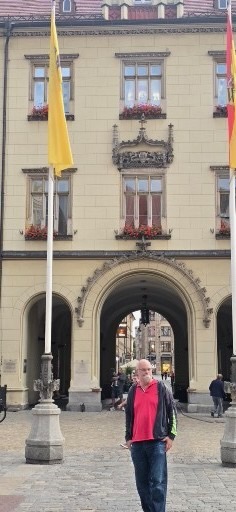
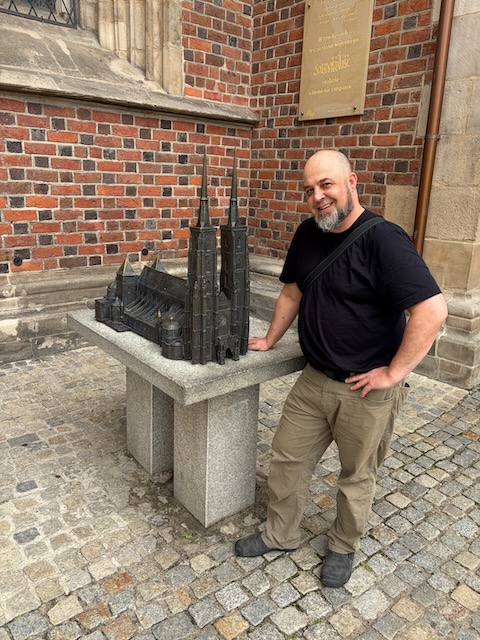
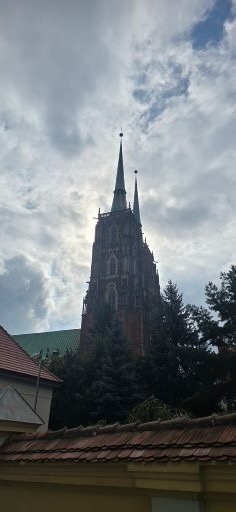
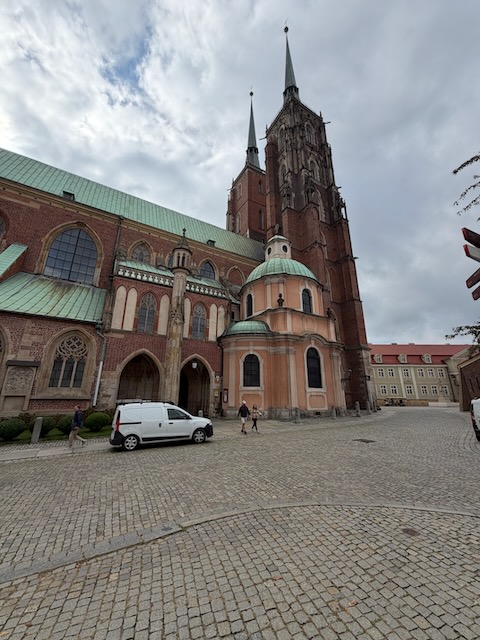
The Old Town of Wroclaw is listed in the Registry of Objects of Cultural Heritage, on Poland’s list of National Monuments, and in Baby’s First Book of Cool Old Buildings. Its historic buildings include examples of Brick Gothic and Baroque architecture. Examples of Neoclassicism, Gründerzeit and Historicism can also be found in the city centre. If any of the pictures we took illustrate any of those things, it was completely on purpose.
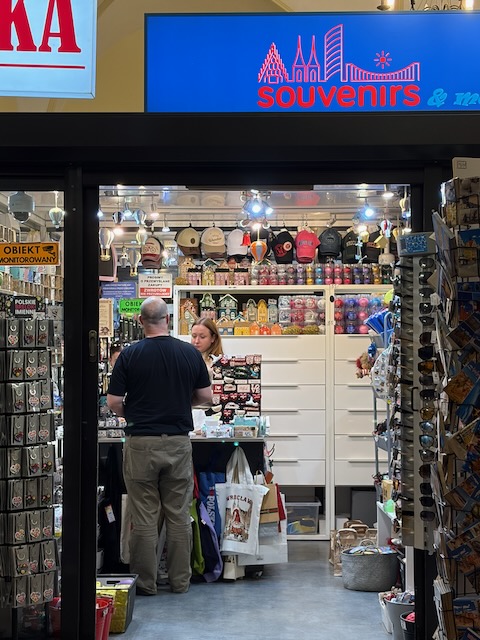
Luke rarely walked past a souvenir shop without stopping, as he looked for the latest in refrigerator magnet technology, shot glass design, hoodies, and touristy gifts for his wife and son. He returned to the US with an extra piece of luggage just to carry everything he bought. The bad news is once he got all the refrigerator magnets in place and opened the door for the first time, the weight of all those magnets tore the door right off its hinges.
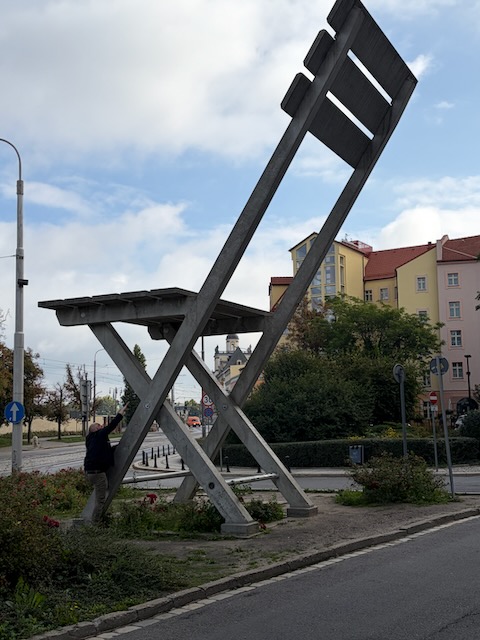
This is a giant chair in front of our hotel. If you have to ask why, you simply don’t get it.
I don’t get it.
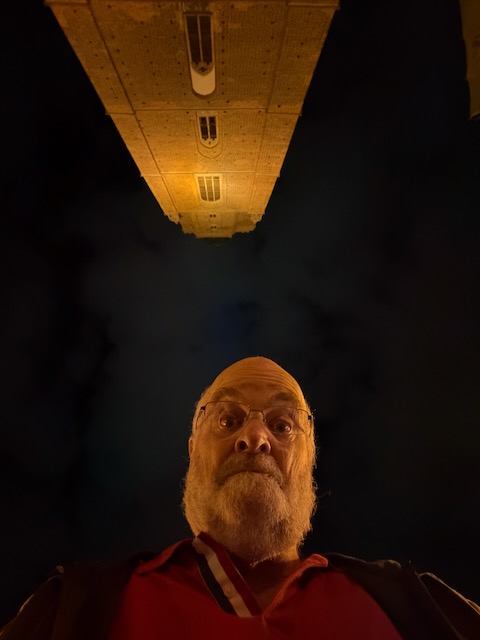
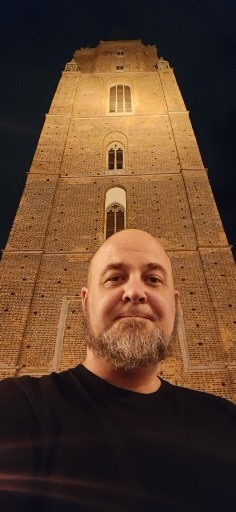
Maybe we shoulda just shared a camera. But then again, I was able to select the best giant chair shot from both libraries so maybe having two shots of everything wasn’t a horrible idea.
Once we had conquered Wroclaw’s many tourist shops, we made the drive down to Auschwitz, which, as all my most ardent followers know, I had visited before, detailing everything in this blog entry.
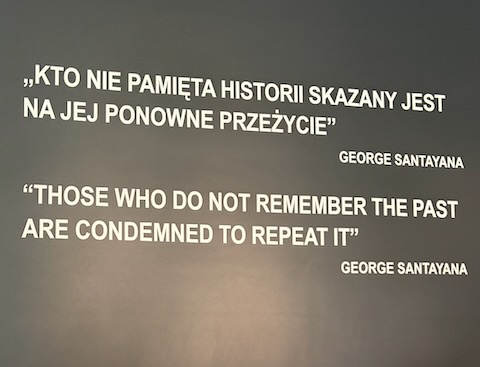
Since the above quote is still maddeningly accurate, especially in light of current world events where we’re seeing the far right popping up again in Germany, Russia doing everything it can to prove it’s still the world’s worst neighbor, and the US shooting itself in the foot so many times internationally that it may well pave the way for the country going metric since it won’t have any feet left, we’ll offer up a few new photos as reminders of one of the most horrific places in human history. And, sadly for me because it’s such a struggle to write that way, for the rest of this entry I have to tamp down the humor. What? Yes there was humor up there, I’m sure you at least snickered at some point. If not, sometimes you just have to read slower. Oh wait, I do have one more joke I have to sneak in before we get all serious:
Y’ know, Hitler wasn’t all bad. After all, he did kill Adolph Hitler.
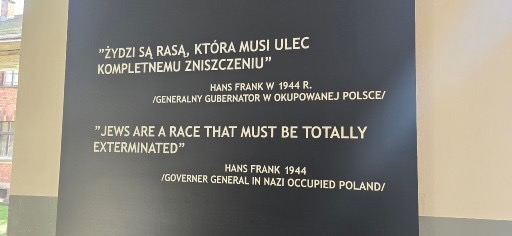
Okay, so now with my serious hat sitting firmly on my head:
For me, Auschwitz, if we use it to represent the German desire to exterminate all Jews, is an example of something that just maybe should remind us of the following: You are absolutely not smart enough to have unshakable opinions on any political or economic matter, ever.
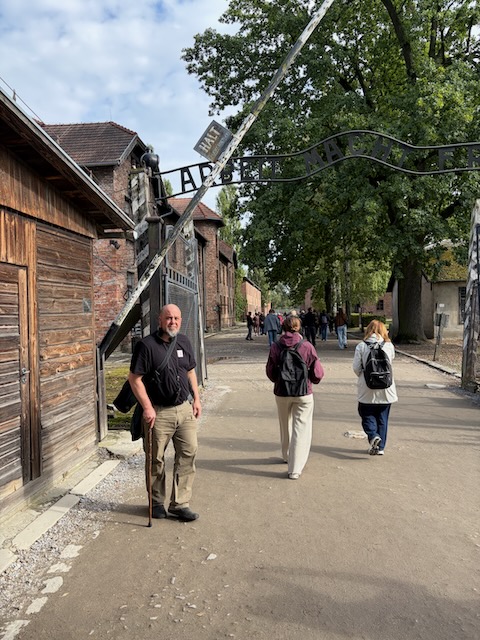
Auschwitz teaches us that. Why? Because Auschwitz reminds us that the modern, first-world human brain can be so unfailingly stupid and impressionable that a good percentage of them actually believed that a “race” of any kind was responsible for their misery, including their loss in WWI, so maybe extermination wasn’t such a bad thing. The country and its citizens believed that so much so that the country created tens of thousands of labor camps, transit camps, and ghettos during the war, so it’s not like it was hidden. It’s not just Auschwitz and a handful of other famous camps. It’s tens of thousands. When you truly process that, the only real conclusion possible is that we should always remember that we’re just too damn stupid to be certain of anything, so allow for the possibility you could be wrong, always.
That’s just my take and opinion. Which could be wrong! But I think an accurate truism is that it’s usually the most ignorant people who have the most certainty that their opinions are right.
So don’t be dumb. Reserve the right to be wrong.
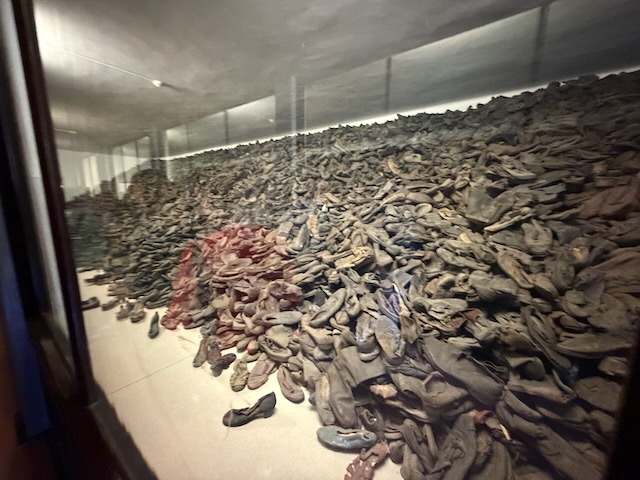
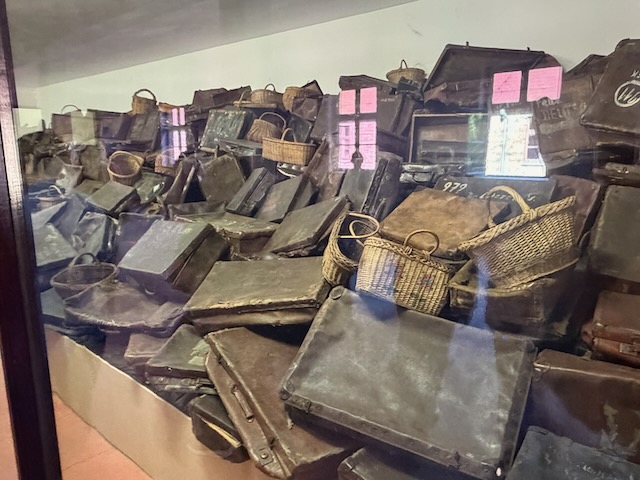
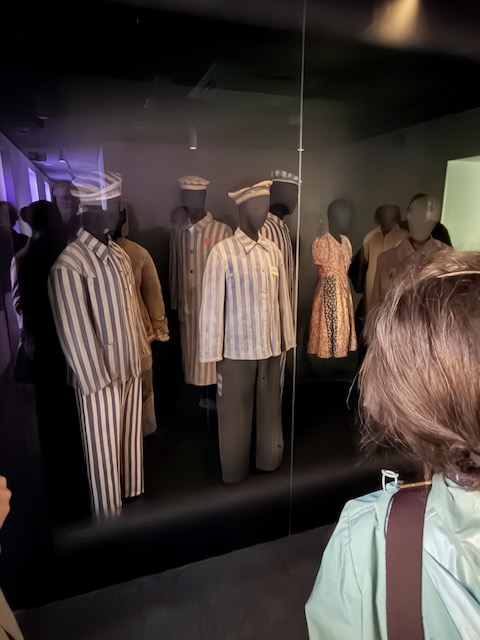
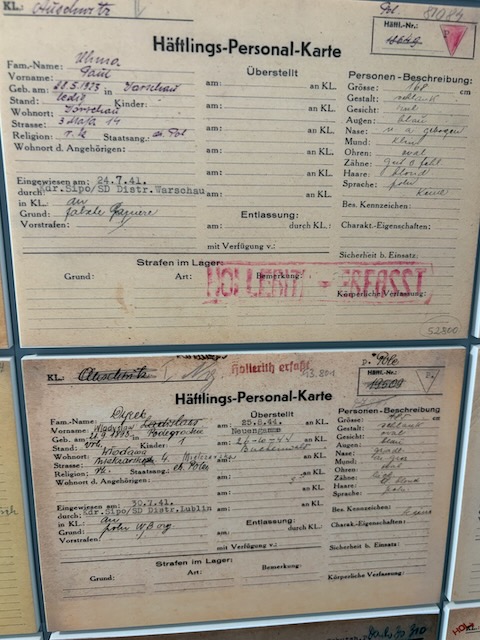
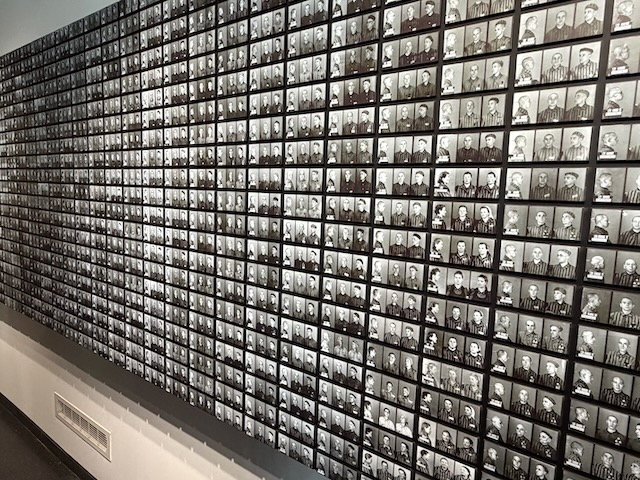
These were all real people, with lives, and loves, and families, and all they were ever trying to do is just live a happy, peaceful life. The idea that they should be exterminated is so completely ridiculous it absolutely has to call into question how our brains work.
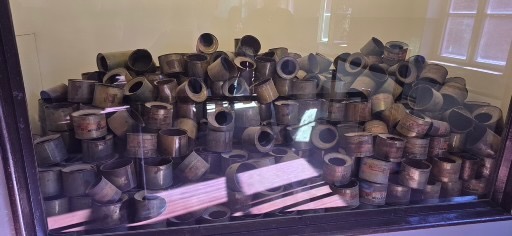
Insecticide became the method of choice for industrial-level mass extermination. Which is ironic because the perpetrators of this madness were only using insect-sized portions of their brain.
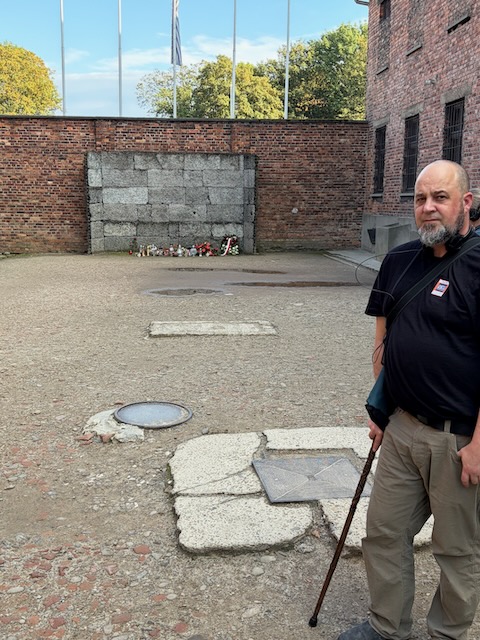
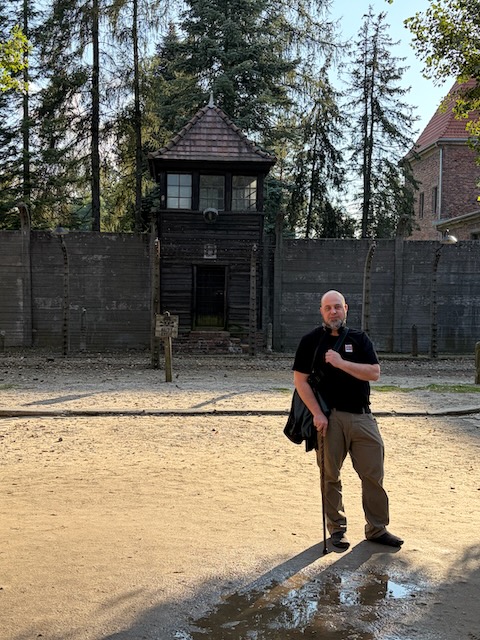
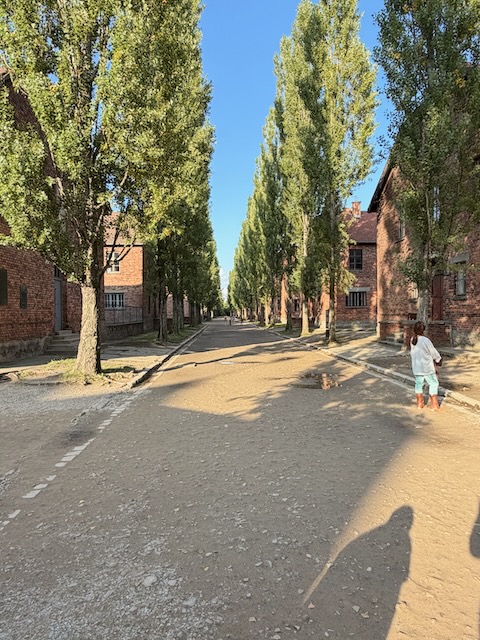
At Auschwitz itself, victims can be broken down into the following groups with these estimated number of deaths:
Jews: 1,000,000 deaths
Poles: 70,000 deaths
Roma and Sinti: 21,000 deaths
Soviet prisoners of war: 15,000 deaths
Other nationalities and groups: 12,000 deaths
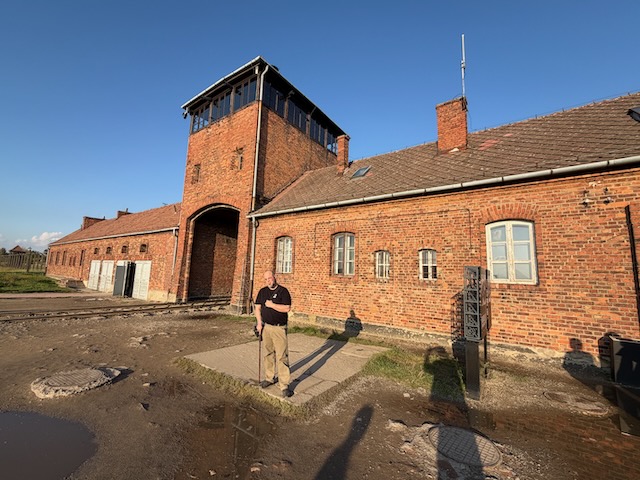
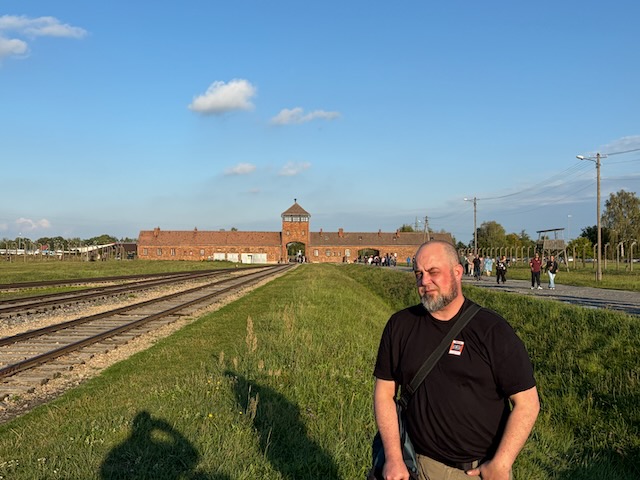
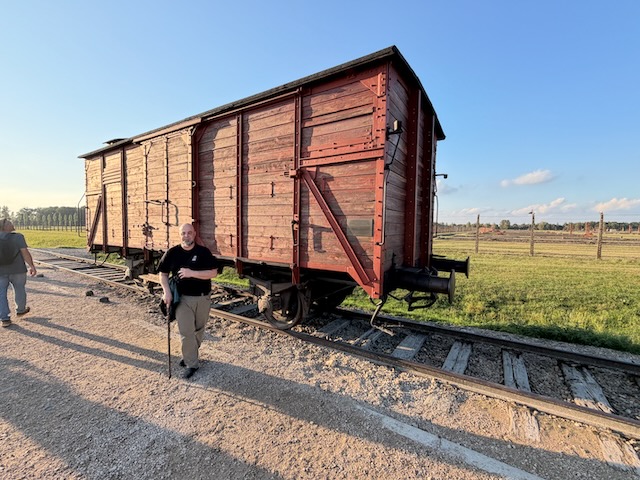
Auschwitz was the largest and deadliest of the six Nazi extermination camps—a place where over a million innocent people were systematically tortured, dehumanized, and murdered during World War II and the Holocaust as part of Hitler’s genocidal campaign.
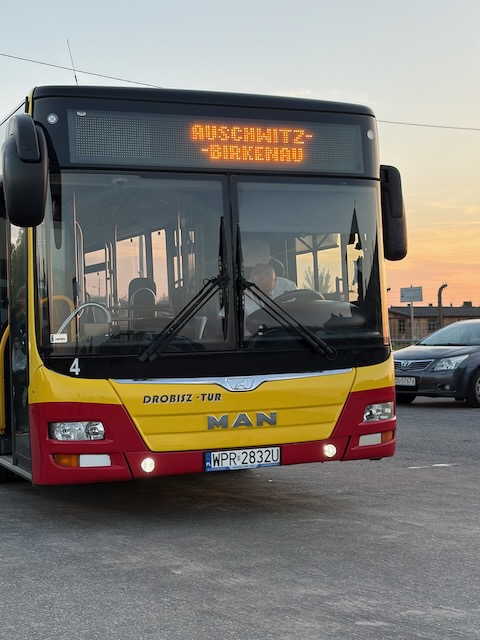
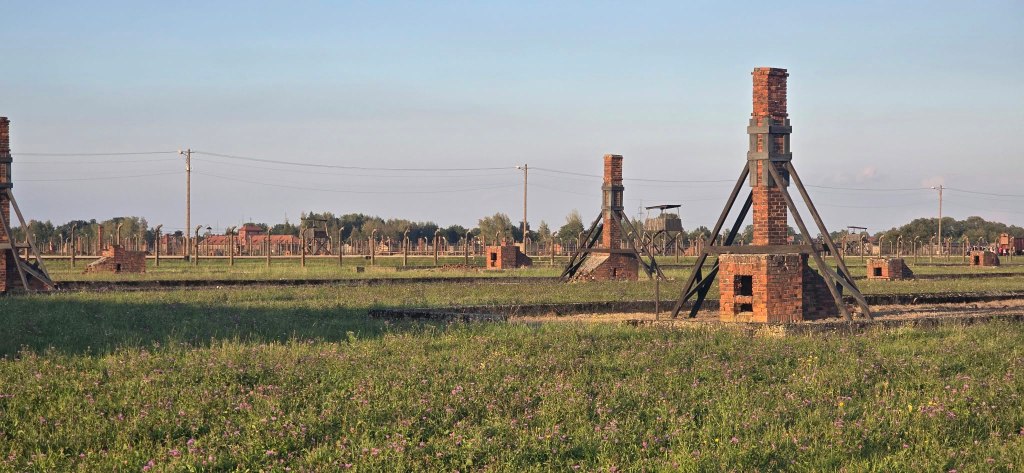
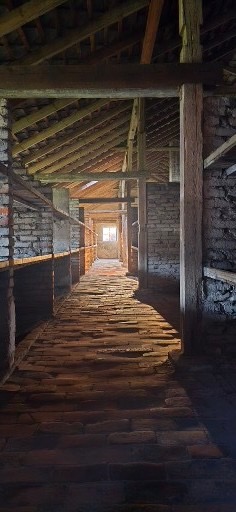
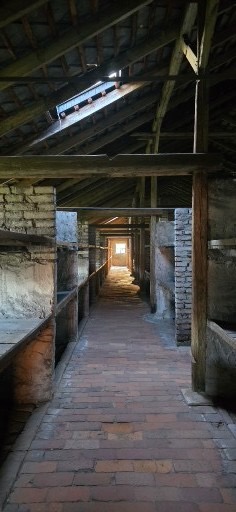
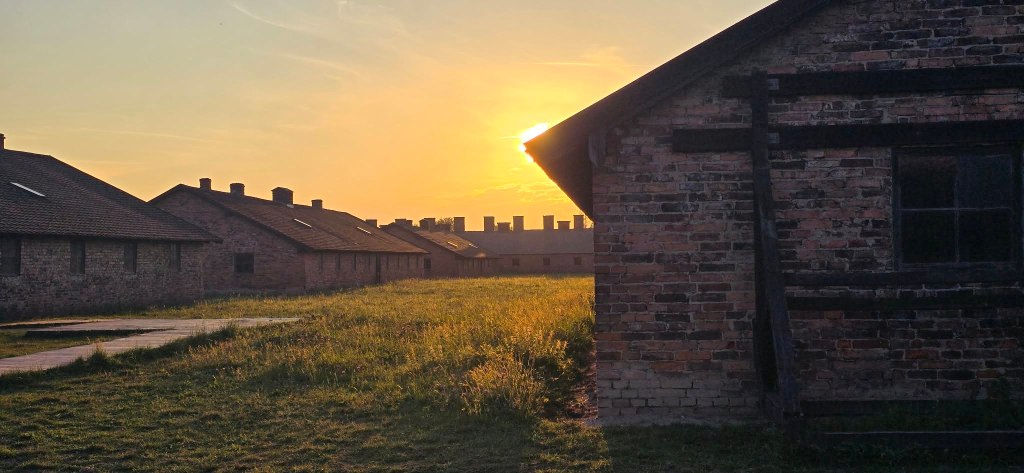
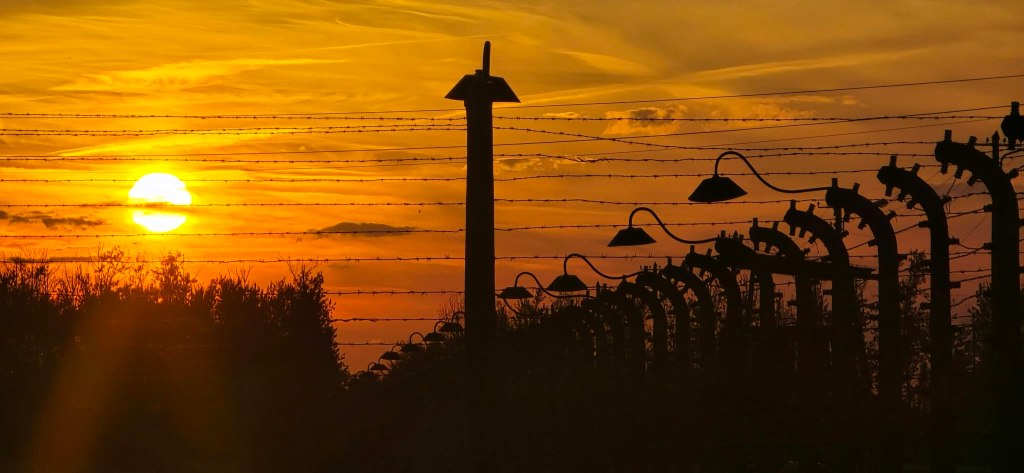
Auschwitz was not a single camp, but a massive complex consisting of three main camps and nearly 50 sub-camps, The three primary camps each served distinct, horrific roles within the Nazi regime:
- Auschwitz I (The Stammlager / Main Camp): Established in 1940 in Oświęcim, this was the original camp and served as the administrative center for the entire complex. It primarily held Polish political prisoners, Soviet prisoners of war, and other targeted groups under brutal conditions.
- Auschwitz II-Birkenau (The Extermination Camp): Opened in 1941, this vast site was located about two miles from the main camp. It was designed primarily for the systematic mass murder of European Jews. It contained the infamous railway tracks leading directly into the camp, massive wooden barracks, and the primary gas chambers and crematoria.
- Auschwitz III-Monowitz (Buna): Established in 1942, this was a massive forced-labor camp built to provide enslaved workers for a synthetic rubber and fuel plant operated by the German chemical conglomerate IG Farben.
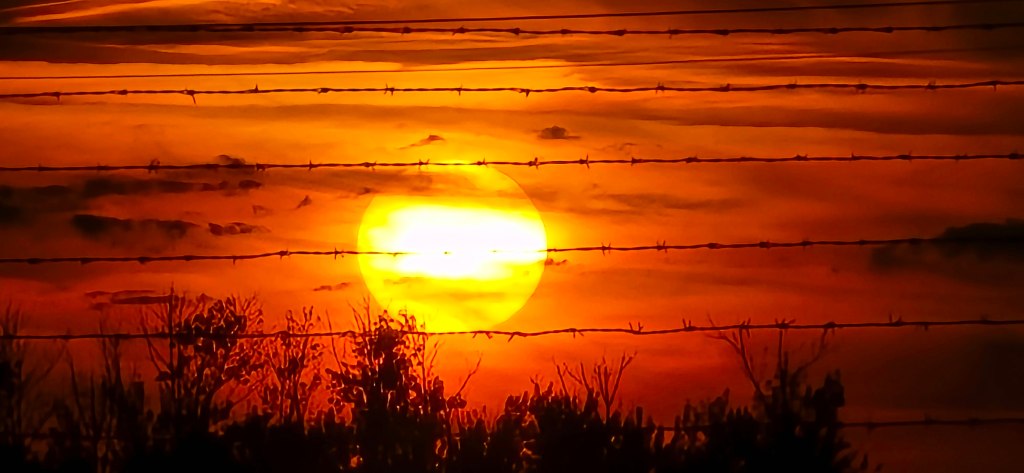
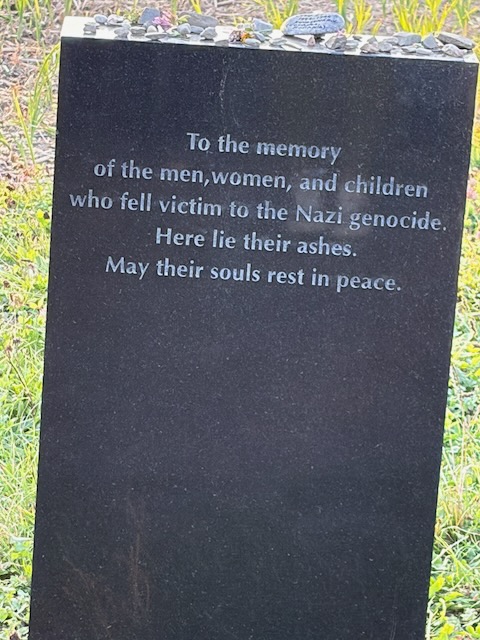
(Scroll down to see previous entries.)

