
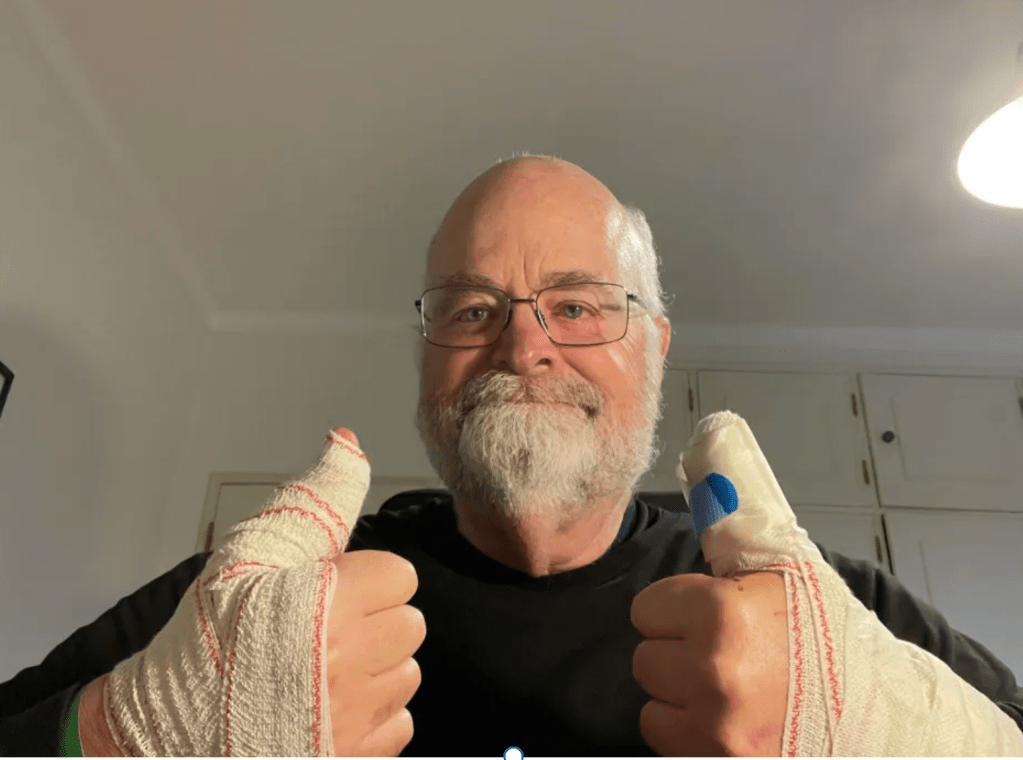
Okay, that was just my lame attempt at sensationalist journalism by tying two unrelated topics together in order to make it sound alarming. What I really meant is that while I was in the midst of completing this second entry on Budapest, I was attacked by a dog and lost use of my thumbs for a while, which is why this entry took longer than planned to complete.
Here’s the backstory: I was volunteering at a dog rescue center here in Portugal, and failed to heed the warning signs the dog, who I had just taken for a nice walk, was giving me that he was really hankering for a couple of thumbs for breakfast.
Granted, the warning signs were easily missed within the 4/10ths of a second it took from him being my friendly walking companion to turning into an unhinged lunatic, maniacally biting whatever his teeth encountered with a force equal to a really pissed off Jaws. I can vividly replay in my head the feeling of his teeth sinking deep into my flesh like butter. The dog was seriously berserking: he was absolutely out to hurt me as badly as possible. While I was being eaten, I seriously regretted ever calling his mother a bitch.
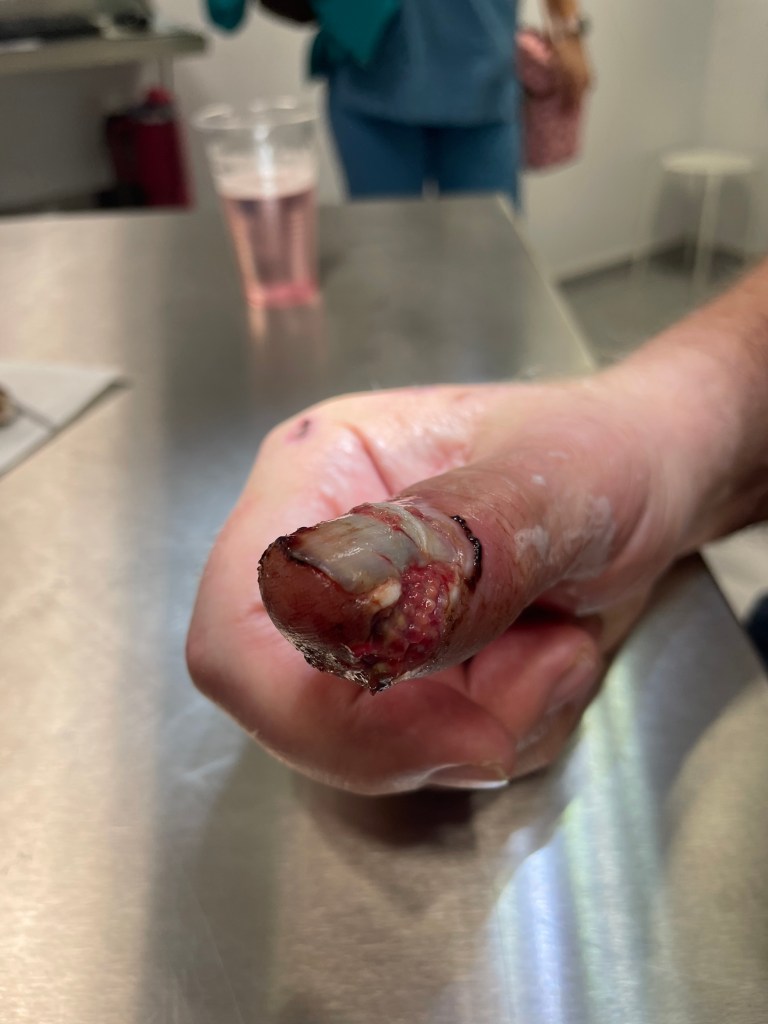
Thankfully, not all dogs are psychopaths, and in fact I was rescued by a canine hero who burst into the kennel and took on the savage beast in my stead, allowing me to escape with thumbs mostly still attached. I staggered around in a daze for a minute marveling that the pain hadn’t hit yet, even though my thumbnail was so loose it looked like it was floating on my thumb. Fortunately, they had a small medical station just for this type of emergency. While I was being patched up in preparation for the ride to the hospital (mainly so I wouldn’t bleed all over everything) I asked the nurse (at least I think she was a nurse, she was very nurse-like if not) if I’d be able to play the piano after all this. When she indicated that she thought I surely would, I said, “Awesome! Because I could never play it before!” Even on my deathbed (well, thumb deathbed), I’m cracking a bad Dad joke, and a tired old one no less. But I was betting most Portuguese might never have heard it, and I was right! Of course, that just points out that there are multiple ways to be lame.
The incident made me interested in the etymology of the word, “canine,” seeing as how one just tried sending me to doggie heaven. I believe it came from a conversation that went something like this: “How many fingers are you likely to have after a fierce dog attack?” (Man pauses to think.) “Hmm… ‘kay, nine.” And that’s how words get made, my friends.
Anyway, since I usually type almost exclusively with my thumbs, I’m now forced to type very slowly with my elbows, so be sure to read it slowly so you don’t get ahead of the words. Now back to our regularly scheduled programming:
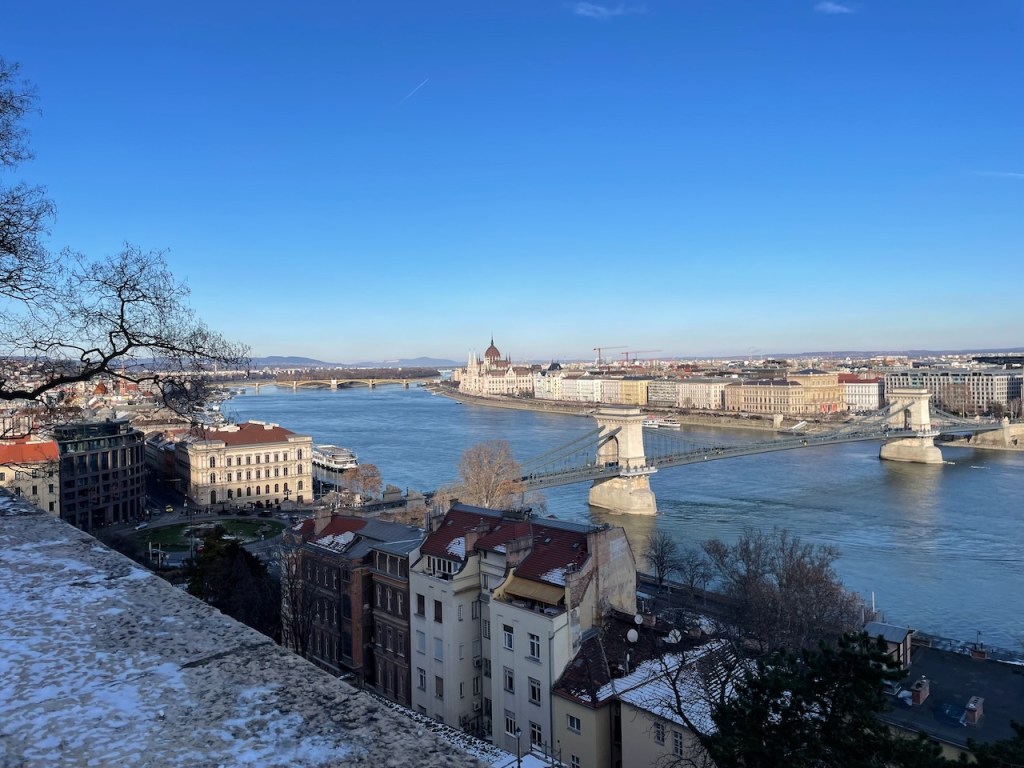
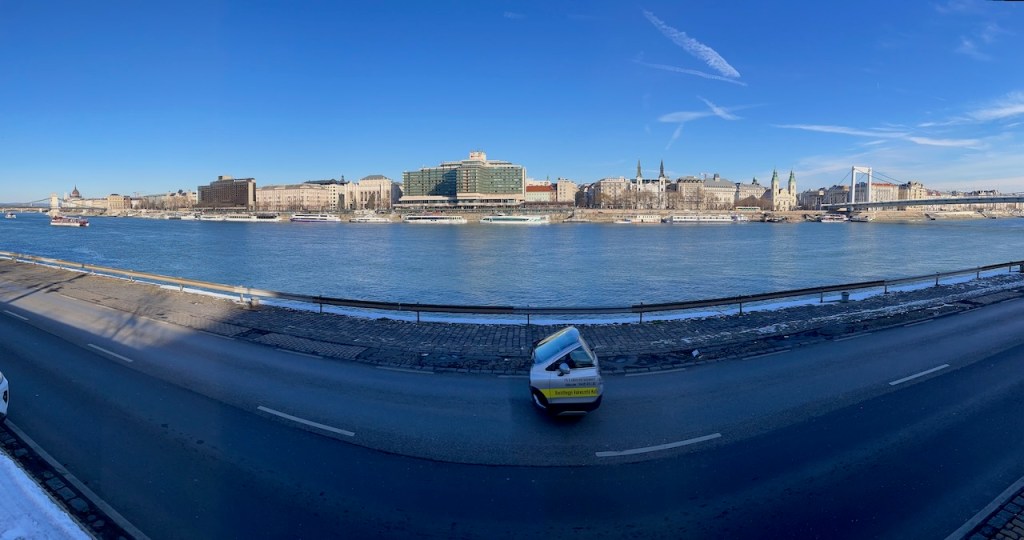
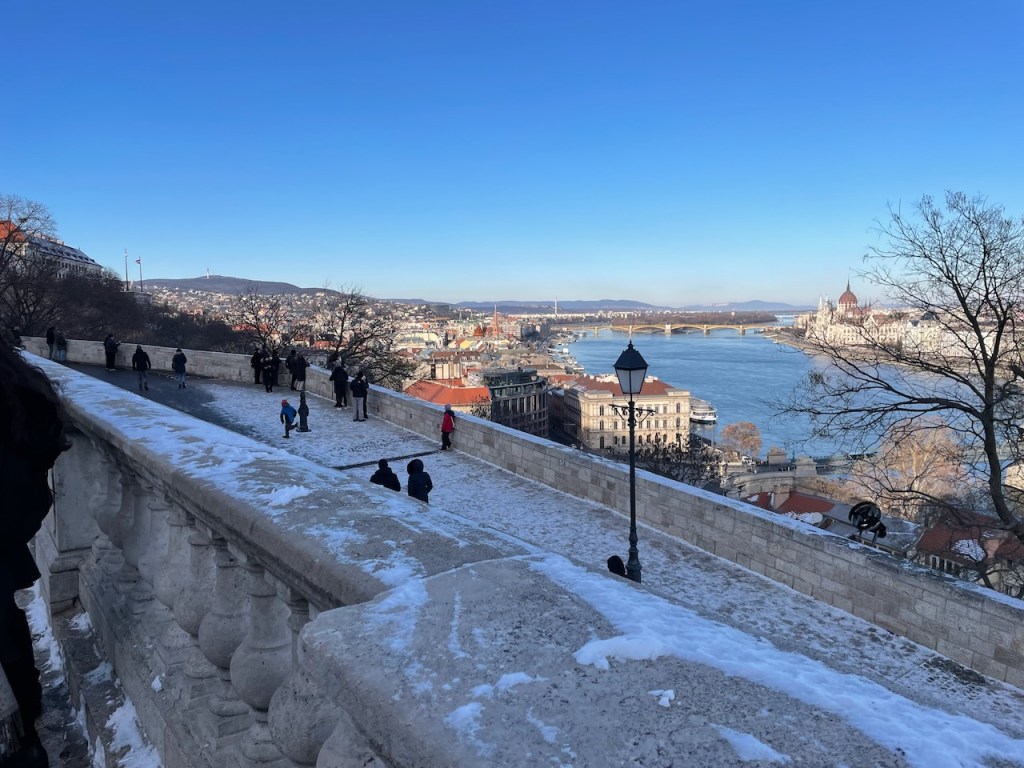
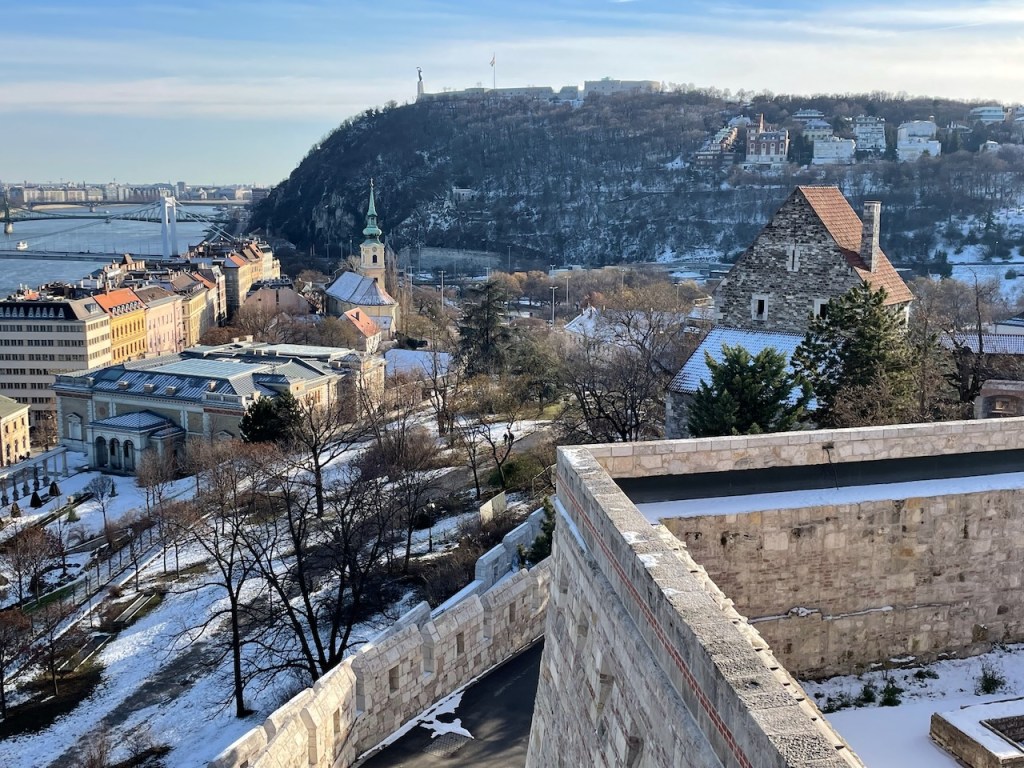
I walked across the river to the former town of Buda (apparently I got a few details wrong about the town names in the last post, sorry, my bad) and noticed a grandiose set of buildings on a hill overlooking the Danube and the former town of Pest, which, to be fair, is definitely a town name someone like me must make fun of if only because of implied reader covenants.
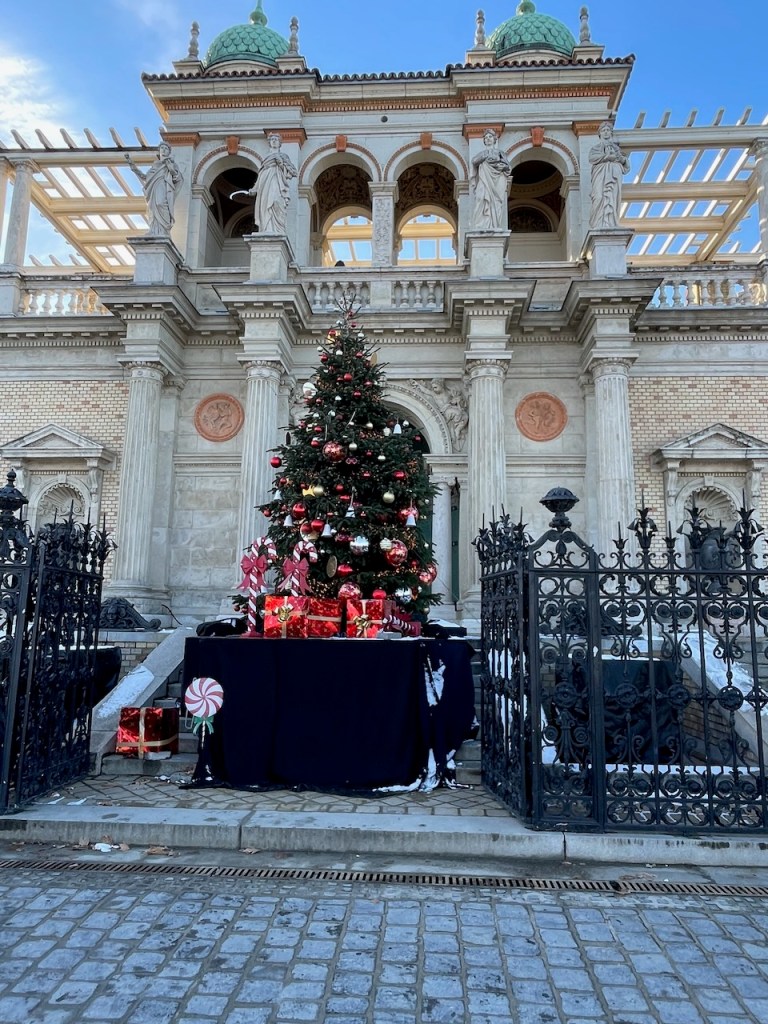
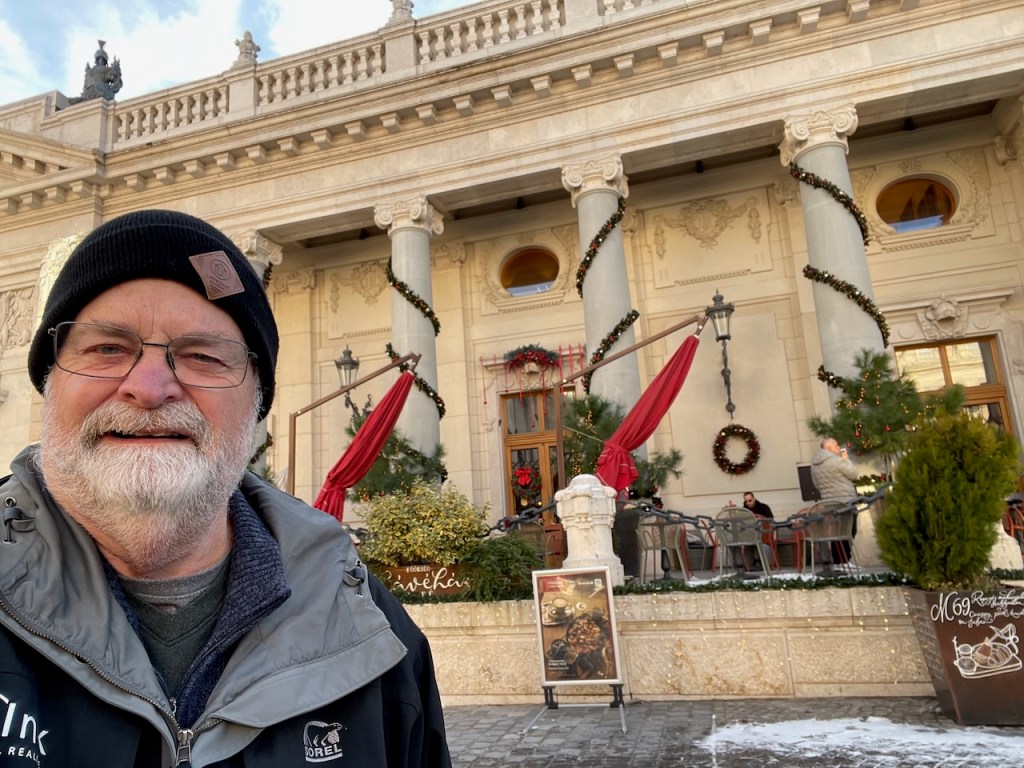
I was there in early January, so they hadn’t taken all their Christmas decorations down yet. Hungary’s religious history, starting around 1000 AD, is like a pinball machine, with the metal ball bouncing noisily between bumpers representing various Christian denominations, including Catholicism, Calvinism, Lutheranism, Jismism, Unitarianism, Festivusism, and none-of-the-above-ism. After WW II the Communist overlords persecuted churches, banned religious education, imprisoned clergy, and gave nuns vigorous wet willies. After 1990, when Hungary completed its transition from a communist state to a parliamentary democracy, religious freedom was restored. Today, Orban’s government is heavily promoting “Christian values” (which somehow always means, “keep the foreigners out!”), but church attendance remains low and Hungary is among Europe’s most secular societies in daily life.
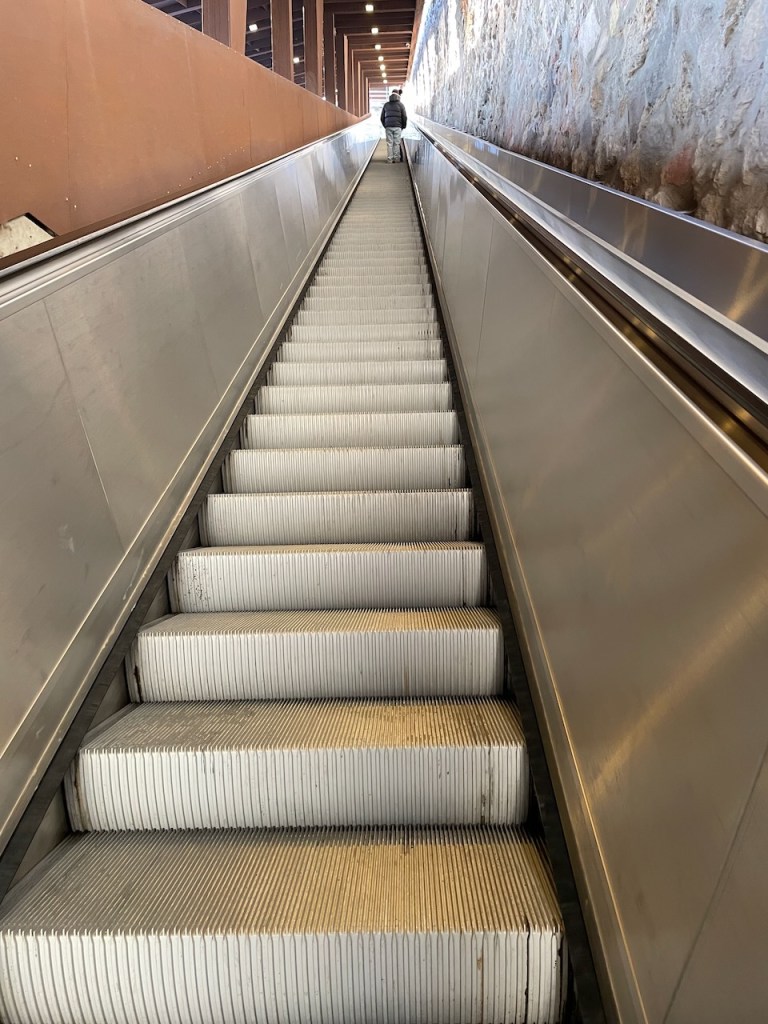
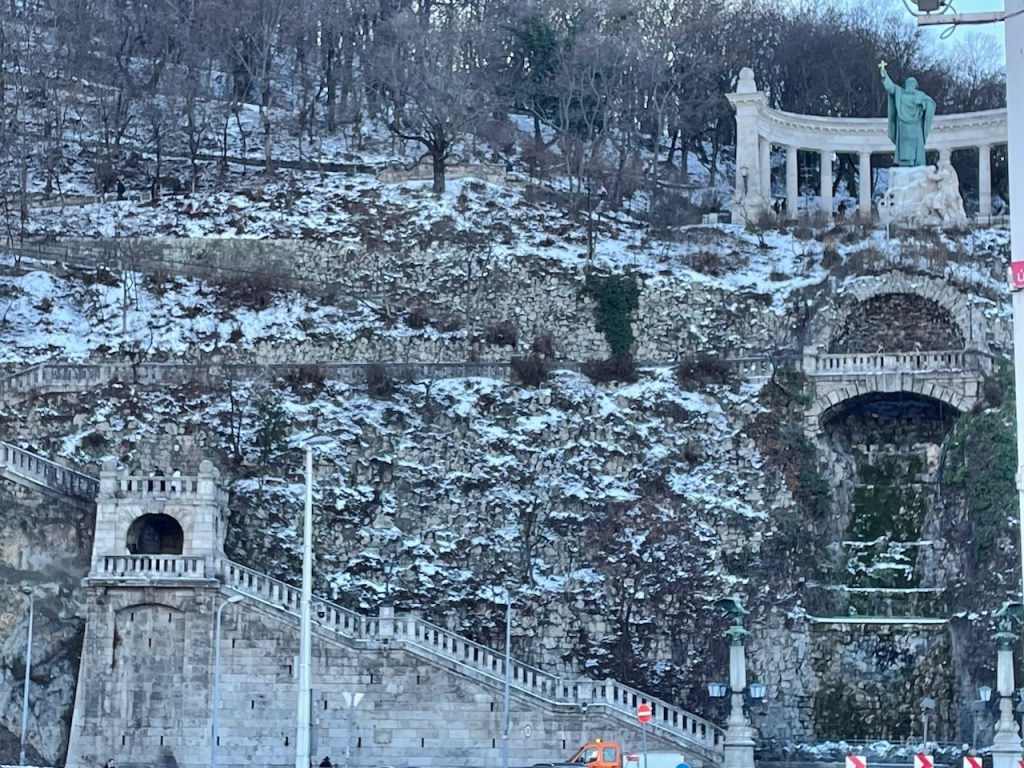
As you can see here, this Stairway to Heaven is pretty lightly attended, even after they turned it into an escalator.
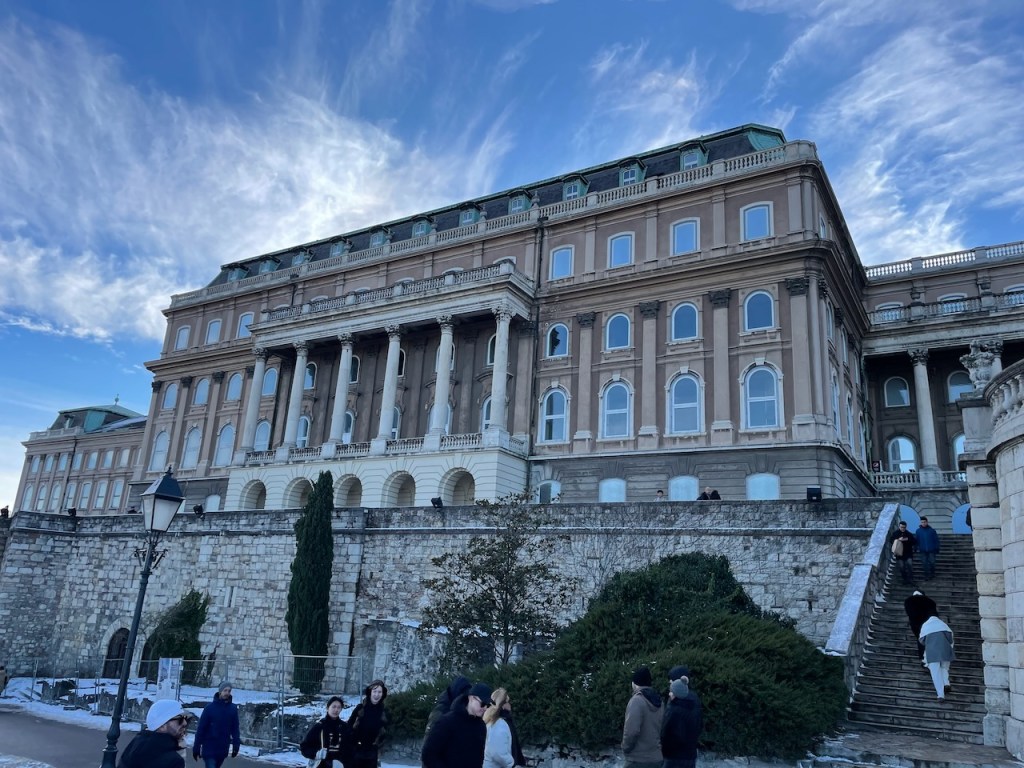
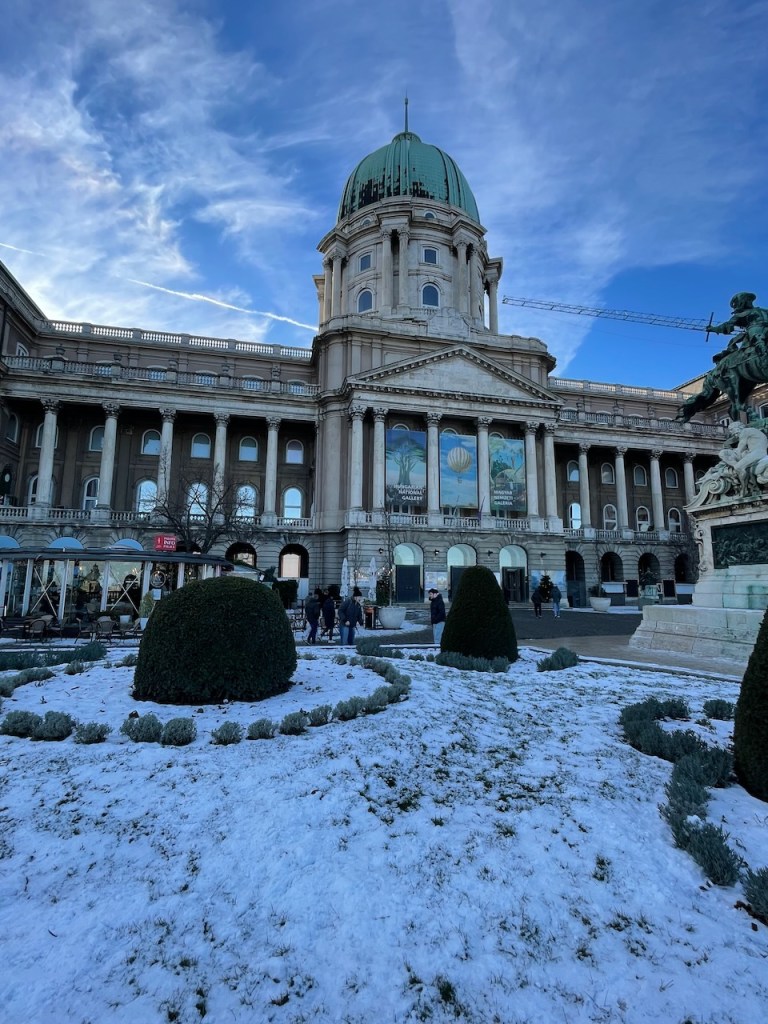
On top of the hill is the Buda Castle, which houses the Royal Palace (Budavári Palota), the Budapest History Museum, the Hungarian National Gallery, the Széchényi National Library, and most importantly for some people, assorted toilets.
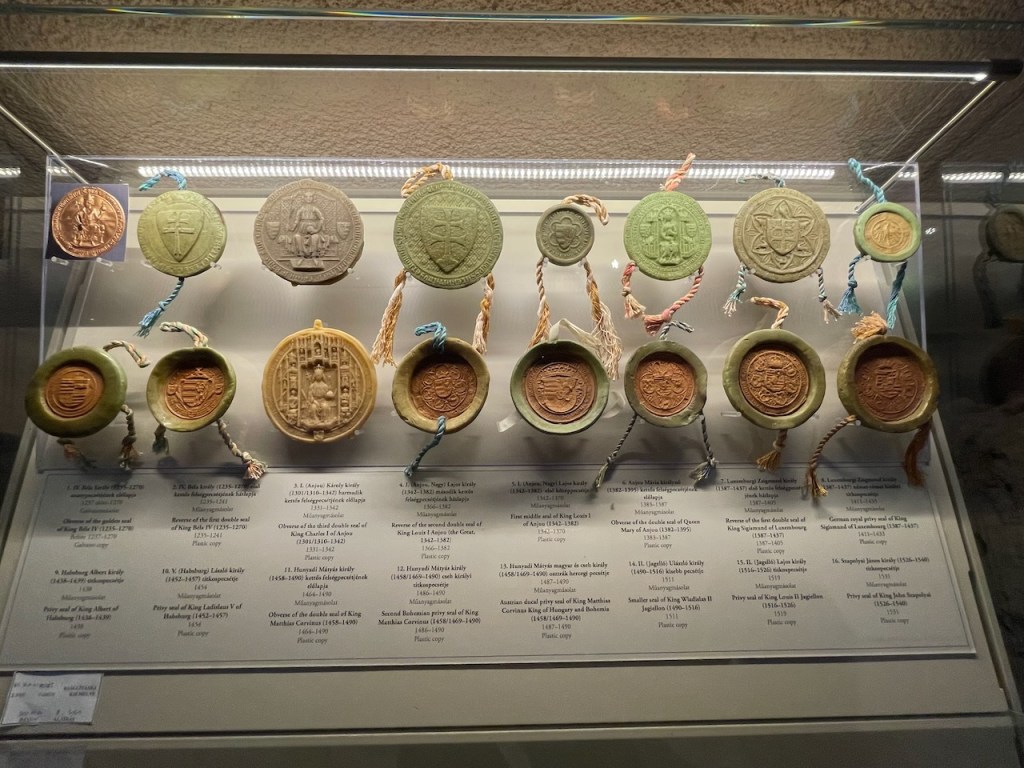
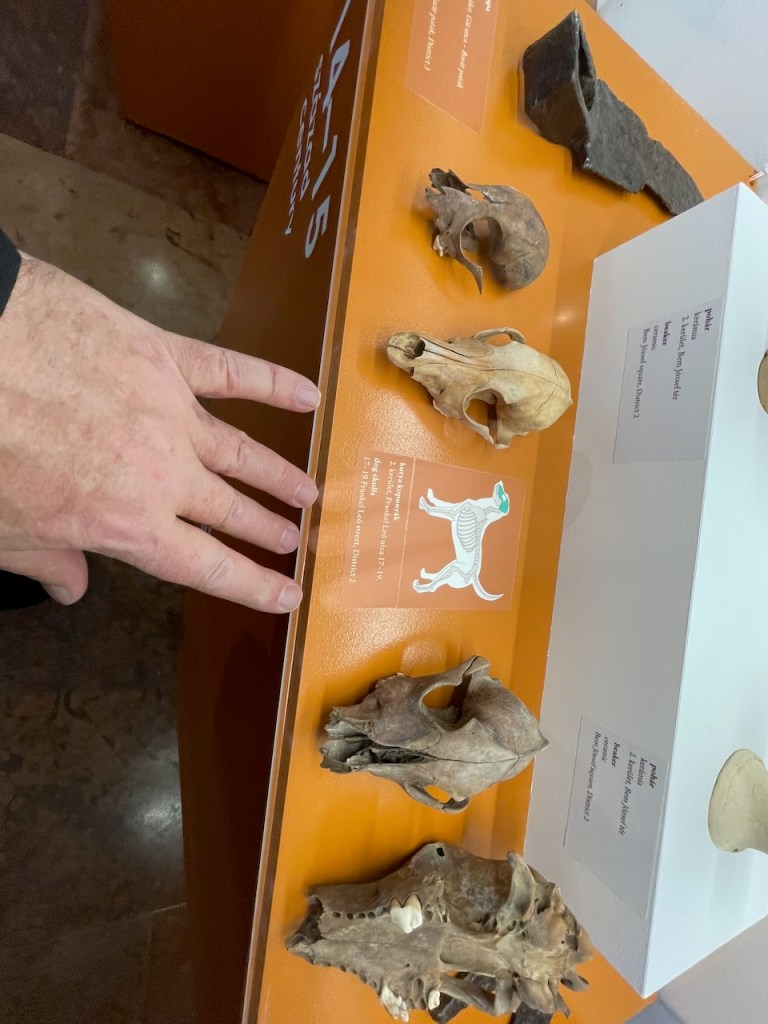
I took a tour of the museum, and will post a few of the highlights here. On the left are the seals of various rulers, so the King could send a letter with proof of its authenticity, kind of like what we’re going to have to be doing once AI is so dominant that no one knows if any given letter, picture, video, or maybe even your spouse, has been generated by AI. Funny how history repeats itself, huh? I wonder what our wax seal equivalent will be?
On the right, little did I know that in a few weeks after taking that photo I would be trying to save my hand in real life from a dog with a much bigger skull than those little rat dogs. After suffering a dog bite delivered with the force of heavy-duty bolt cutters, I developed a pretty keen appreciation for the damage they can do before you can even string together two bad words. That said, I’m still pretty sure I could take on any one of those little mutts if one of them started biting my ankles, especially if they were already dead like that.
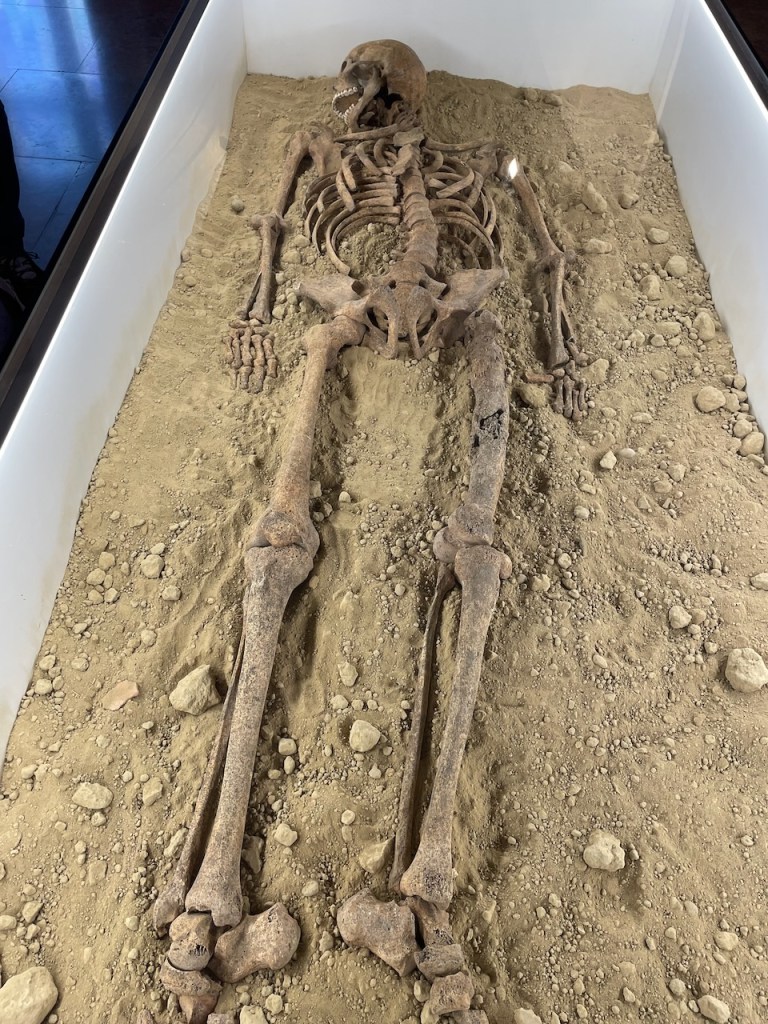
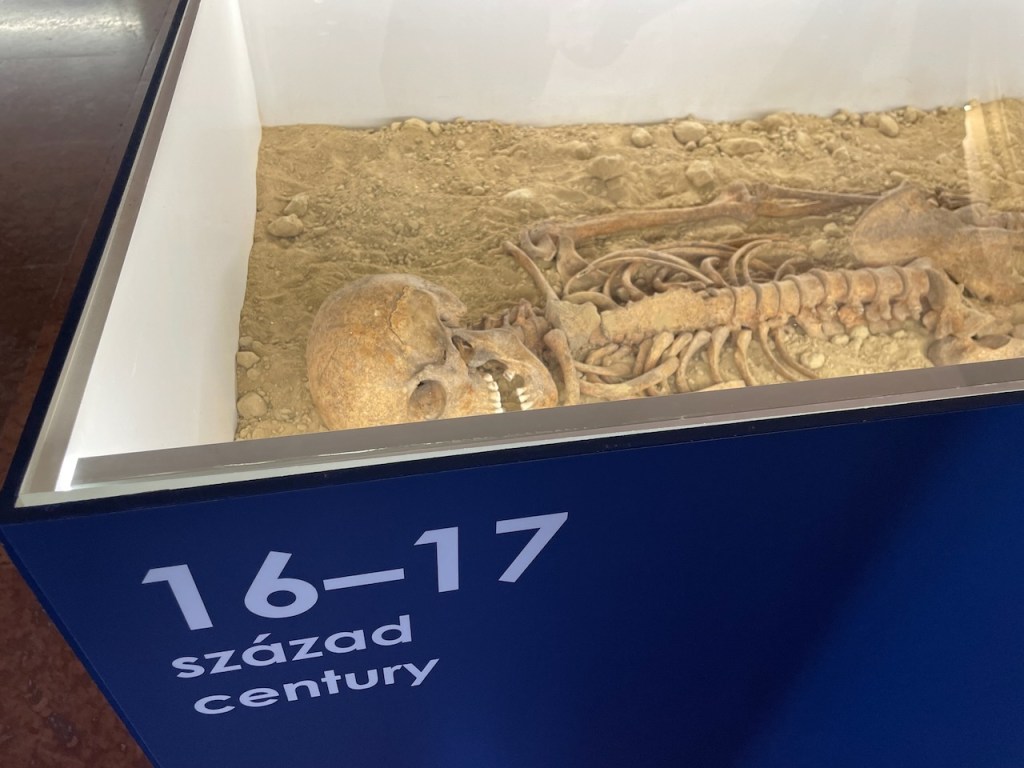
This is what I might have ended up looking like had that other dog not burst into the kennel to rescue me. Actually, these bones are from the 16th-17th century, and highlight the lack of concern many European countries have in regards to nudity, even when the person is involved, as we can see here, in something very dirty. Regardless as to how this person died, it’s obvious he’s having the last laugh.
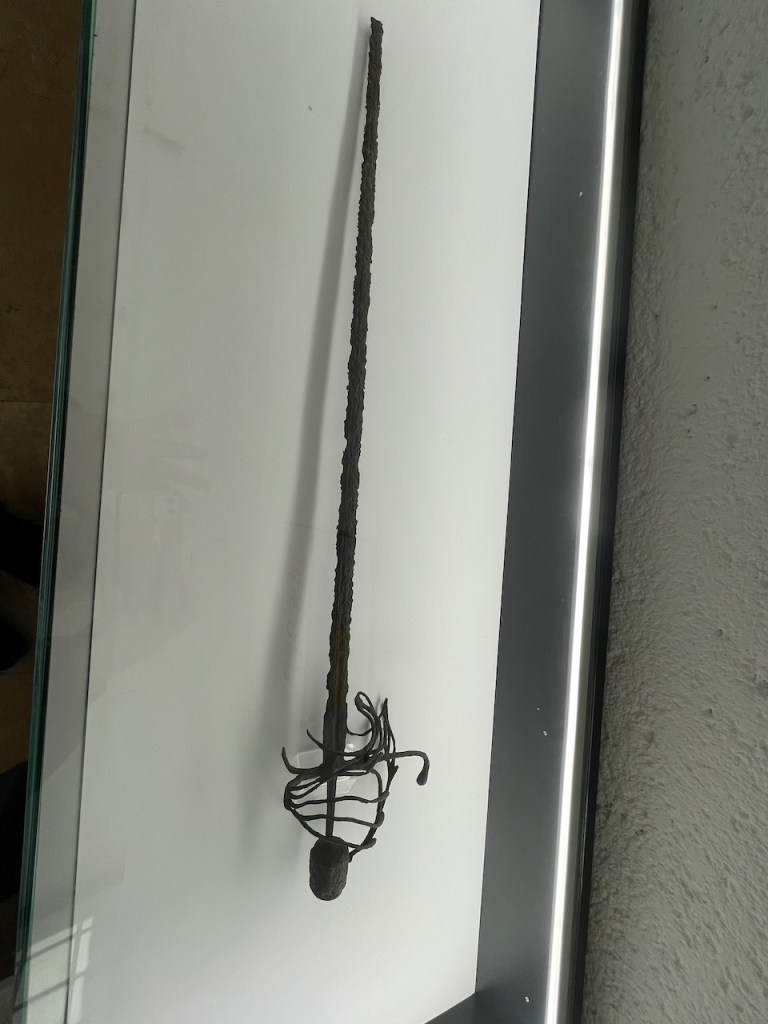
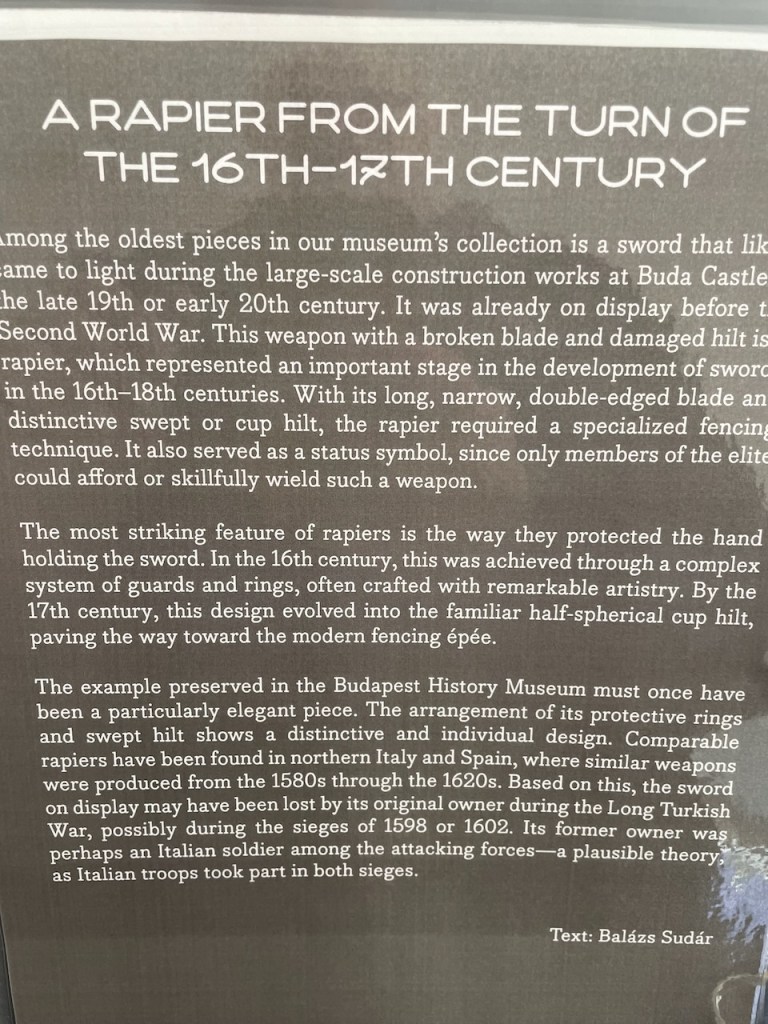
Weapons are often named so as to instill fear into the opponent. In this case, the nomenclature they came up with was to take one of the most heinous of crimes, rape, and take it one step further, making it even rapier, which sounds a lot better than murderier.
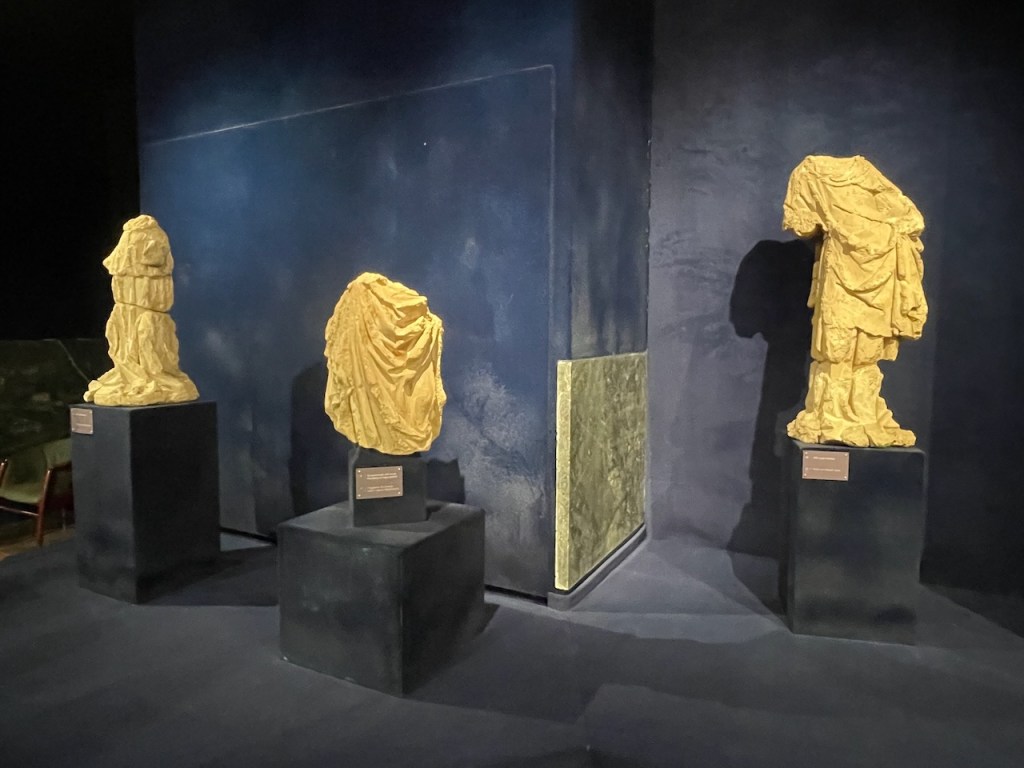
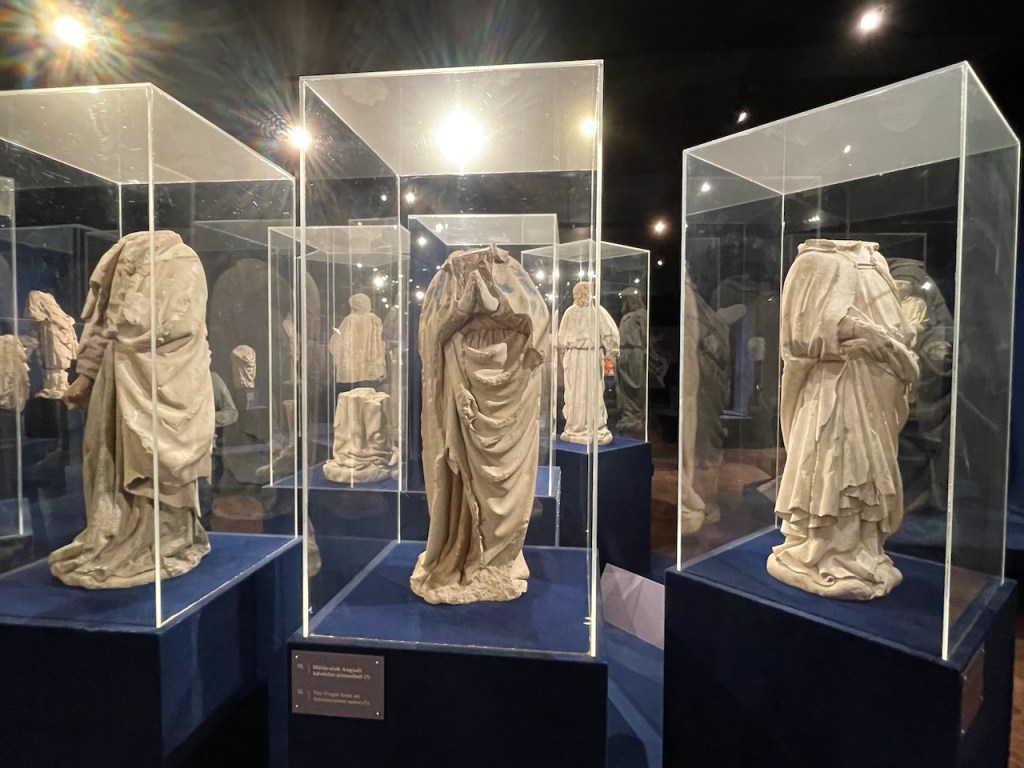
For a time, Hungary was ruled by people without any heads. The era didn’t last very long, however, mainly because eventually the populace discovered none of their leaders could see, hear, speak, taste, smell, or wear a hat, and you had to have a great hat to be a leader back then. All the other issues are still commonly found in today’s politicians, but at least now you can get away with not wearing a hat.

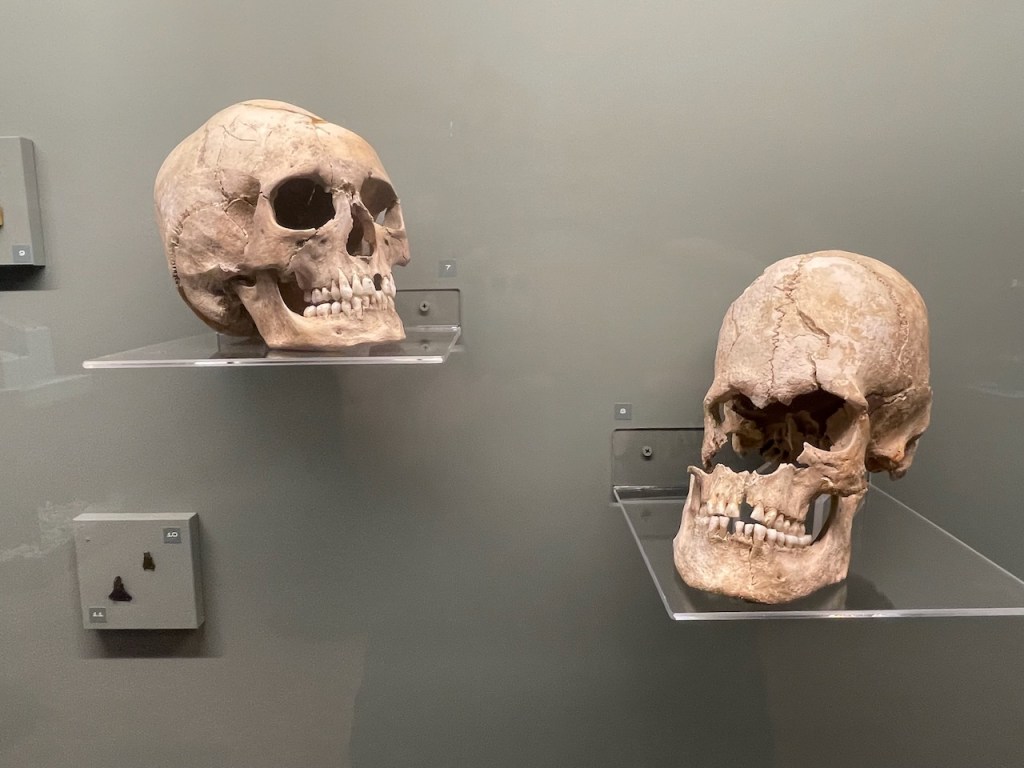
The other two exhibits of note were the shoes they wore, mostly being notable for the lack of a swoosh on their side, rendering them almost unrecognizable without painstaking research by skilled shoeologists. On the right, we see the result of skull-shaping, which was actually a thing in 4th–7th century Hungary. Unfortunately for this guy, I think his face exploded when they wrapped the cloth a little too tight. Oh, I’m sorry, too soon?
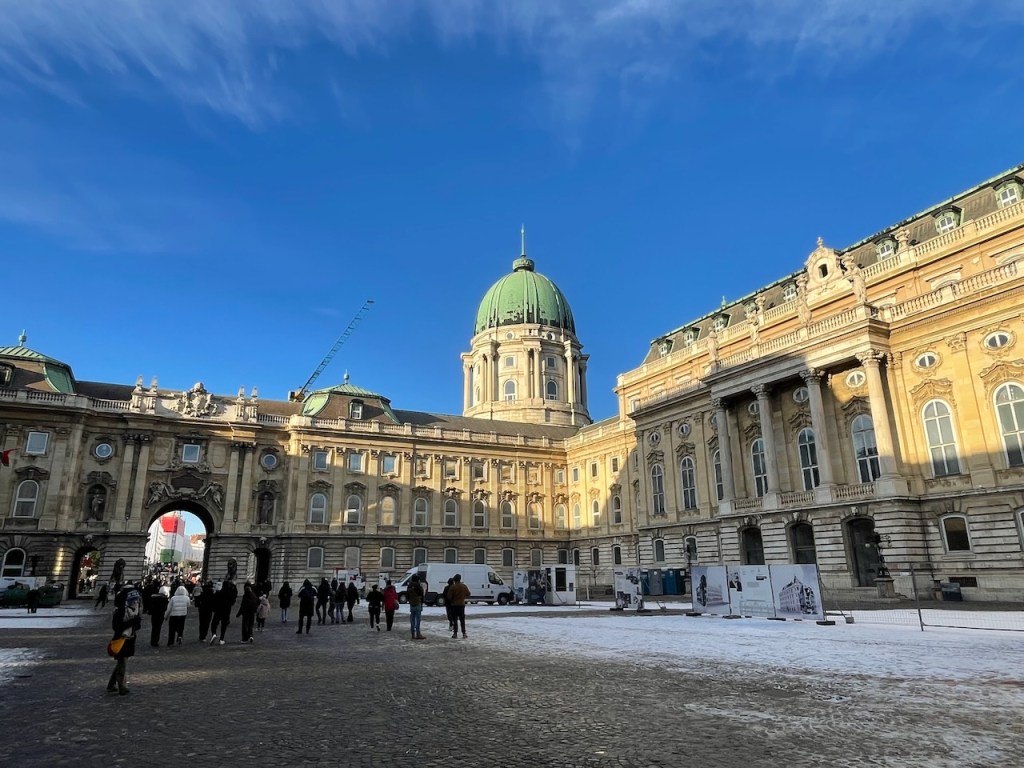
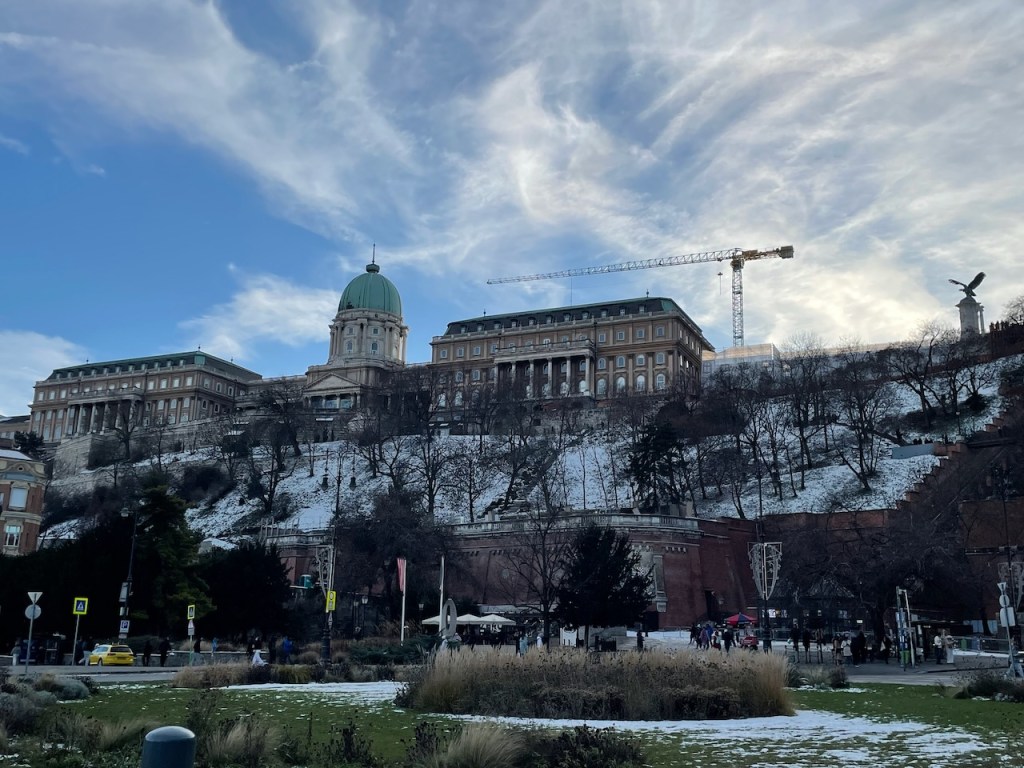
The Buda Castle has seen more than its share of fighting, destruction, reconstruction, redestruction, rereconstruction, reredestruction and on and on: jeeze, there are only so many “re’s” you can use! Buda Castle pretty much represents 700+ years of power politics in stone. It was badly damaged during WW II. The last era of reconstruction began in 1989, leading to what we see today, unless you’re completely blind or are reading this with your eyes closed.
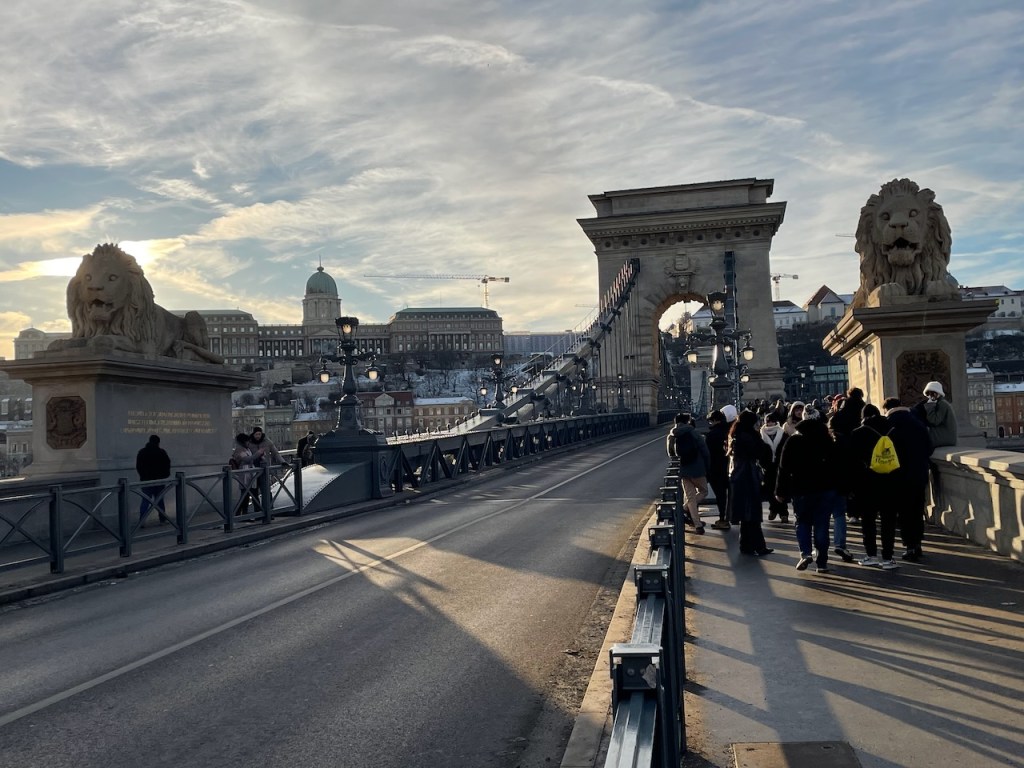
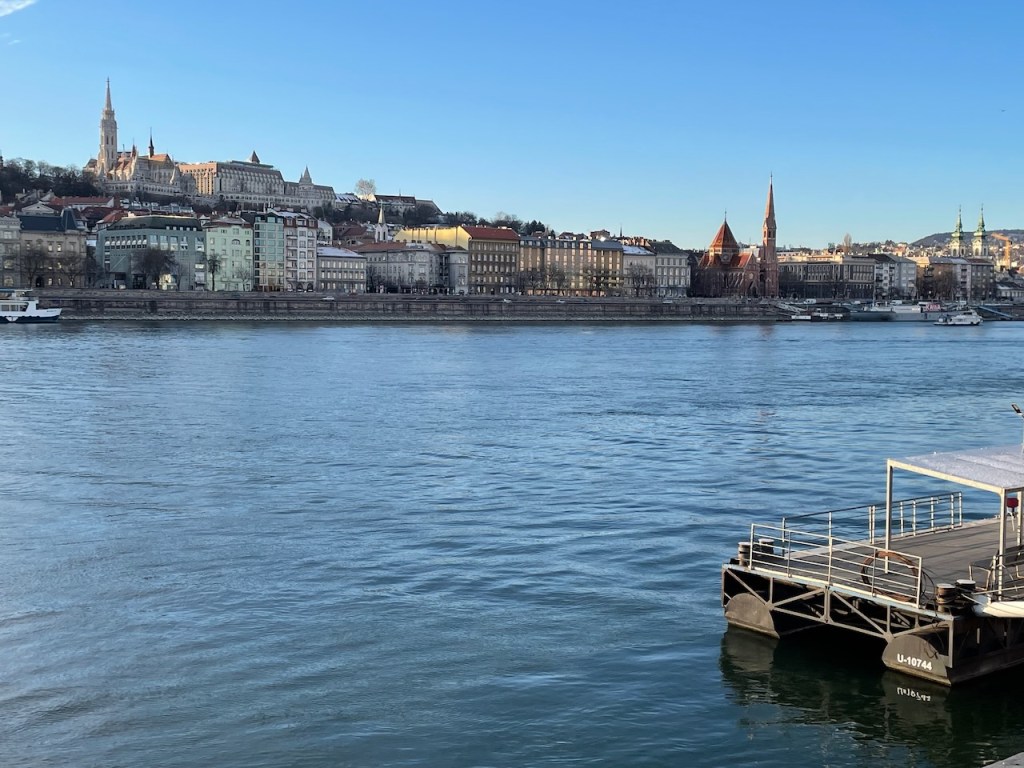
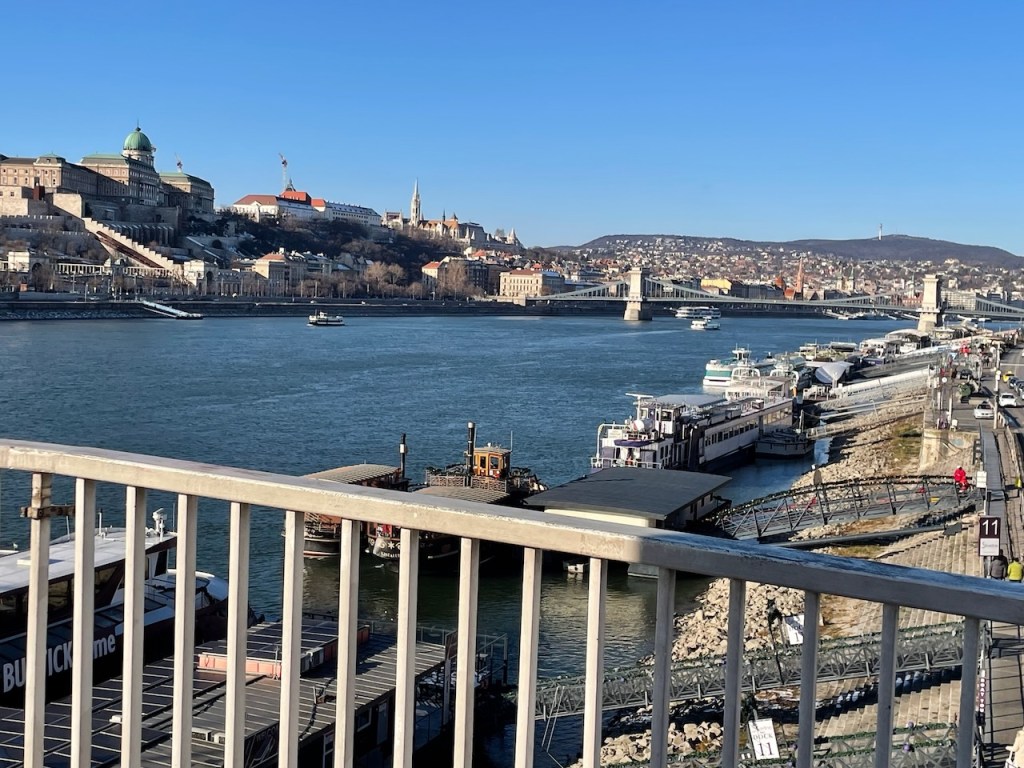
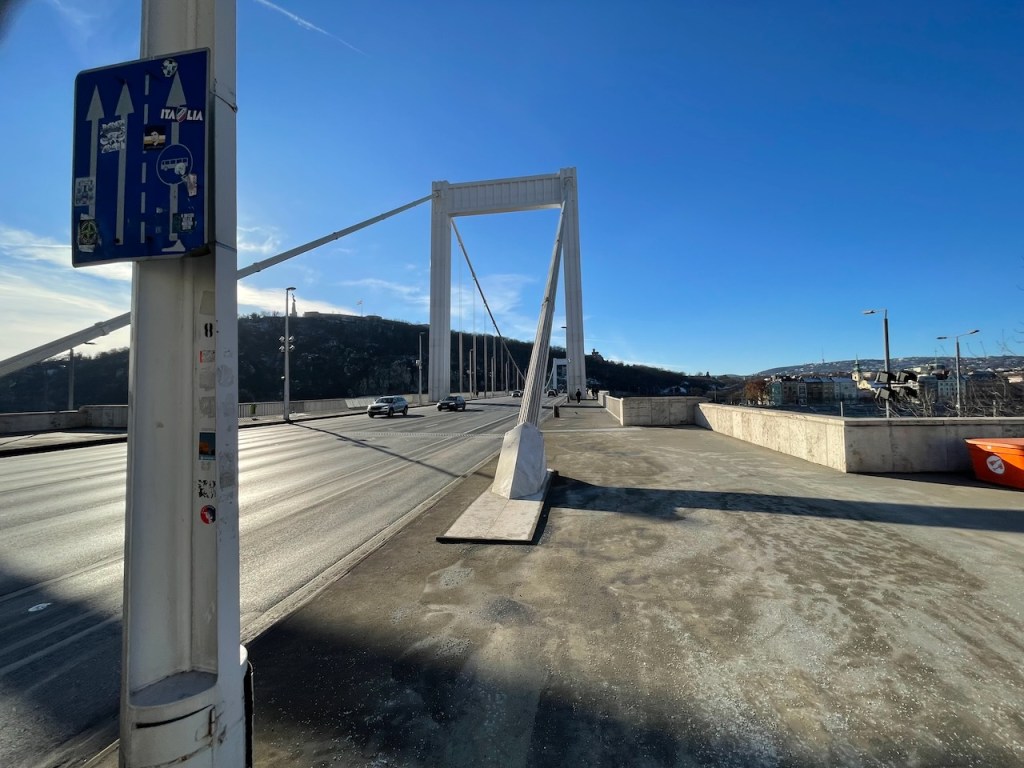
Afterwards, I walked across one of the bridges. The photo on the right was taken from the Pest side.
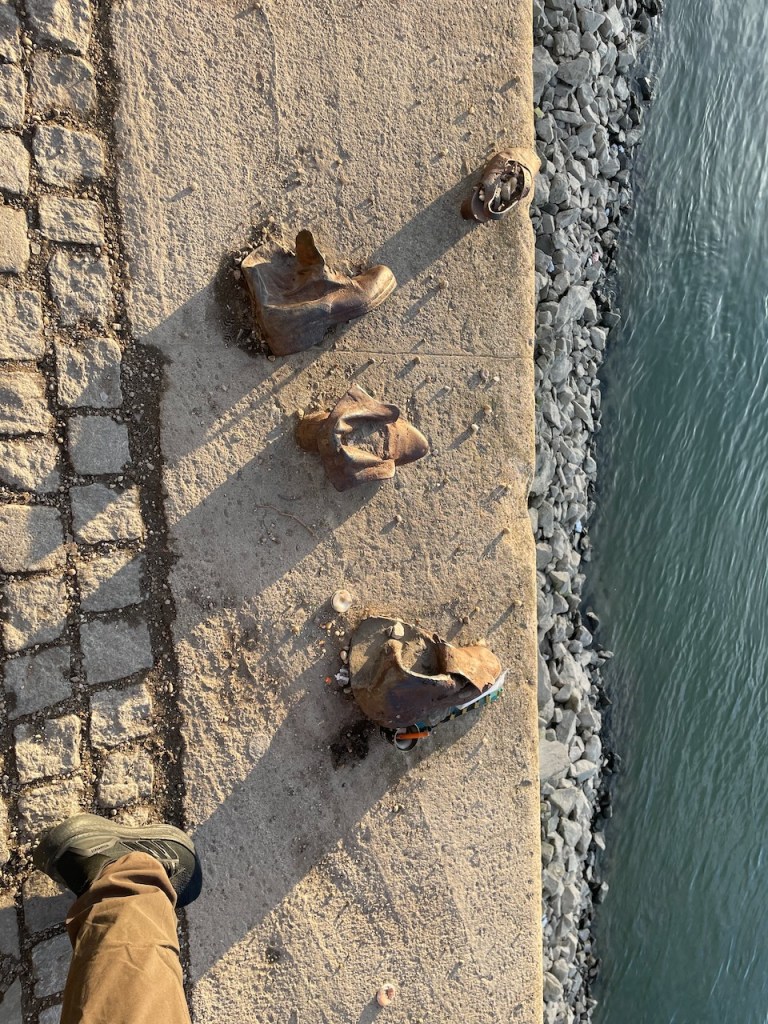
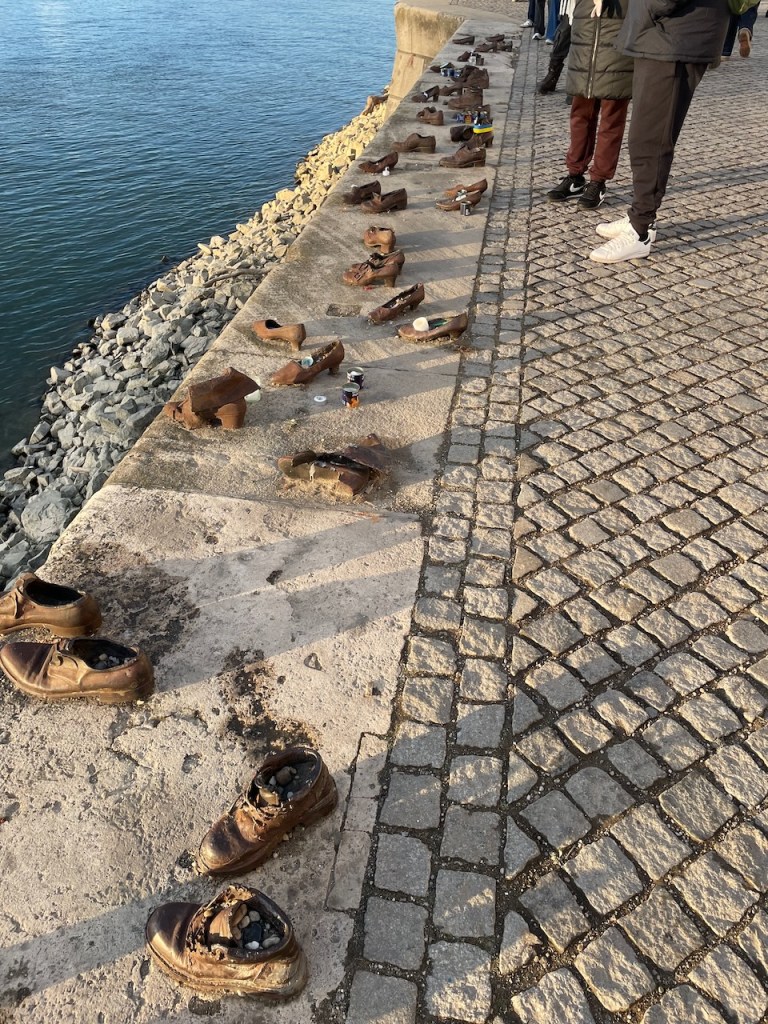
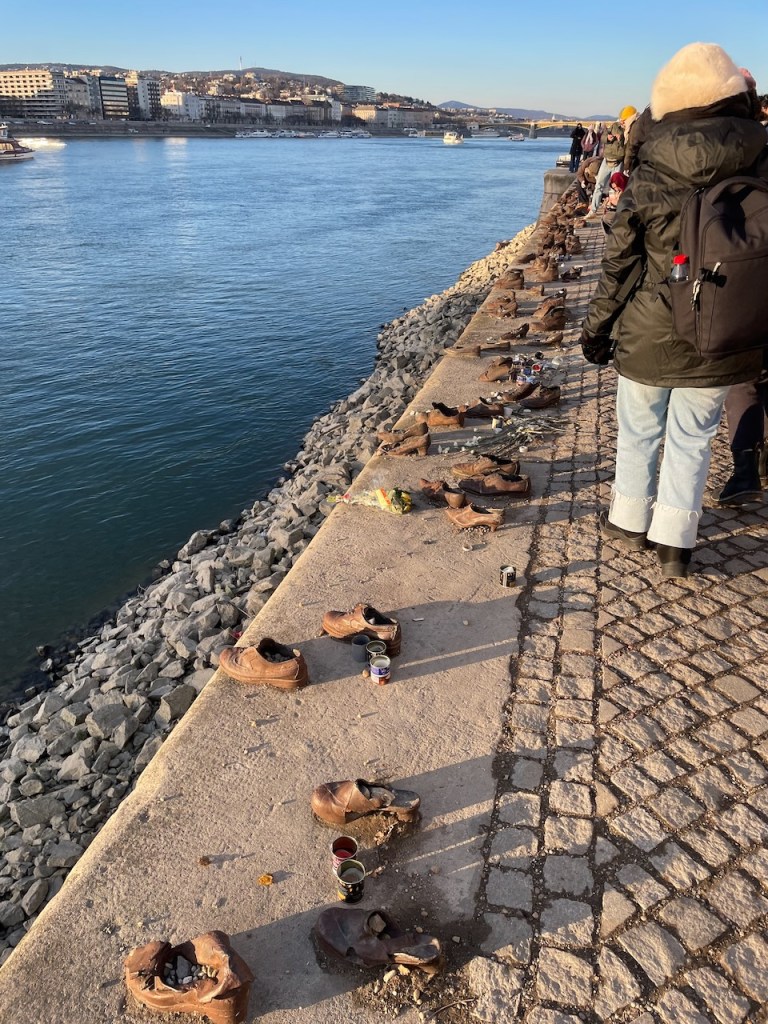
On that side of the river is one of the most heart-wrenching memorials in the world. It’s a line of 60 pairs of iron shoes, commemorating the Jews that were murdered in Budapest in 1944/45 by members of Hungary’s fascist regime, which was allied with Nazi Germany. Victims were marched to the riverbank, forced to remove their shoes (because they were reusable), and then shot so their bodies would fall into the Danube. Thousands were killed this way.
I’ll never understand why it’s so easy to get humans to hate… and here we are all over again with polarized politics creating genuine hatred and scorn for those who believe differently, or were simply born in a different place, or, unbelievably, just because they have a different shade of skin. Sometimes I wish I was a dolphin.

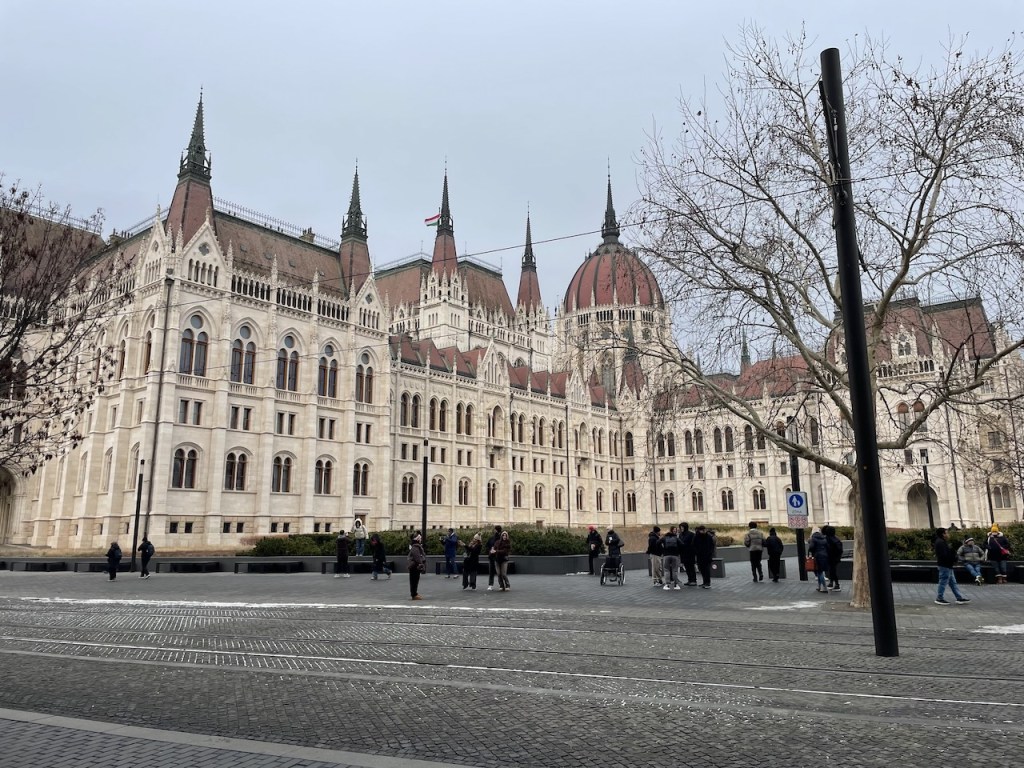
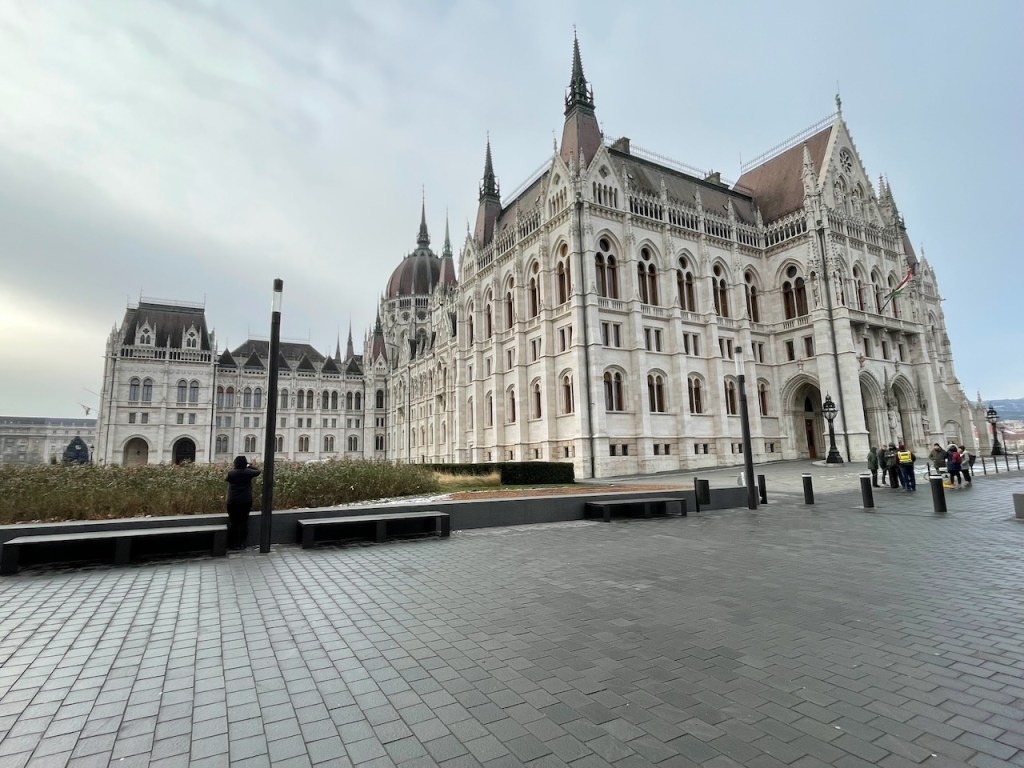

One of the grandest buildings in all the world is the Hungarian Parliament Building. The Hungarian Parliament Building (Országház) is one of those places where architecture, politics, and symbolism are all turned up to 11. Completed in 1904, it’s one the largest parliament buildings in the world. It features 365 towers, and I suppose every four years they build a temporary extra one. I was looking forward to touring the inside, thinking it wouldn’t be very crowded because tourism in Budapest would surely be at a low ebb in chilly January. Unfortunately, I’m apparently an idiot.

And not just for that day, tickets were sold out weeks in advance. My only consolation was that I heard they don’t allow photography inside, so since one of the reasons I endeavor to see anything anymore is so I can show it to my vast (loosely defined) collection of BaldSasquatch readers, I didn’t beat myself up too bad about it. Just a small black eye that healed pretty quickly.
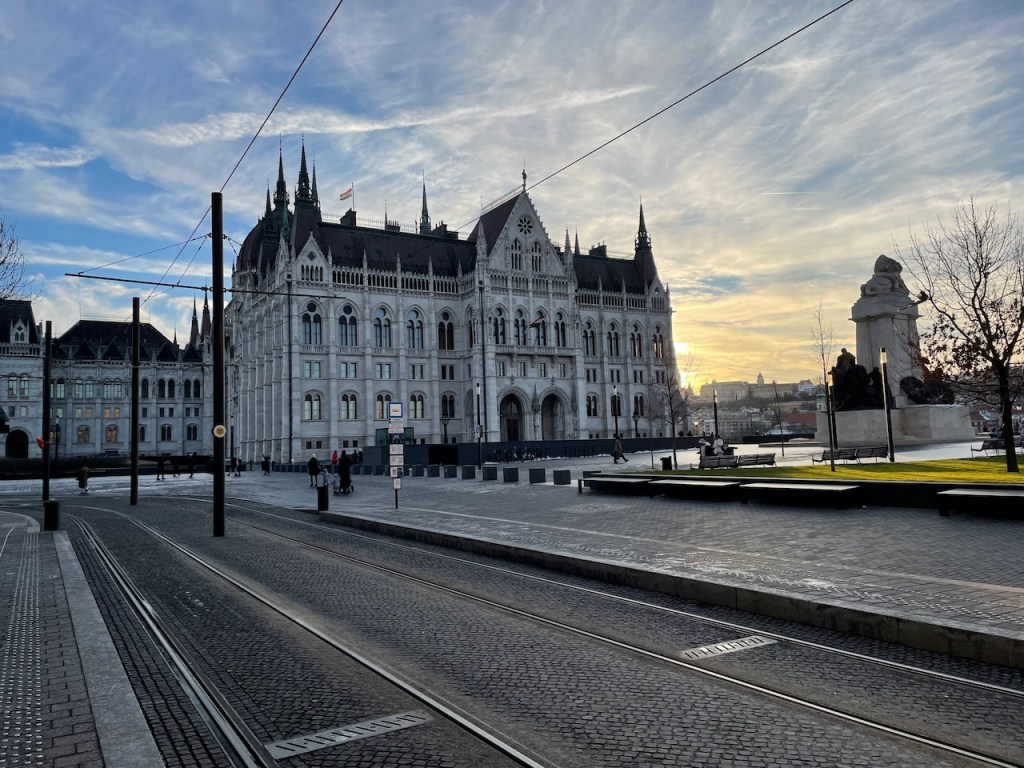
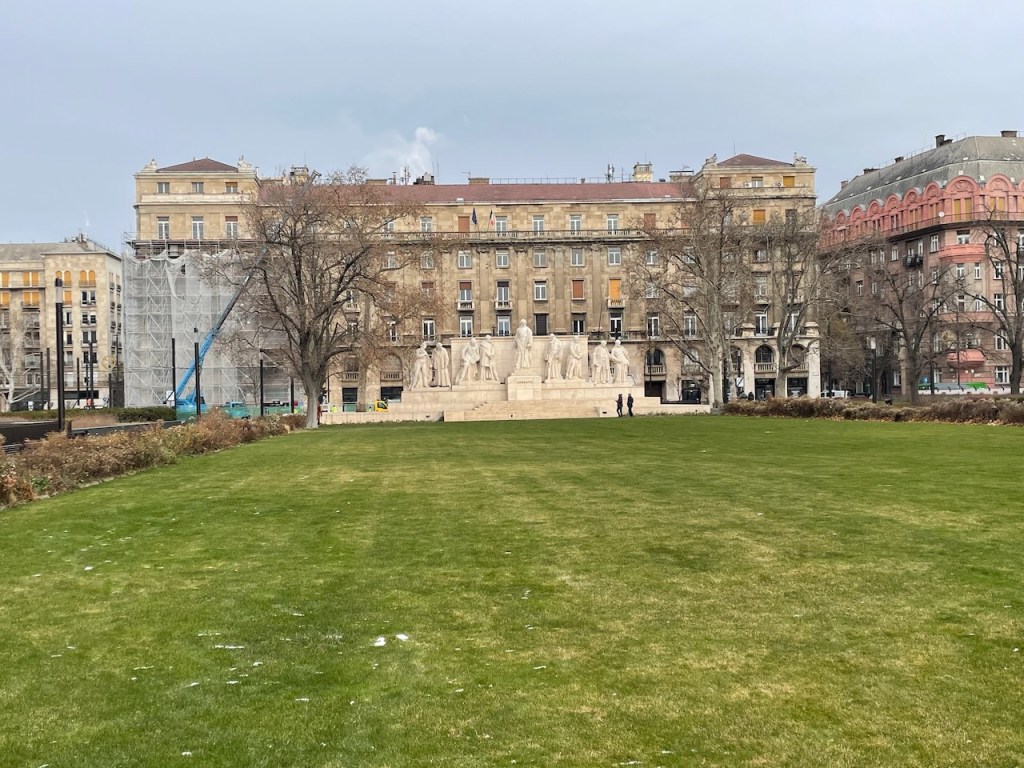
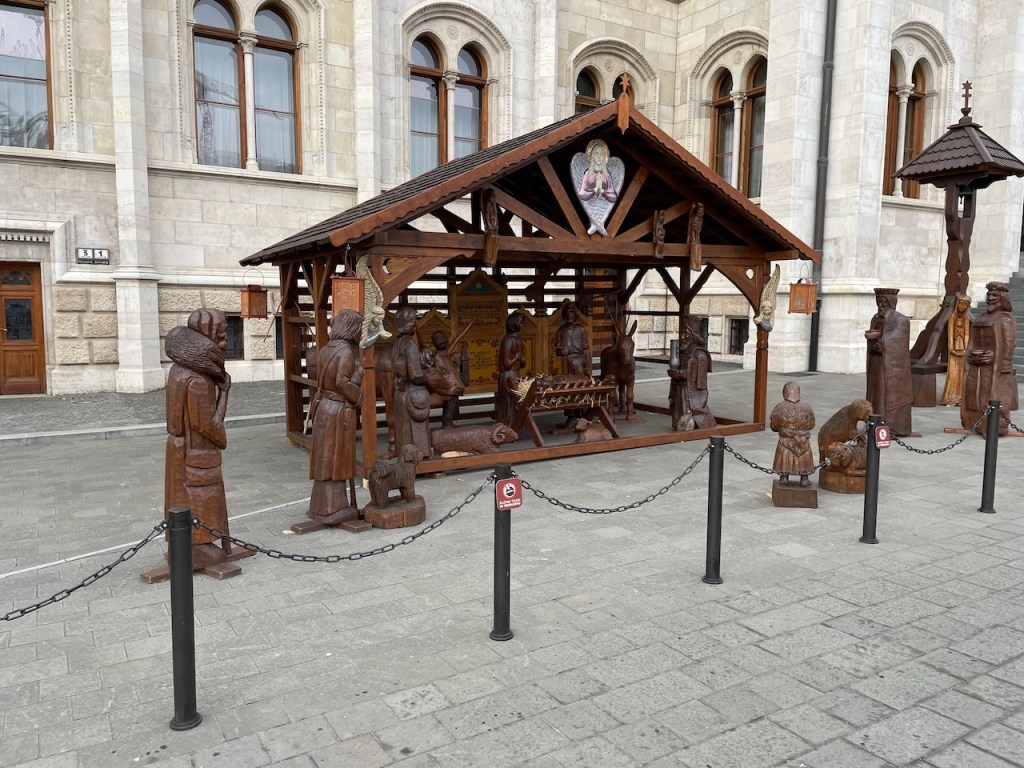
I contented myself with taking some shots of some of the buildings, monuments, and yet another un-taken-down Christmas decoration, all adjacent to the Parliament.
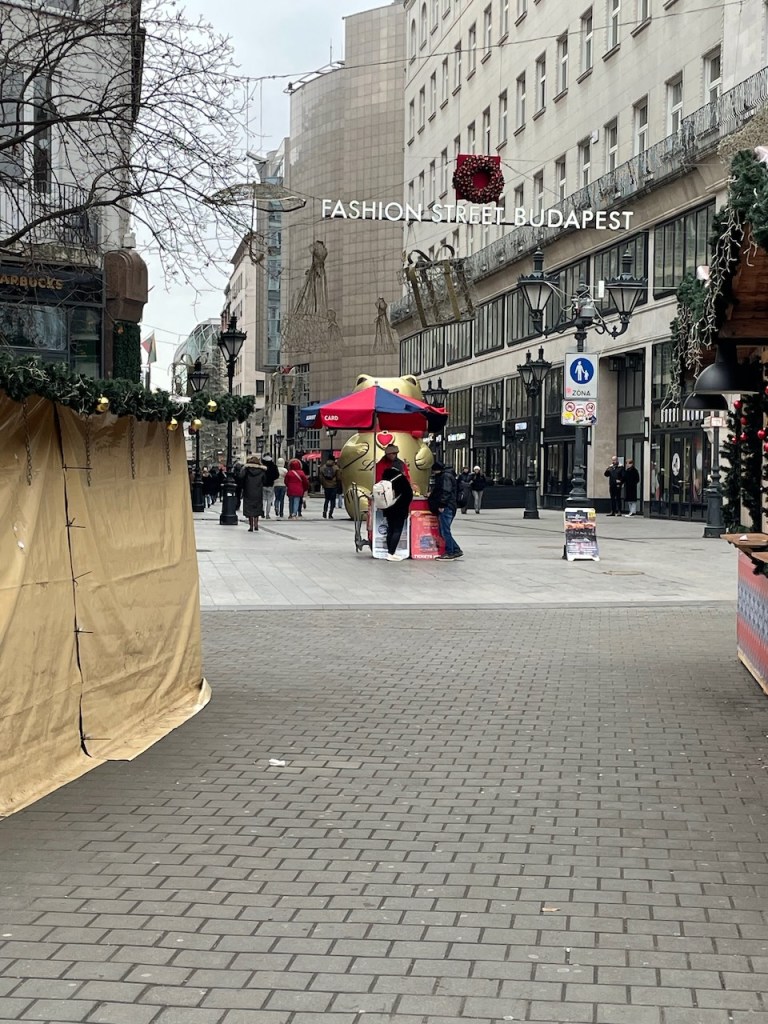
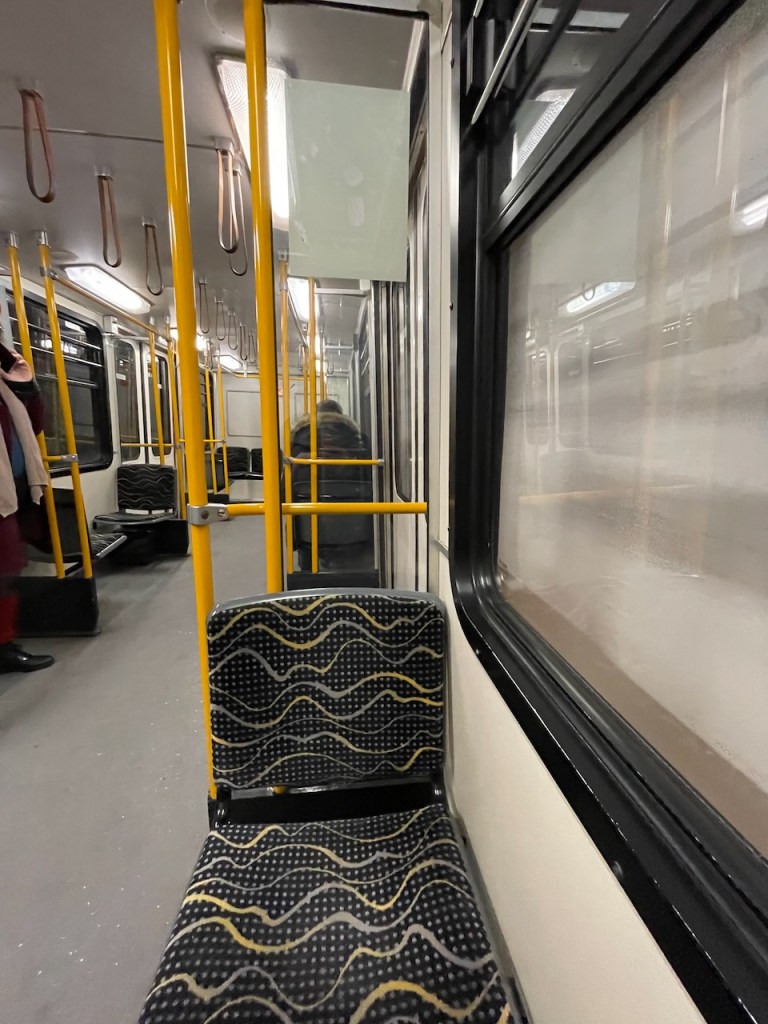
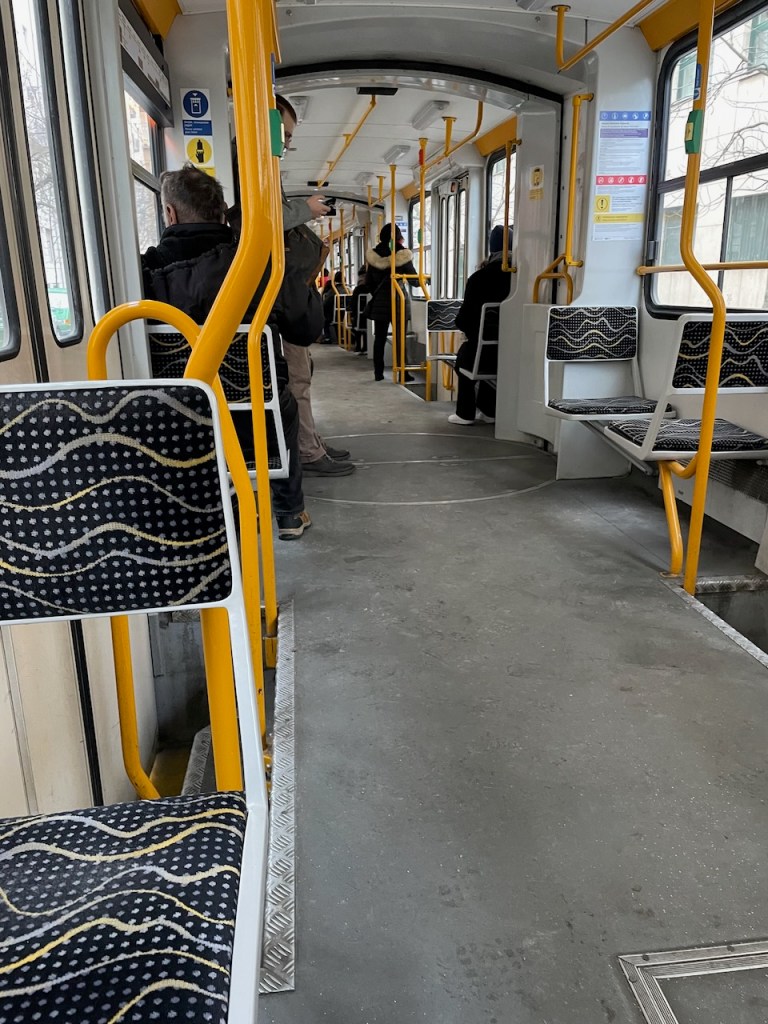
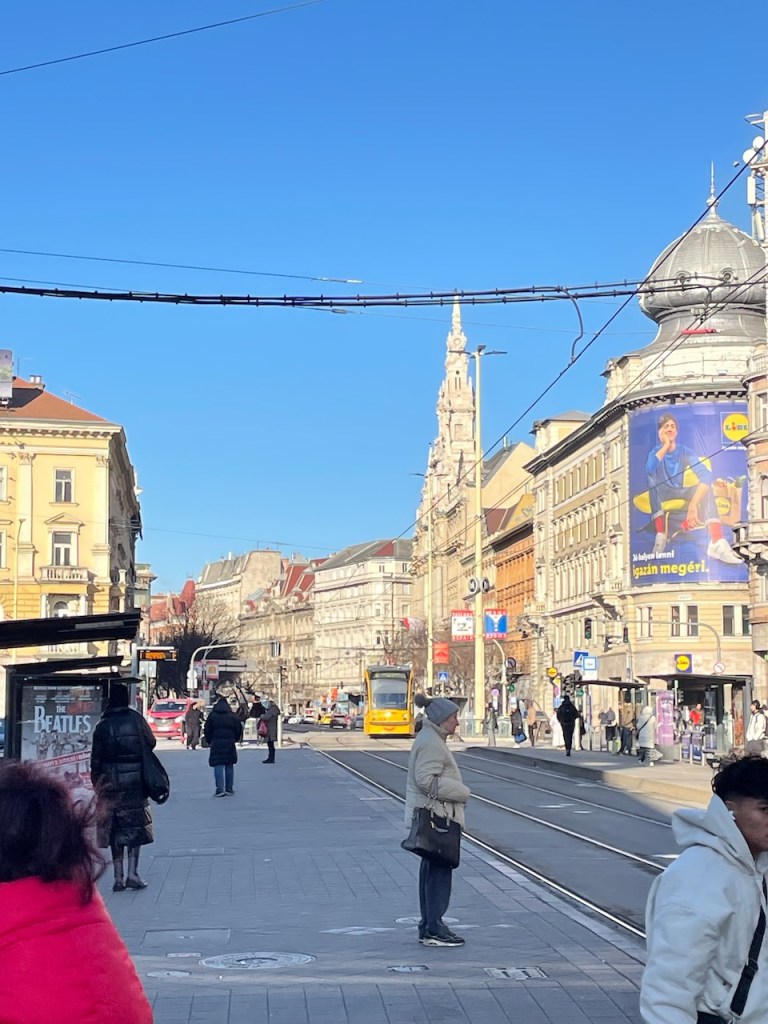
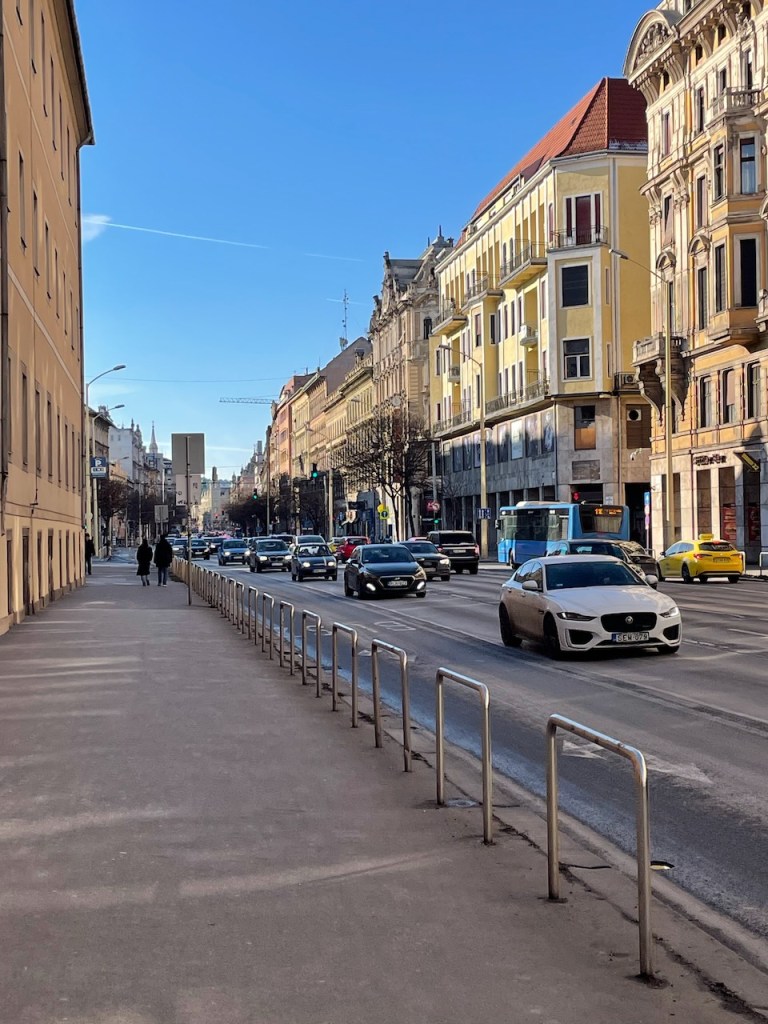
I hopped on a bus going to who-knows-where, which was fine with me because 1) it was free for me and 2) even when I thought I knew where I was going I’d end up going to a different place anyway, so I just took to riding the buses until I saw something interesting or the person next to me smelled too bad. Of course I had to stop when I saw Fashion Street Budapest, where, as you can imagine, I spent hours and hours browsing through the stores. Not. I did buy a Budapest refrigerator magnet though.
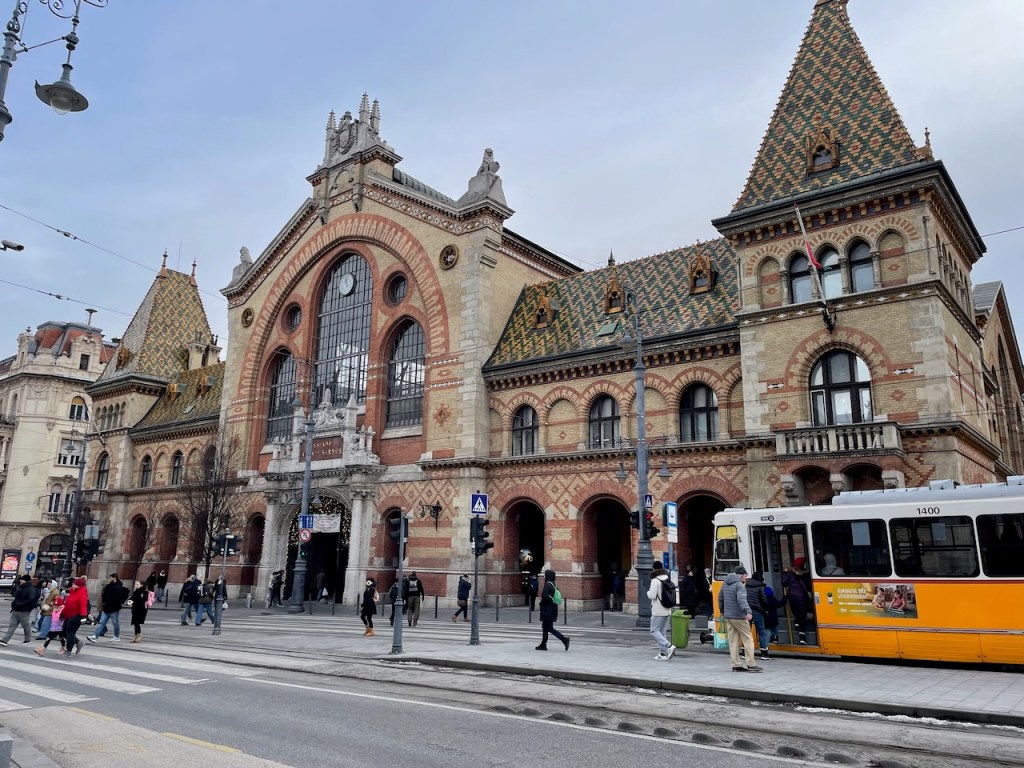
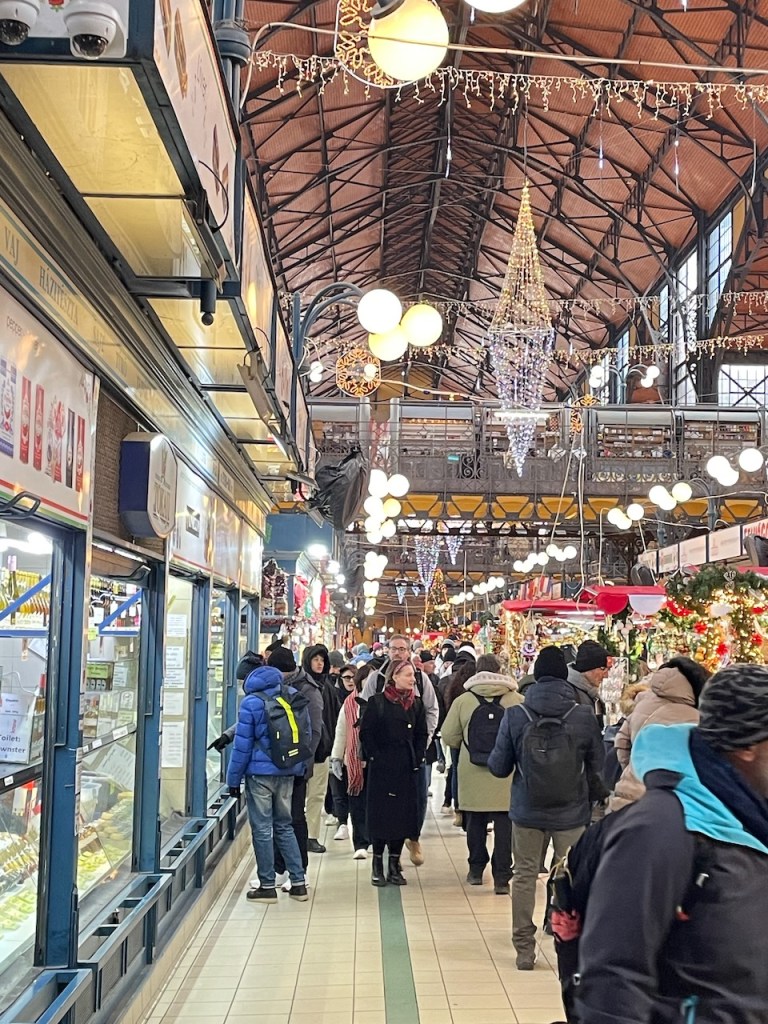
This eventually led me to the Great Market Hall (Nagyvásárcsarnok, pronounced, as we all know, with the silent “á”), a huge 19th-century market with food stalls, souvenirs, and upstairs eateries. I’ve been to a number of market halls throughout Europe, but this is the largest I think I’ve ever seen, and in fact is the largest indoor market hall in all of Central Europe, and one of the largest traditional ones anywhere, and definitely the largest at that address.
I previously had an absolutely delicious bowl of goulash in a nice restaurant in Buda, and so when I saw the food stalls on the upper floor I became curious as to the difference between “street” goulash and restaurant goulash. After eyeing the possibilities, I chose absolutely the wrong one to order from.
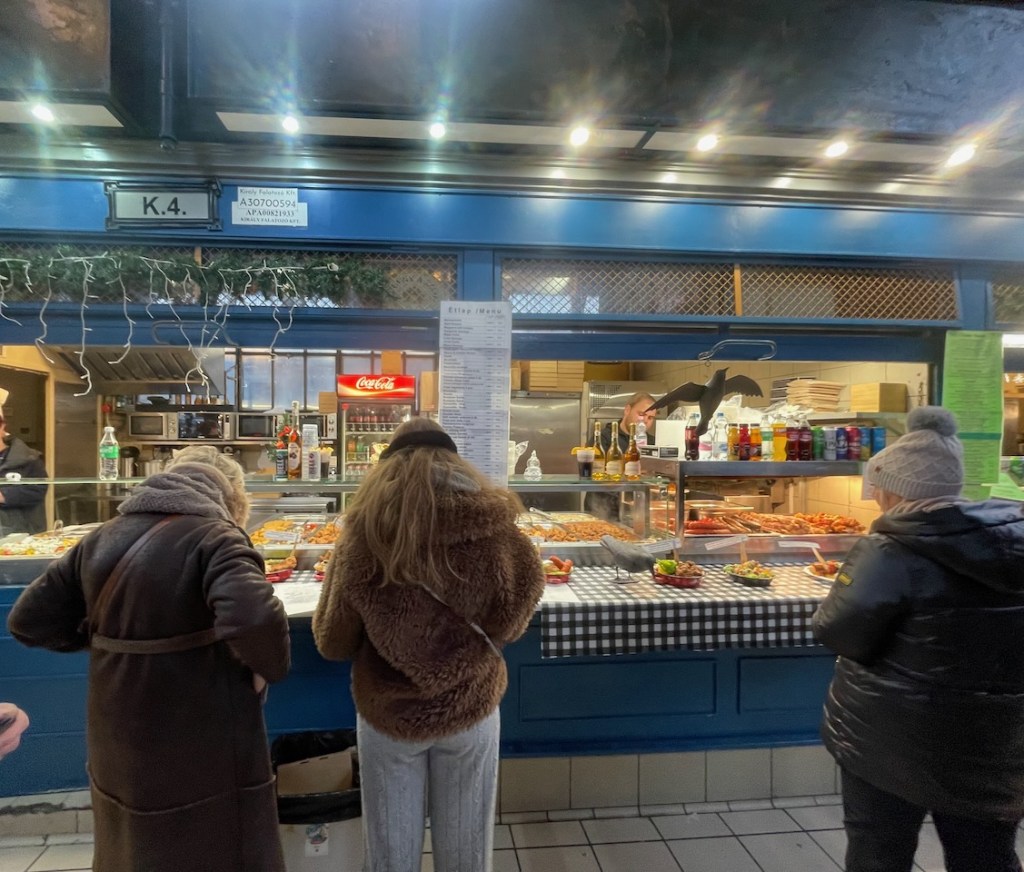
This is the place I should have completely ignored. In hindsight, the lady serving me had me immediately pegged as a mark. After I ordered the goulash, she slopped some pieces of meat and gravy on a plate which she then tossed into the microwave. Then she grabbed another plate and began asking if I wanted this or that or the other thing as if everyone gets those things, you know, kind of like they do at Subway. I said yes to the first few, thinking it was part of the package deal, but then I began getting a little suspicious, and stopped saying yes when the number of possible offerings appeared to near infinity. But still I ended up with some potatoes and pasta and weird peppers and a whole mess of purple cabbage and other stuff I swear I didn’t say yes to.

She retrieved the meat from the microwave and put both plates in a box, now with enough food for two or three people. I asked for a Sprite to help wash it down and she put it on the counter for me. She ran the credit card, but the exchange rate is something like 350,000 kopecs or whatever the hell they use to the euro, and I’d still not mastered the art of looking at a number and doing the math in my head. But my suspicio-meter was pushing past 10 heading toward 11, so I asked for a copy of the receipt, which she had not immediately offered, unsurprisingly. Suddenly her already poor English became decidedly worse and she tried to say she couldn’t do it, but I asked another employee to help and he printed it out for me. I took it to the table right across from them, brought out my phone, and calculated. It was the equivalent of 35 euros. And the meat wasn’t even all hot, some pieces were barely lukewarm. I realized, with some self-deprecating black humor, that I’d been had. I also realized that I had forgotten my Sprite on the front counter. So I turned around and asked for it and there it was, now sitting on a back counter, obvious in her hope that I would have forgotten about it. She muttered some excuse in Hungarian as she reluctantly handed it to me, and I just gave her the evil eye. I make it a habit to never make a scene in a foreign country, who knows if she’s the aunt of a sister of Orban or a mob boss’s cousin. She scammed me fair and square because I was an idiot. And this, children, is why idiots tend to have less money than non-idiots.
I did get some degree of revenge by whispering, “shit food” in the ears of three people standing in front of the kiosk trying to decide what to order. After a quick glance at me, whereupon I confirmed my review with a sad shake of the head, they walked away without ordering. Ha! That’s three overpriced meals you missed out on you goulashy bitch, so your scamming of me actually cost you more money than if you would’ve treated me properly! That’ll teach you to screw over a befuddled-looking old American!
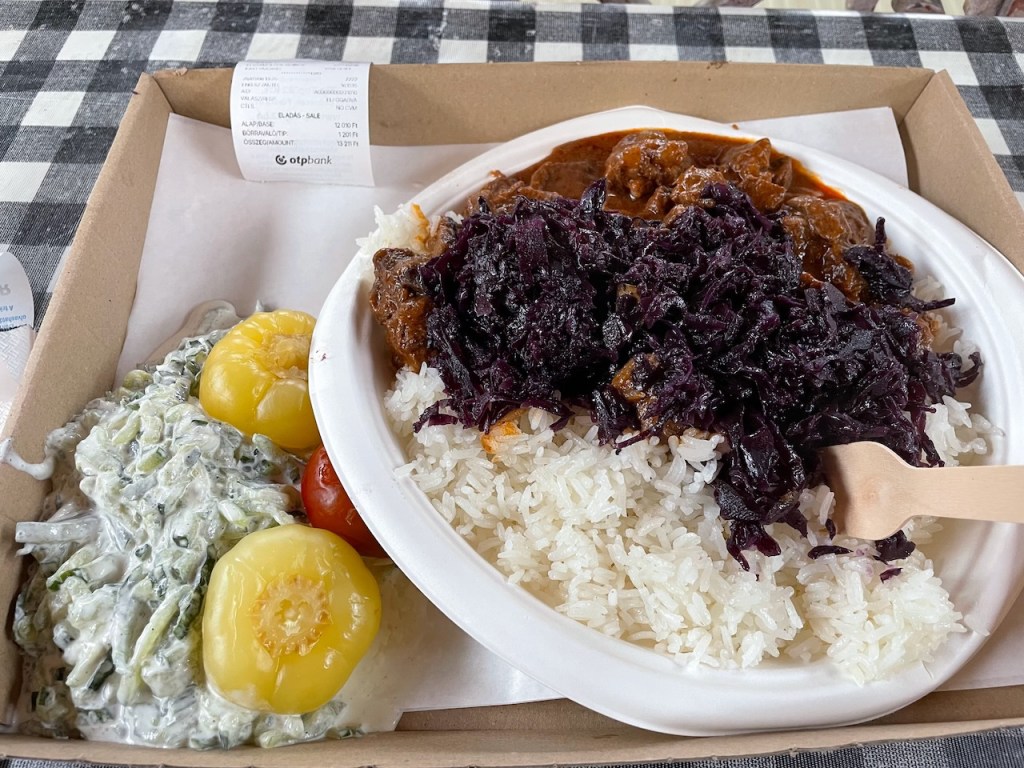
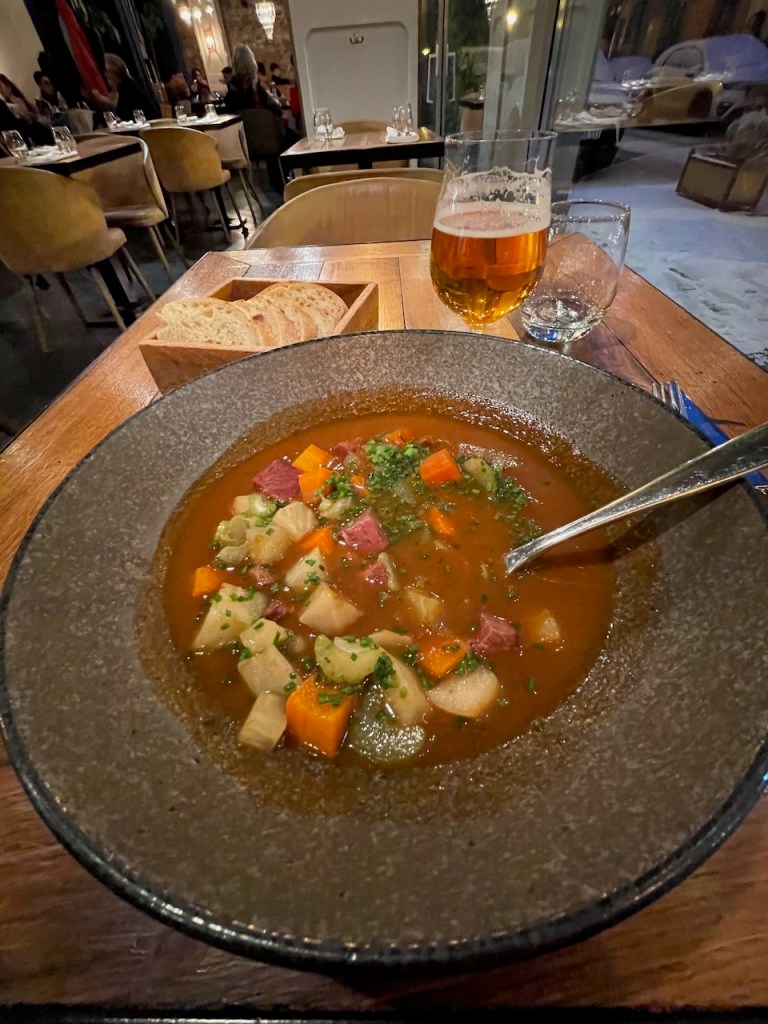
Unfortunately, she had the last laugh because I ended up with a serious case of the shits, starting during the night and necessitating a couple of runs to the toilet during the day. Damn, they had the home field advantage.
I’ll let you guess which one of these photos above was one of the best meals I’ve ever had, and which one resulted in explosive diarrhea. The Diarrhea Special also cost a lot more than the delicious one, and to be honest much of it didn’t look all that much different later in the bottom of the toilet. Eew.
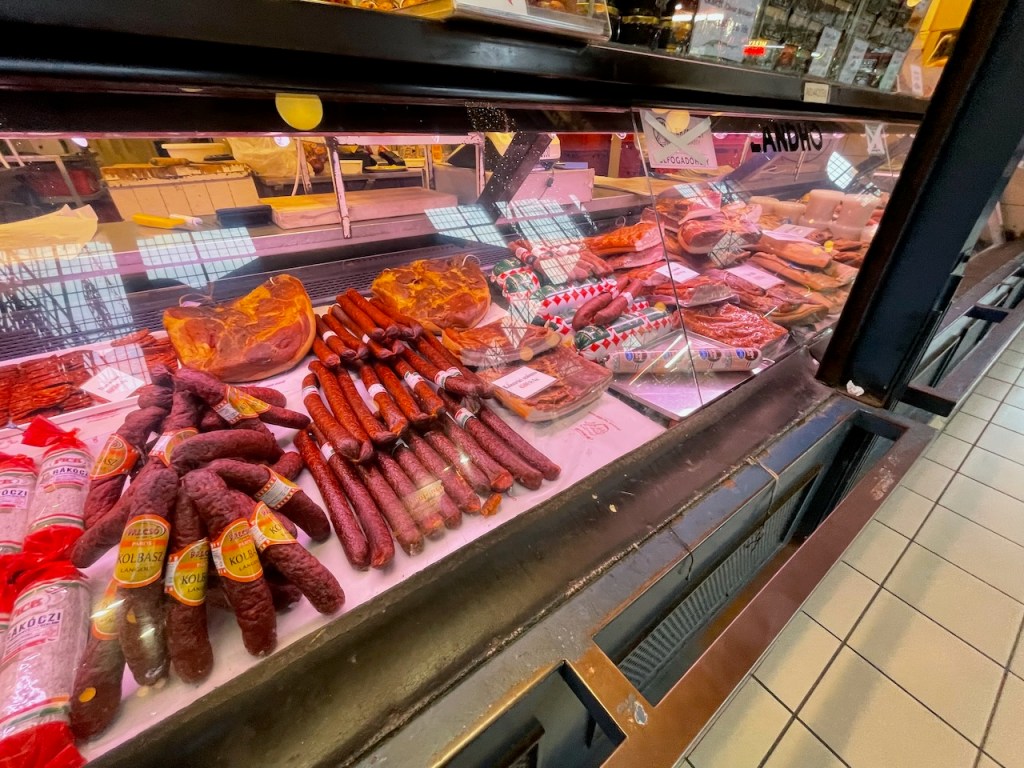

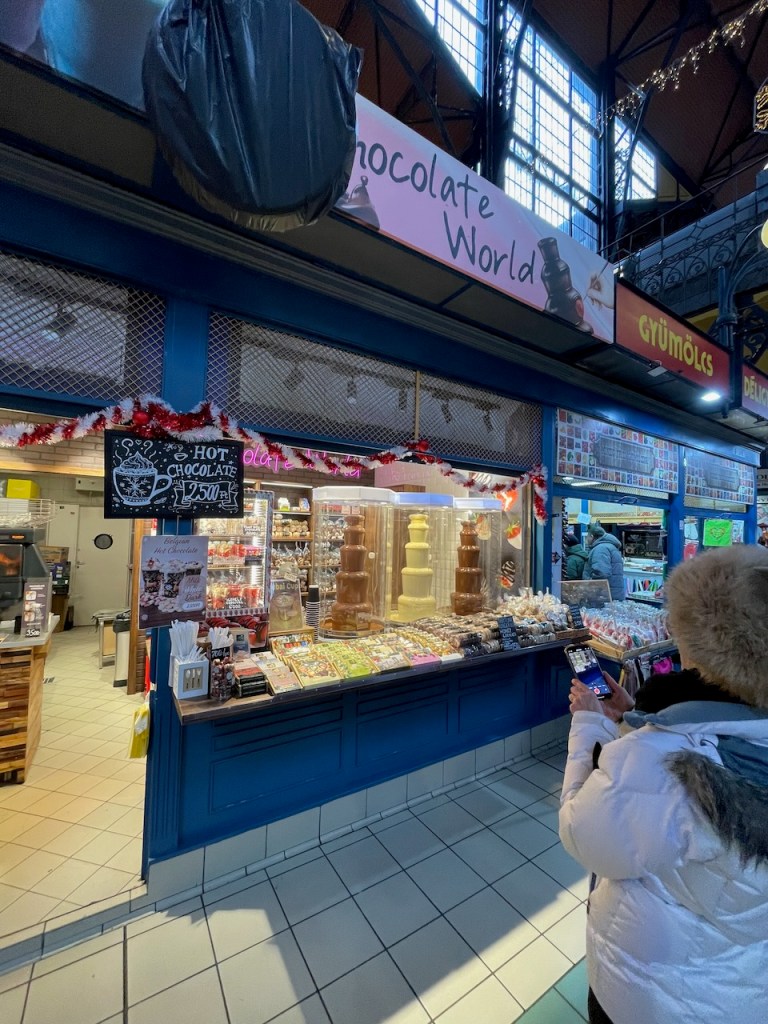
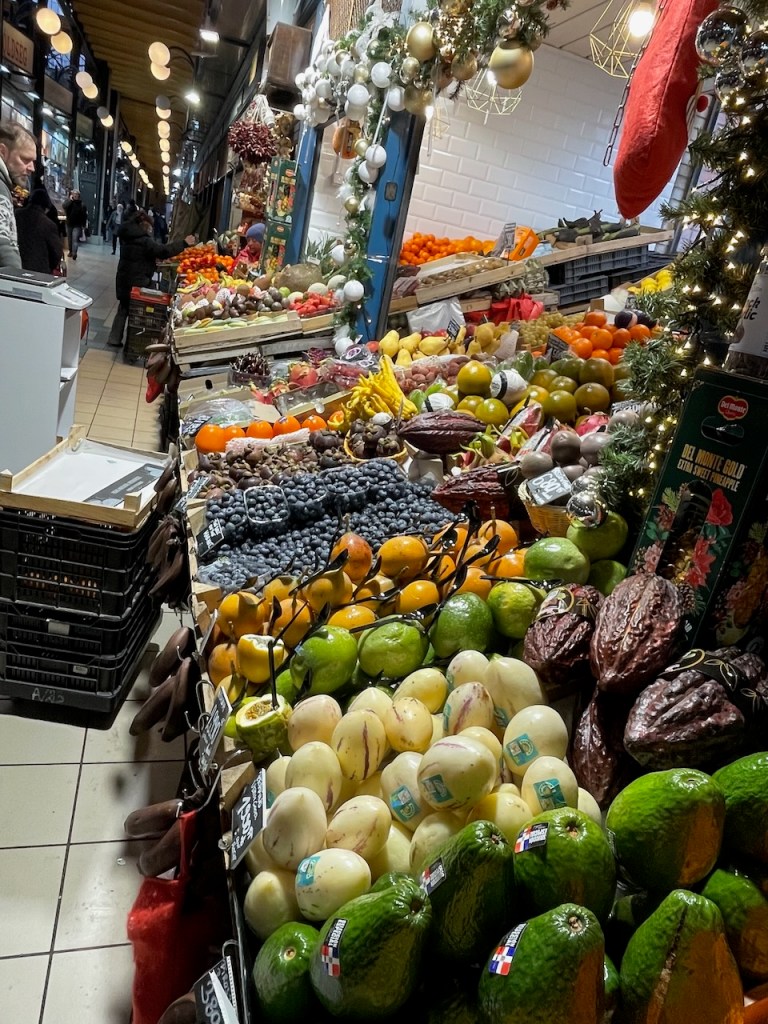
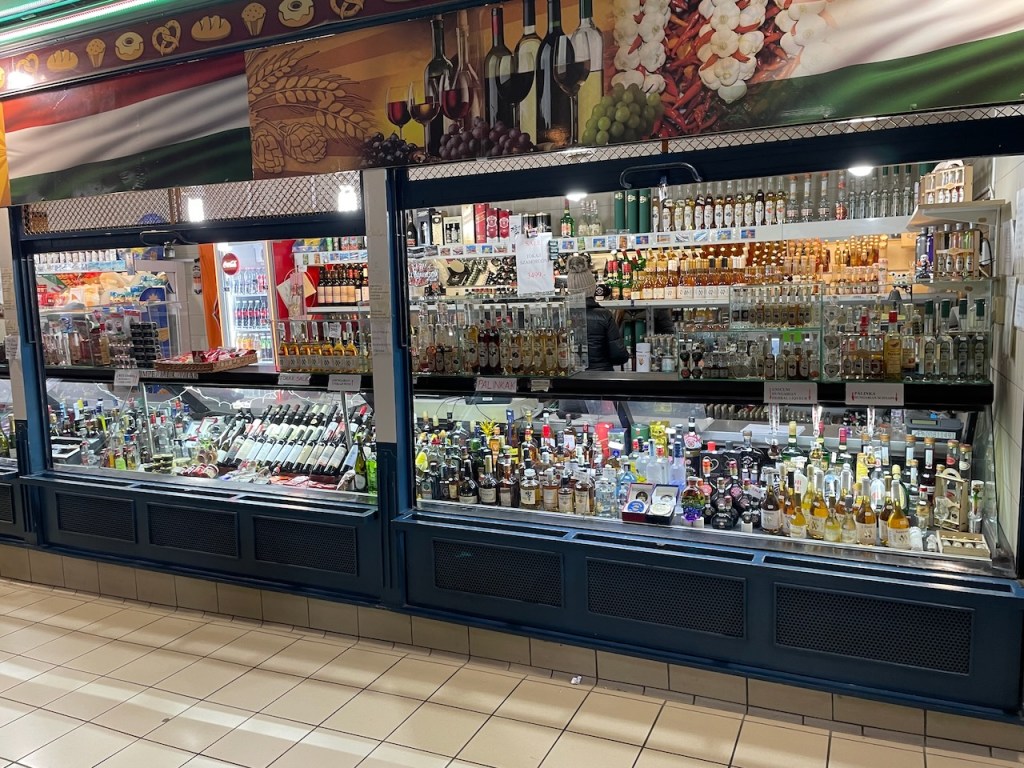
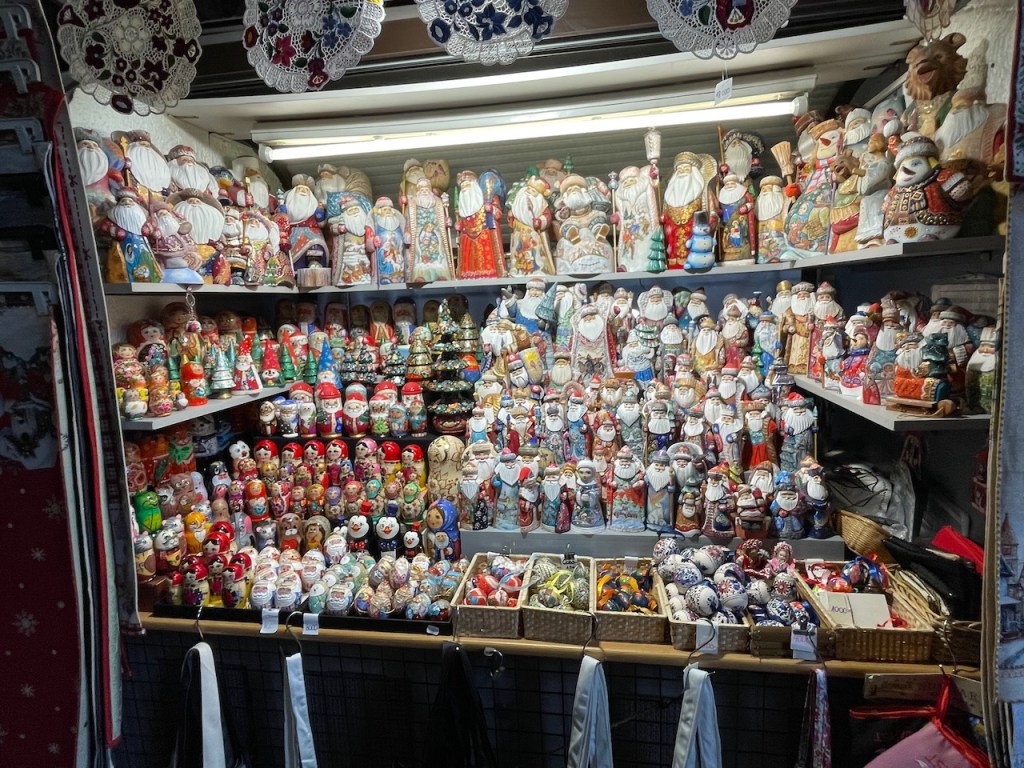
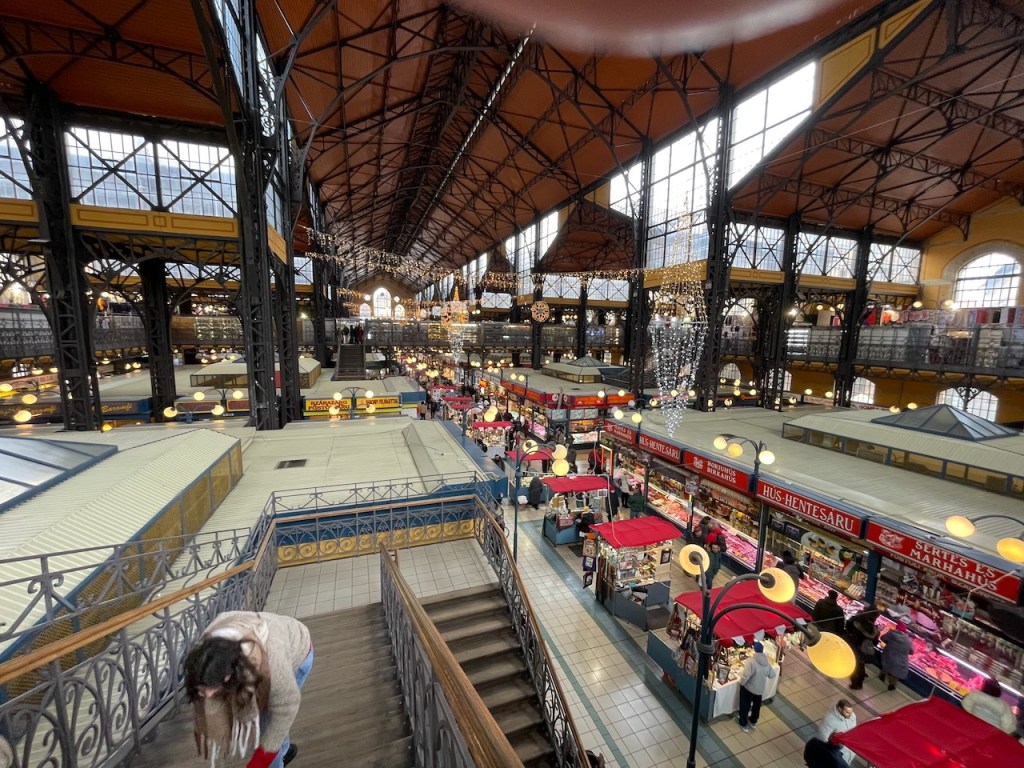
The rest of the presumably shits-free stalls included meats, chocolates, vegetables, liquor, candy, and underwear with the words, “I visited Budapest and all I got was this shit-stained underwear” stitched into the rear. I bought a pack of three.
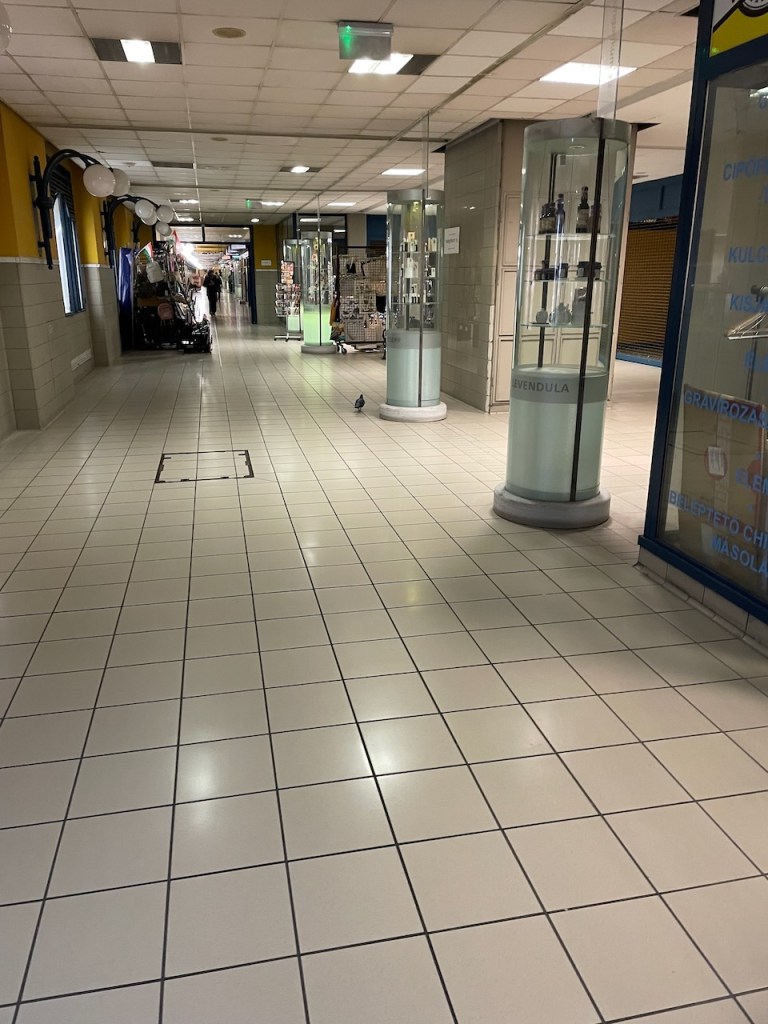
If you’re a vendor, one of the places you definitely don’t want to be in the Great Market Hall is on the lower level. I took a peek, but skedaddled upstairs because I swore I saw a zombie, probably turned into one by eating, yes, ghoulash.
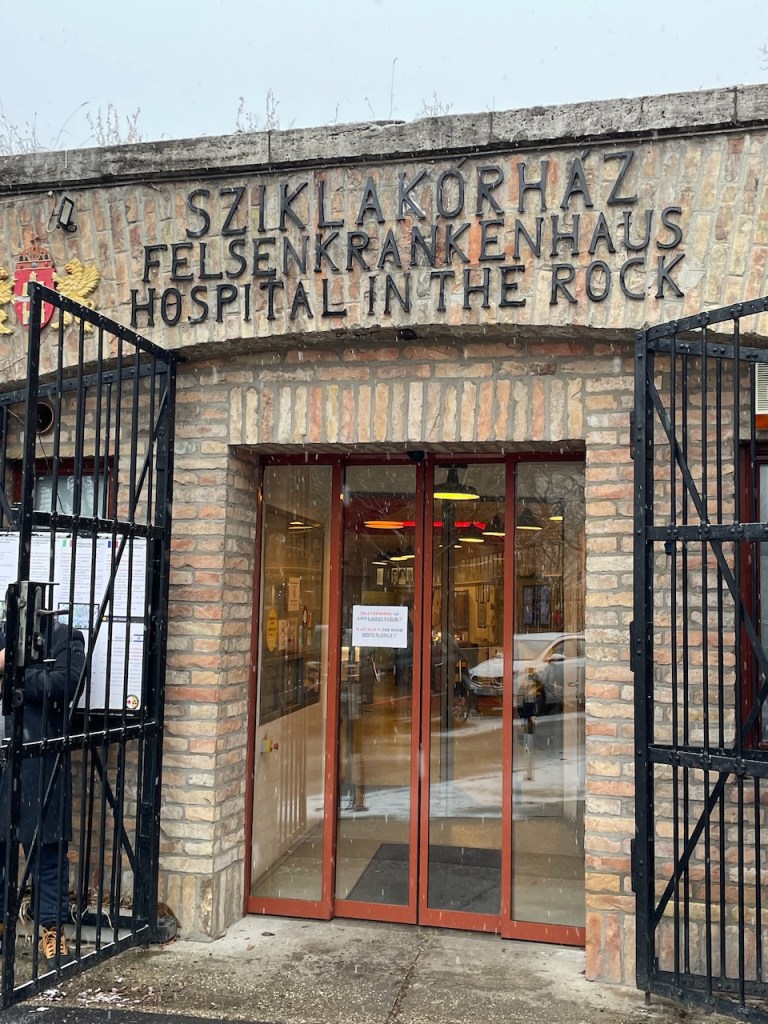
Another place I visited was the Hospital in the Rock, which was pretty fascinating. Unfortunately, like the Hungarian Parliament, they don’t allow photographs to be taken when you’re on the tour inside. But you can read all about it and see some photos here: https://www.sziklakorhaz.eu/en
The short version is that it’s a unique subterranean facility built into a 10km-long natural cave system beneath Buda Castle. Constructed between 1939 and 1944, it provided critical surgical care during the Siege of Budapest (1944–45), and during the 1956 Revolution. From 1958 to 1962 it served as a cold war nuclear bunker. Since it was built by utilizing existing natural caves, the layout from above looks a lot like an ant farm laying on its side.
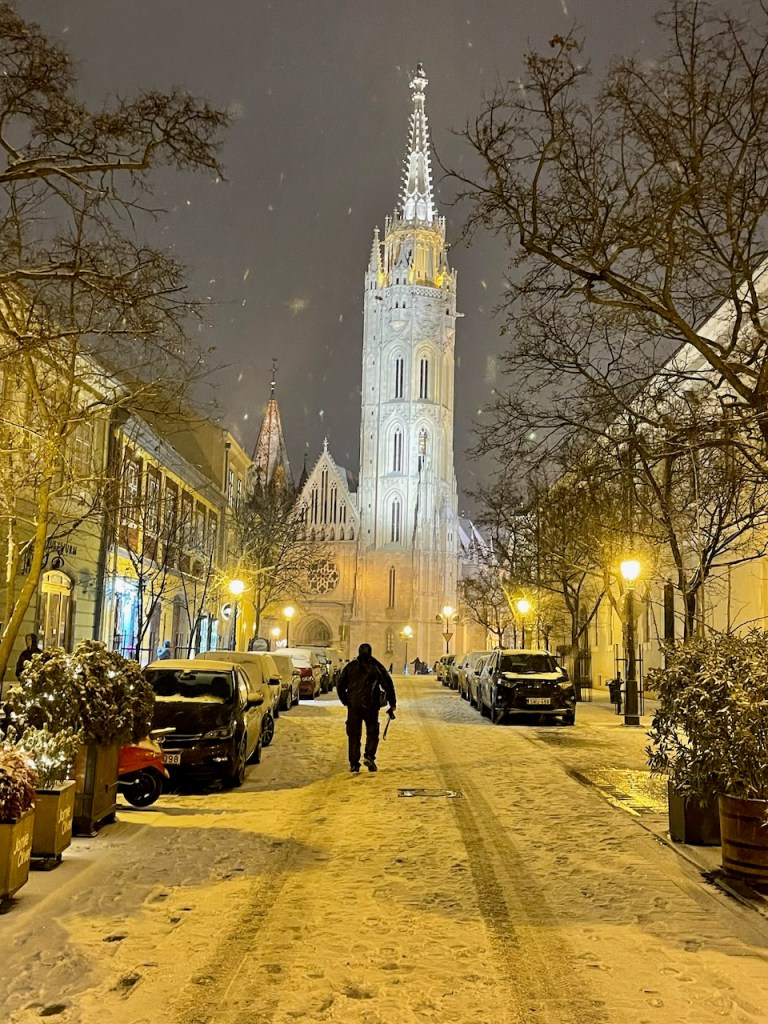
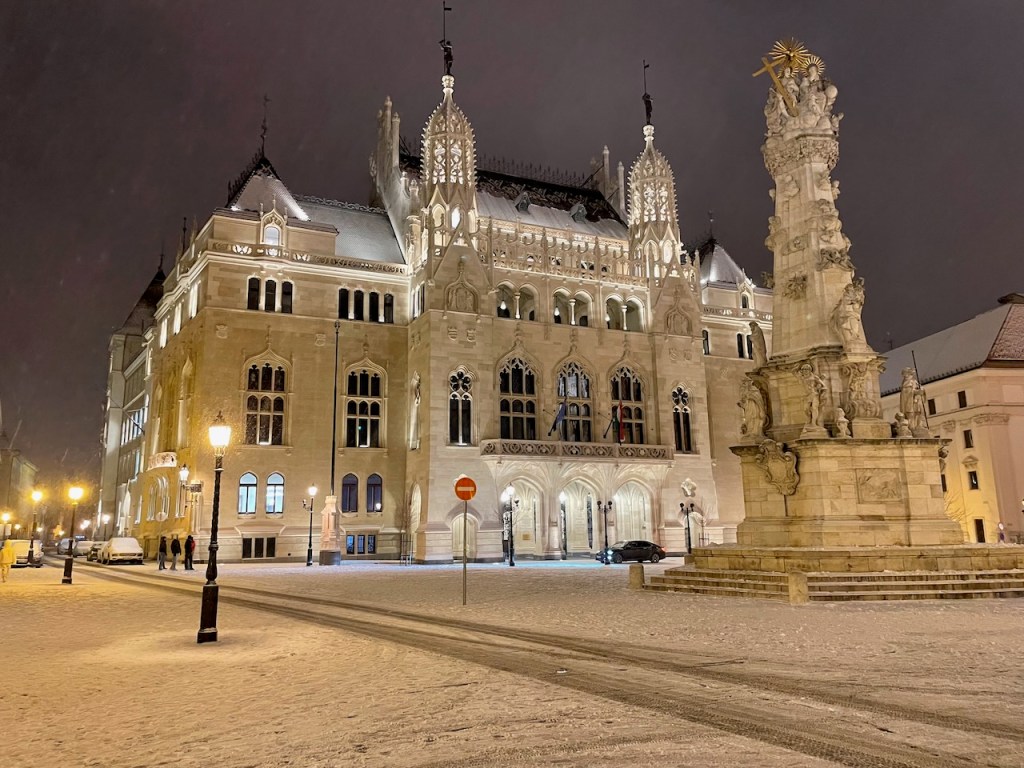
While visiting that museum it decided to snow outside, turning Budapest into a winter wonderland.
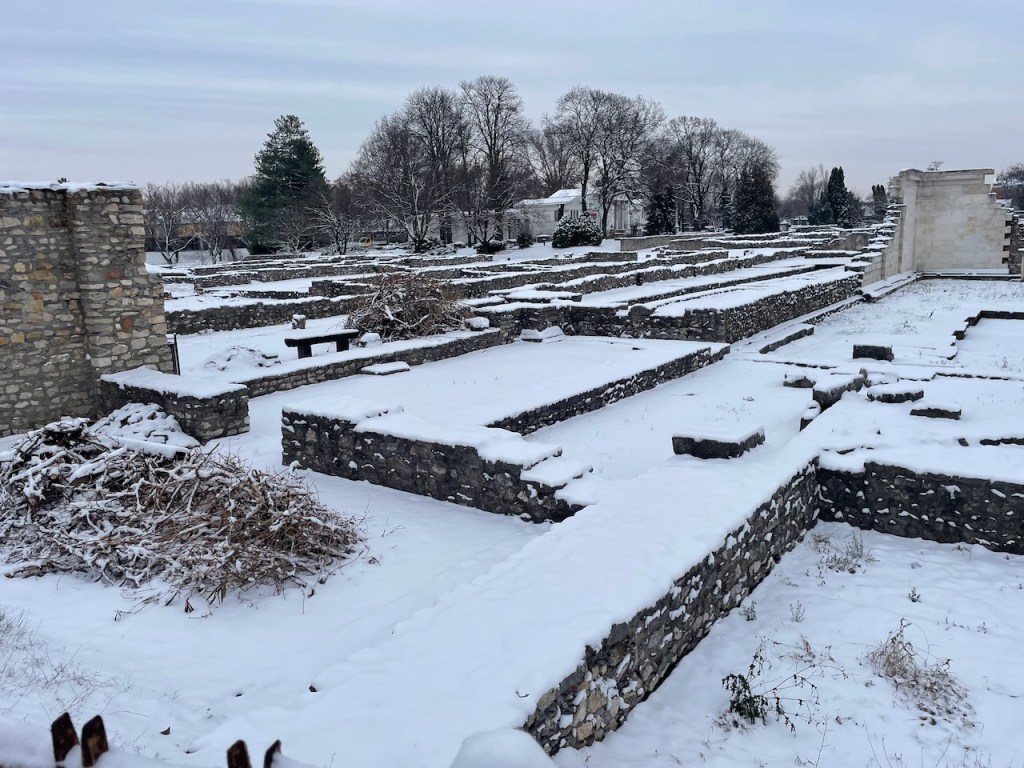
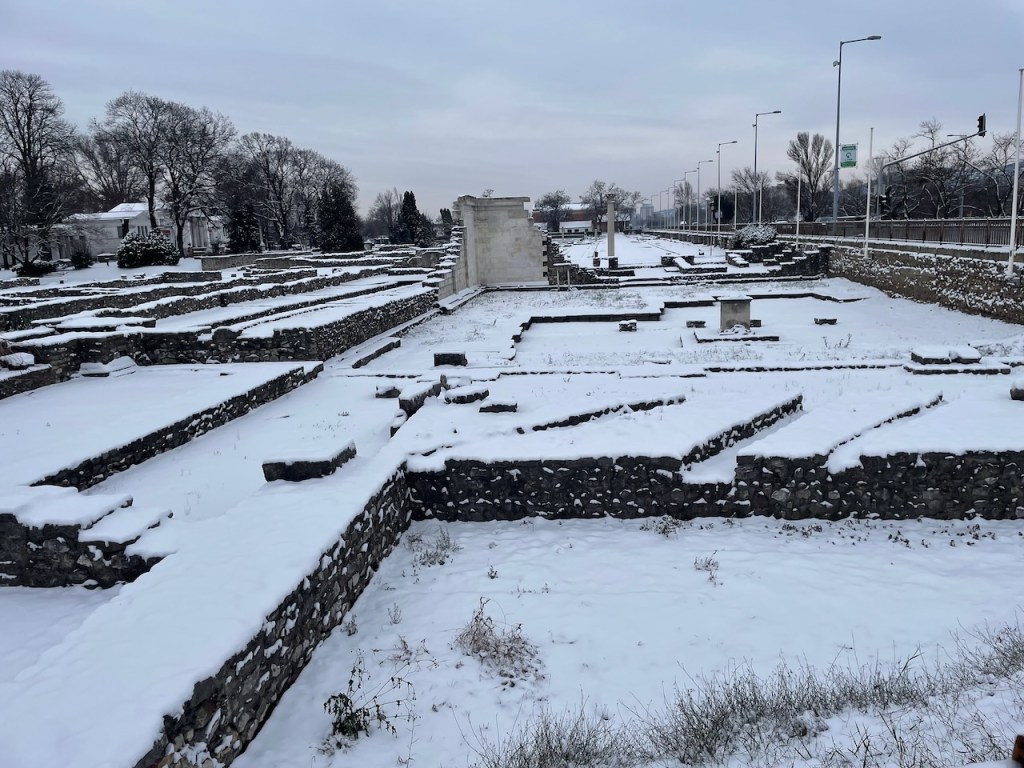
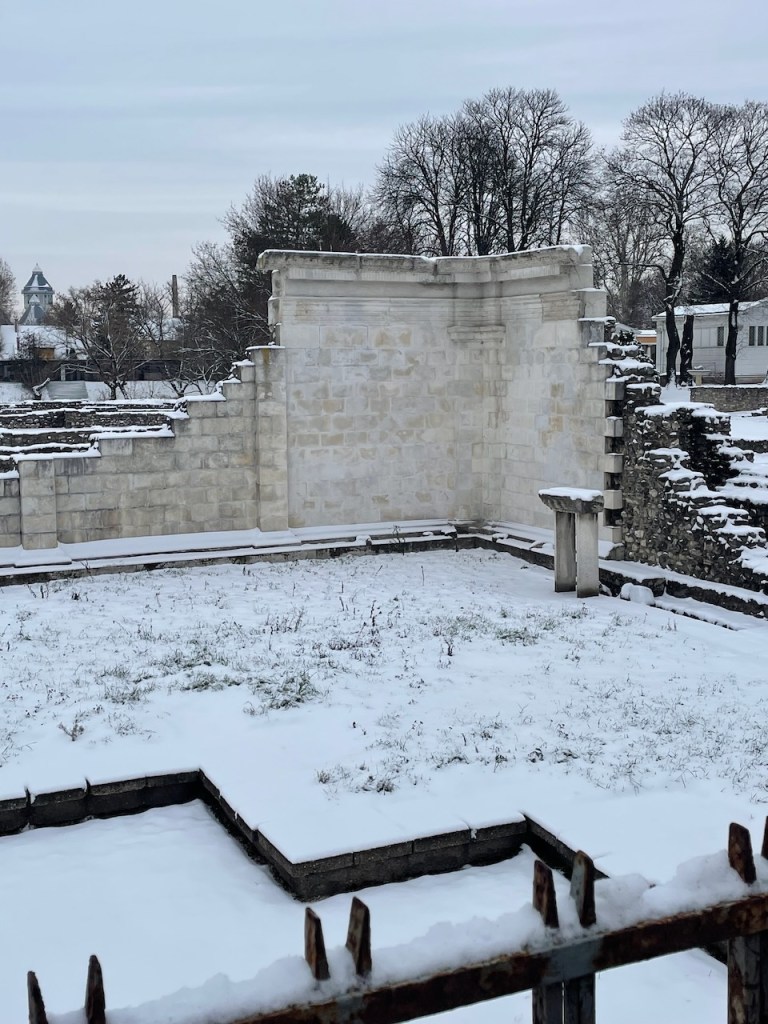
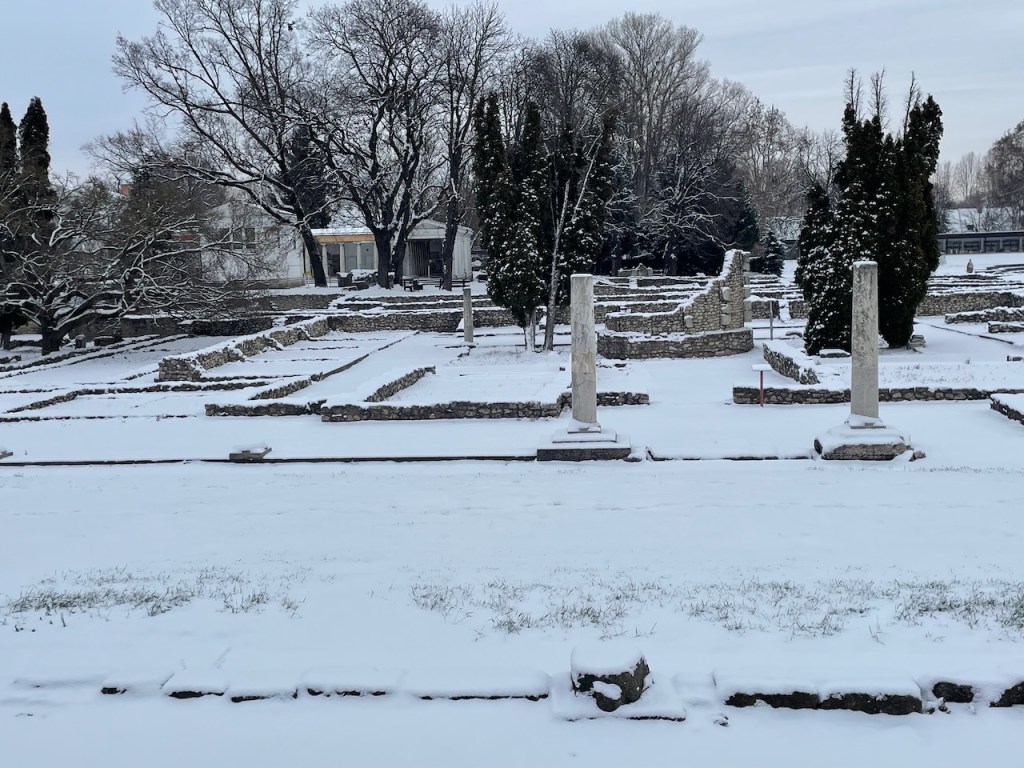
I also visited Aquincum, an ancient Roman city that has been turned into an exhibit and museum. Unfortunately, due to the snow, the grounds were closed, so I took these shots from the street. Since I’ve seen a number of Roman ruins during my European travels, I didn’t lament the inability to walk around these too much. Once you’ve been to Pompeii, other ruins are just like, “Pffft, yeah, that’s fine, but it ain’t no Pompeii!”
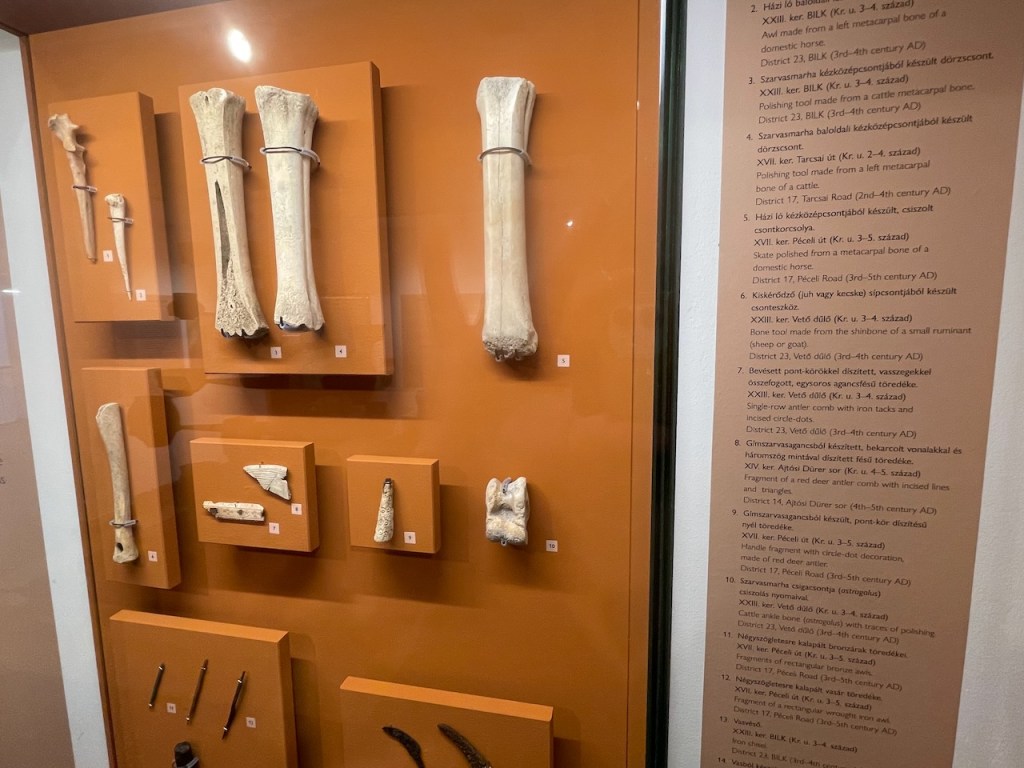
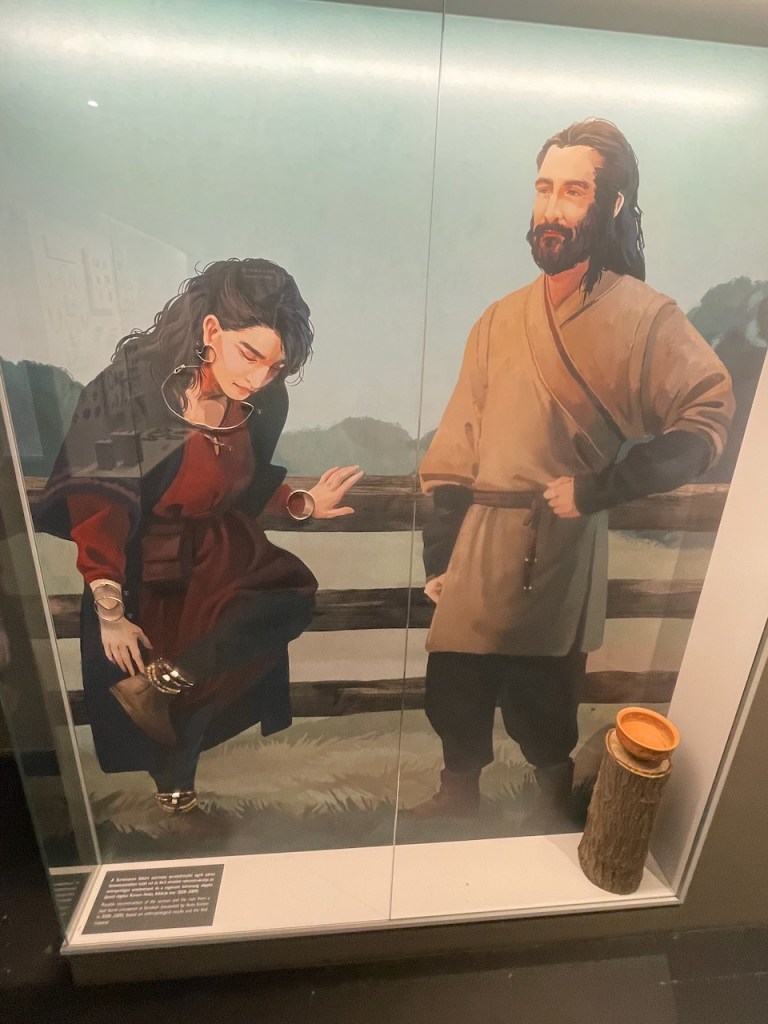
They had an exhibition of dog chew toys for some reason, plus a rendering as to what the Sarmation nomadic tribes from the 5th century BC to the 4th century AD likely looked like, as well as their dress. Based on bones they found in a grave, they estimate the height of the 23-25 year-old woman to be 153 cm, or just a smidge over 5 feet (as long as she wasn’t wearing stilettos). The 164 cm tall (5.4 feet) man was 40-50 years old when he died, but might’ve lived longer had he not been caught prancing around in his wife’s stilettos.
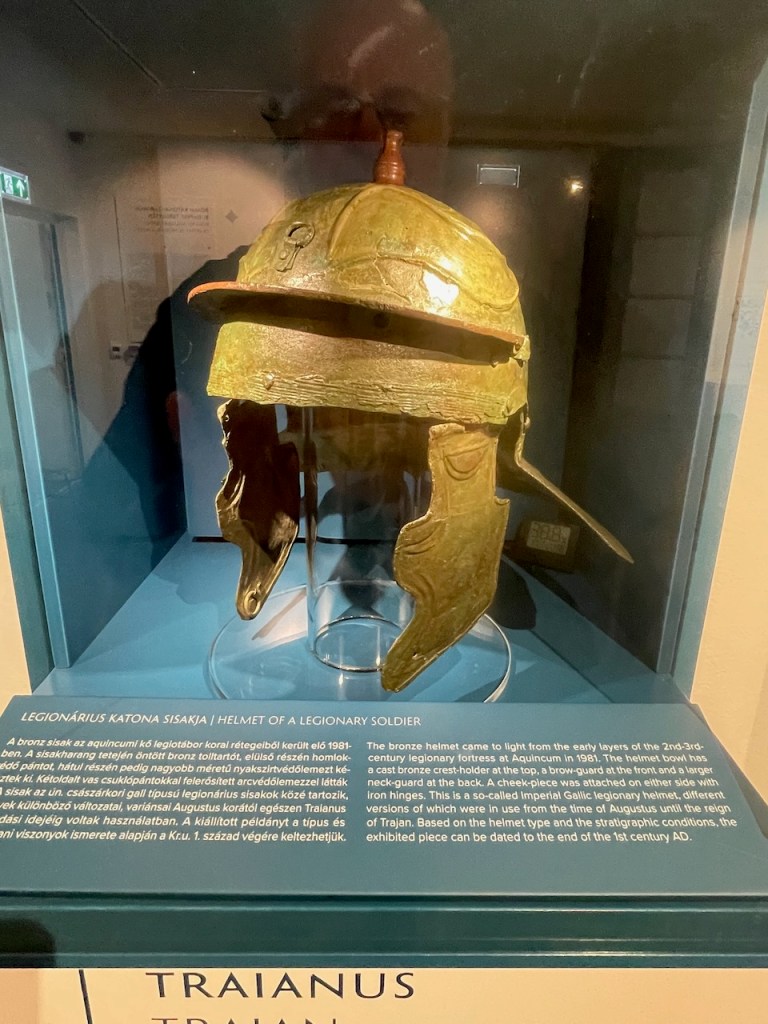
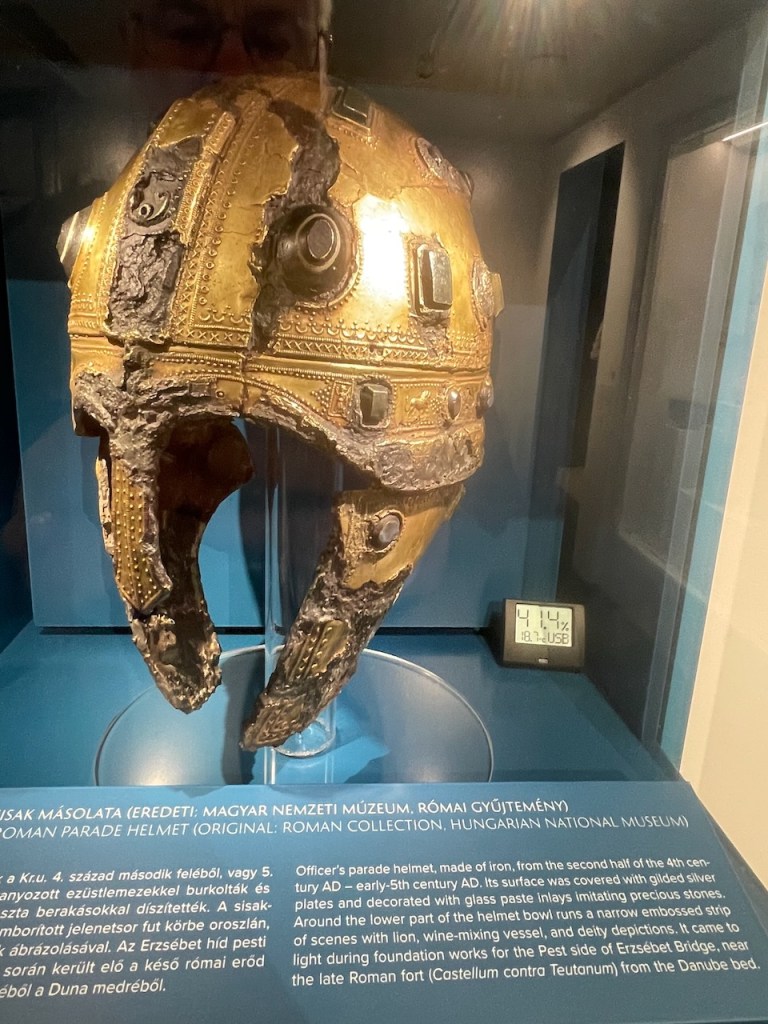
The Sarmatians were at times both fierce enemies and valued allies of the Roman Empire. These are actual helmets worn by Roman soldiers during that era. The Sarmatian dominance ended with the Hunnic invasions in the late 4th century, and most tribes were absorbed by the Slavic and Germanic peoples. Sarmations were a new one for me, so it was interesting to learn that little factoid from a region of the world whose history goes largely untaught in the US.
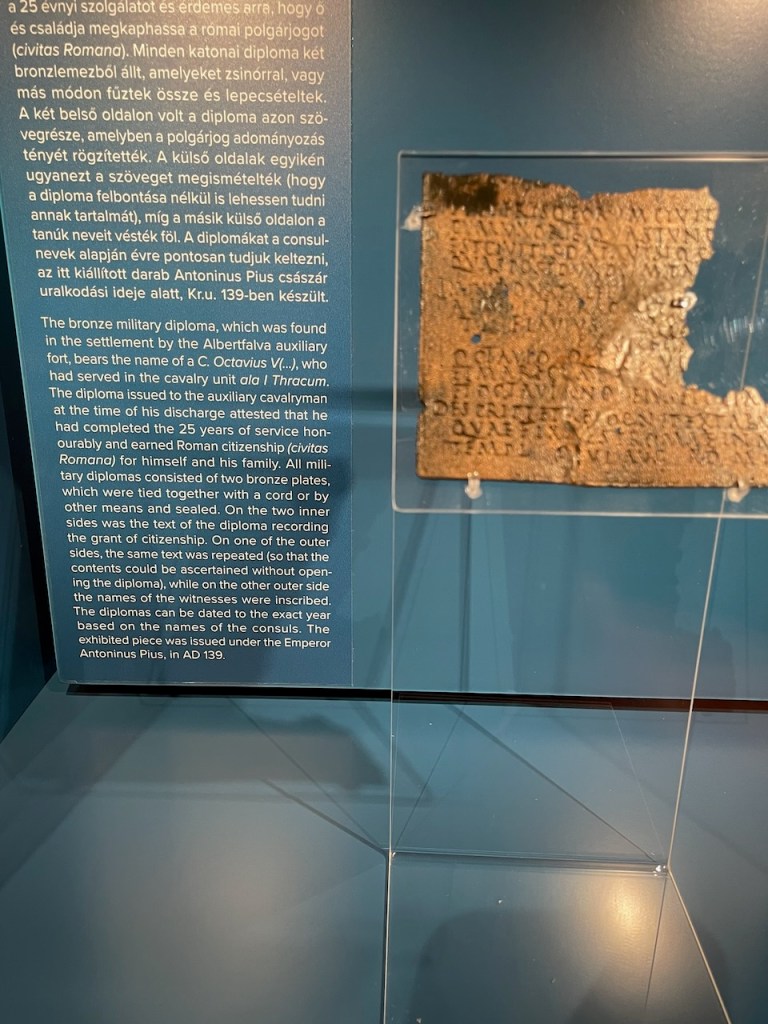
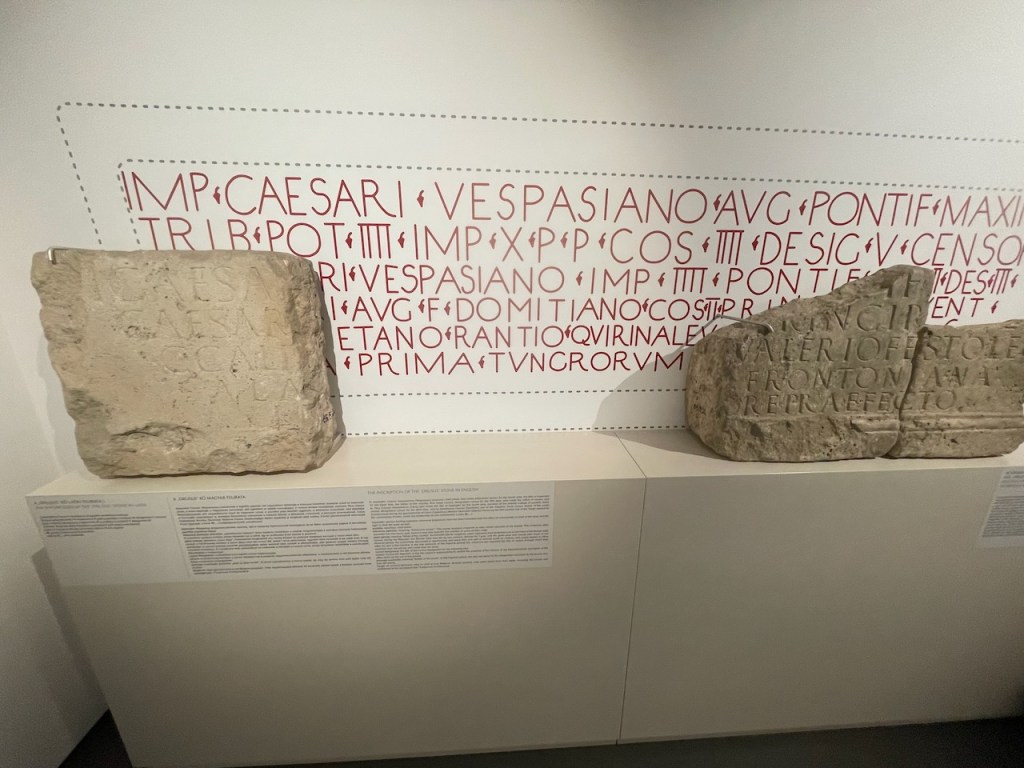
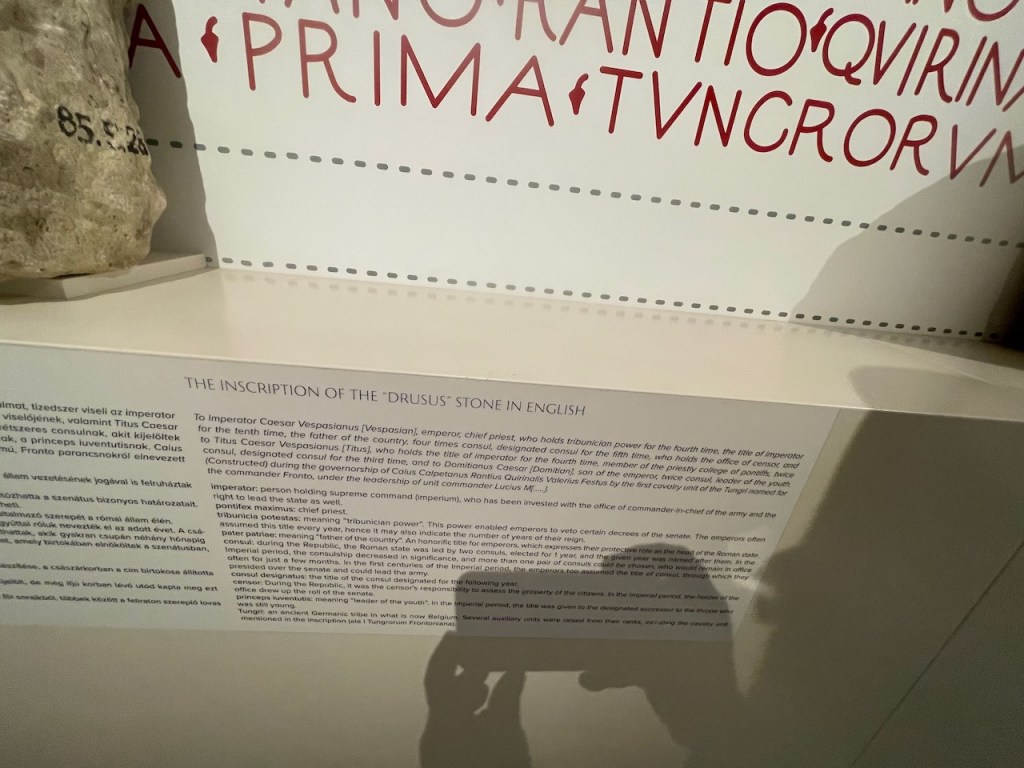
These are pretty interesting if you want to zoom in and read the plaques describing what the ancient writings say. The top left photo shows a military diploma which also granted the soldier Roman citizenship after 25 years of military service. I don’t know what you had to do to survive 25 years in the military back then, but I suspect it might have involved a lot of hiding in the bushes.
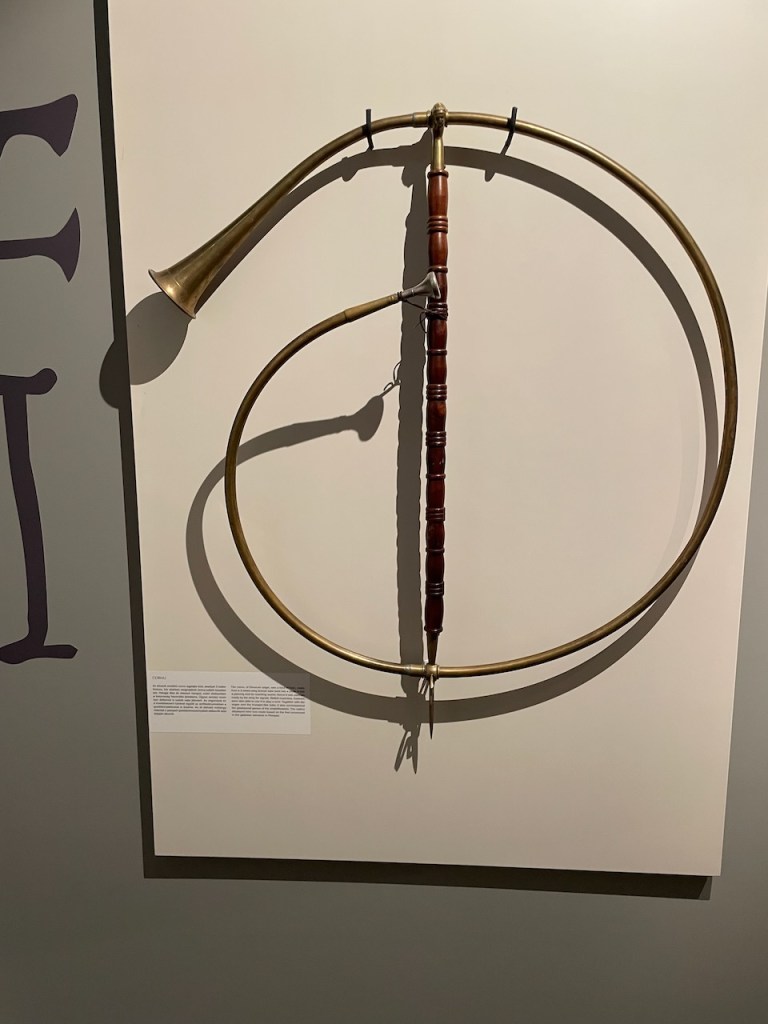
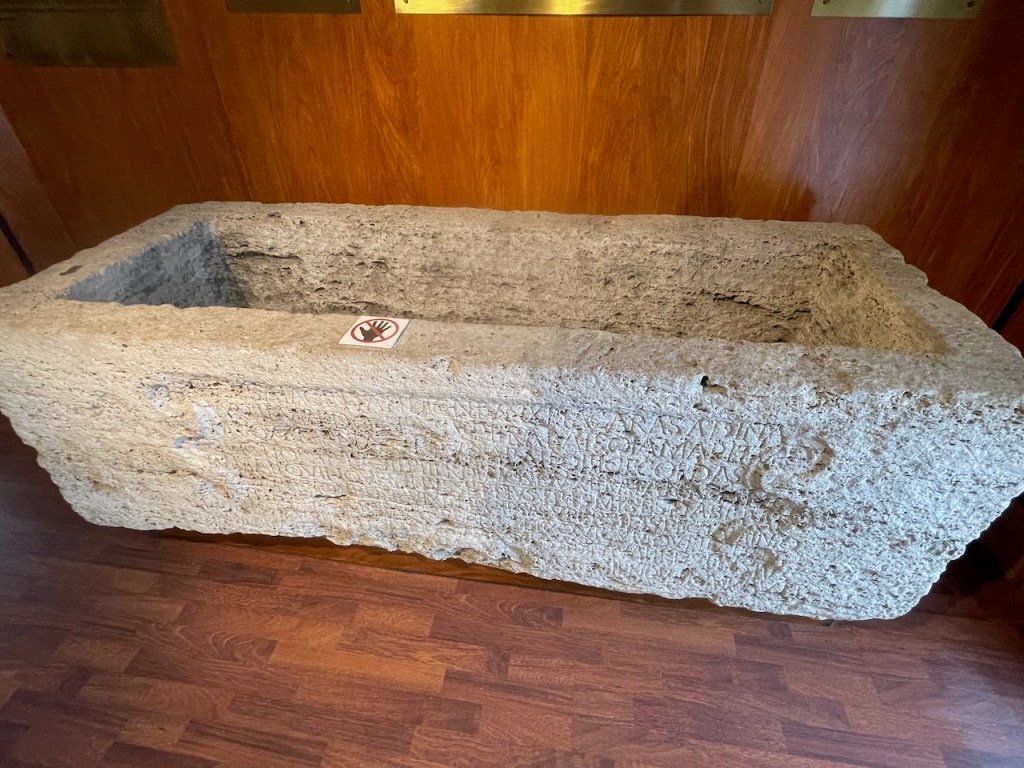
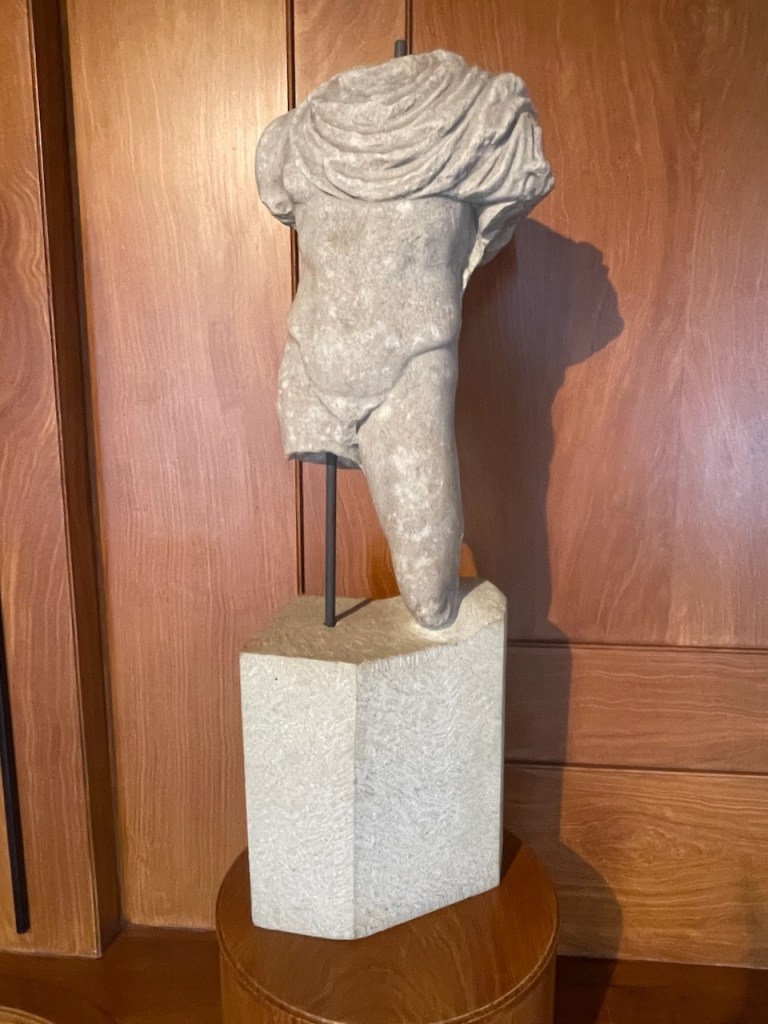
A lute, a stone casket (I guess it might’ve been a bathtub), and a statue of Ol’ One-Legged Willie rounded out some of the exhibits in the small but elegant museum they had on site.
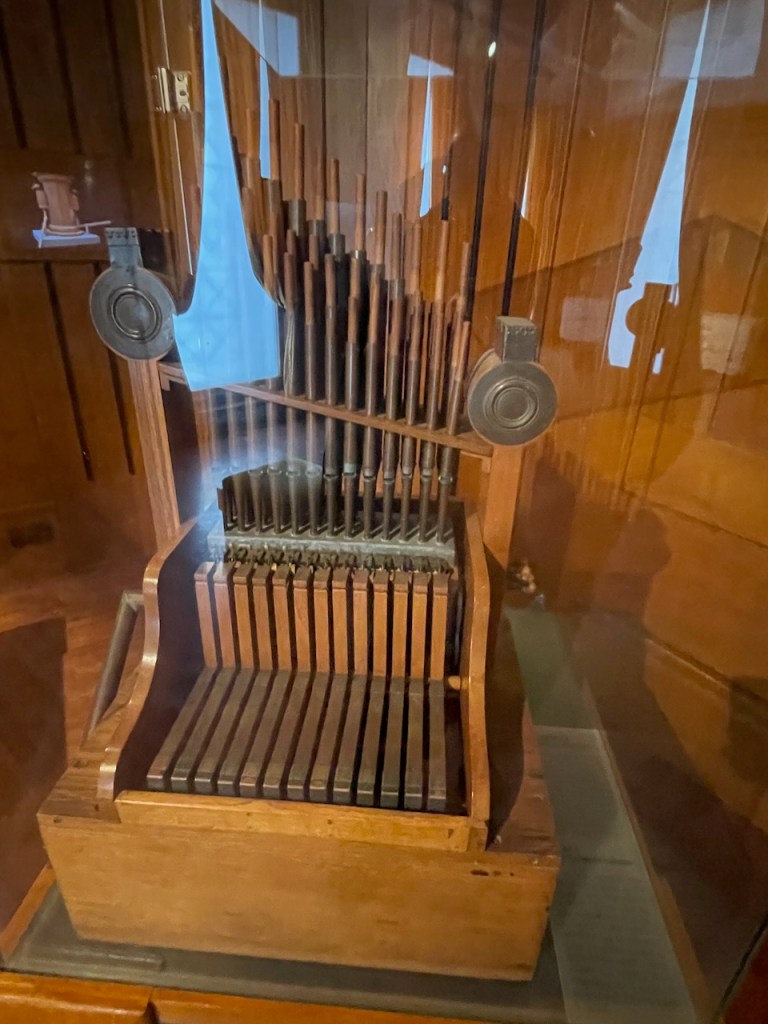
But the highlight for me was this organ dating back to 228 AD. I mean, if someone had asked me to guess what year organs were invented, I might’ve said something like the 14th century. But apparently way back when, the Romans could pump out tunes like Light My Fire, The House of the Rising Sun, Hush, and In-A-Gadda-Da-Vida with the best of them, at least until they ran out of electric eels to power their guitars. But seriously, ancient Roman organs? Who’d-a thunk? What’s next? Self-driving chariots?
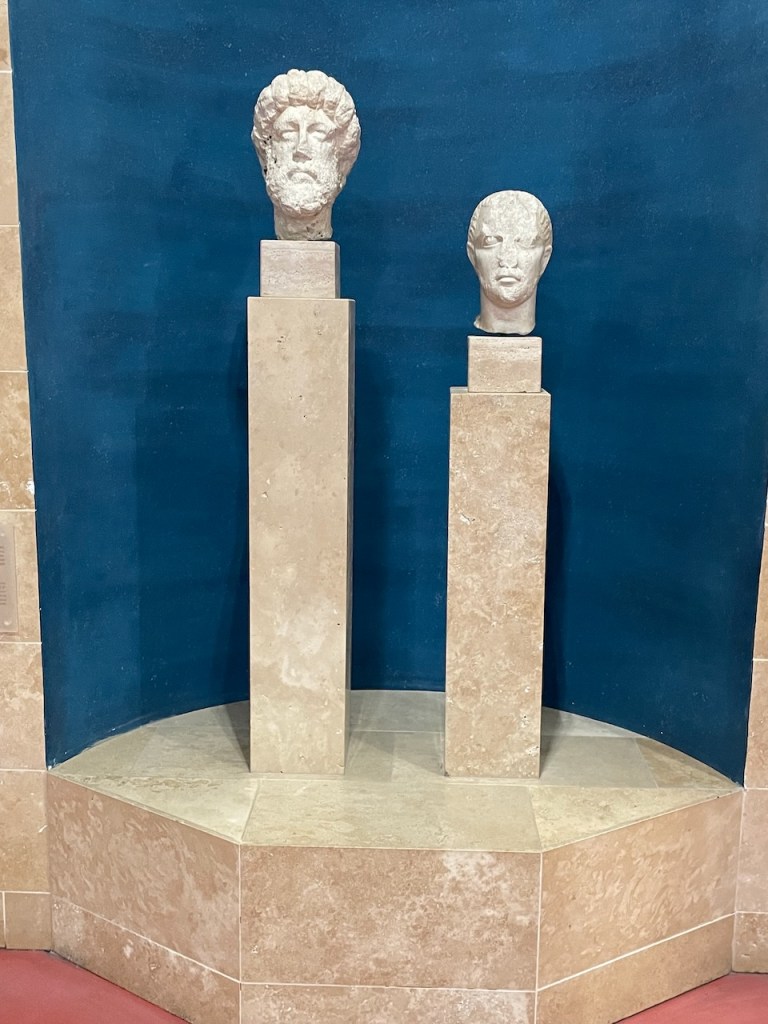
Ironically, they found some of the heads that must’ve originally been part of the headless statues section of that other museum. These guys obviously called “heads” first. Either that or they’re full body statues depicting how they wrapped their bodies in such a way to make them look like Pez dispensers, which were probably invented about the same time as the organs.
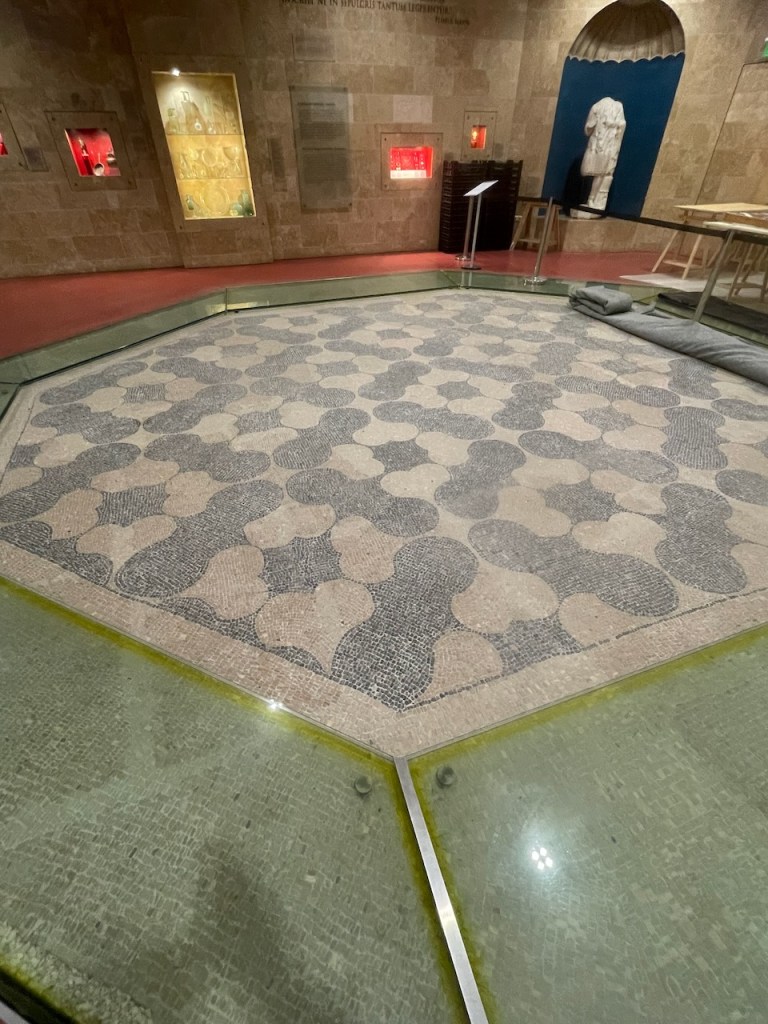
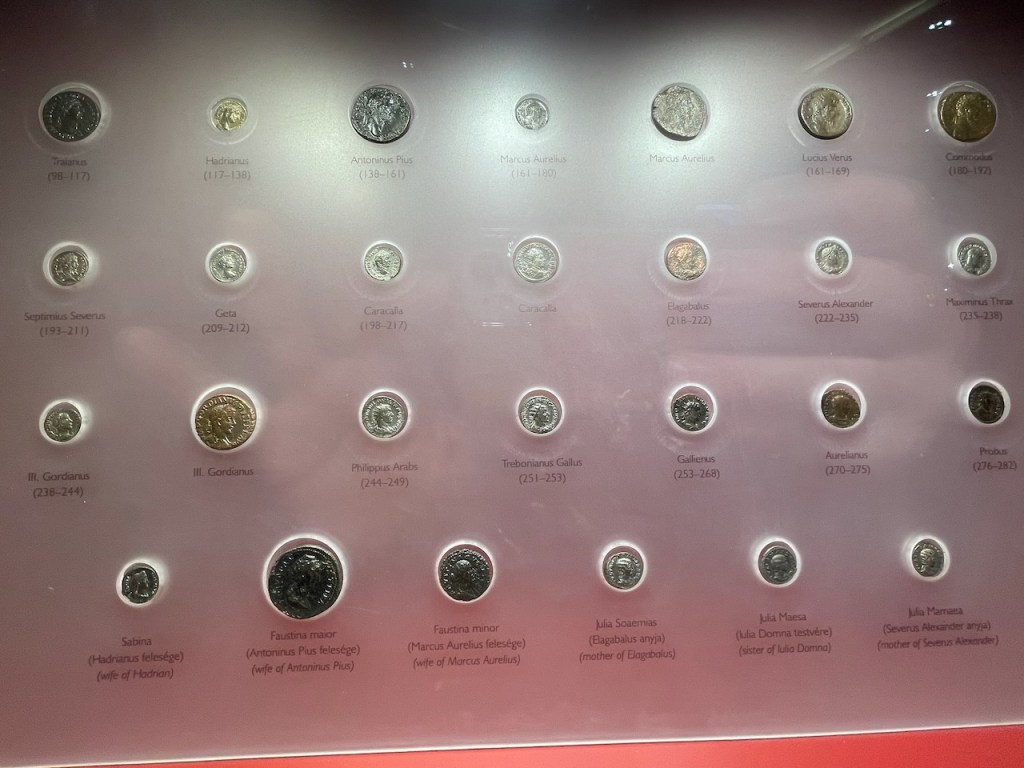
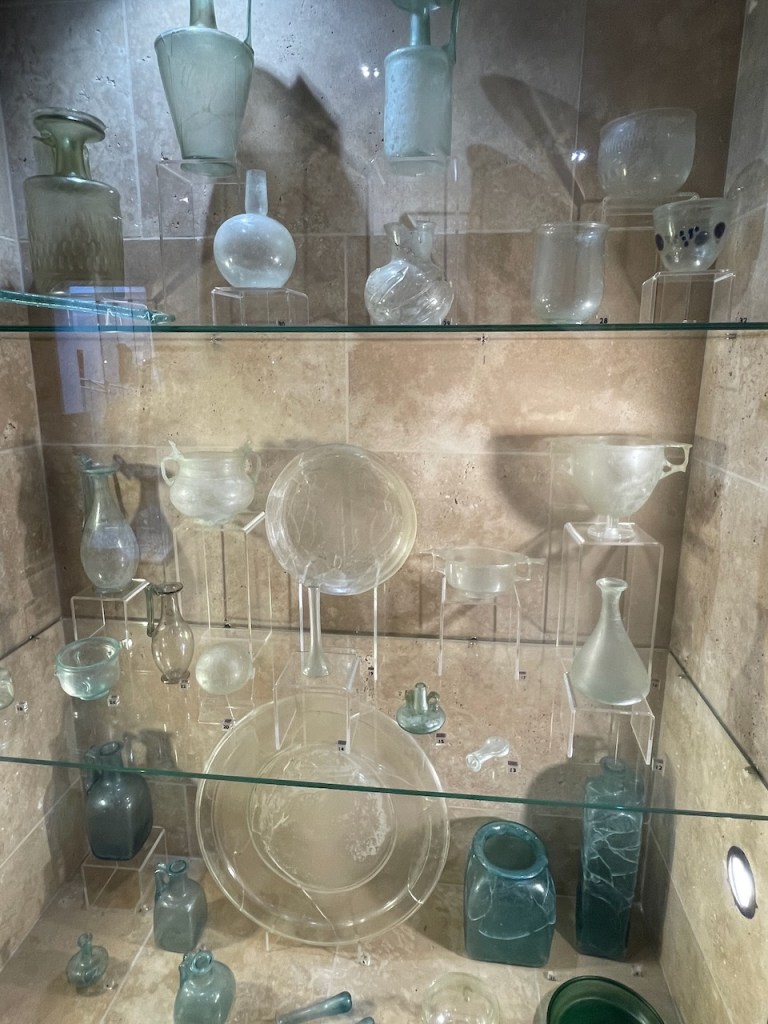
This mosaic floor dates back to the 2nd century, and was part of the palace in Aquincum. The coins and glassware are from the 1st and 2nd centuries. I tell ya, every time I see Roman artifacts I marvel at how advanced they were and how long it took humanity to catch back up to them. If Mrs. Caesar had just plugged in the toaster she got as a wedding present they’d have discovered electricity and you might be reading this from your vacation condo on Mars.
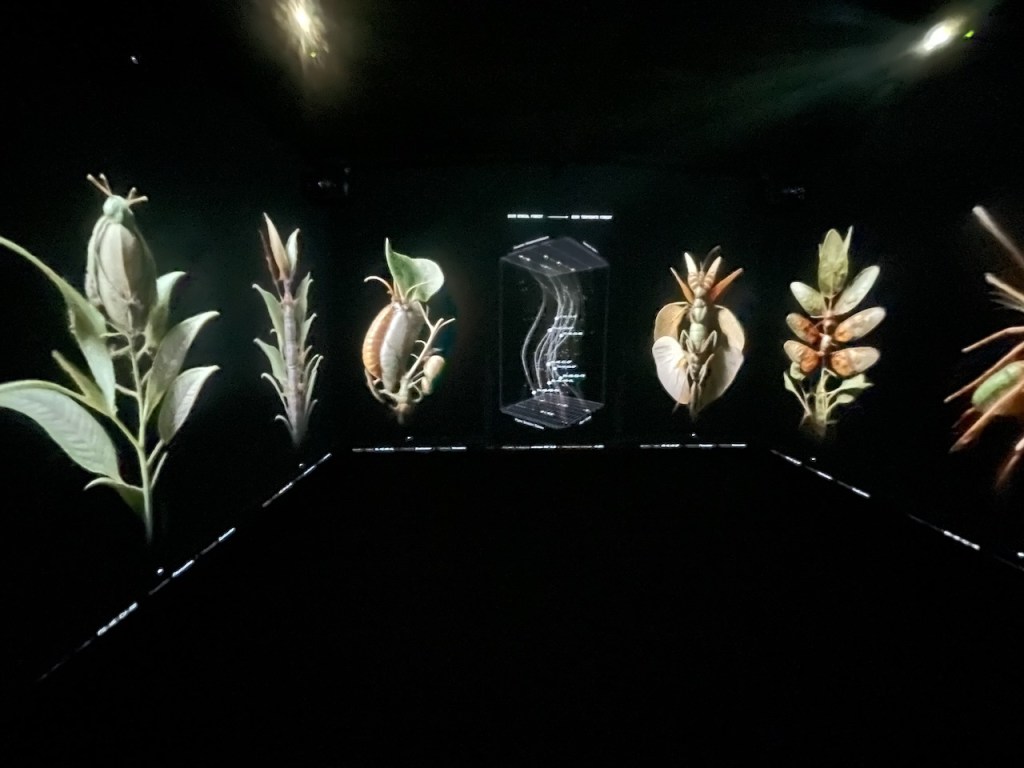
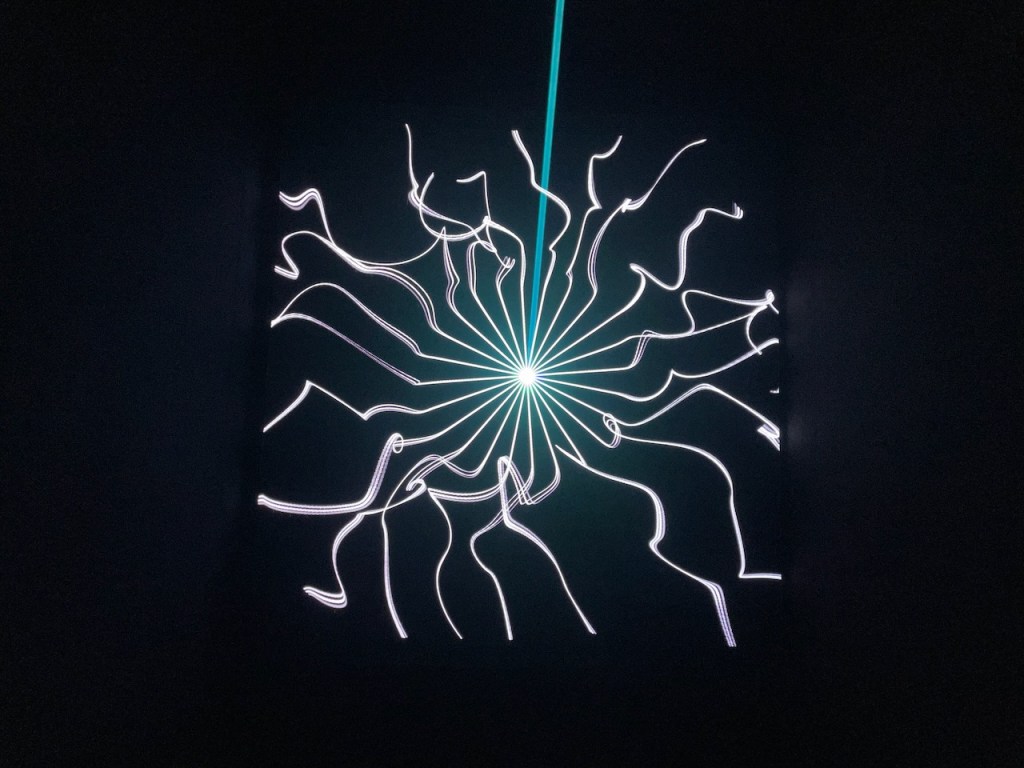
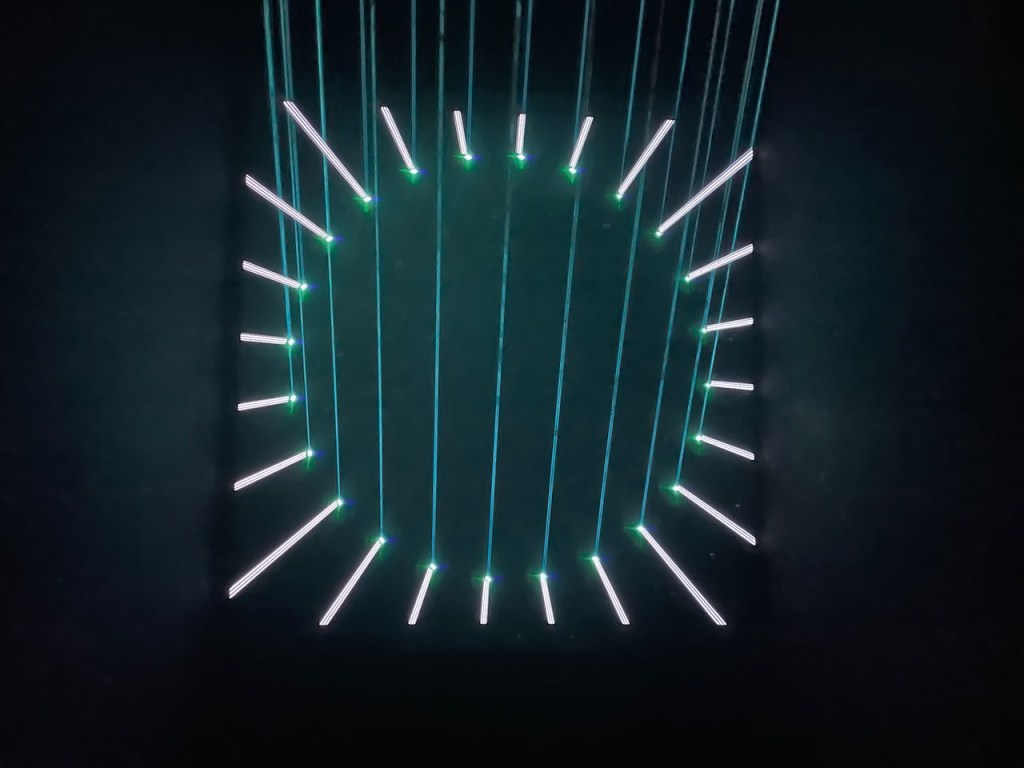
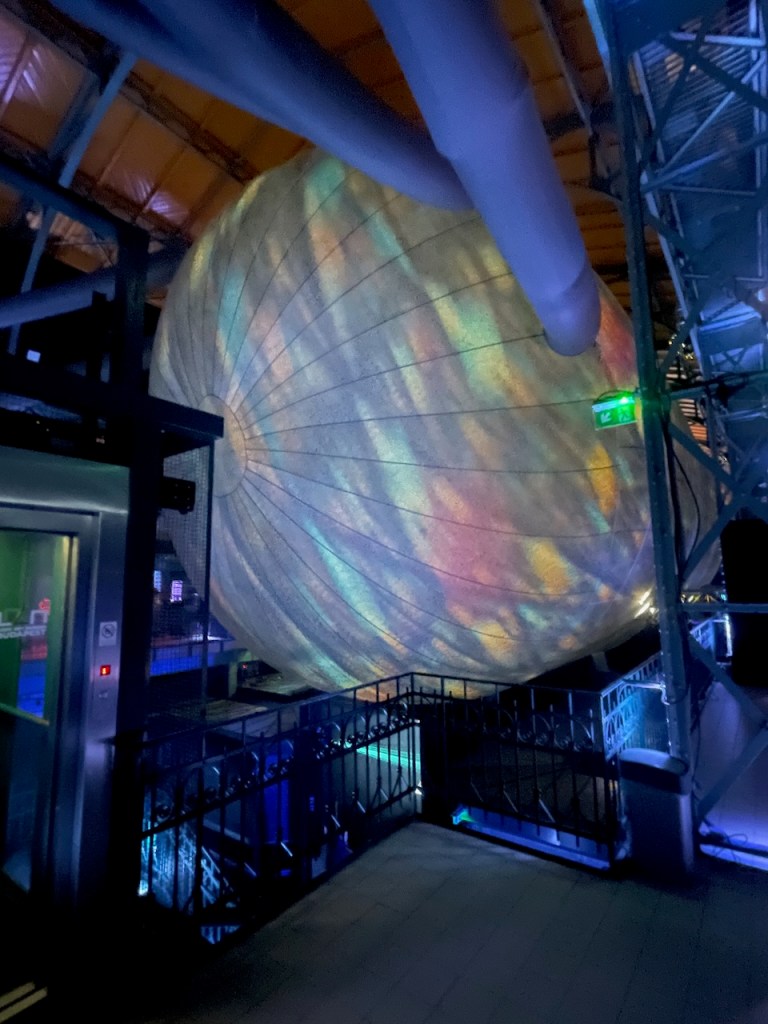
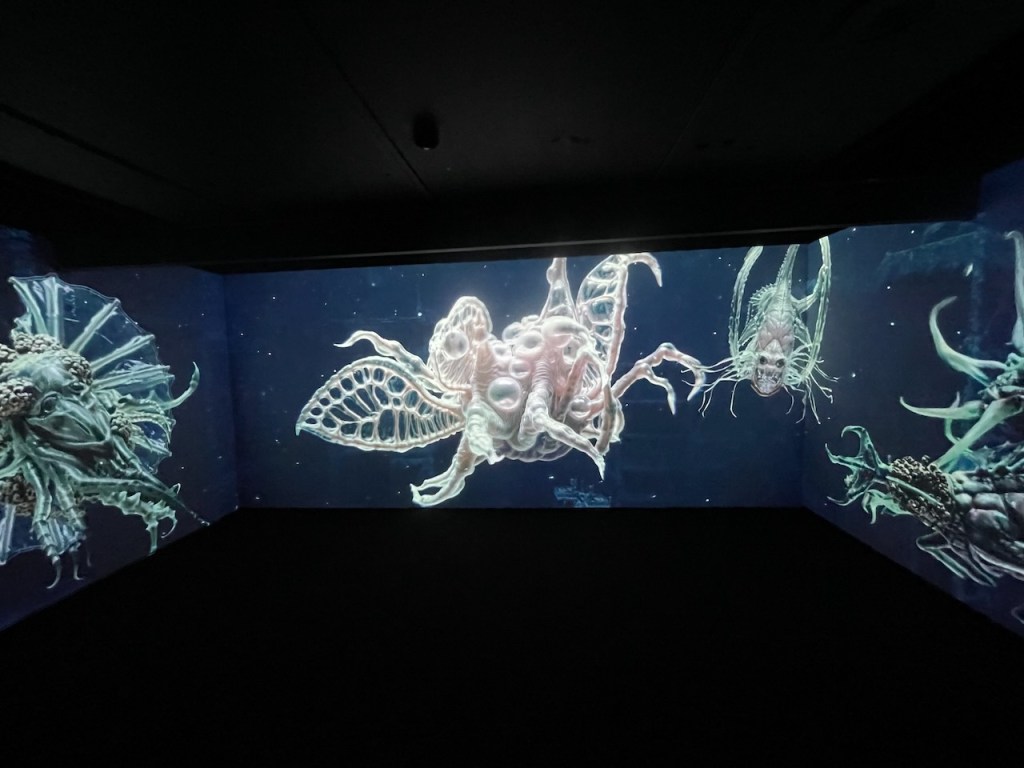
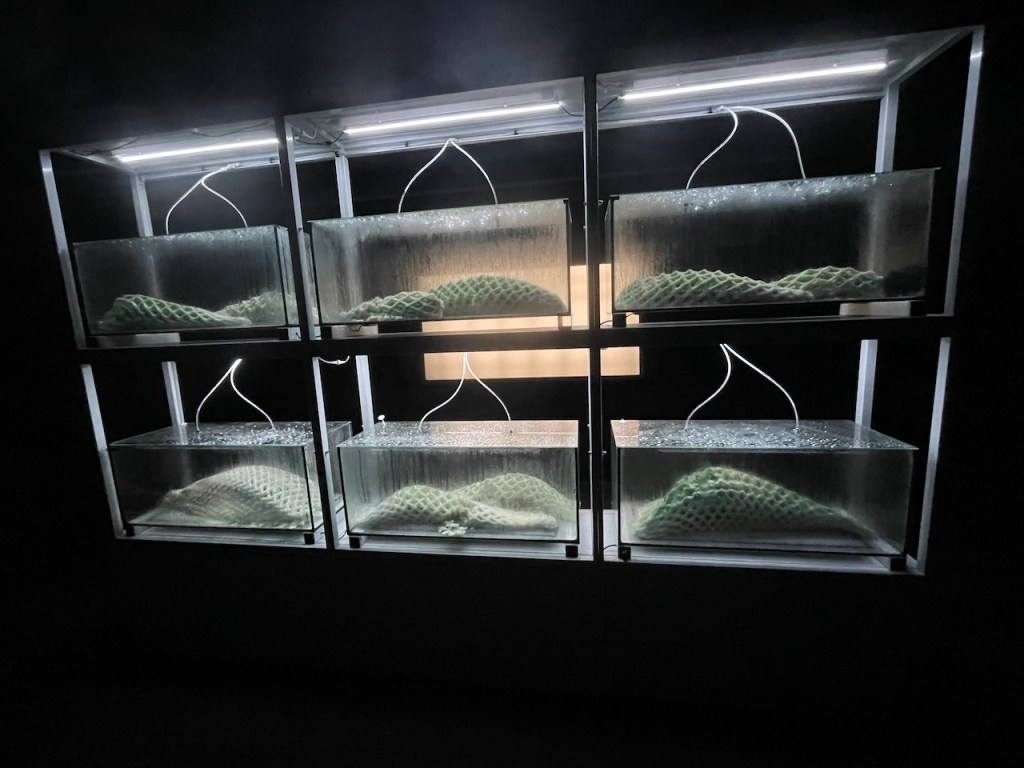
By the last day, I was down to my B-Level attractions, either already having seen or not being allowed to see the best sites Budapest has to offer. So I wandered into the Light Art Museum, which is one of the first exhibition spaces in the world to feature exhibits focused on light. I wasn’t expecting too much out of it, but it ended up being fairly interesting. Some of the exhibits made absolutely no sense nor created any interest in me whatsoever, while other pieces were quite fascinating. A lot of them used movement, which I can’t show you due to the “Cheap-Ass Pix Only” program I’ve subscribed to in order to make this blog. But if you ever find yourself in Budapest, once you escape from the kidnappers, check this little museum out. You could do a lot worse than spending 17 euros on the Light Art Museum. God knows I spent over twice that just for the privilege of sitting on the toilet for longer than usual, so this is a steal in comparison.
Overall I found Budapest to be a safe and beautiful city, in fact data confirms what my spidey-sense tingled to me: statistically, Budapest ranks among the top ten safest cities in Europe. In addition, the buildings are quite magnificent, mass transit can take you just about anywhere, and other than diarrhea-inducing goulash at the big market, they serve some delicious foods in the restaurants. The people were reasonably friendly, although I noticed a direct correlation between English fluency and kindness. Those who didn’t speak English well tended to be a bit gruff and rude. The English speakers were all very nice. I guess it makes some sense, but you can draw your own conclusions as to the why’s of that because the non-English speakers were too grumpy for me to ask them about it. Language issues aside, I do think a lot of ladies like the men there, mostly because they’re, well Hungarian.

By the way, upon my return I was told by someone who’d been there that the baths were actually quite delighful and the older areas that might otherwise be considered dirty were currently closed, so I guess I missed out on one of the signature activities Budapest offers.
Another famous thing in Budapest is the Ruin Bars, which I failed to visit because I only drink alone when I’m not by myself. But you can read all about them here.
Because you know what? With all the traveling I’ve done, I’ve come to realize that no matter how much you do, and how many different places you see, you’ll always miss something. There’s simply no way to see everything, of course, so rather than lament what I didn’t see or do, I treasure and appreciate the things I have done and seen. I never thought I’d ever even step foot in Budapest. It’s still a little awe-inspiring to me that I was able to do that. Thanks for the memories you mad Hungarians!

(Scroll down to see previous entries.)












 baldsasquatchdotcom