
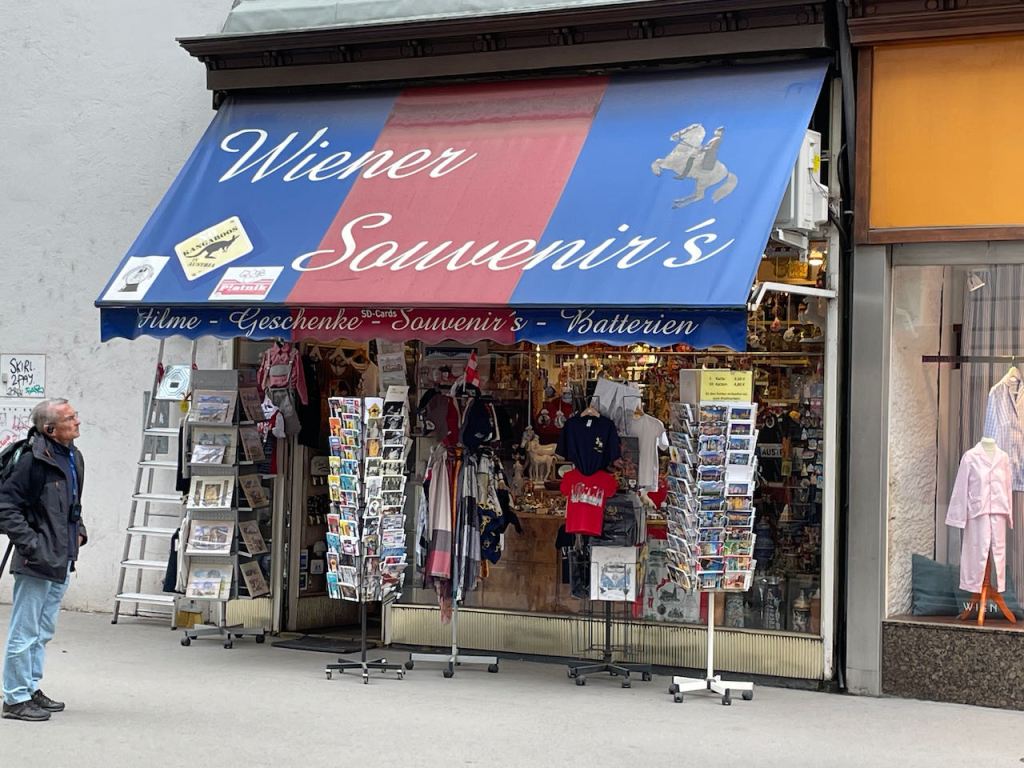
When we first arrived in Vienna, I wondered what its residents called themselves. Viennese? Viennanamese? Vienna Sausagers? I wracked my brain trying to think of a word I could use to make fun of them in the blog. When I learned that Vienna is known as “Wien” in German, I knew what I’d call them: Wieners! Hilarious right? However, much to my dismay, I discovered that they do in fact call themselves Wieners, which kind of takes the fun out of it all.
That was also when I realized I could walk into the shop pictured here without hiding my face because it is, in fact, not a sex shop. They are bad at English apostrophes though.
At least I can honestly say that we’ve now both seen thousands of wieners. In addition, Vienna is the only city in the world where every dog is a wiener dog.
According to worldsbestcities.com, Vienna ranks 12th best in Europe, with 9 and 11 being Istanbul and Zurich, making those the only two above Vienna that we haven’t been to (the top five are London, Paris, Berlin, Rome and Madrid), so our visit to Vienna made it 10 out of the top 12 we’ve seen so far. It certainly was one of the most beautiful. Depressingly, we’ve only seen 44 out of the top 100 European cities, which puts an exclamation point on the idea that we’re never going to see them all. Accordingly, we’ve just decided to enjoy what we see and accept that in our lifetimes we will never see everything, which helps when we feel like skipping something and taking a nap instead.


We rented a small apartment that was just a short walk away from the Votive Church, which is located in Sigmund Freud Park, which we avoided walking in much because at our age we didn’t want any Freudian slips.


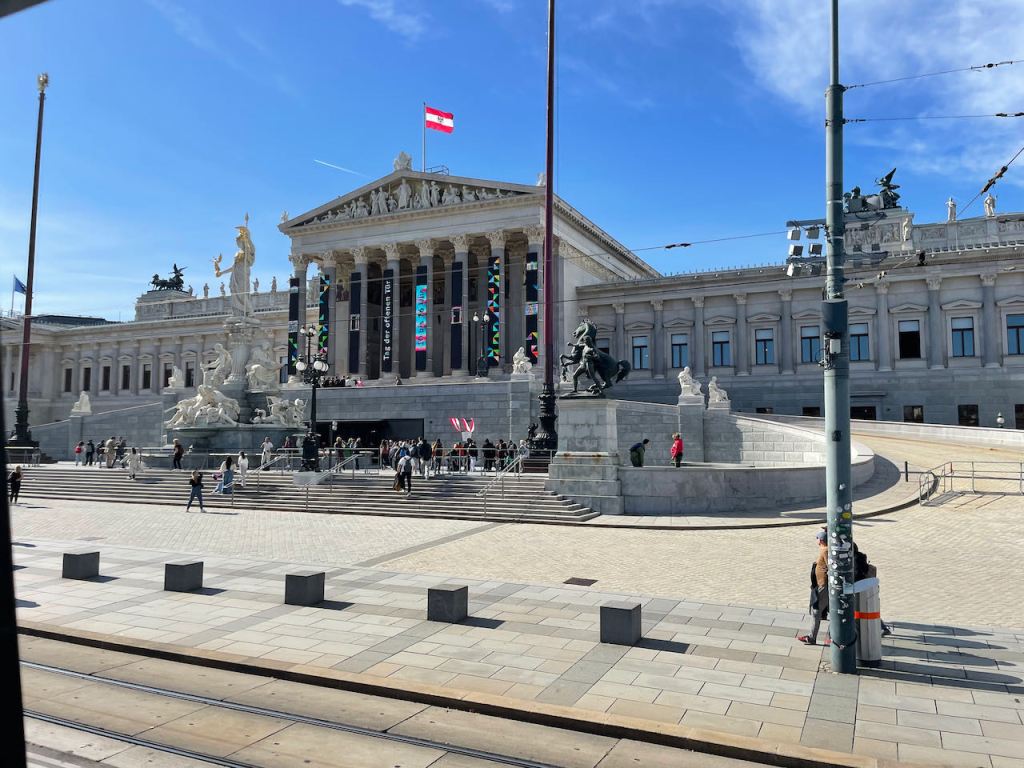
The apartment was also just a short walk away from Vienna’s Ringstraße, which is an area full of grandiose buildings, museums, statues, and strange double s’s.


It seemed that everywhere we turned, there was something magnificent to see, which was slightly amazing in that the Allies bombed the hell out of Vienna during World War II. While some historic buildings survived, many more were reconstructed after the war. We could only see any evidence of this by looking at rows of apartments, where some of them feature relatively new construction next to obviously older ones. Fortunately, they’ve cleared out all the dead bodies by now.


Even outside the Ringstraße, it seemed that everywhere we turned there was something magnificent to look at.
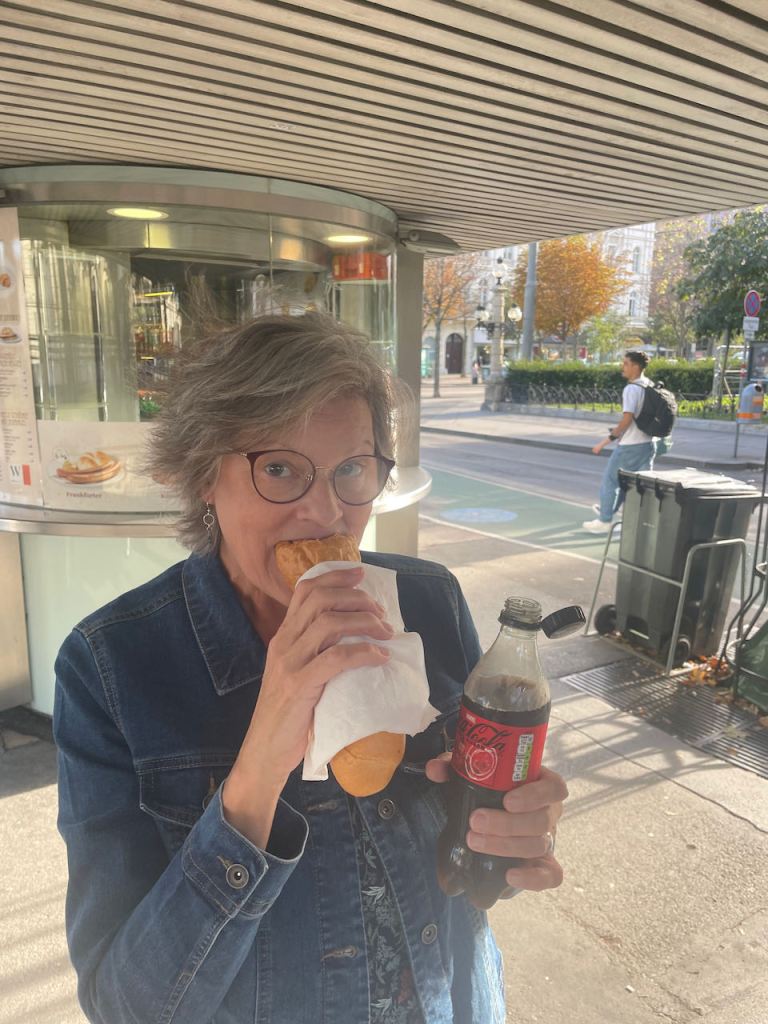

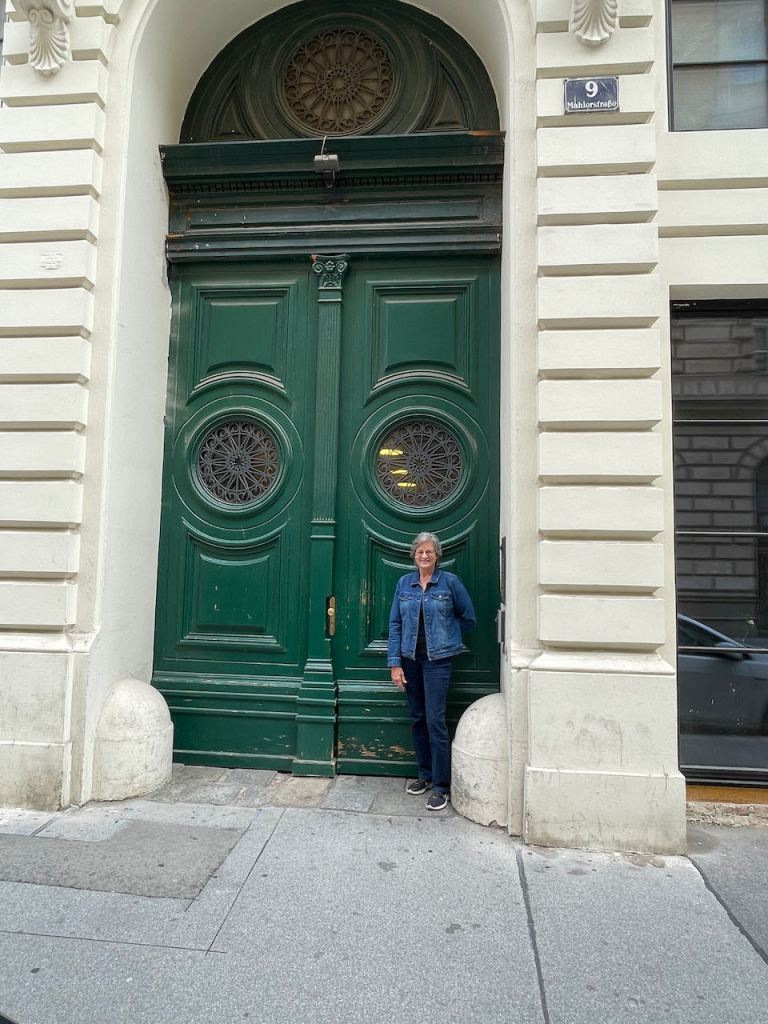
There was so much to see we barely had enough time to shove a sausage down our mouth plus take some Door of the Day pictures. But I think it’s important to partake in local cuisine, so although Vienna sausages are generally those little weiners in a can, we settled for some massive ones between the buns and called it good.
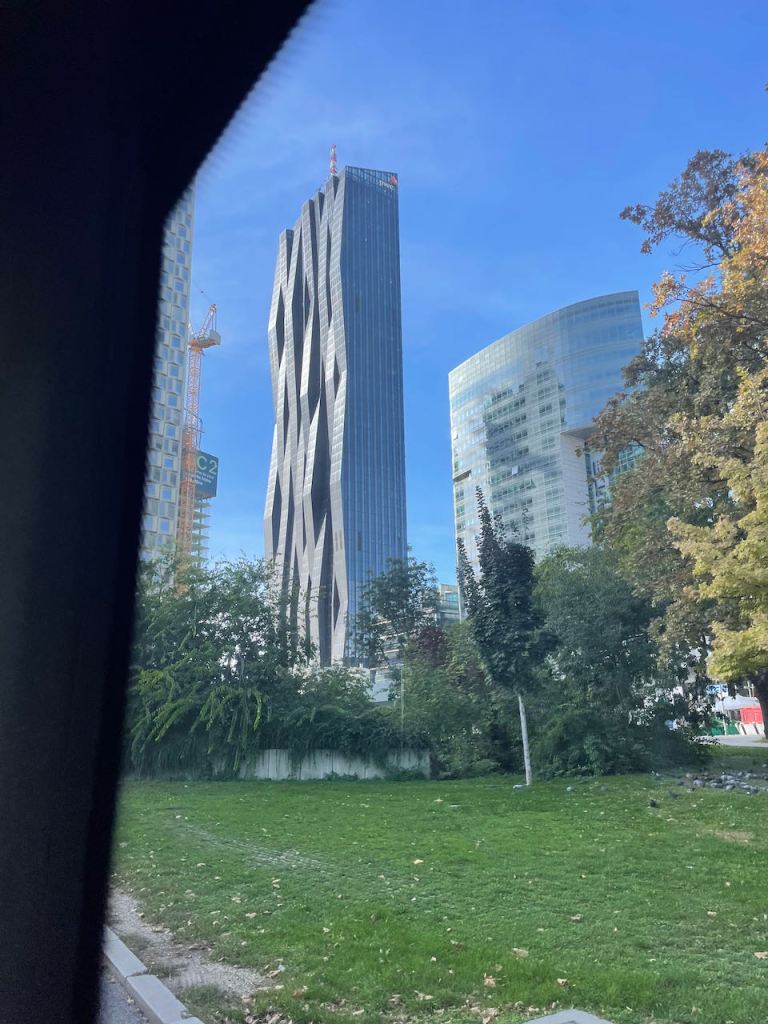

Not every building in Vienna is an old marble masterpiece of architecture. Here is a juxtaposition of new vs. old; one of their very modern buildings as well as a Roman excavation site in the heart of the city.


But boy did those old masterpieces dominate. Everywhere we turned, there were statues, monuments, and Weiners. The last picture on the lower right is of the Vienna State Opera House, which ended up being a little notable for us because it seemed as if wherever we walked, we somehow ended up next to the Opera House. We thought maybe we were in an episode of the Twilight Zone.


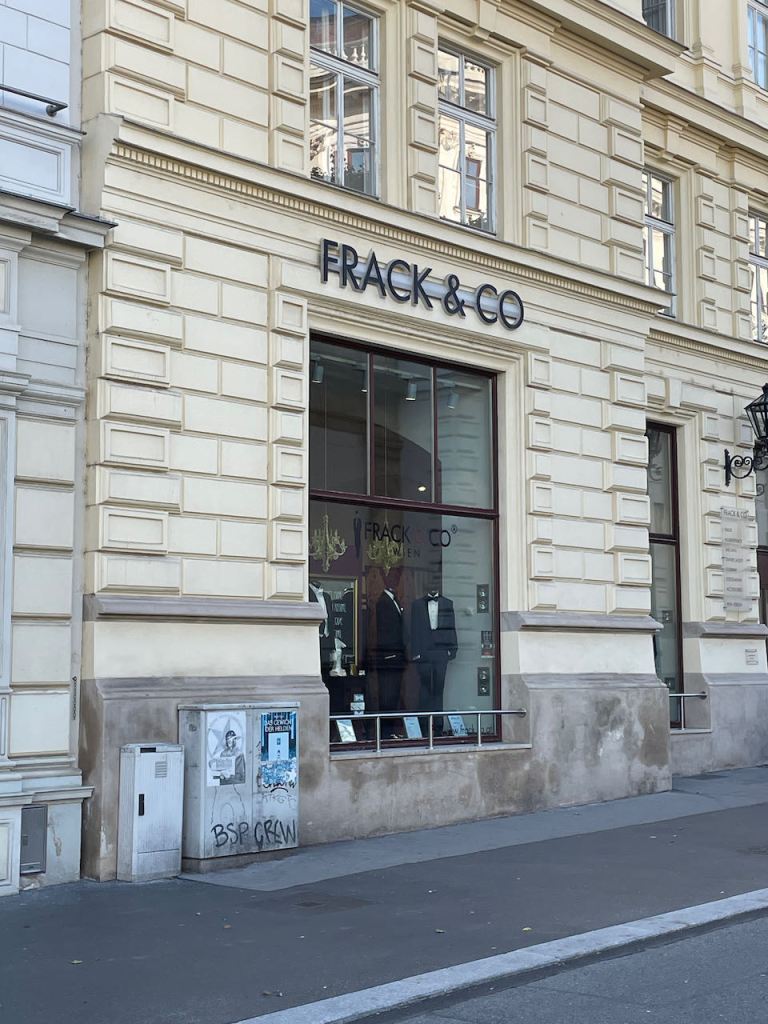
We noticed these pipes running through town, I learned that they’re there to pipe water from some subway construction. And here I thought they were probably Strudel Timely Delivery systems, which we avoided because we didn’t want STDs. Also, the picture on the right is only for fans of the Battlestar Galactica reboot. Frack off if you don’t get it, which is exactly what Carolyn is telling me to do in the middle picture. I imagine if one of the Galactica people landed on the planet and saw that sign, they’d be really confused as to what the company was selling. Anyway, that’s all the swearing you’re gonna get in this entry, I’m all swore out from the last one.

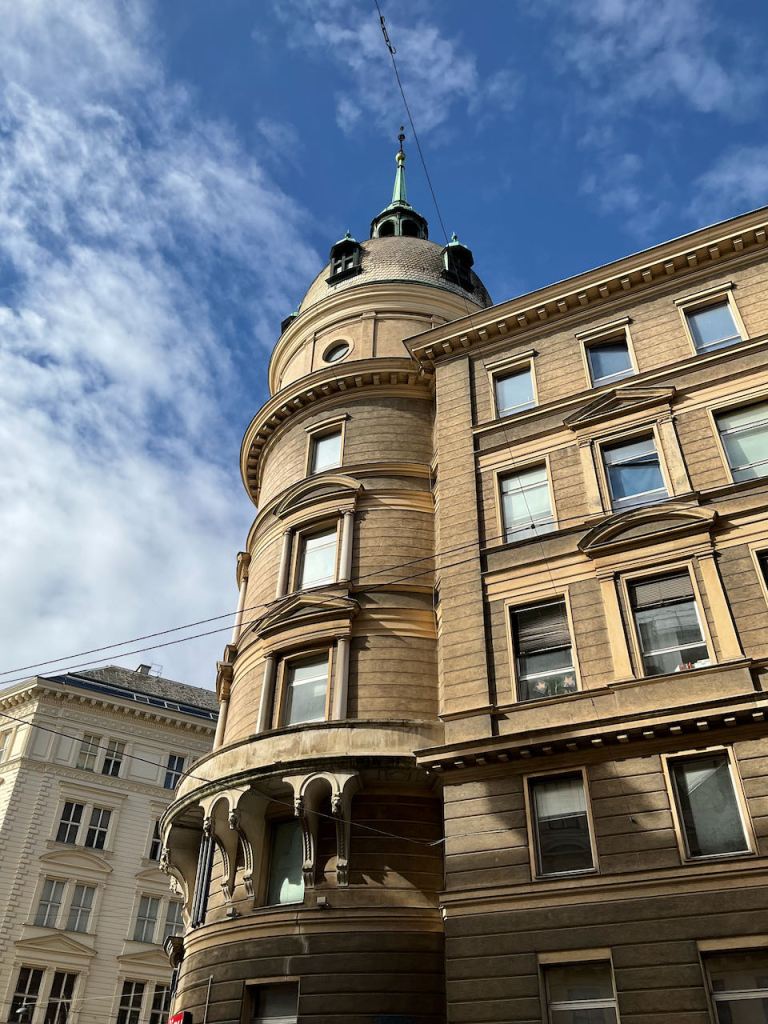


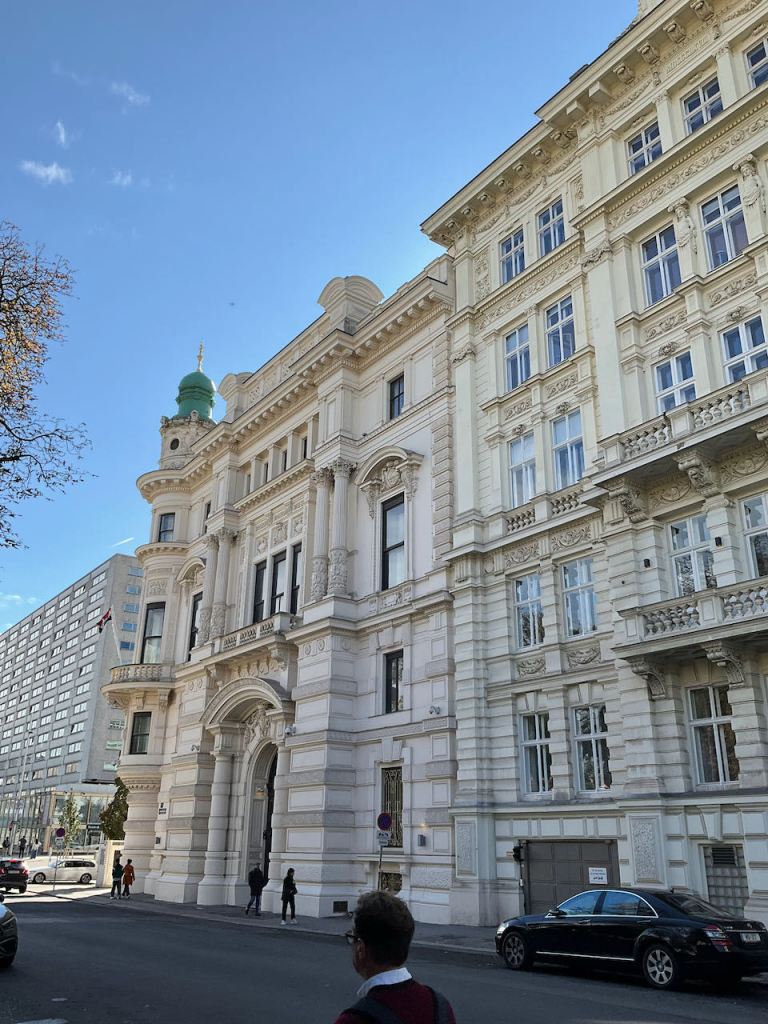
So this is Vienna, as beautiful a city as you’re likely ever to see.
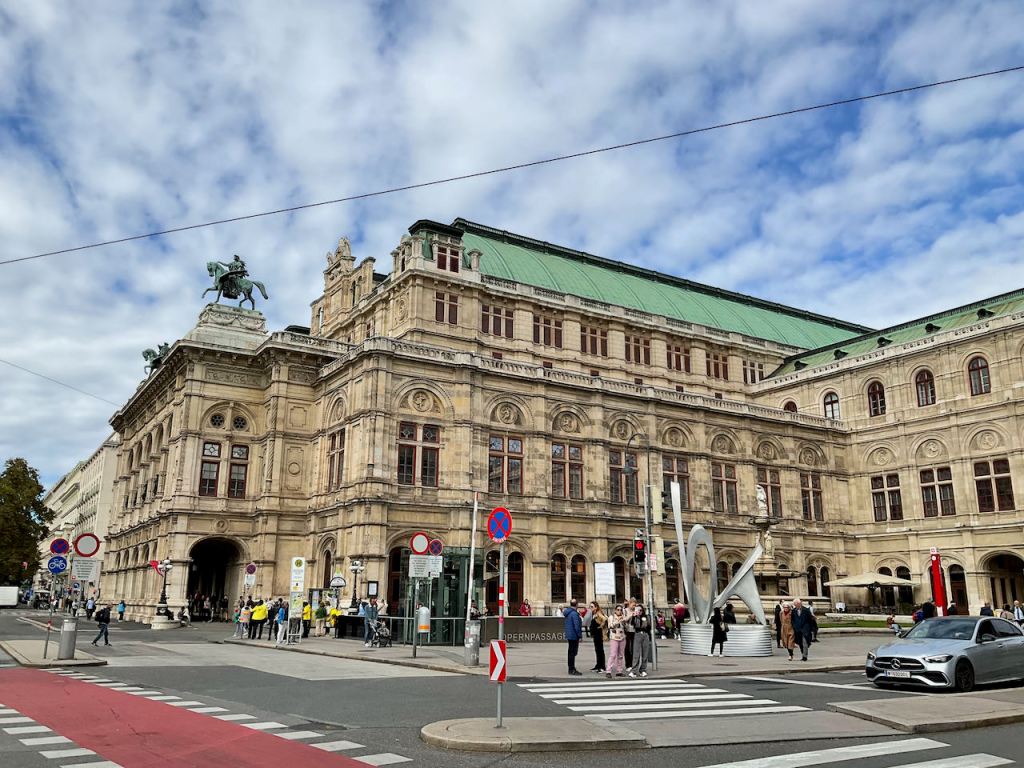
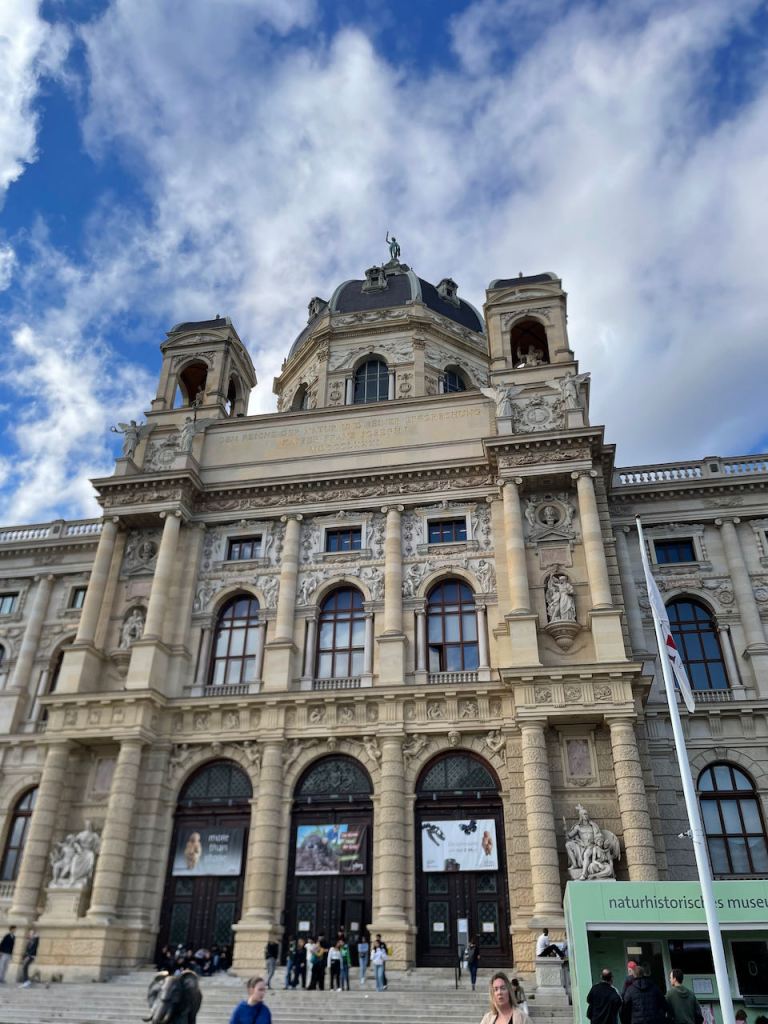
And here’s the fracking Opera House… once again following us everywhere.

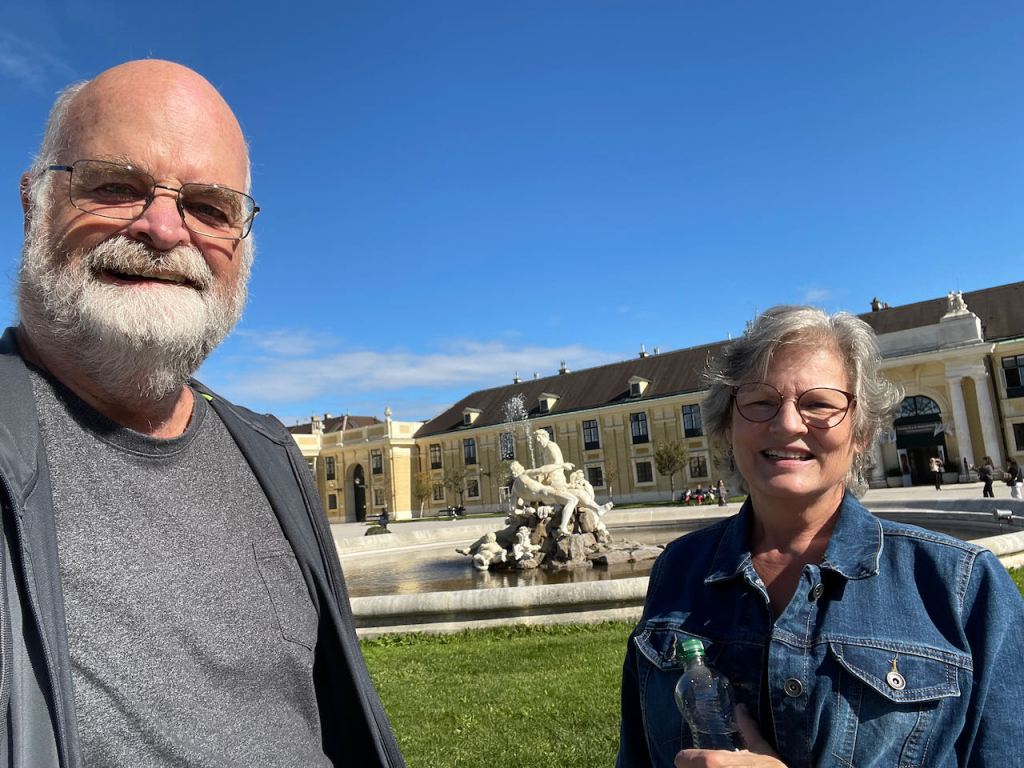
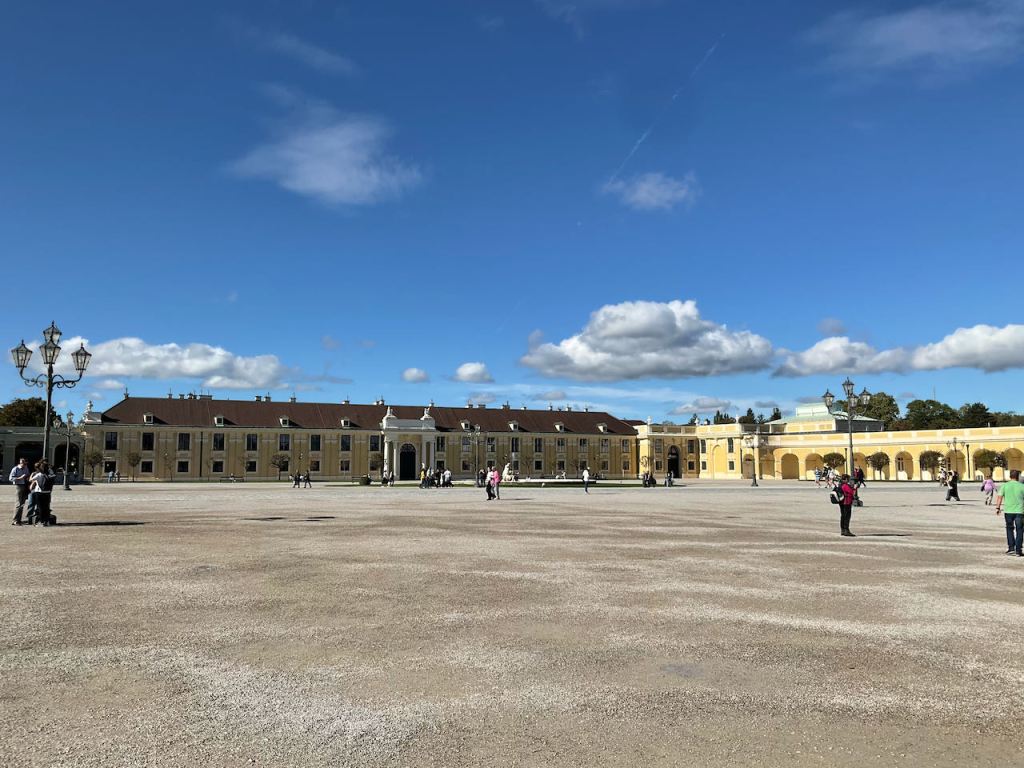


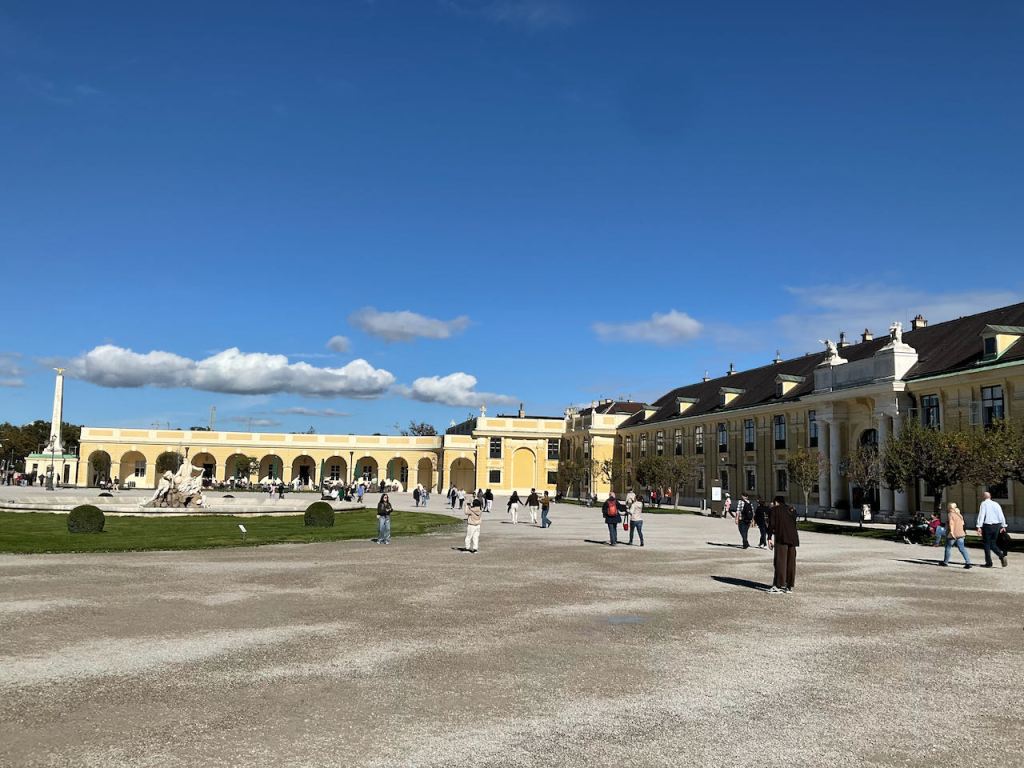
One of the key sites to see in Vienna is the Schönbrunn Palace. Construction of the palace started in 1696 and was completely redesigned after 1743. It is yet another UNESCO World Heritage site. It’s also a testament to the power and influence of the Habsburgs, and was built on a former hunting lodge site that the Habsburgs had used for centuries. The Habsburg dynasty was one of the most powerful dynasties of Europe, running from the 15th to the 20th century. To keep their power in the family, they engaged in a lot of Inbreeding, which spawned a name for one of their deformities: a jutting jaw, now known as a Habsburg Jaw. I suppose one of the benefits is that they had a place to hold an extra weiner while eating.

I was amazed at the design of this statue, which looked uncannily like Carolyn. It was about then that I snuck another look at her real-life jaw to make sure it wasn’t Habsburgian.

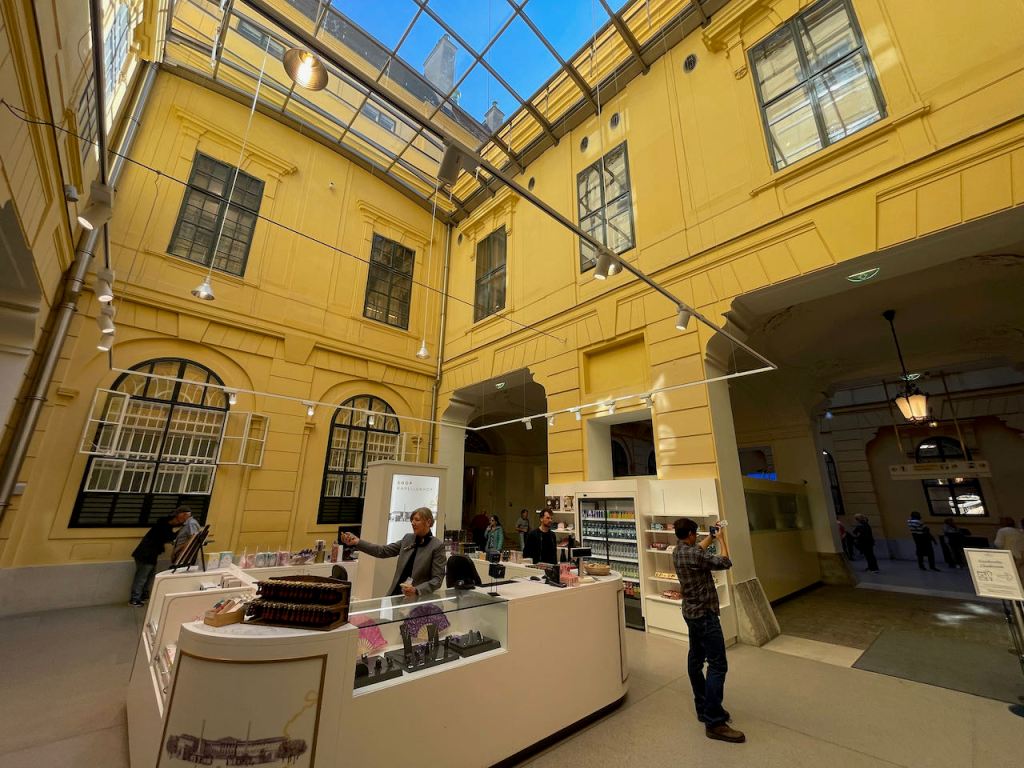
I took a picture of this sign because I found it slightly amusing that the vast majority of tourists walk to the “You are here” location, which is right by the entrance, way across a huge plaza. Once there, they discover that they have to walk right back all the way across the plaza again to go buy the tickets. We were so irritated about it all that we only ventured into the front entrance and snapped a photo so we could honestly say we’ve been inside the Schönbrunn Palace. Plus we didn’t want to end up with a Habsburg Jaw by seeing something jaw-dropping and accidentally replacing ours with one of theirs.
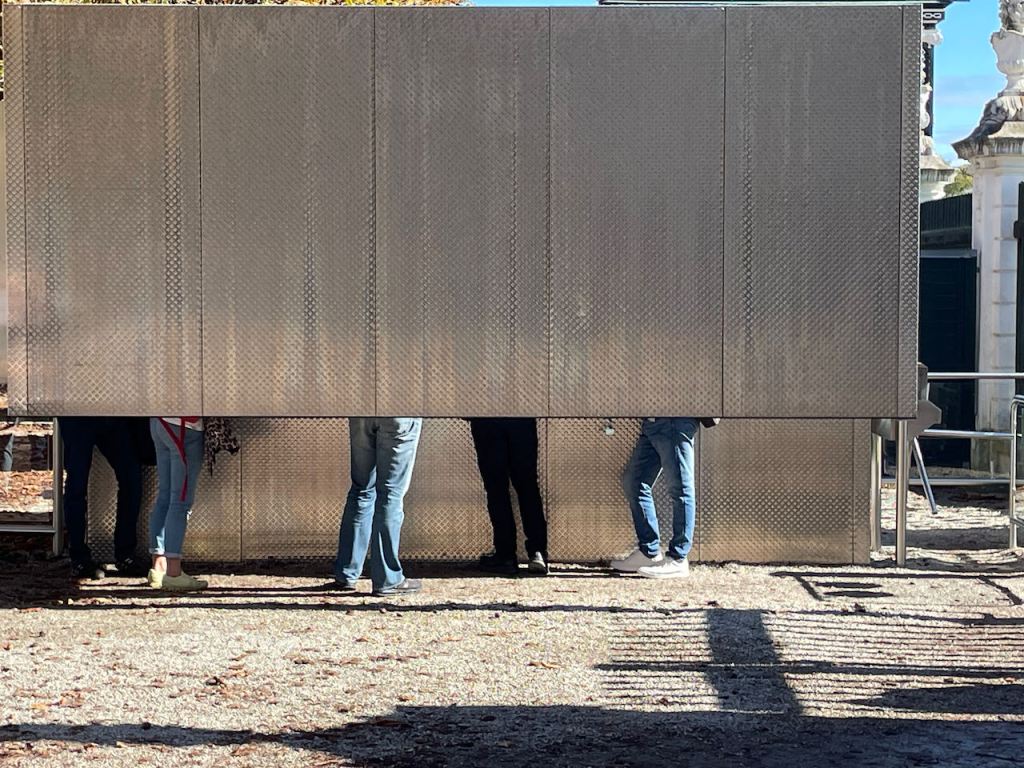
Europeans are apparently so casual about their toilet needs that they had this urinal right out in the open, at least that’s what I thought it was. Unless it was where Habsburg-jawed people are forced to wait. Okay, enough with the Habsburg Jaws already!


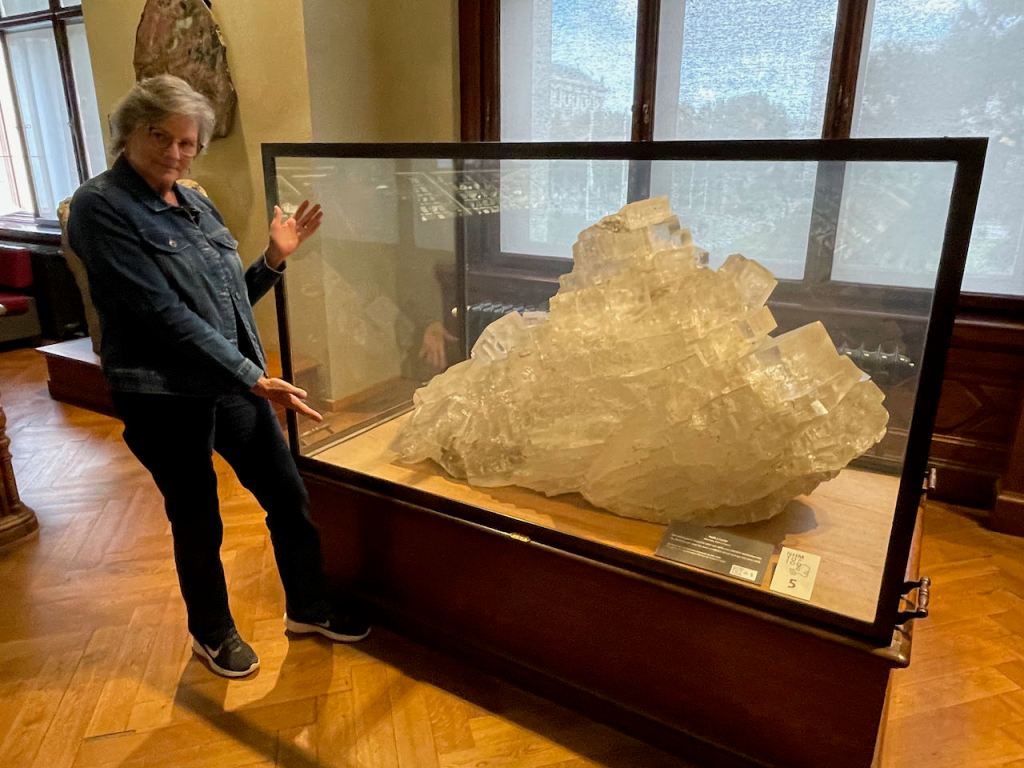

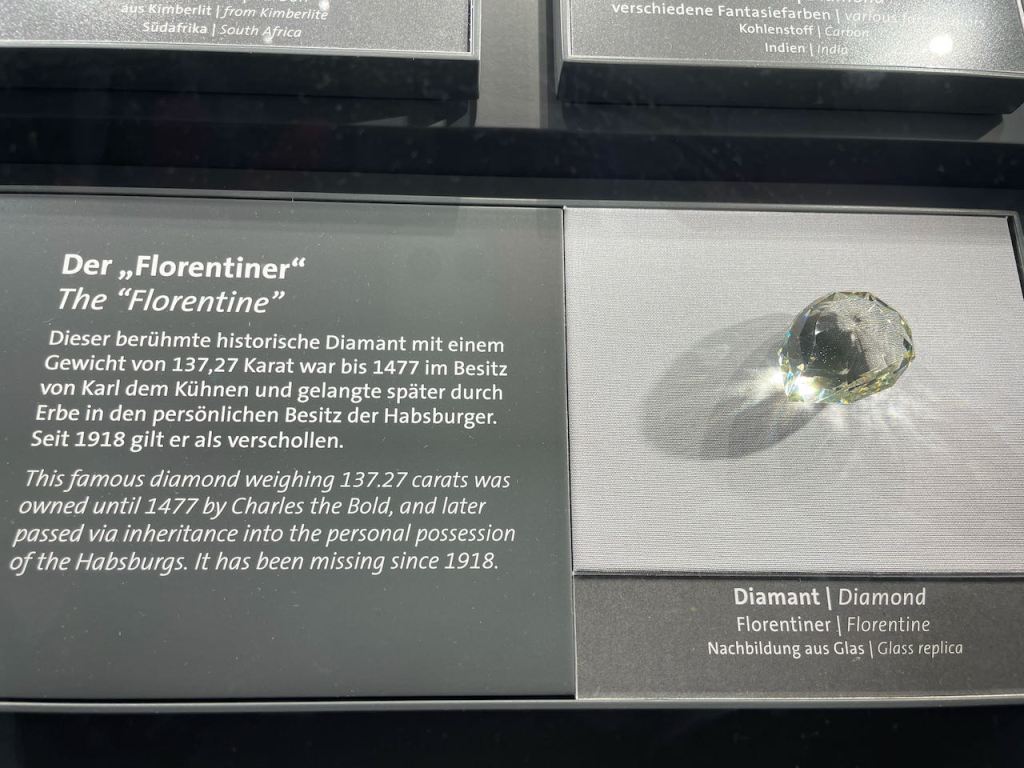


One of our other stops was to the Museum of Natural History. While we both feel a little museumed out lately, we thought it worth a visit, and we were right to do so. They had the largest collection of precious minerals, gemstones, and meteorites that we’ve ever seen. Room after room was filled with every imaginable variation of rocks and minerals. I learned that the great variety found on earth is due to all sorts of combinations of factors, including geological activity such as volcanoes, plate tectonics, and water-rock interactions, as well as biological activity, such as chemical reactions with oxygen and organic material. I’m not sure why so many of them end up so beautiful, but thanks Earth!


The museum is also the home of a large dinosaur exhibit, as well as a number of prehistoric displays. No, no, not the wife, she’s not that old yet. But she would barely make a sock for that monster’s leg.


This is a model of a sea scorpion from 320 million years ago. However, since it looks so much like a spider, it’s also Carolyn’s worst nightmare. If she ever really pisses me off, I’ll put a picture of this under her pillow. Actually, I’d never do that because I prefer my face completely un-clawed, my limbs attached, and my jaw decidedly non-Habsburgian. Okay, last one.


The museum did have a few skeletons in its closet, including this display of the first nudists in history.
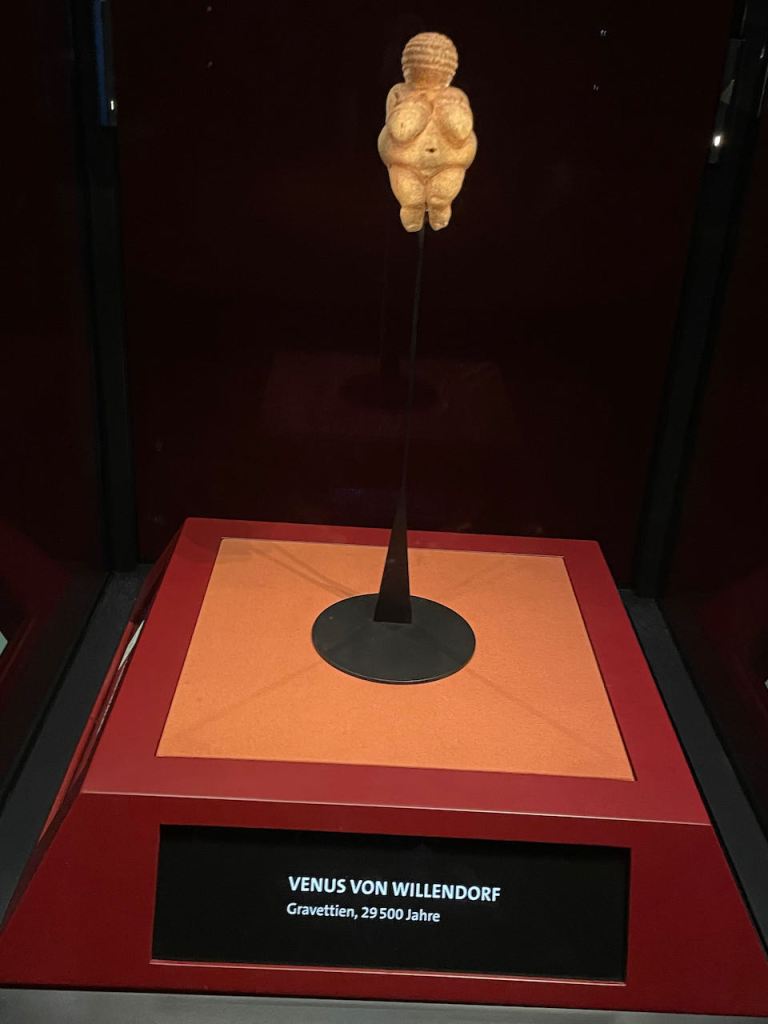
It is also the home of the very famous Venus Von Willendorf, which is only 11.1 cm. (4.4 in.) tall. It is estimated to have been made about 30,000 years ago, and most archeologists believe it had something to do with fertility or sex. So the next time your wife or girlfriend asks if they’re too fat (right answer: “Of course not honey! I love you just the way you are!”), also point her to a picture of the Venus Von Willendorf and say, “Besides, this is what used to turn men on! See, you’ve still got a long way to go!”
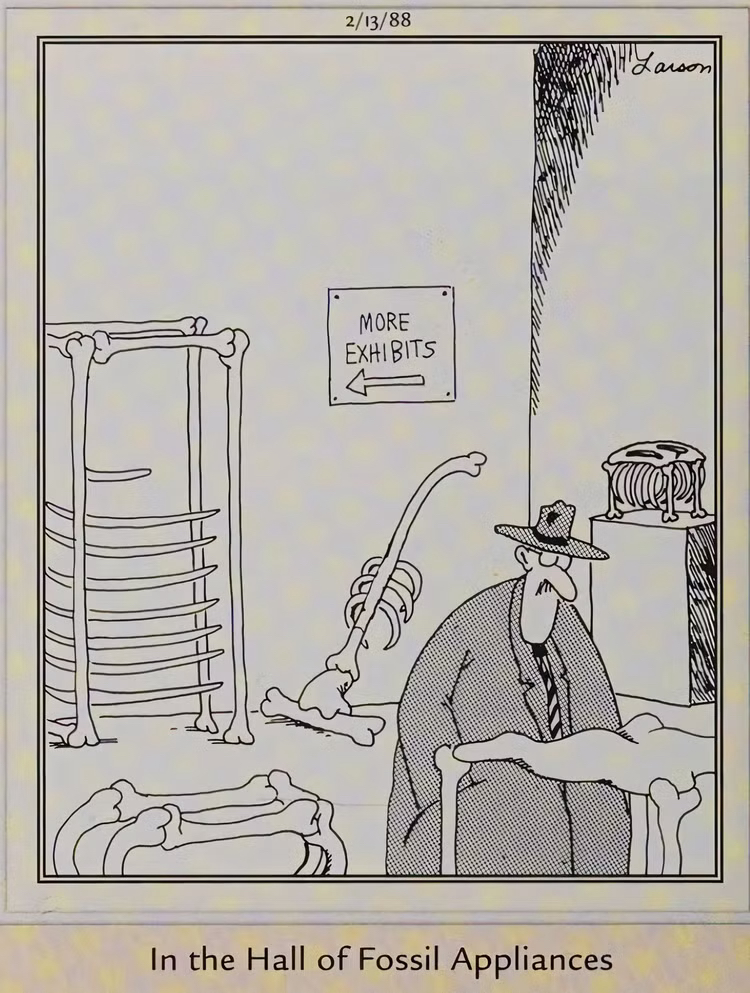
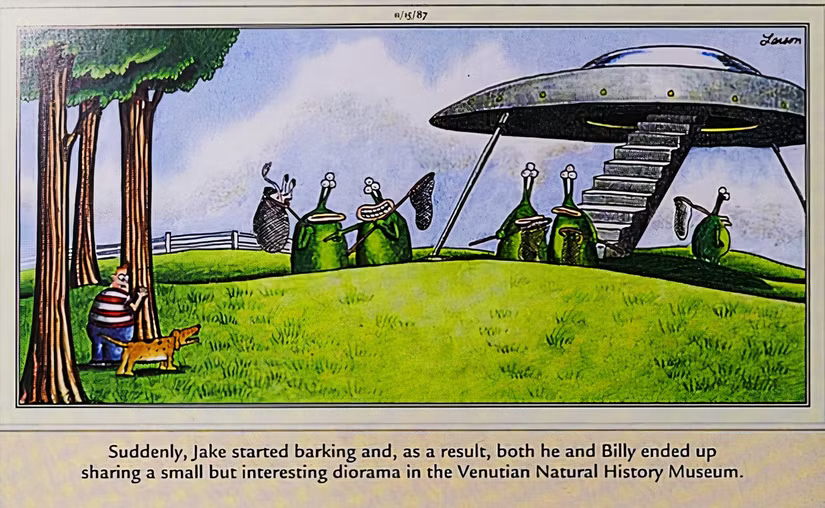
Lastly, I’ll turn to a professional to wrap it up with a few museum-y giggles.

(Scroll down to see previous entries.)
 baldsasquatchdotcom