Time to castle! Check, mate!

Even as I struggle to learn Portuguese, I’m often grateful that I don’t have to learn English as a new language. Most Portuguese know at least some English, but it’s mostly spoken English. Even native English speakers have a hard time with spelling and grammar. In Portuguese, “castle” is “castelo,” pronounced just like it’s spelled. But English speakers pronounce it “cassle,” like “hassle.” Which learning a new language definitely is. Anyway, here follows our visits to two unique German schlösser (castles in German, or what happens after one too many beers).

About 60 km south of Stuttgart is a town called Hechingen, which hosts a fancy German castle called Hohenzollern Castle, named for Herr Heinrich Henzollen’s ho.
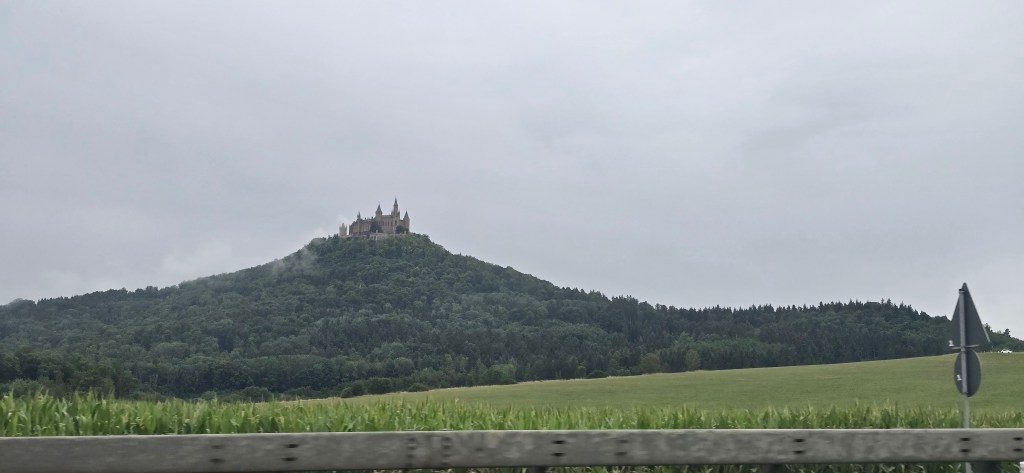
From a distance, it looks very much like a castle. But the closer you get, the more you realize it looks very much like a castle.

This is what it looks like when they invite Satan over for brunch.
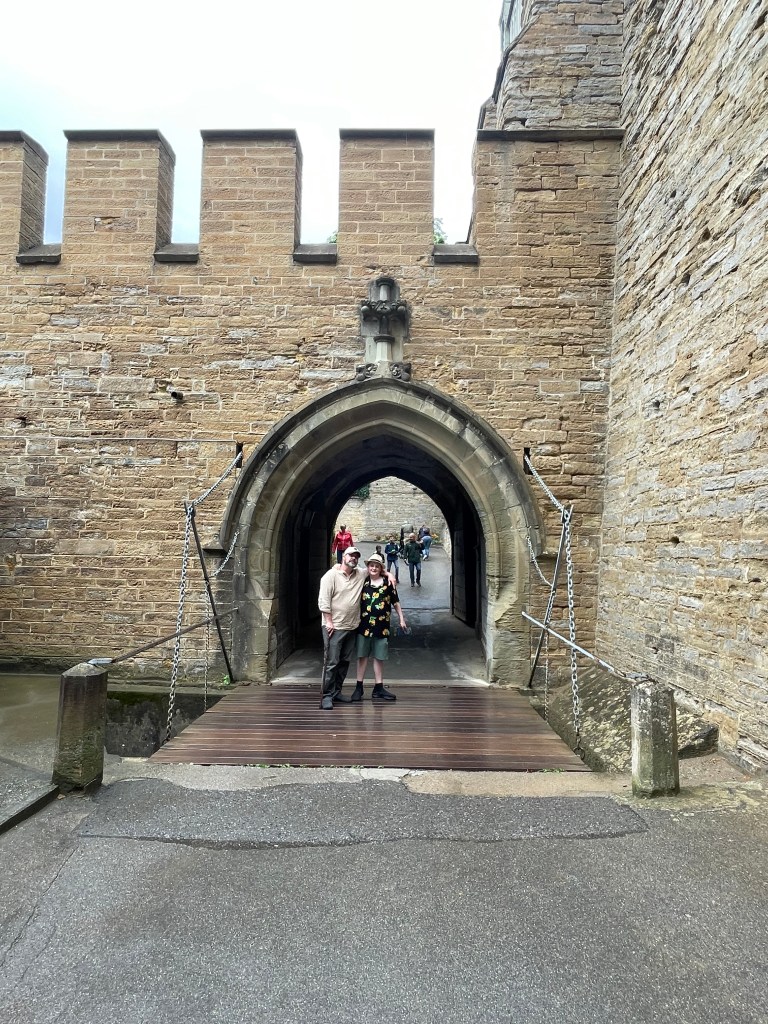
This is actually the third castle to be built on this spot. The first one was built in the early 11th century. It was completely destroyed in 1423 after a ten month siege by the pesky Swabians. I bet you’ve never heard of Swabia before, have you? It’s a region in Germany, I think it’s famous for inventing Q Tips.

In 1461 they completed the second castle, which was larger and swarthier, but eventually fell into disrepair, which was apparently a hole so deep they couldn’t pull it out. So they built this third and current one between 1846 and 1867, making it one of the most modern castles on that spot.

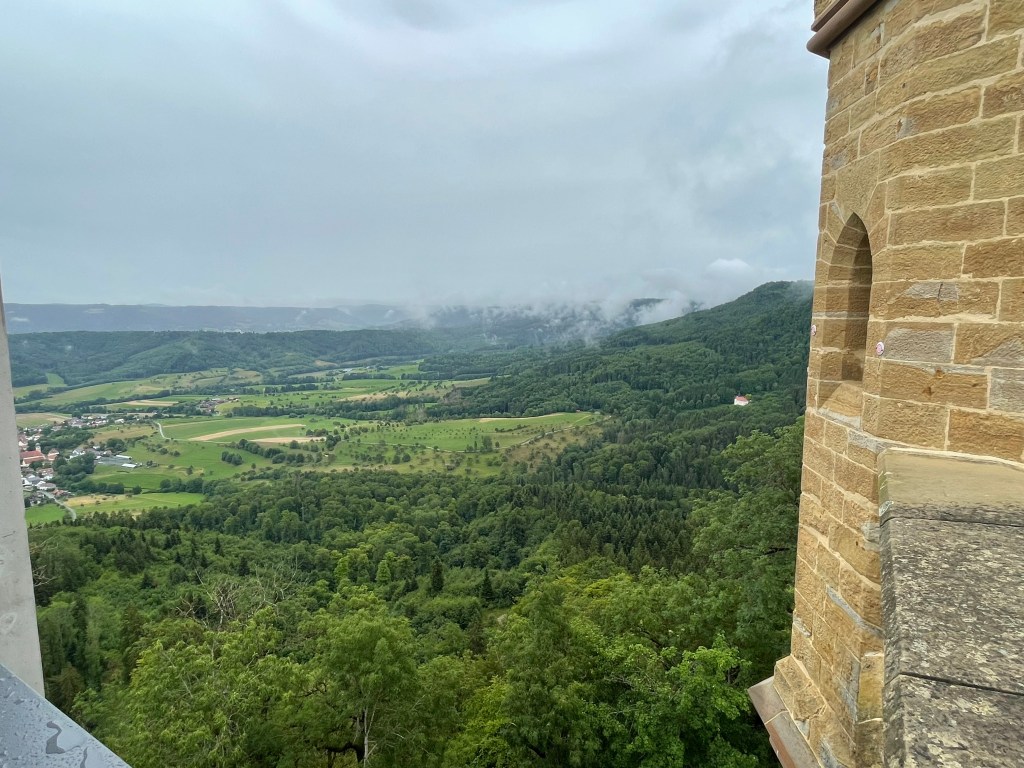
Like most castles, it has views to die for. Here Masi takes a break from all the sightseeing to enjoy the scenery. He lost his forearms in a horrific reaping accident, but we tried not to talk about it too much, especially when he attempted to count to eleven (he still has ten toes, but after that, he got a bit lost).

Fortunately for us, Hohenzollern Castle is renown for its healing properties, including miraculous limb regeneration. Unfortunately, he now has seven fingers and three thumbs, but at least he can count to ten now.
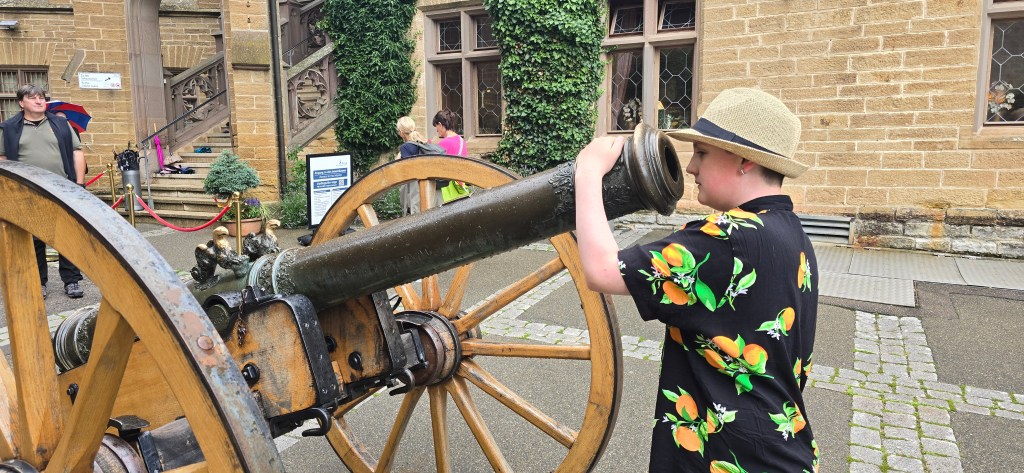
The last words of many a young soldier: “Is this thing load—“

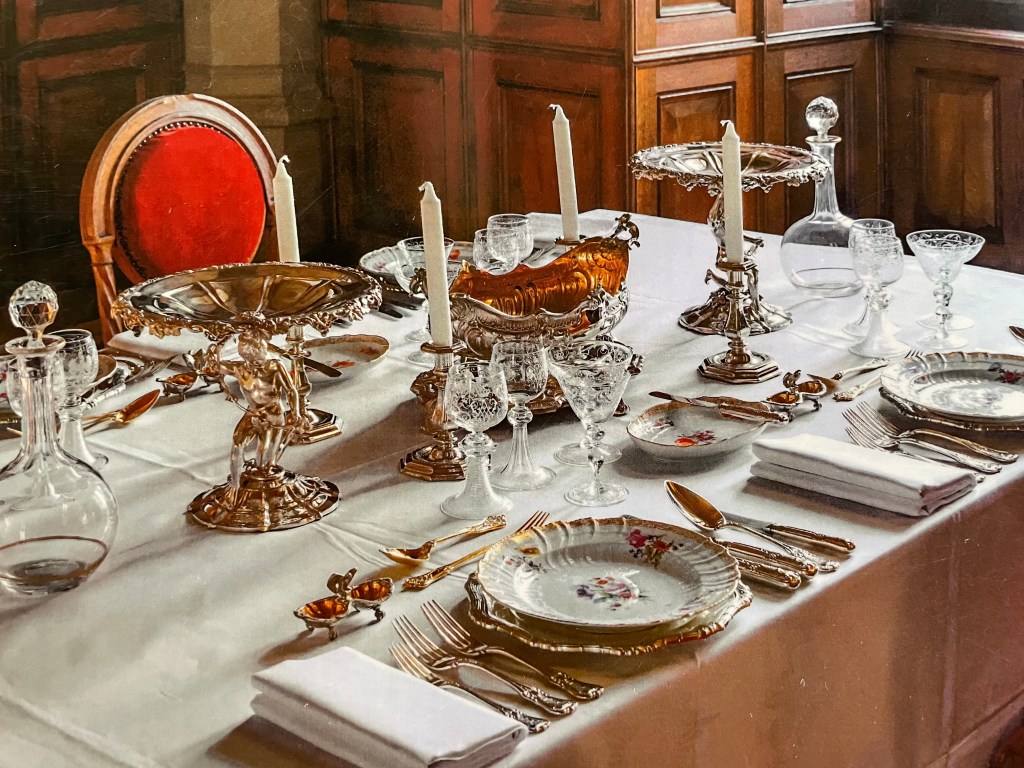
It’s much safer to stand in front of swords as long as they’re affixed properly. The castle staff kindly set out a table for our lunch, but we’re kinda snobbish and just thought the whole thing was a bit pedestrian. I mean, c’mon, only three forks? Pssh. What do they think we are, peasants?

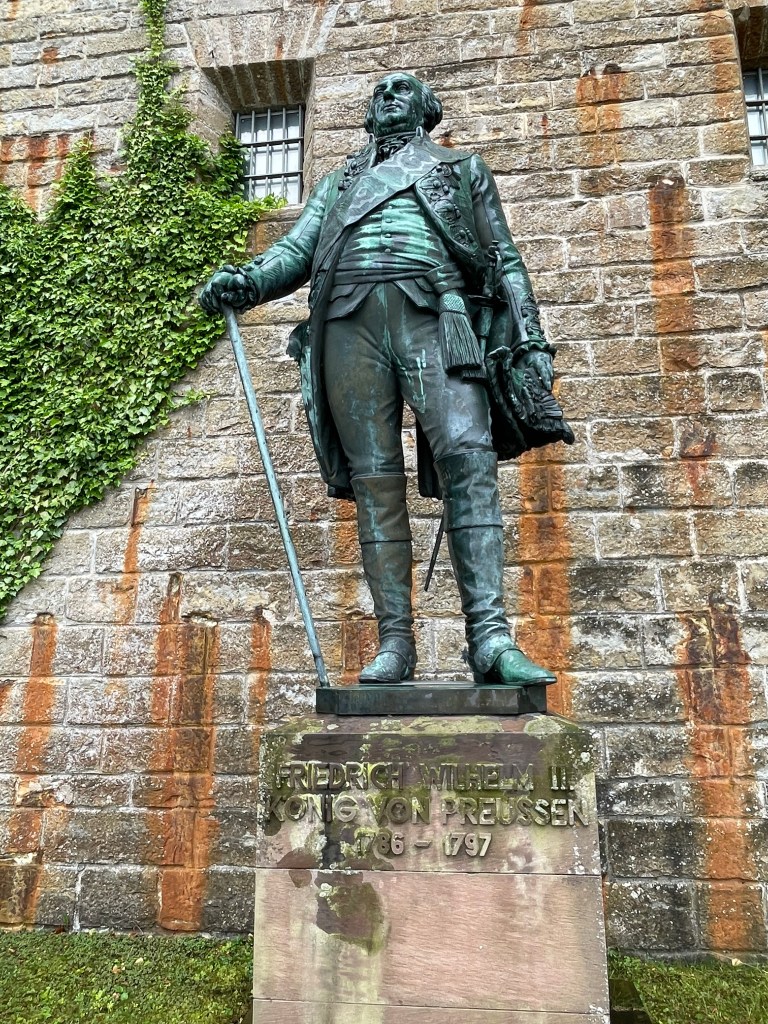
On the right is evidence that the olden Germans had some weird growth hormones in their beer. If you zoom in on the dates on this statue, it says Friedrich Wilhelm was born in 1786 but died in 1797, so this guy was only eleven years old when he posed for that statue! Hmm, I wonder how old Hitler really was… he did act like a toddler sometimes.

I wonder if men in untucked shirts and baseball caps would have had the same fearsome effect on any attackers.
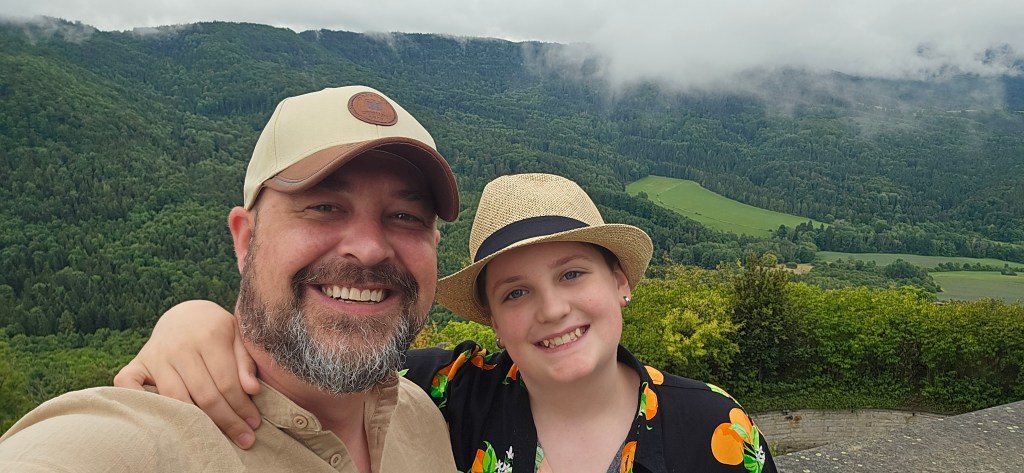
In the end, my two handsome boys enjoyed the visit and even managed to hold those smiles for the fifteen or twenty seconds it took for me to figure out why the photo button on my iPhone wasn’t working. Ah, turn it over, dummy.
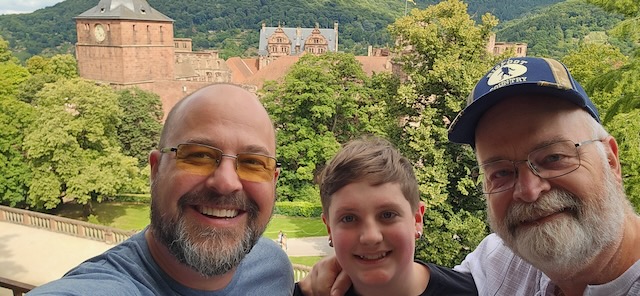
Next on the castle-y tour was Heidelberg Castle, perhaps named after someone named Delberg to whom everyone said “hi.”

Actually, the name Heidelberg is derived from the German words meaning heath and mountain, apparently because it was unwooded at the time so the Germans just sat on the hill eating Heath bars. Perhaps the trees knew what they were doing by staying away because the castle has been struck by lightning at least twice. The first castle structure was built before 1214 and was later expanded into two castles, but in 1537, a lightning bolt destroyed the upper castle. Then in 1764 another lightning bolt caused a fire which destroyed some of the rebuilt sections. Whoa! Someone up there wasn’t happy with those castles!
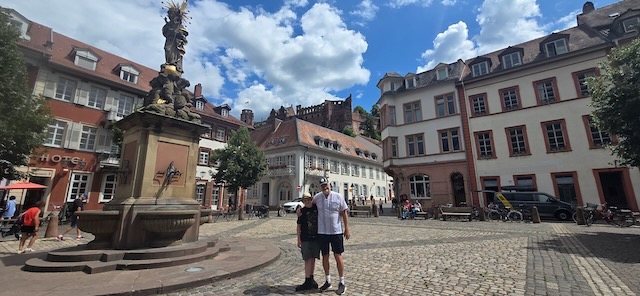
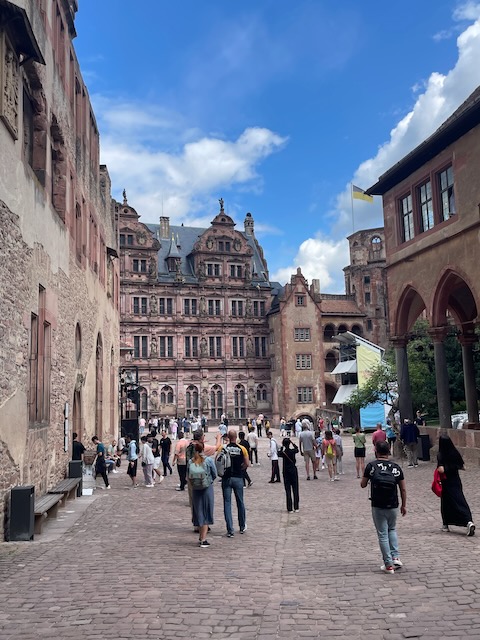
The castle has only been partially rebuilt, with some of it still in ruins. I thought the inside was just as interesting as the outside, although outside some of the buildings were impressive.

Like most castles, the views are spectacular, overlooking the city of Heidelberg. The city was largely spared bombing by the allies in WWII mostly due to its lack of strategic importance, and was occupied by the Americans at the end of the war. They of course also brought with them new McDonald’s and Burger King franchises, which resulted in the average Heidelbergian gaining about 10 kg (22 lbs.) during the first year of occupation.

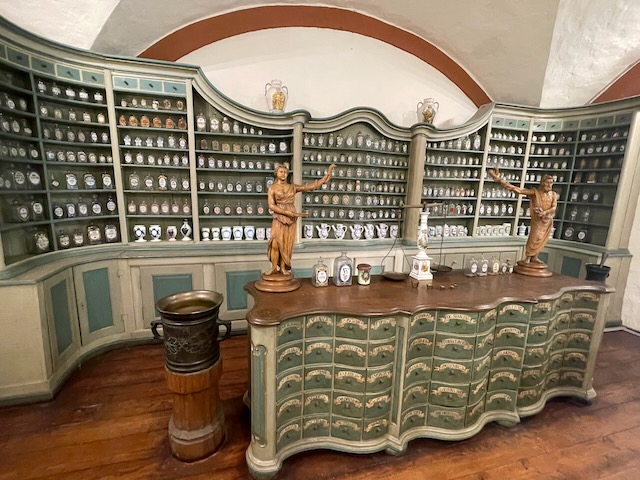
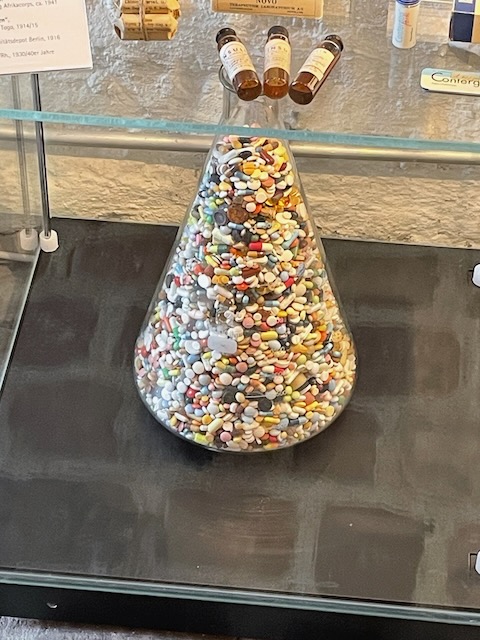
Inside the castle they demonstrated their pharmaceutical prowess of yore in the Apothecary Museum. The jar on the right held just enough pills to get through the day if you had a headache.

On the left is either a beer-making machine, a pill-making machine, or, based on the picture to the far right, some sort of auto-erotic device. Yeah, you go first. In all the top pharmacies back then, opium was an important medication for things like headaches, concerns about where pimples might happen, and when you otherwise felt fine and wanted to party. I can only speculate on what they did with the container on the right. Google Translate had no idea what “pichurim” is, so I can only guess it was something so nasty they decided to just banish the entire concept, but this appropriately shaped container seems to have survived the whitewash. I’m hoping that dish isn’t filled with expired testicles removed after too many nights of auto-erotic machines and opium. That would be nuts.

Someone once told me that Germans like beer. This gigantic beer barrel is all the proof one needs. Unfortunately, Masi figured out a way to tap into it and had downed a number of mouthfuls before we could get to him.

After a last look at this interesting castle, we rode the funicular down to old town Heidelberg.

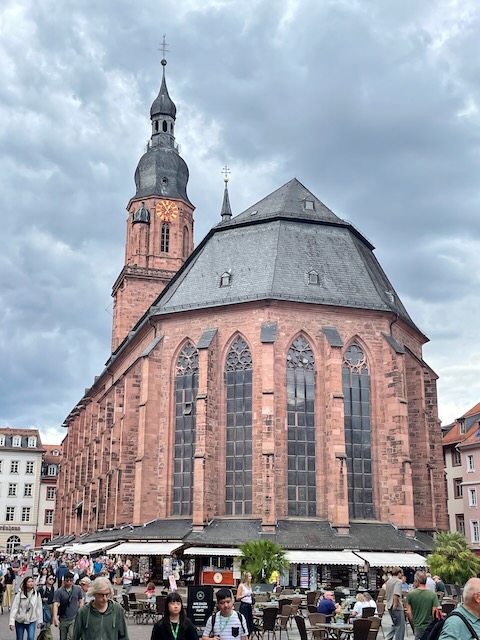
Old Town Heidelberg is very cute with some great old buildings (again, spared during WWII), and a fair amount of tourists (mostly made after WWII). We had a nice German lunch at an Italian restaurant, er– was it a nice Italian lunch at a German restaurant? …and otherwise enjoyed walking around the area.
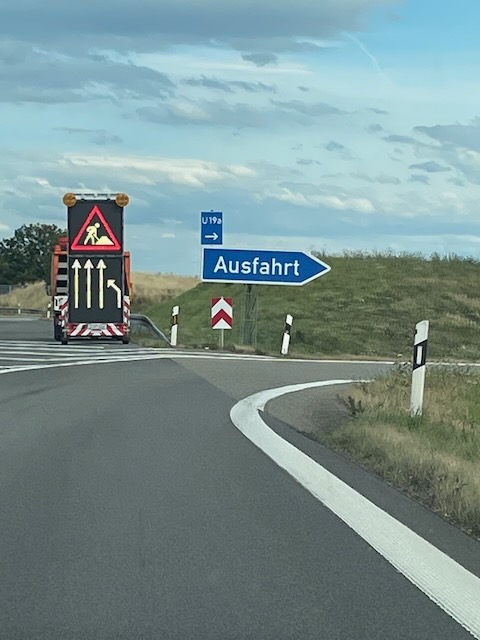
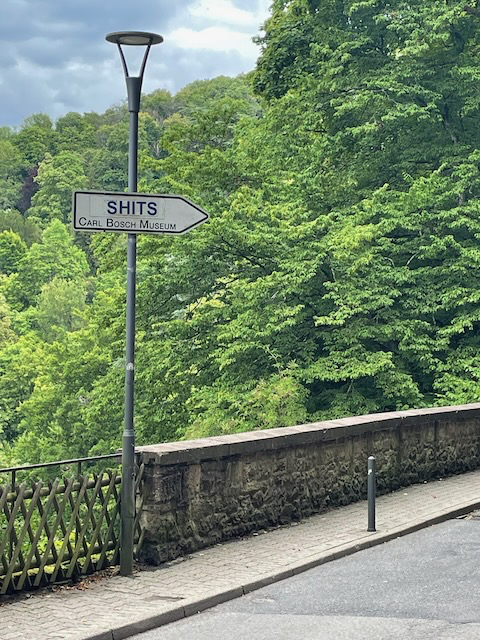
The Germans seem a bit obsessed with bodily functions. Fortunately, no matter how much explosive diarrhea we had, it was always easy to find a sign pointing the way to go.
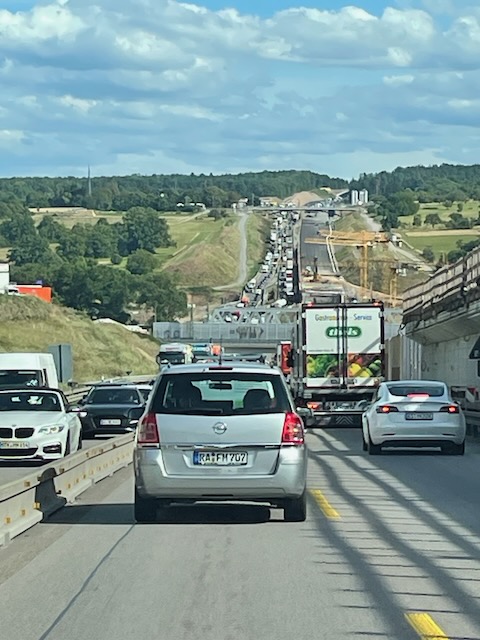
We settled in for the two hour drive– er, check that, I don’t know how many hours it took us because we encountered more than our fair share of jammed-up freeways as we made our way around the country.

Occasionally we would break out of the traffic jams and find a place to stop and see something interesting, in this case the Rhine Falls, known as the largest waterfall in Europe by average flow rate (the falls are actually in Switzerland, but I had some extra room). To be candid, it didn’t really seem all that impressive to us. Europe seems to be a little light on the waterfall flow rate department if this is the best they’ve got. The Rhine Falls are just the 23rd largest by flow rate in the world. Many Oregonians might be surprised to learn that the Willamette Falls in Oregon City is even more powerful, ranking 17th in the world, and no one there pays it much mind. There’s a small viewpoint on a busy highway where you will occasionally see a car stopped to view them. I guess everything is a little more exotic when it’s in a foreign country.
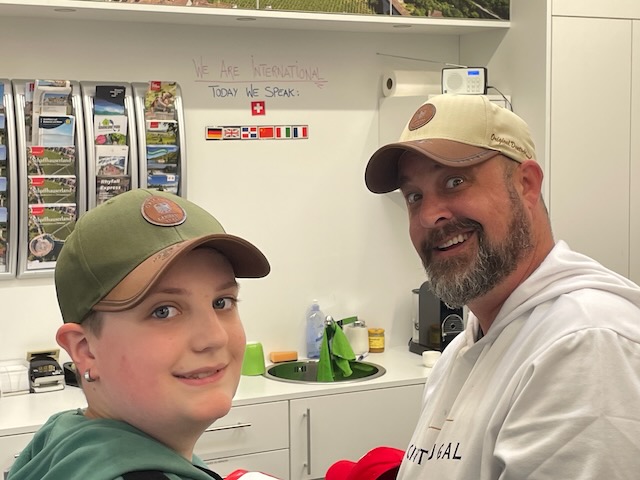
Ah, but they do have something the Americans don’t have, the need to speak multiple languages. In the gift shop they put up these little flags to show what they can speak on any given day. I tried some Swahili on them but was met with a blank stare, like I usually get when I speak Portuguese to a Portuguese.

A good percentage of Europeans are proficient at English. Except here I’m not sure who Off is, but I think it’s a little presumptuous of them to provide a suggestion like that. Does Off even know about this? Oh well, at least they care enough to offer some guidance, but a little more information would have been appreciated.

(Scroll down to see previous entries.)
Coping with Häagen-Dazs

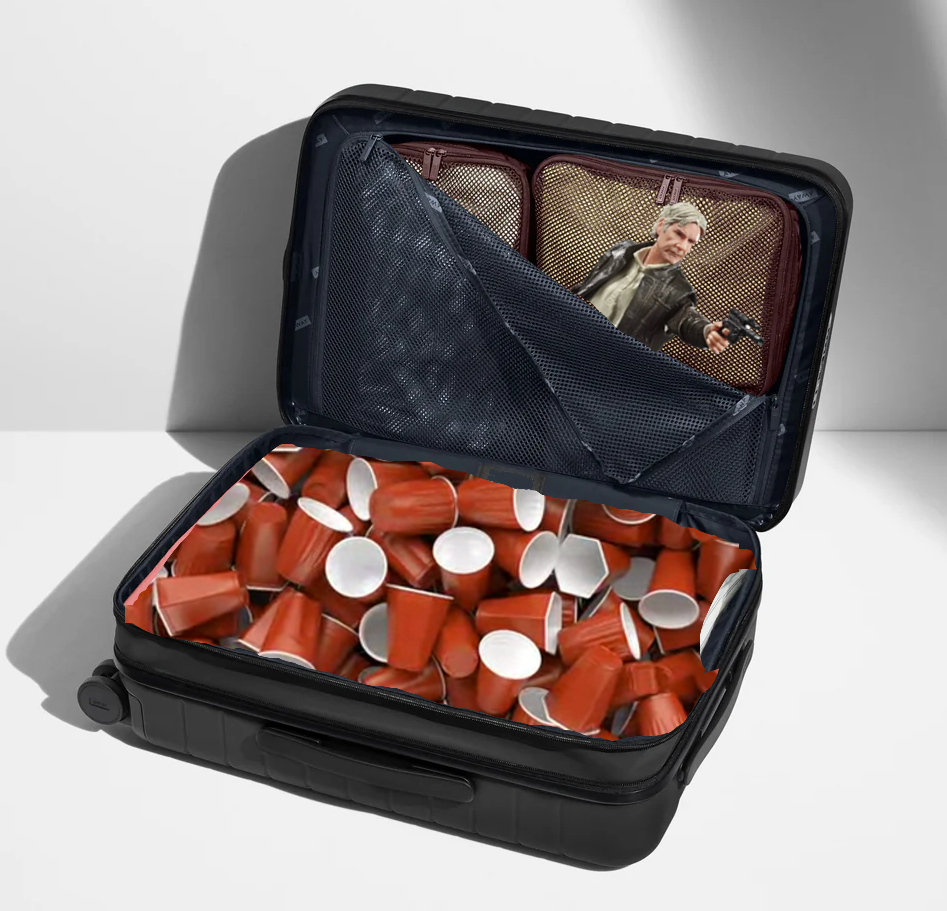
I’ve been reading online that Solo Travel is becoming a more and more popular trend (probably because everyone else seems to be so annoying these days). So I decided to try it out. Since I rarely bother with reading past the headlines, I loaded up my luggage with Solo cups and my favorite Hans Solo doll and set out on my first solo adventure. Unfortunately, I quickly learned that Solo cups make terrible underwear and that Hans Solo dolls are useless in real life except for pretend-shooting toe monsters in the hotel bathtubs.

By now you may be wondering what Häagen-Dazs has to do with solo travel, this blog, and elephants. We’ll start with the fact that, like many of the alternative facts proffered by Bald Sasquatch, Häagen-Dazs is a completely made up name. However, it was invented to sound Danish (and in fact was intended as a tribute to Denmark’s support of Jews during World War II, so now I can’t make fun of it). As a result of all my exhaustive research (which took me actual minutes), I figured my first solo venture should involve Danish things, so I put a Danish pastry topped with Häagen-Dazs ice cream on top of a small table made of Legos while wearing one of those Viking hats with horns that Vikings never actually wore, and called up the two greatest Danes I know, Pia and Per. I don’t know why you brought up elephants, I think you’re just trying to confuse me.

When Pia learned the specifics of my solo adventure, she rightfully became a little concerned and decided that perhaps Per should visit me posthaste to make sure I was right in the head. Later I mitigated her concern by showing her pictures of Per dressed up like this just to go to the grocery store. Touché, or as we say in the states, too shay.

Seriously, Per, being the good friend that he is, flew all the way in from Copenhagen for a long weekend just to keep me company as I adjust to living completely alone, except for the scary monsters that want to attack me but so far have been thwarted by anti-monster blankets.

Plus he’s even taller than me so the monsters really made themselves scarce during his visit.

The cool thing about this particular visit was that we discovered some things not too far away from where I live that I hadn’t seen before. For instance, I had been planning to go to Forte de São Filipe in Setúbal for some time but just hadn’t gotten around to it, but fortunately Per had a round tuit in his wallet so we ventured out to conquer the fort, as well as Setúbal.

However, before we even got there, Per asked about another small fort he had seen on Google Maps that was supposedly on the way to Setúbal. I scoffed and call him a dumb stupid idiot for even suggesting I didn’t already know of every fort and castle between Sesimbra and Setúbal, but he persisted, and so to humor him I drove to the coordinates on Google Maps.

So we turned onto a nondescript gravel road and promptly drove over a cliff and died.

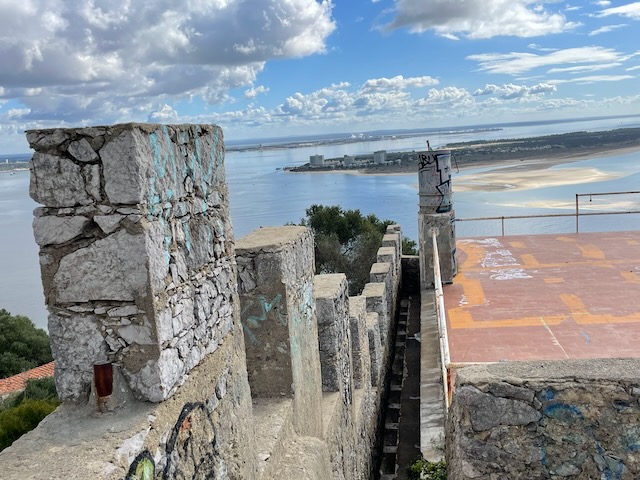
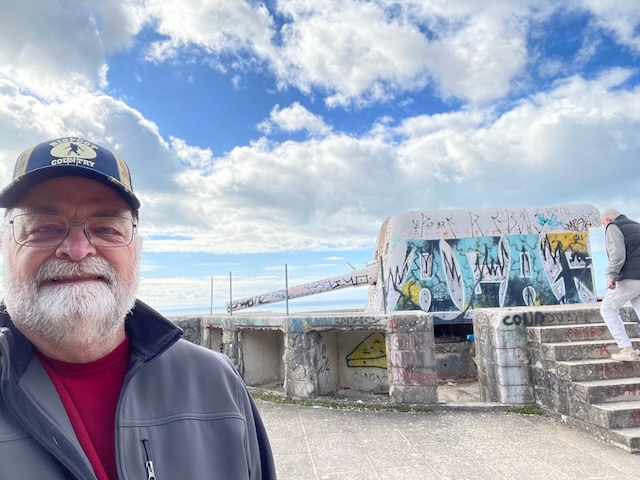
OK, not really, but I know I had you going for a second, because that was written by a ghost writer. We did actually find an old fort that apparently no one pays any attention to because it was covered in graffiti and had more than a few fairly hazardous areas including loose guardrails, wobbly steps, and unexploded land mines. There was also no entrance fee, so I guess you get what you pay for.

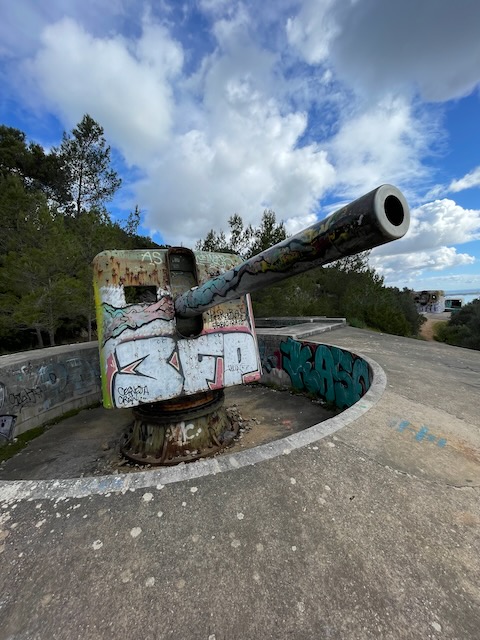
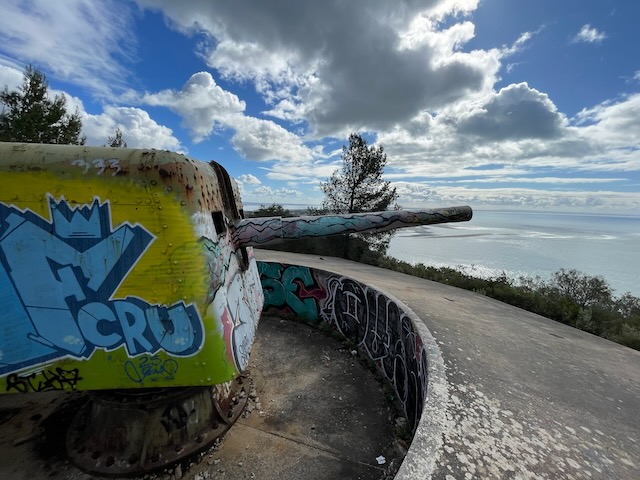
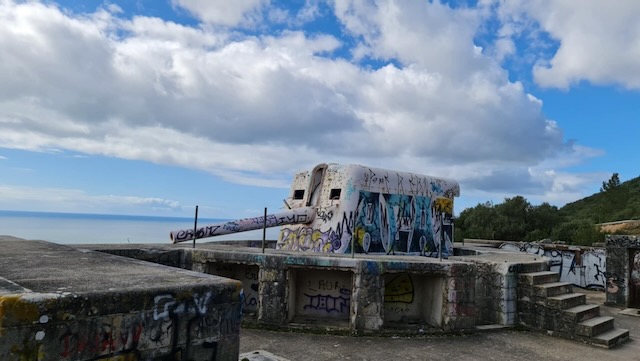
I noticed the road to the fort continued on around a bend, so I decided to explore a little. To my surprise I stumbled upon an old World War II bunker/artillery battery that I had no idea Portugal even had. Portugal was neutral during WWII, but I suppose they didn’t want to be completely helpless in case someone like the evil Spaniards or Mayans decided to attack.

Like the fort, the place has been completely ignored except by taggers and one very confused old German soldier who hadn’t heard the war was over. Anyway, I took measurements of the gun barrel dimensions and as my summer project I’m going to see if I can build an artillery shell and scare the hell out of some tourists on Troia, which is a resort area just across the bay.

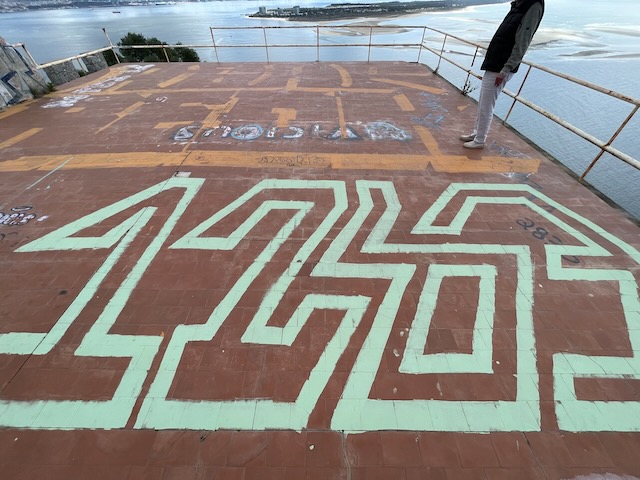
I have absolutely no idea what the writing in this photo means. I think it either might be a signal for aliens or the remnants of a lost Mayan civilization that somehow made its way across the Atlantic ocean. Or maybe it’s some kid’s Hot Wheels track.

There’s nothing here that a little paint and military-grade Viagra wouldn’t fix. I mean for the gun. Seriously. C’mon, man, I’m single now and trolling for babes, so stop with the Viagra jokes already.

After that heart-pounding discovery (there were stairs, after all), we went on to the Forte de São Filipe, which was interesting mostly because it’s an old fort, and old farts and old forts tend to attract one another.

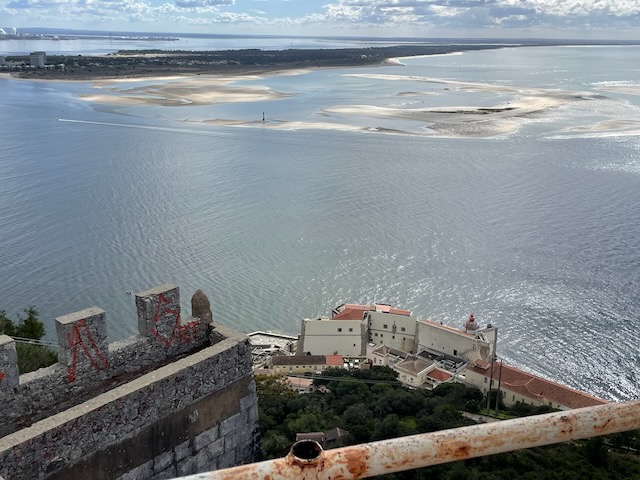
As usual with most forts and castles, it offered up some stunning views, here of Setúbal and its environs. After we quenched our thirst at the outdoor restaurant, we set out to conquer Setúbal.

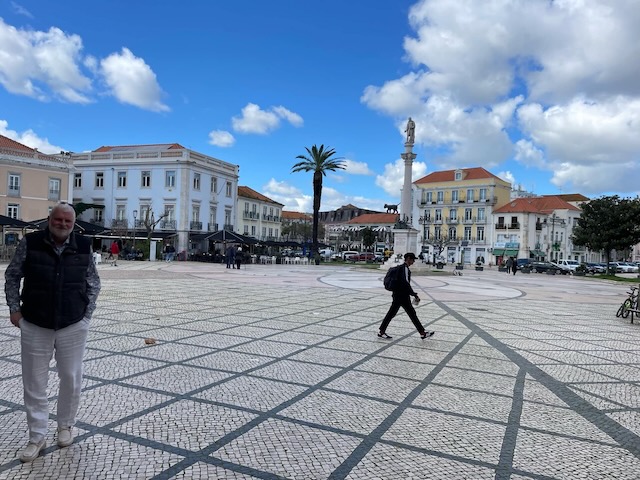
By conquering Setúbal I mean walking around the place and enjoying a delightful lunch at a family-owned restaurant that proved my adage that the more unremarkable a Portuguese restaurant looks from the outside the better the food probably is. And I have no idea what that statue is supposed to be.

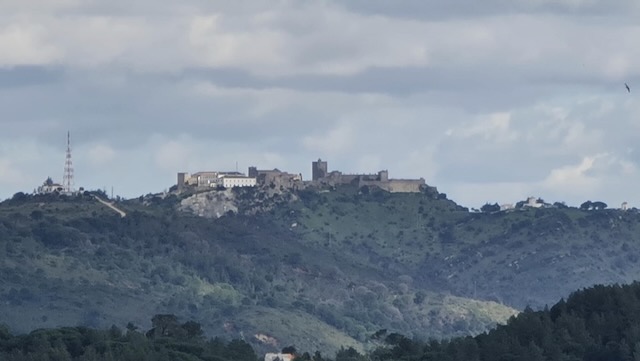
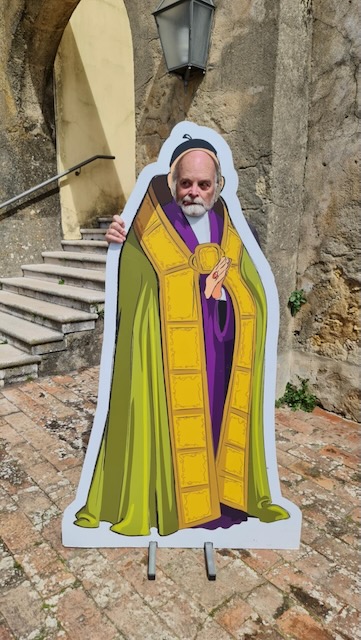
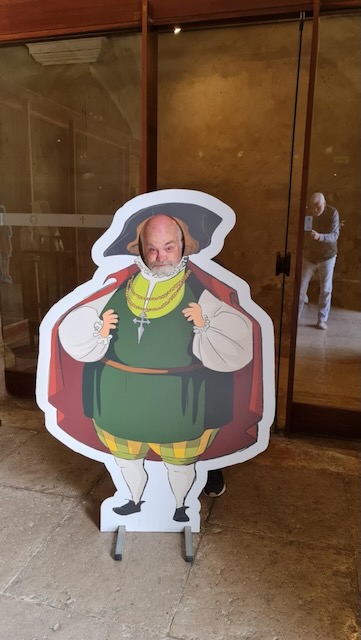
We also visited the Palmela Castle which overlooks Setúbal and catered to our wildest cross-dressing and costume fantasies.

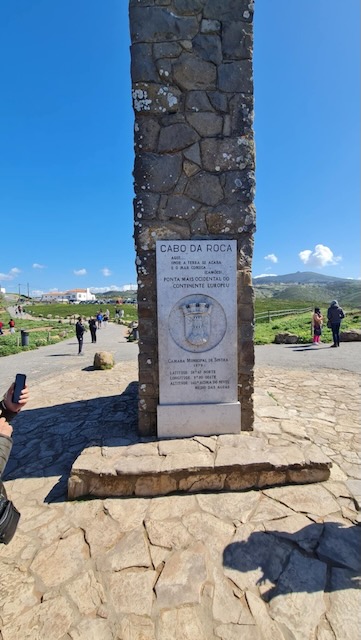
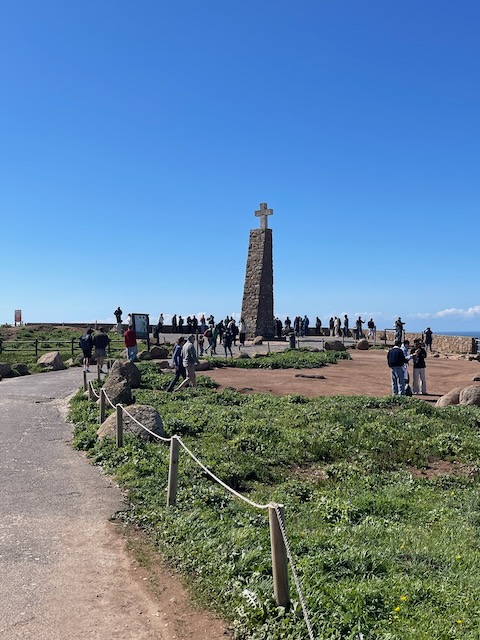
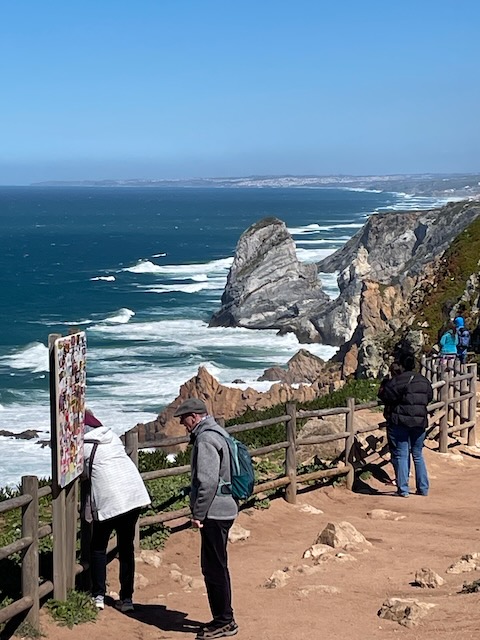
On another day we drove to Cabo da Roca, which is the westernmost point of all of continental Europe, and is where Almond Roca would have been invented if they had more almond trees nearby. The guy on the top left isn’t either Per or myself, but I figured if he was going to point his camera at me, I’d return the favor, leading to an old bald guy staredown that lasted for hours. He won because apparently he has a bigger bladder than I do.

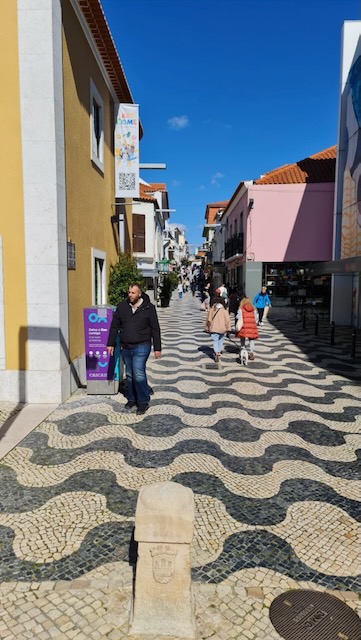
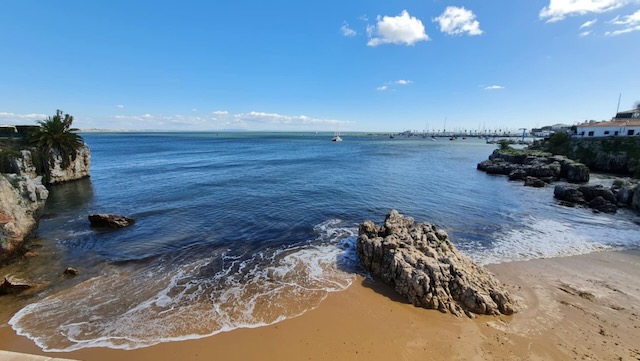
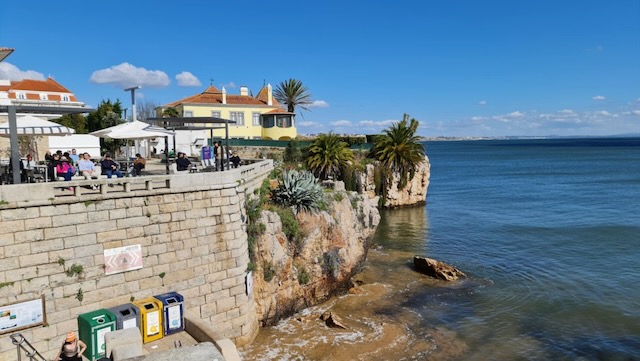
On the way home we stopped in picturesque Cascais and then got caught in a Friday night traffic jam that added at least two hours to the drive, but at least we got a terrific view of the freeway.

But before long we were all nestled into my sweet home of Sesimbra, with its silvery moon, wonderful seafood restaurants, a beautiful stretch of beach named California Beach, which the locals swear that the state of California was named after, and a harbor featuring cleverly disguised submarines.

Once Per cleared me for a visit to Denmark with a good chance of not needing to call in the authorities, I booked my ticket and a month or so later began the journey of learning how to cope. I knew I’d be able to learn all the skills I’d need in order to live alone in the capital of everything coping-ness, aka Copenhagen. As the Danes already know, “hagen” means “the chin” in Danish, so Copenhagen essentially translates to “Coping after taking one on the chin.”

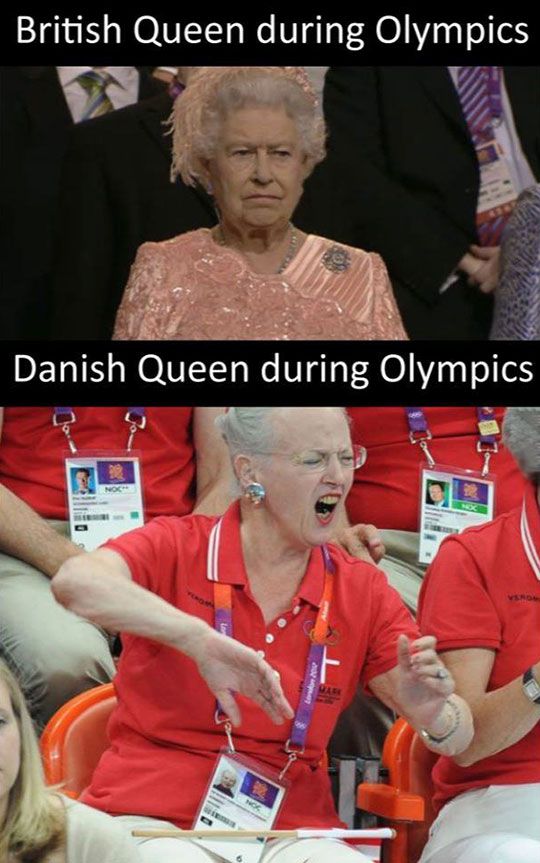
Besides, their royalty is bad ass.

But truly, what a great place to cope since Denmark routinely is in the top five or even first in so many important country metrics like health care quality, happiness, education… pretty much all quality-of-life metrics, mostly only competing with its Scandinavian brothers for the top spot. Copenhagen is the city every other city in the world should want to be when it grows up.

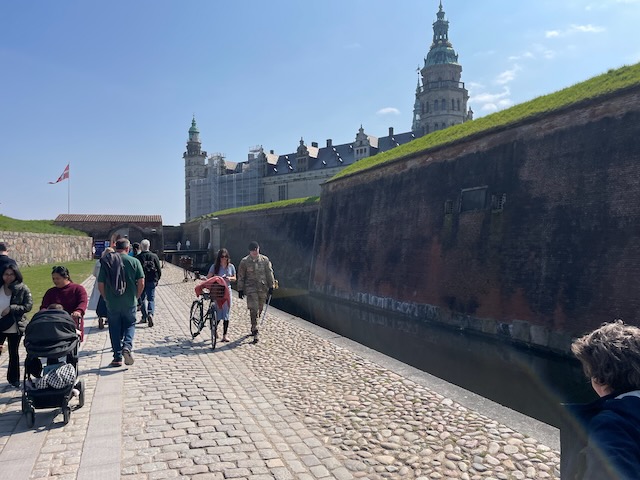
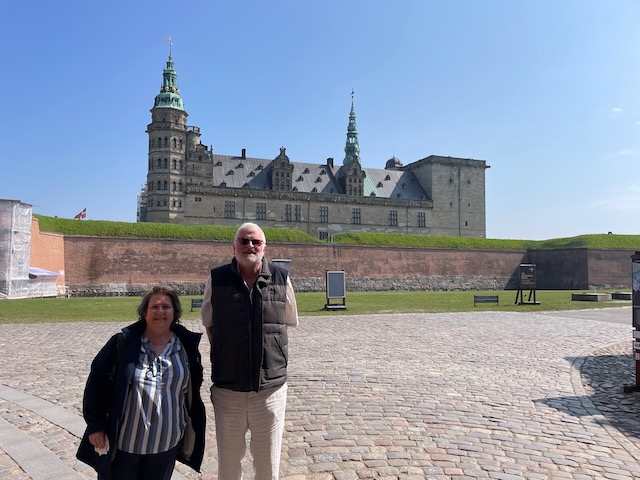
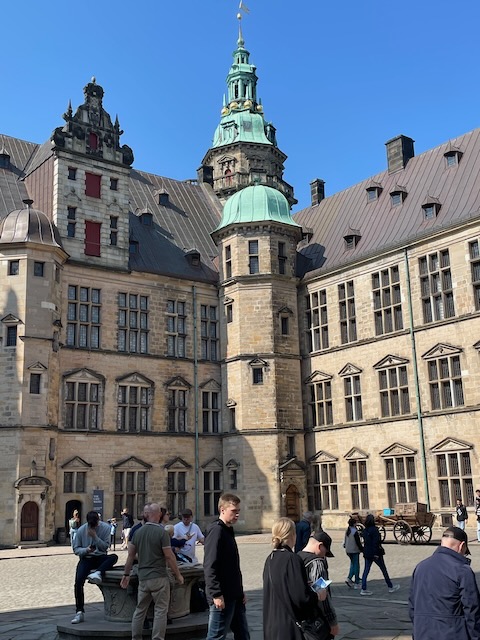
This was my second visit, so my gracious hosts took me ’round to places I hadn’t seen before, like the Kronborg Castle.

Kronborg is a very important Renaissance castle, with one of the reasons being that it is the setting for William Shakespeare’s play Hamlet, which I think is a story about a little pig.

So of course you can find all sorts of Shakespearean gift ideas, including this elephant condom with “To be or not to be” proudly displayed to ensure elephants think twice before doing whatever it is animals do to make baby animals. Anyway, it’s a great gift for the elephant owners in your life.

The castle is absolutely gorgeous and has been very well-maintained, although it could eventually need a good pressure washing which will cost millions of Danish kroner (they didn’t adopt the euro because they were already perfect), not only because it’s so large but because they can’t use any actual water pressure out of fear of damaging the old stone, so someone has to stand there all day just trickling a hose on one spot.

In case you’re wondering what the cannons were pointing at, across the water there is Sweden. An interesting piece of historical trivia is that Denmark and Sweden have fought more wars against each other than any other two countries in the world. The last one was in 1789, so now they just poke fun at each other with internet memes instead. But like two brothers, they can make fun of each other, but if an outsider tries to do the same, they’ll rush to the other’s defense. You don’t mess with that Viking blood!

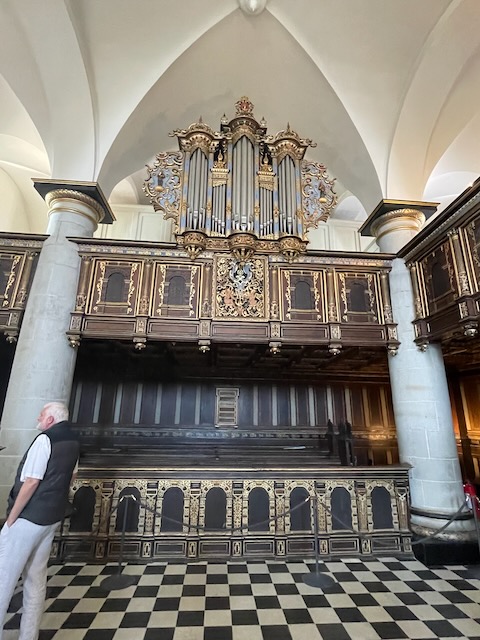
Speaking of Viking blood, the Danes are known for their huge organs.

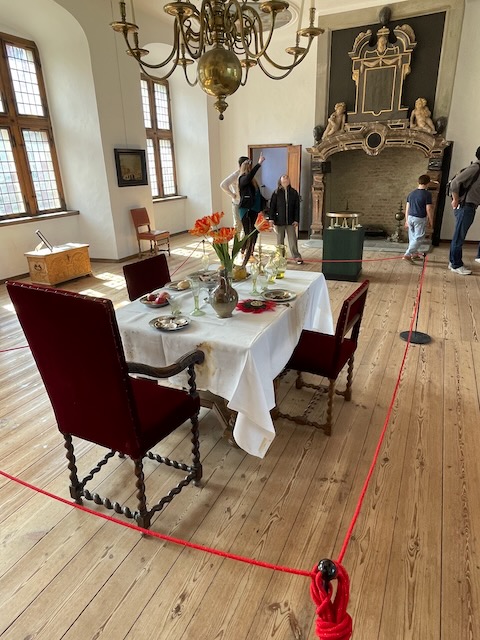
Inside, they were kind enough to offer up a free buffet, but I found the flavor to be rather like plastic.

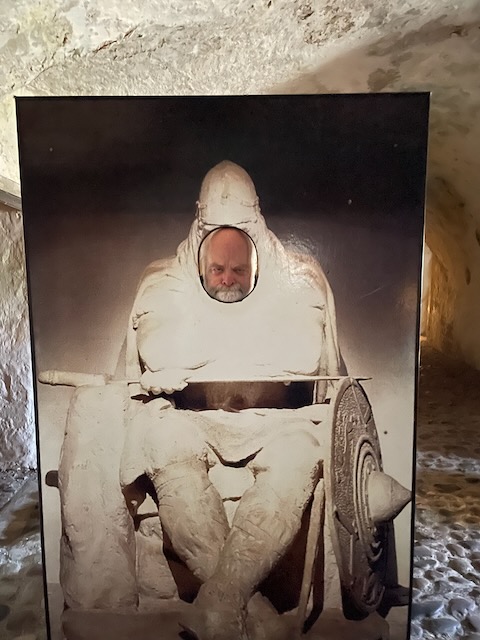
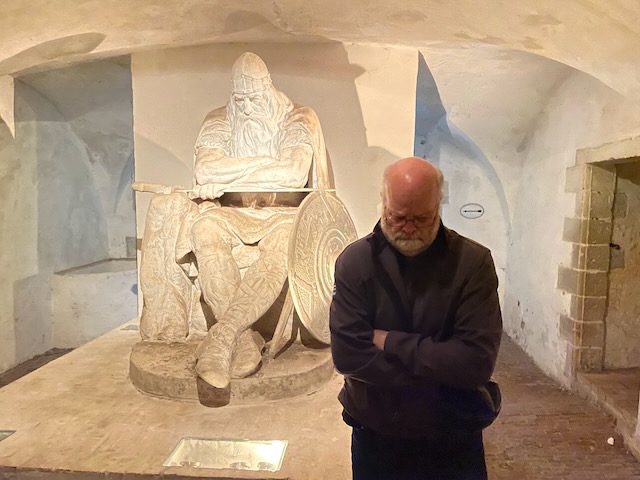
So the story is that this legendary king, Holger the Dane, will awaken and rise up and do some serious smiting should Denmark ever need any smitissery. I was trying to look like him but only succeeded in looking like an old guy sneaking a nap while standing, which is something I’ve perfected of late.

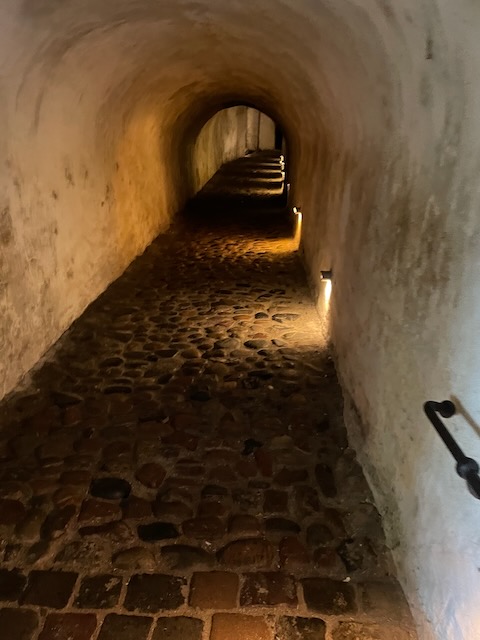
A typical day in the life of a Danish King involved walking down this long hallway to get to the dinner table and then off to bed. It must have made for an exhausting day.

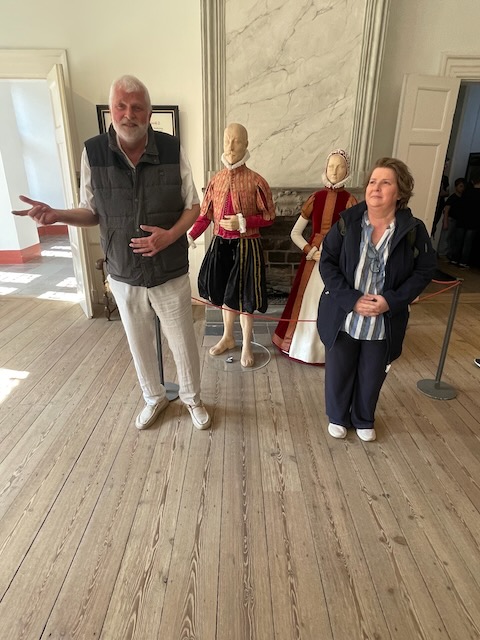
A diorama of four mannequins, with the two in front demonstrating what modern clothing would look like on today’s servants, as well as the significantly increased height due to today’s modern gravity.

Ever thoughtful, the Danes built a table with a mirror so you can take a selfie with the ceiling in the background without having to look up. I could’ve looked up, but would have probably cracked my head open after the fall.

The Danes hate it when you touch dusty windowsills.

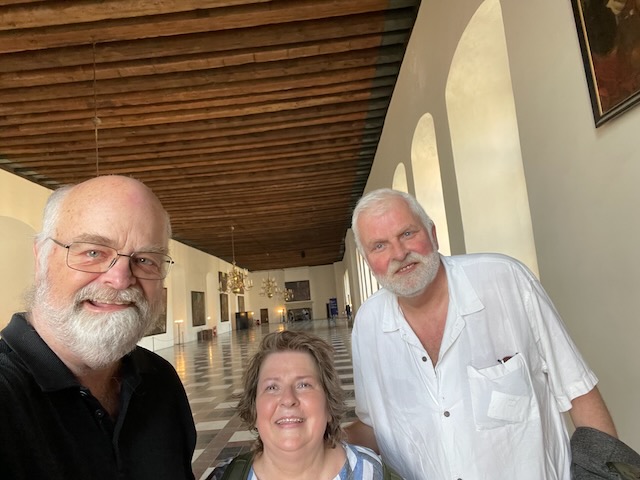
This is the great room. You wouldn’t know it with us in the way of the photo, where it really only seems to be a pretty good room, but once we’re out of the picture you can see it’s actually really great.

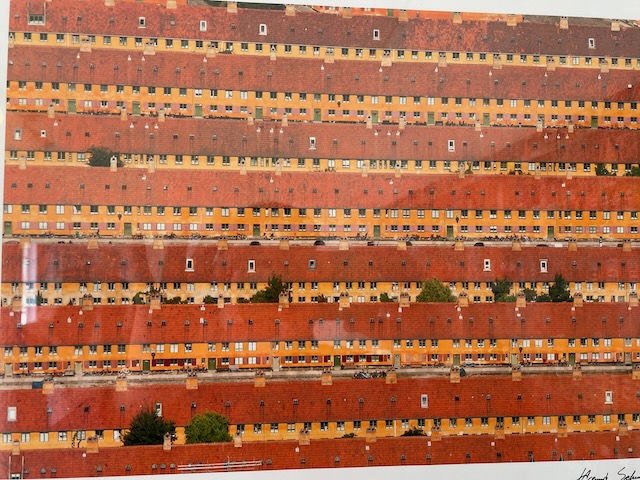
You might be wondering what these are.

OK, I said that about the pictures of houses because I was wearing this hat I’d purchased at a huge open air market and as a result was being a bit of a dickhead, because I was supposed to be.

Now that I have that hat off, I can tell you that these are some of the houses in those pictures, which were taken from the air and were not Photoshopped or anything of the kind. The view from the ground is always a bit different than from the sky, especially if you’re falling without a parachute.

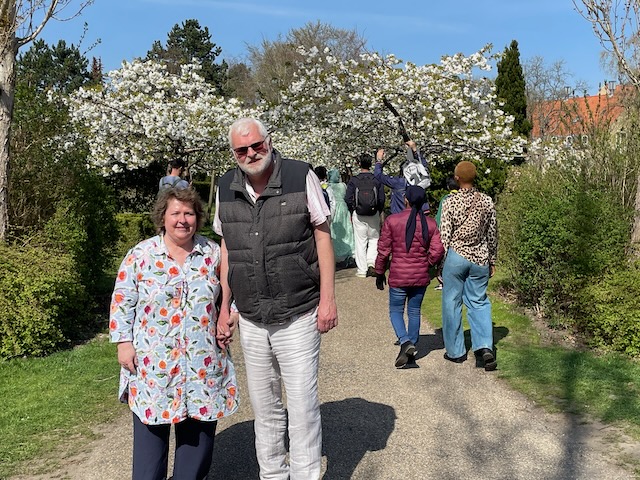
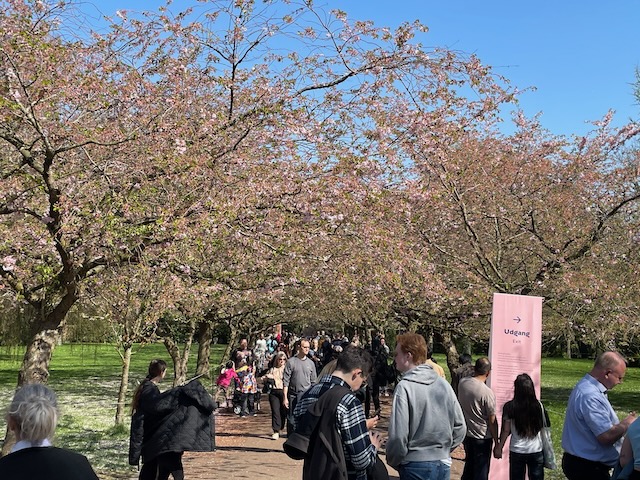
We decided to see the Cherry Blossoms, which bloom for just a short time every year and we were at the tail end of the bloomin’ season. Nearby was Grundtvig’s Church, which is one of the more famous churches in Copenhagen due to its unique design. It also has two organs, whereas most humans have about 78, so we win.

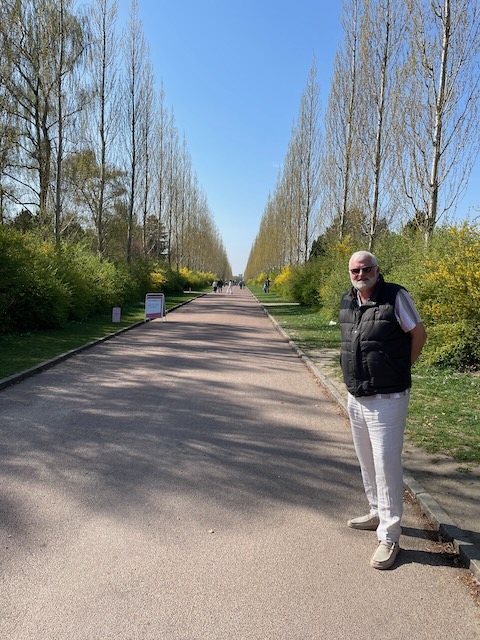
It’s a beautiful walk down the Path of Infinity to get to the blossoms. When we began our journey on foot, the blossoms were in full, glorious bloom. By the time we got there, half the blossoms had given up waiting and fallen to the ground.

While we were mildly disappointed at nature for not catering to our whims, Pia snagged herself a kindly groundskeeper and he drove her back to the car after doing some wheelies, making some jumps off a few ramps, and scaring the hell out of a few old people in wheelchairs, hooting that they were just rookies as he left them in his dust.

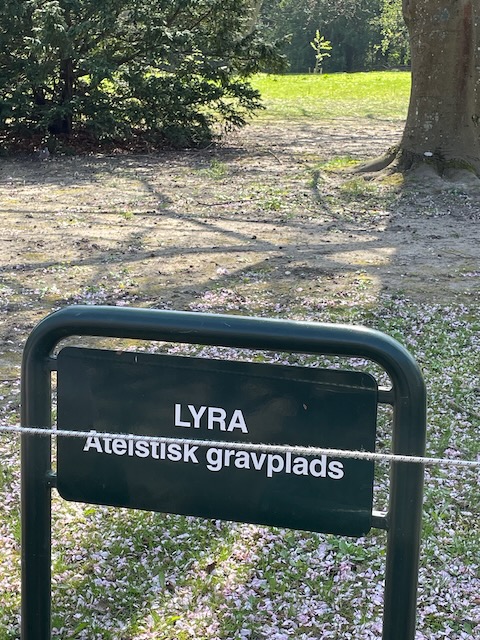
This sign, and you can double check me if you want, indicates that this is an area of the graveyard reserved for atheists. True story. I thought it was funny that I couldn’t see any gravestones, but then again, if there’s one group of people who couldn’t care less about what you do with their bodies after death, it’d be atheists.

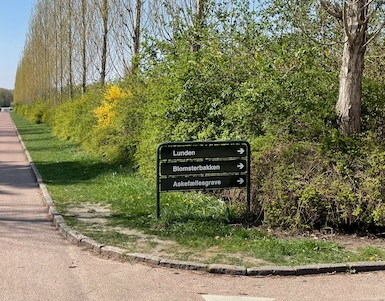
Danes are so badass that they have signs directing you to London, which is 1,262 km (784 miles) away and would take you over 200 hours to walk, plus a ferry.

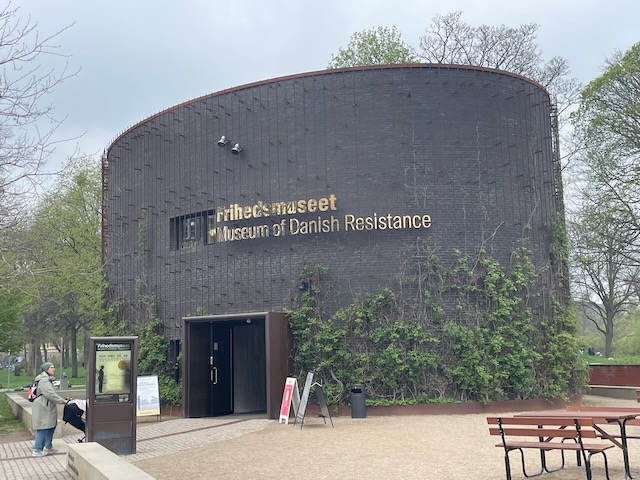
Speaking of badassery, in World War II the Danes, being very pragmatic, surrendered quickly in the face of a dominant German force, and then schemed to have the Germans allow them to govern themselves. Eventually that collapsed, especially in light of the ongoing underground resistance, which this museum documented for us. It’s amazing how many stories have come out of World War II.

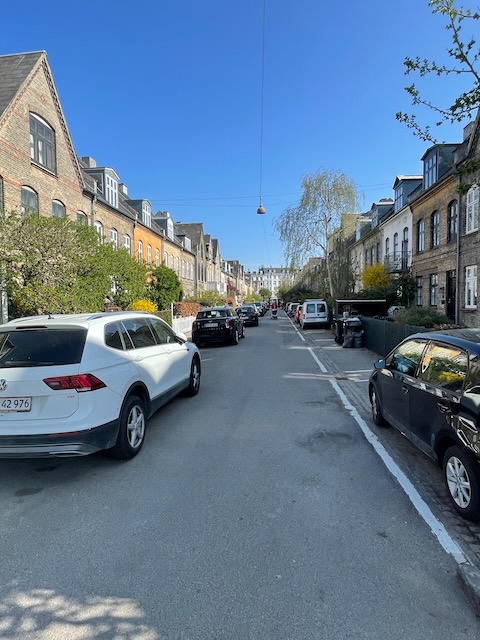
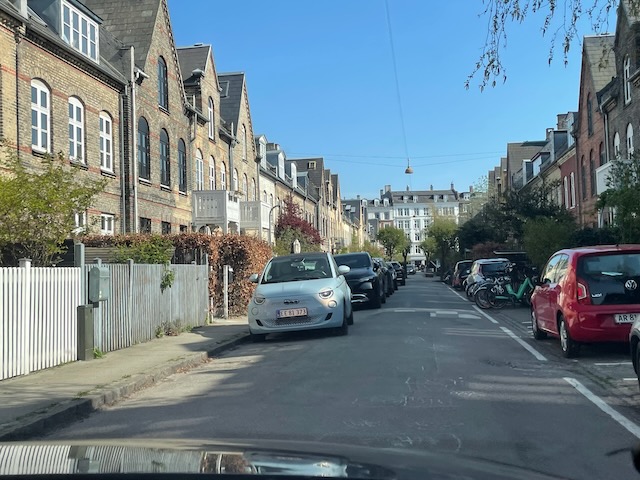
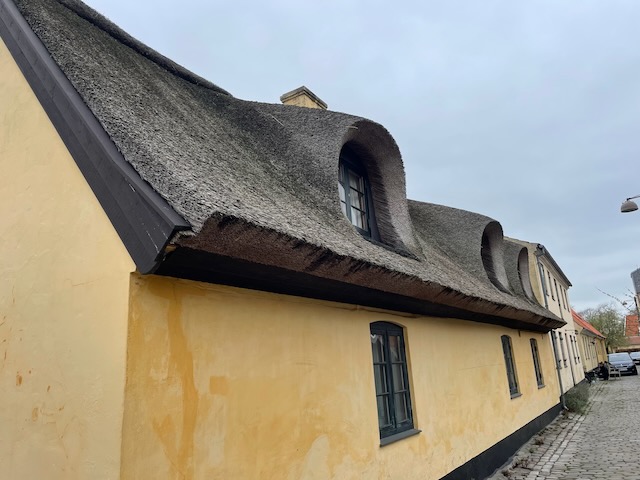
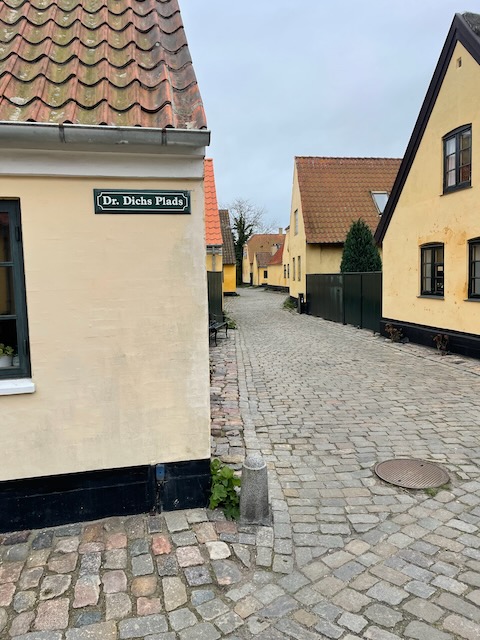
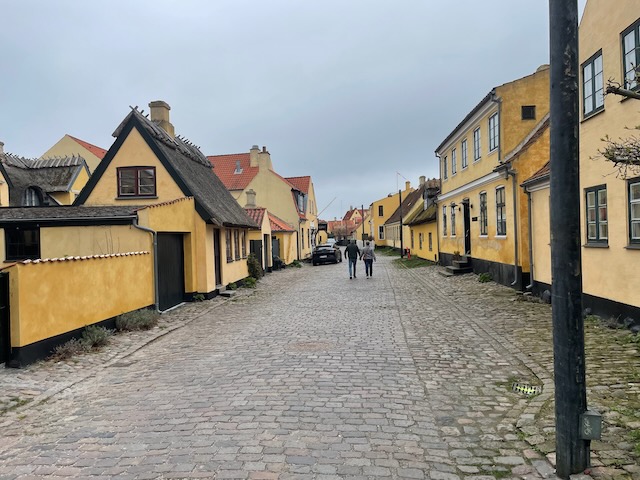
This section of housing in Copenhagen consists of old houses whereby the owners have to adhere to specific aesthetic standards. If you paint it the right color, you’re in. I said, you’re in. Just don’t piss them off, that’s all I’m saying.

The first time I was there, my Danish friends took me to this wonderful restaurant downtown with a very special Easter menu. It actually was one of the best lunches I’ve ever had. This time, it was maybe a tick less gooder than the first time, but that may have had something to do with higher expectations as well as slightly fewer shots of schnapps. Everything tastes better with schnapps.

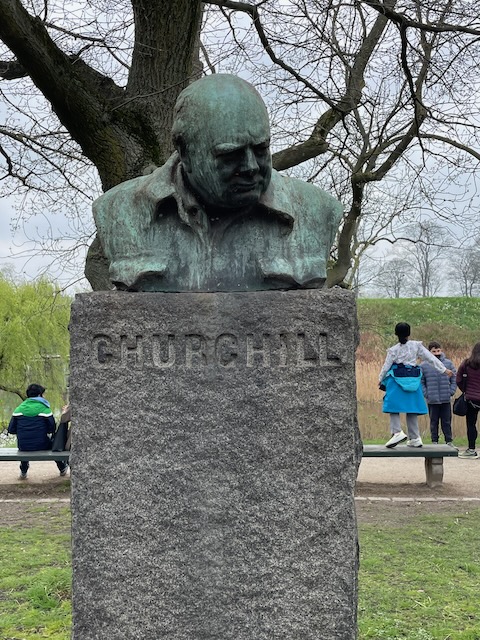
I gotta tell you, you can’t really see it here with these shots, but there were times when I sat in the car at a stop light or some such, watching the combination of all the bikers and walkers and friendly people, and it reminded me of a sort of utopia. I’m really not kidding. In fact, during my visit I discovered that I’d neglected to bring a sufficient quantity of pills to treat my glaucoma (I counted one a day, when I actually take two a day… boy, math is hard). Since it is utopia-like, Per simply got on the phone, was put through to a doctor, who understood the dilemma I was facing and so issued me a temporary social security number and a prescription, all done over the phone and entered into their system online. The next day we walked into the closest pharmacy, the pharmacist called up the record, and within minutes I had a bottle of 100 pills. On top of all that, they were pills she had never even prescribed before, and remember, I’m a complete foreigner. Maybe instead of tearing everything down in the USA, Mr. Trump, you ought to consider building systems like the Danes have… their lives are easier and they are happier and healthier as a result. I know it’s easier to destroy than build, but damn, there are people in the world doing this stuff right; everyone should be taking notes. That’s a Churchill we should be willing to die on.

You finally made it to the funny sign portion of this entry, which signals that it’s about ready to actually be the end. Sorry for the length, I would have made it shorter but I had too many words I had to use up.

Anyway, the first one on the left is from Portugal. The Portuguese are pretty straightforward, and “frango” is the word for “chicken” in Portuguese, and so here they’re offering some tasty chicken ass.

Not to be outdone, the Danes tell you where to go if your farts are really smelly in the middle picture.

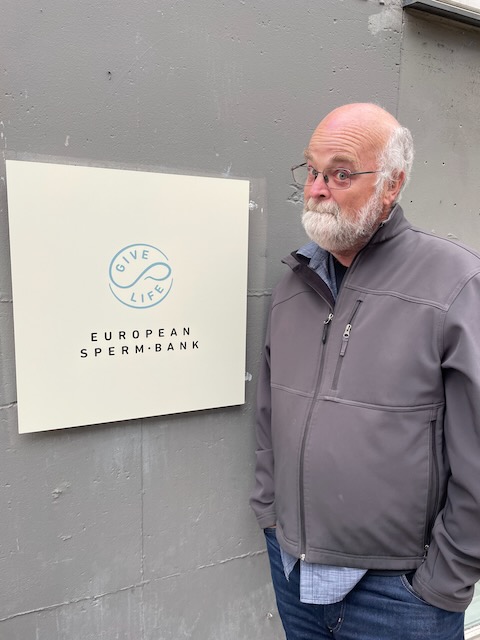
I think the photo on the right speaks for itself.

Portugal welcomed me back with open arms and a beautiful sunset. I was glad to be home, but even more glad to be shown so much care and concern from two very nice and empathetic people. I still really haven’t taken a solo trip; for some reason sharing a travel experience with someone makes it so much more meaningful than seeing it all on my own. Maybe someday I’ll score the perfect travel partnering babe. Ha ha!

(Scroll down to see previous entries.)