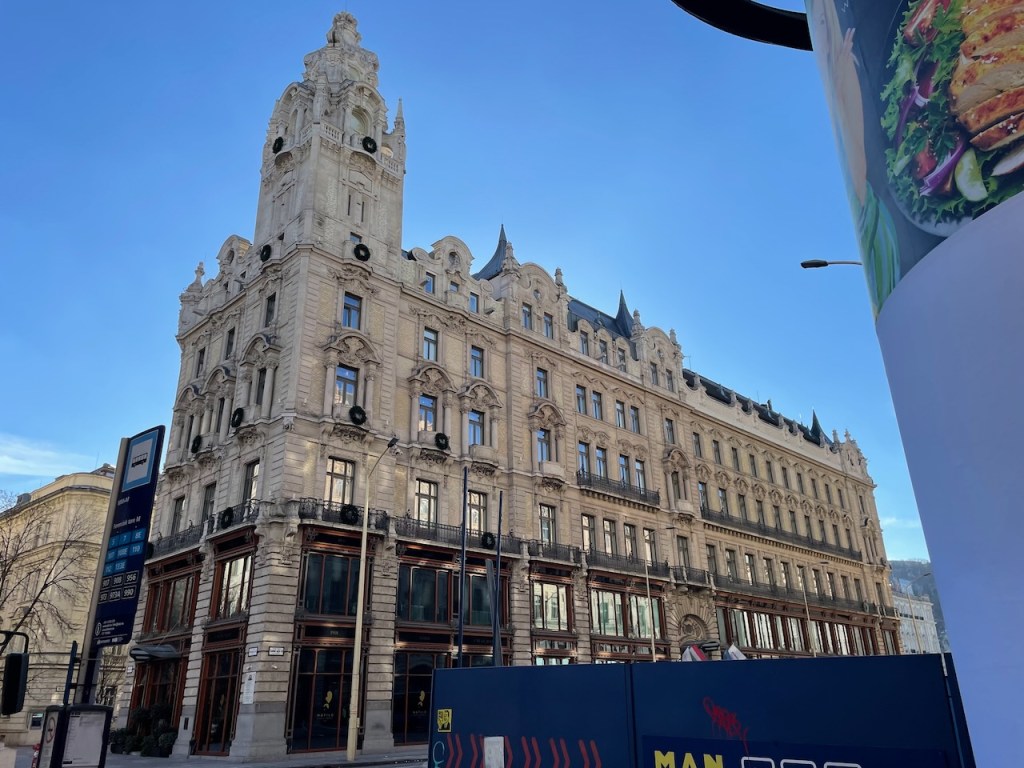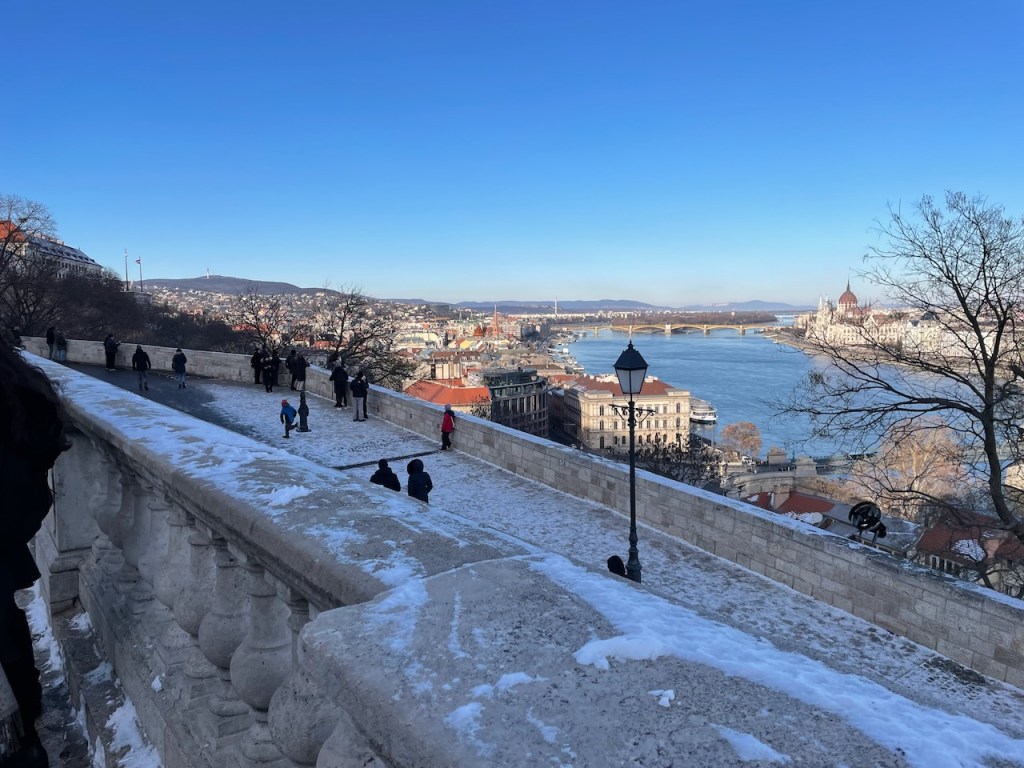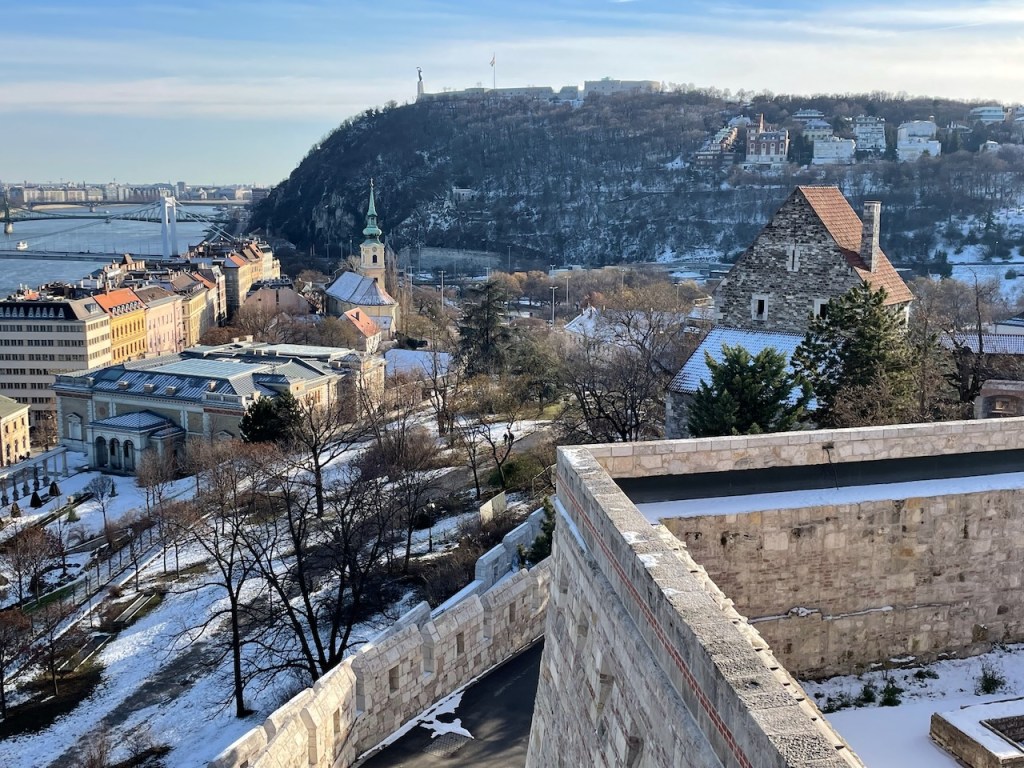
I finally conquer my fear of Buda pests and visit Hungary

We begin this post with a trivia question I’m betting almost no one reading this will be able to answer: Budapest is obviously Hungary’s largest city. Which one is second? (Game show music plays.) Answer: Debrecen.

“Doh!” she says as she slaps her head in self-Debrecation. “I knew it!”

As of 2024, the population of Budapest was over 2.1 million, whereas Debrecen had about 10% of that, or just over 217,000. That might seem like a big difference, but Bangkok in Thailand has pretty much everyone else beat with almost 30 times the population of its next largest city, Chonburi. Even though Budapest is the headline act, a true Hungarian adventure would also include the countryside, which has baths and lakes and Roman ruins and historic towns and a lot less English spoken. One of these days I need to explore the countryside of some very foreign country. But not this one, this was all about Budapest.

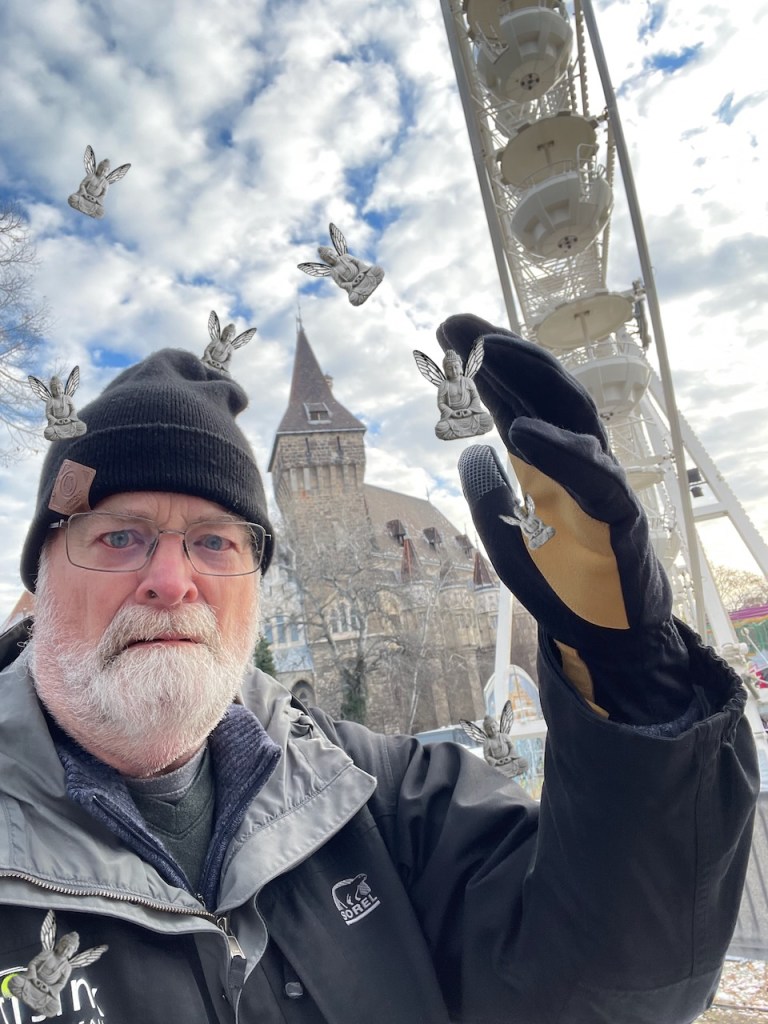
I admit that for years, I resisted the urge to visit Hungary just because of a fear of Buda pests. I heard a lot of bad things about how annoying they can be, as you can see in the picture above. Eventually, I decided if 2.1 million Hungarians can handle them, I could too. I also take my job as travel blogger seriously, so I’m always ready and willing to venture to exotic and dangerous locales just to satisfy the insatiable travel appetites of my readers. Plus, I had a secret weapon.

I came prepared by bringing a large can of anti-Buda pest spray, which consists of high percentages of Hedonism and Materialism particles. This helps scare them away because those molecules are like poison to their blood. Also, shouting, “Sok pénzt akarok, hogy bármit megtehessek és bármit megvehessek, amit csak akarok!” in Hungarian helps keep them away. In English that means: “I want lots of money so I can do anything and buy anything I want!” That’s very anti-Buddhist, and they shriek like banshees when they hear it, and sometimes even makes their heads explode if you say it with enough conviction.
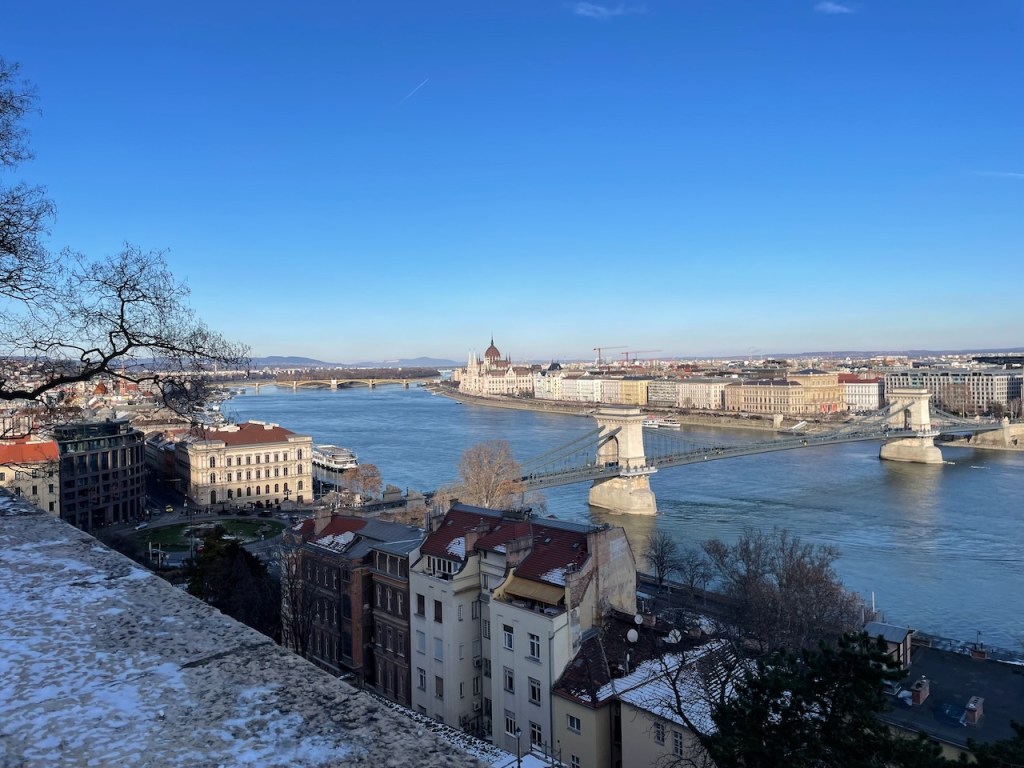
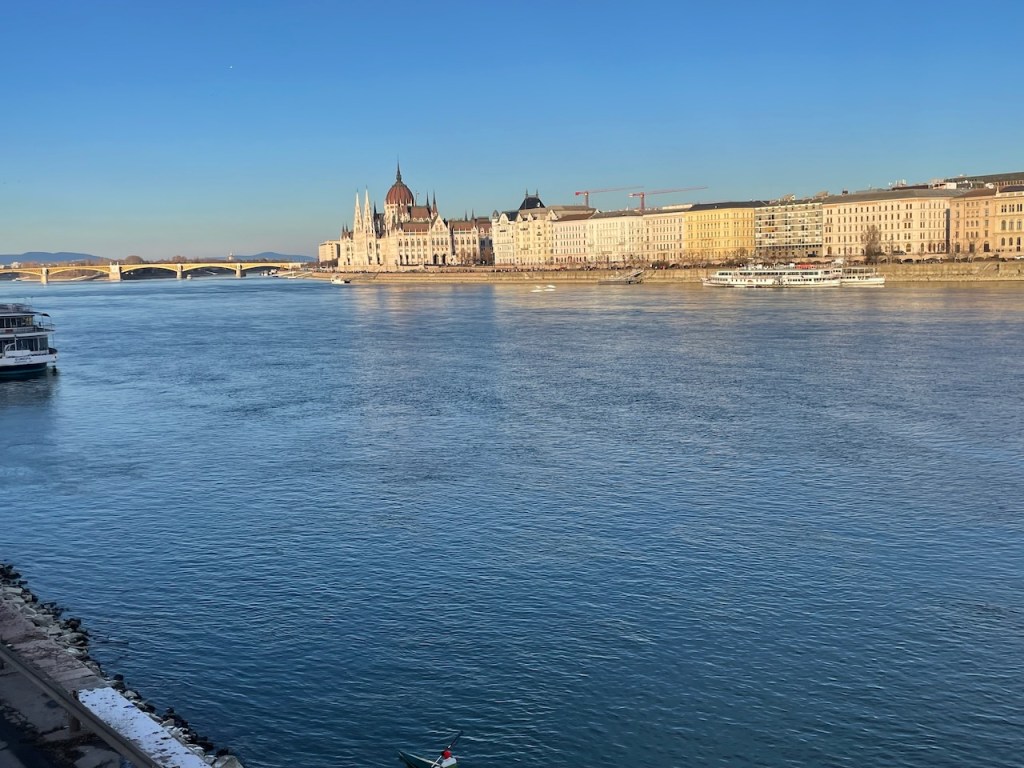
As most geographically astute people are aware, the name Budapest comes from combining the names of two cities that spent generations staring at one another from either side of the Danube. So obviously there was Budape on one side and St on the other. Unfortunately the Budapolitans looked down on the Stimies, as they called them, mostly because the Stimies were too dumb to have even invented vowels. On the rare occasions they did shout at each other across the river, the Budapolitans usually thought they were being shouted at in anger due to all the flying spittle, when in fact the Stimies were just wanting to borrow a cup of sugar, or sgr in Stimian.

I couldn’t find a lot of history on St, probably because of the vowel thing. Sentences like this: “Ths s wht th St lngg wld lk lk” would be nearly incomprehensible to the average English speaker, so I guess no one even bothers.
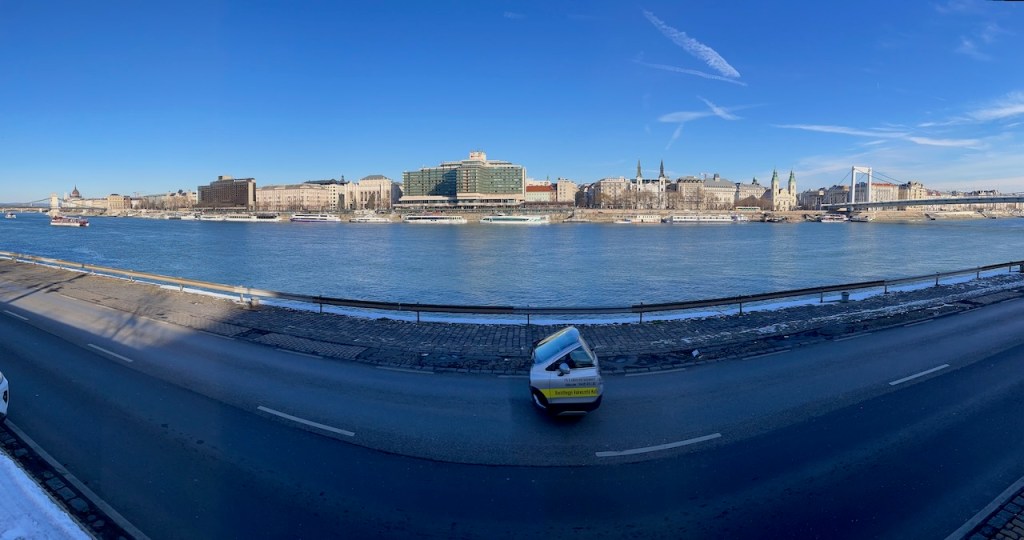
The two cities fought countless wars over the years, until the Budapolitans finally won once and for all, and so they combined the two city names into one to form the name Budapest. Some of the intelligence issues persist due to interbreeding, however, as you can see in the above picture with the dumbest looking car I’ve ever seen. Good thing I was able to get a good shot of that because I was using panoramic mode and might have missed it otherwise.
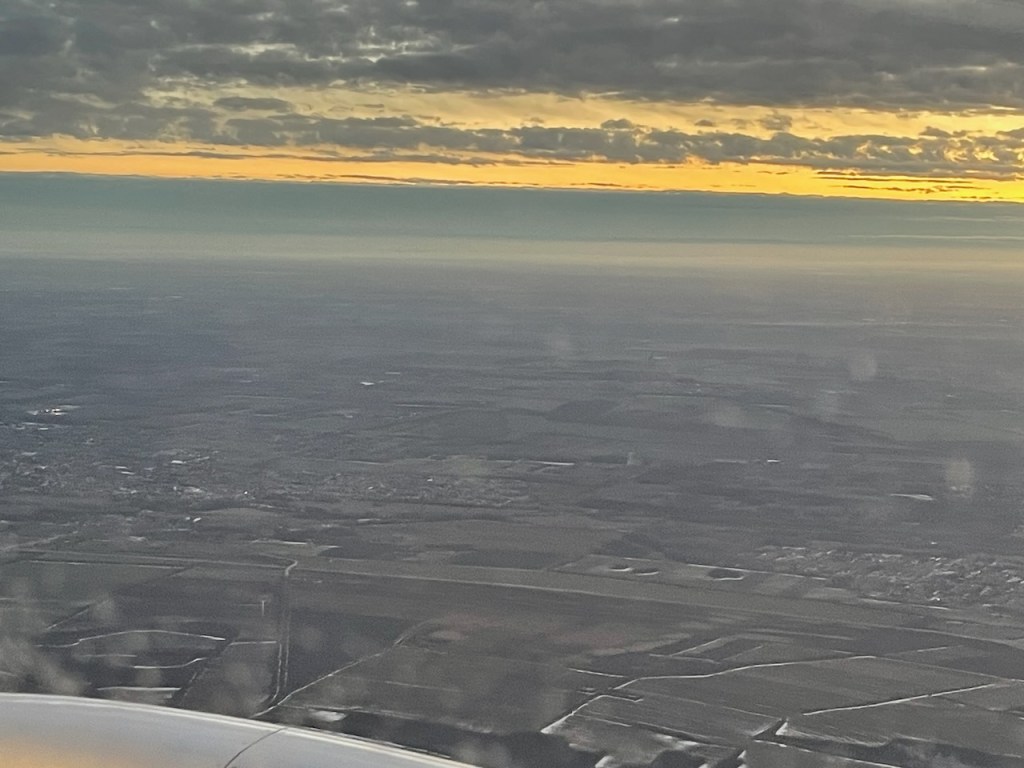
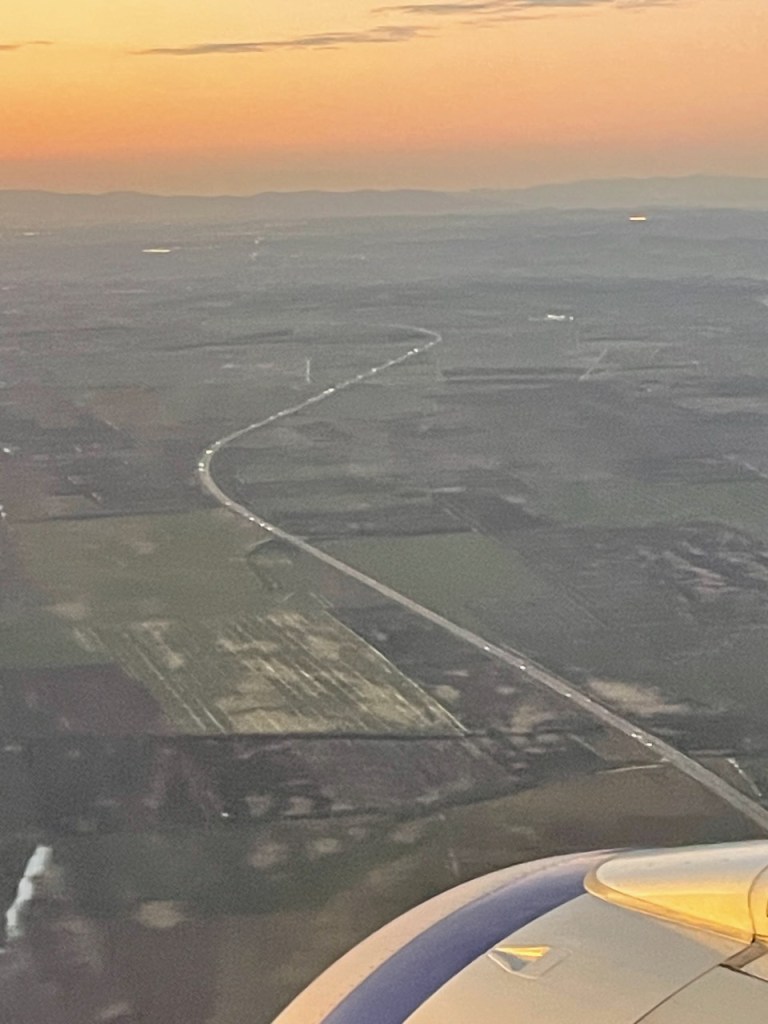
I took these pictures from the plane only because I found it interesting that even as dusk had fallen, there were very few lights anywhere. Even the freeway was only illuminated by car lights. The reality is that Budapest stands alone in a sparsely populated, flat, agricultural region, without the dense city networks common in western Europe. Personally, I think it’s because Buda pests tend to swarm all over the lights.
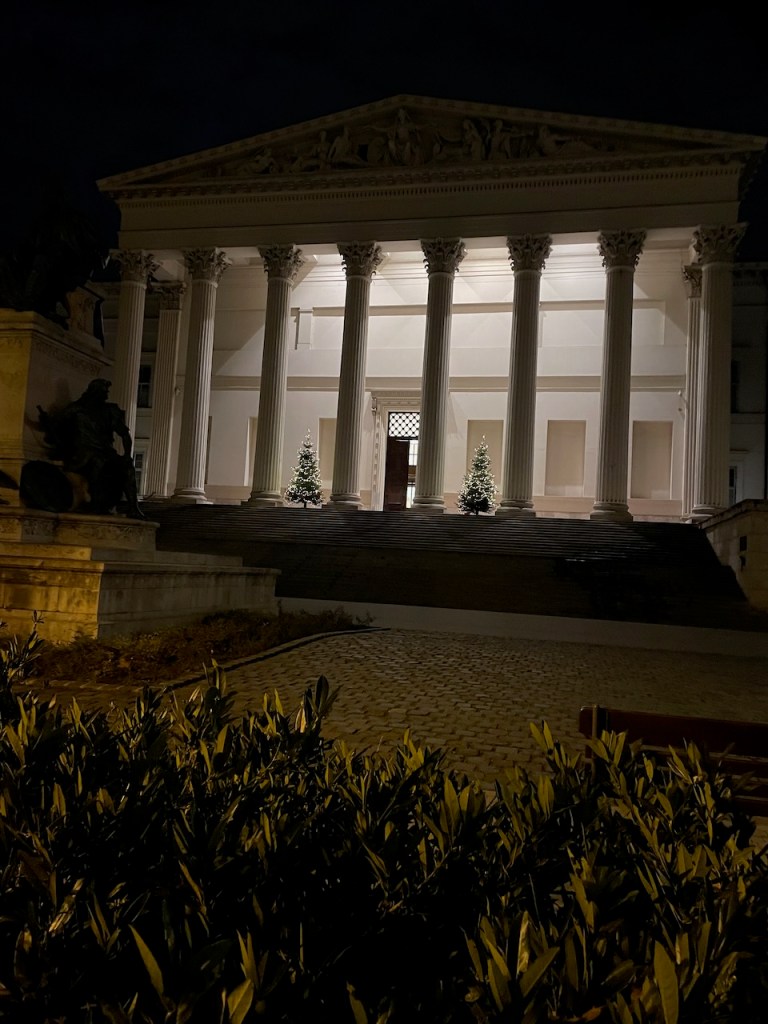
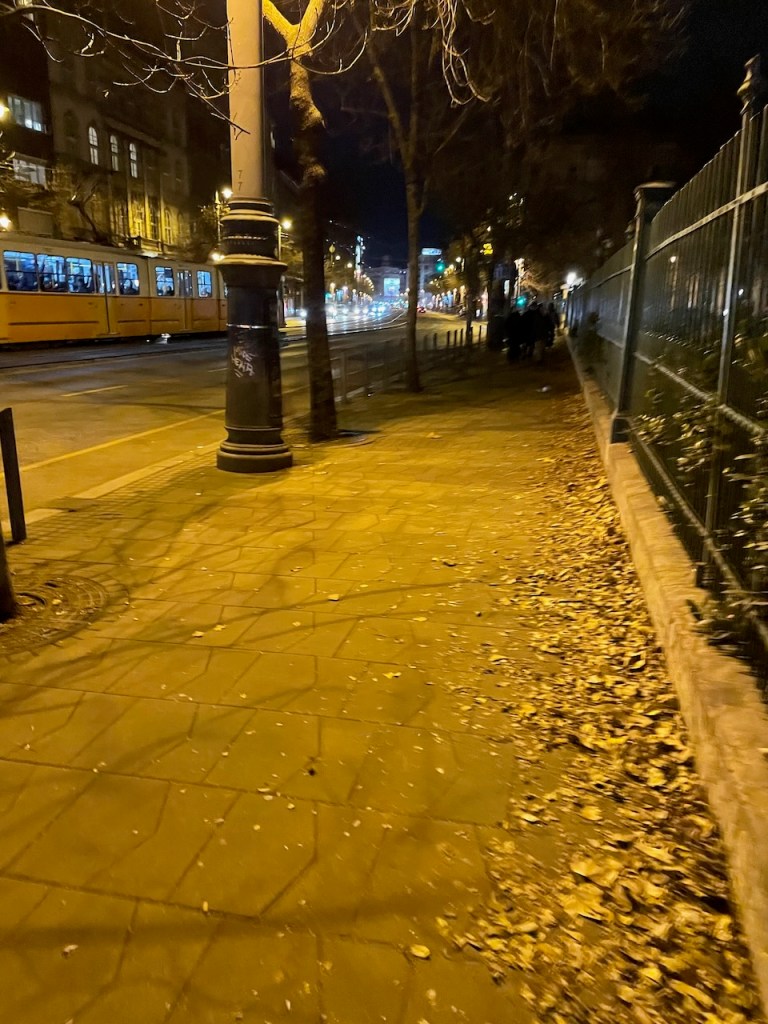
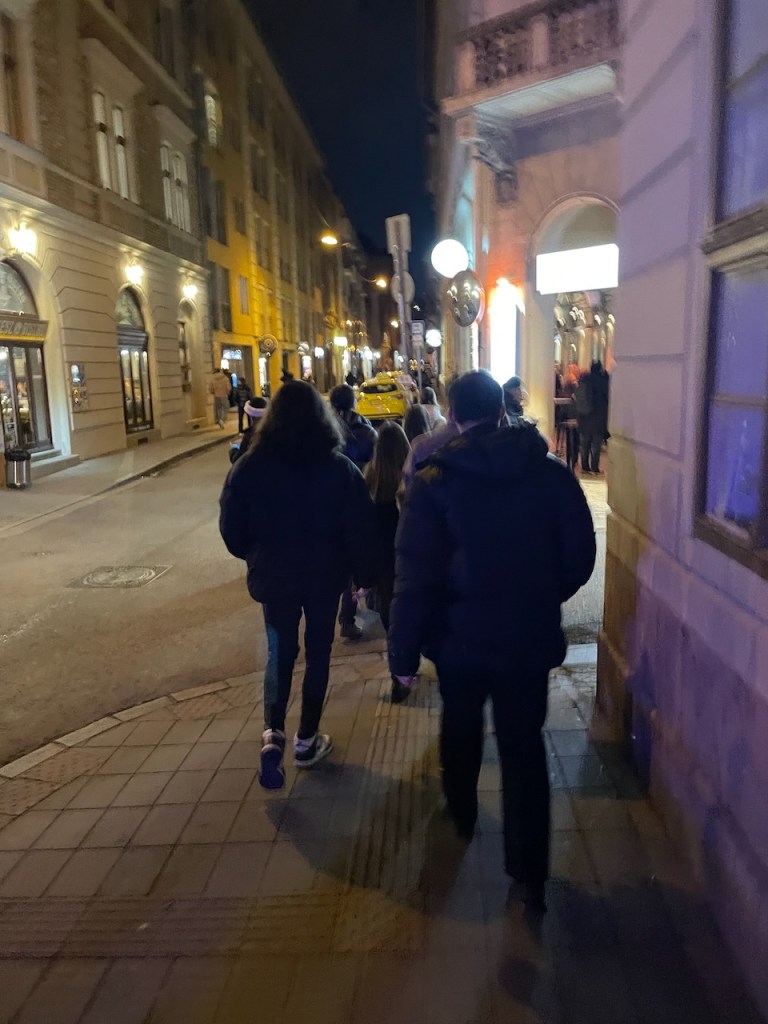
That said, it did also appear to me that many of the avenues in Budapest were somewhat dimly lit as well. After getting off the airport bus (more on that later), I took to walking closely next to a group of revellers through some of the dimly lit streets, hoping that a sixty-something man dragging a suitcase would blend right in with a bunch of boisterous twenty-somethings.

I do have to say that Hungary endeared itself to me not long after I got off the plane, when I discovered that public transit is free for anyone over the age of “Öreg fing,” which translates directly to “old fart.” If you don’t believe me, do a Google Translate on that. After all, I spent several days in Hungary, so now I’m basically fluent.

Anyway, I clearly qualified for Öreg fing status, which admittedly was occasionally depressing when I’d walk up to the ticket taker and be waved right through without having to show them anything more than my face. Once in a while I’d even pull out a playing card to see if they were paying any attention, but nope- you look like an old fart is what their faces said, so just walk on through old-timer.

So I rode the bus in from the airport, feeling quite like Hungary and I had gotten off on the right foot, because despite effectively being told I was an old fart, it was to get something free after all, which is like manna from heaven for us old farts. Unfortunately, I got off the bus at the wrong stop, which ended up being the first of many mass transit missteps throughout my visit, so it foreshadowed more than I knew at the time. I ended up walking for half an hour to get to the hotel, which I was actually delighted to do just to get an initial feel of the city and find out how easy it was to get mugged. Which I didn’t because obviously I looked just like a native twenty-something reveller and blended right in.
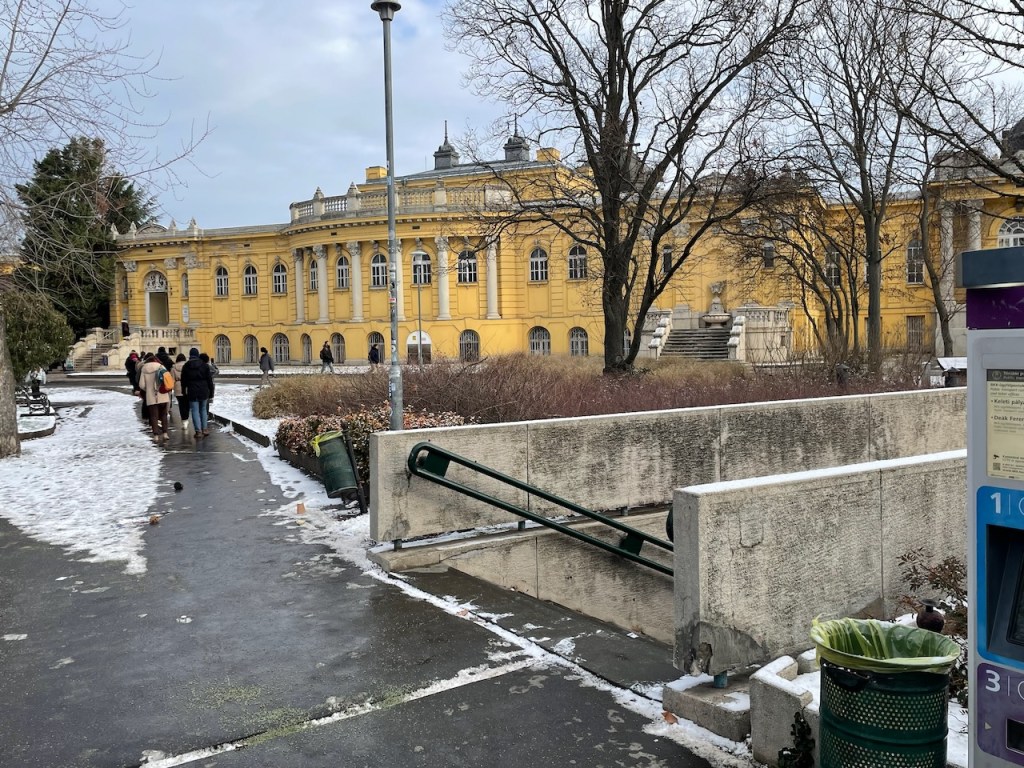
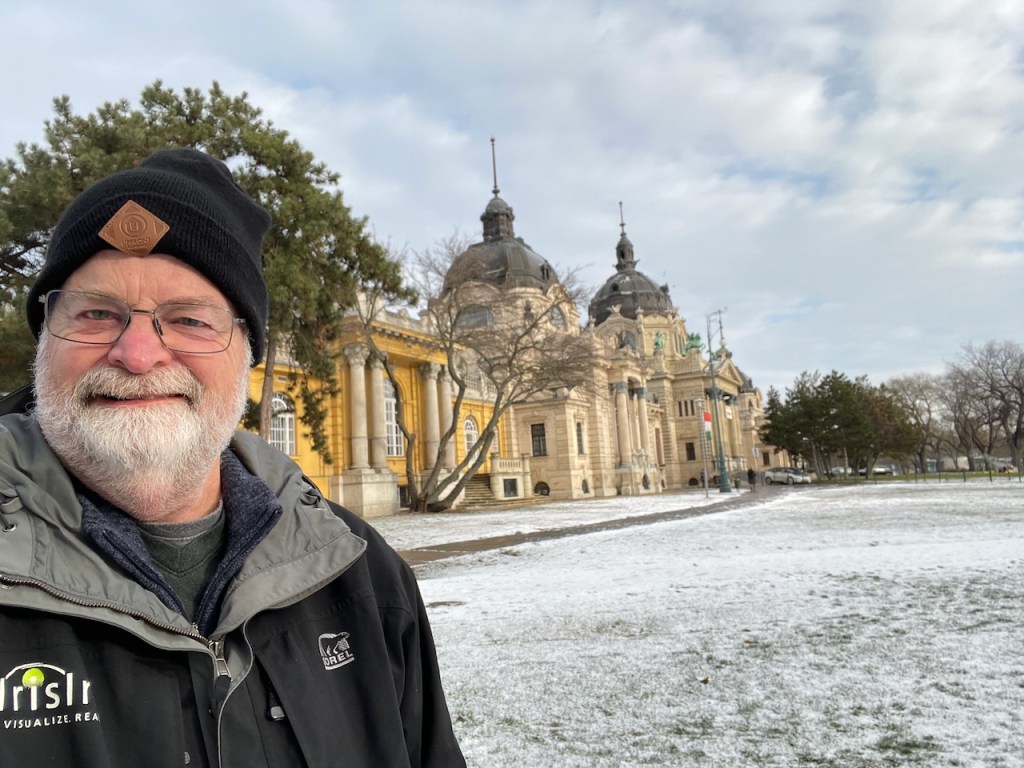
Ahead of the trip, almost every person I told that I was going to Budapest asked me if I was going to the baths. I took to smelling my armpits each time I was asked, wondering if it was something about me. But anyway, here is the building that houses the baths. I’m really not much into saunas or hot baths, unless I get in them, but I figured I should take one for the Sasquatch, as it were. However, after reading up on ‎⁨the Széchenyi Thermal Bath and Swimming Pool, which really is inside that elaborate building, I decided to forgo the experience. Not only does it cost 36 euros just to get inside the place, but you have to bring your own (or buy in their overpriced store, naturally): towel, bathrobe, slippers, swimming cap, and blow up Donald Duck floatie. And there are no rentals, obviously, because no one wants a used Donald Duck floatie. Anyway, the idea of paying anywhere from 50 to 75 euros just to get into a big bathtub or pool just-a didn’t sauna very good-a to me (I’m also nearly fluent in Italian). I also read a lot of reviews on the baths, many of which cited interactions with rude staff as well as concerns about a lack of cleanliness. So I’m sorry, I passed on the experience. I guess I stink as a tour guide, perhaps literally.

I thought I could make amends by describing what it’s like to take a bath in a Hungarian hotel instead, but alas, the bastards want to force you into the overpriced, dirty public baths by not providing one in the hotel, offering only a shower. How rude! However, they did have the easiest-to-operate shower fixture I’ve ever seen. I mean, you just push one of two buttons to get the water flowing, labeled such that even a Stimie could decipher it, and the temperature is an easy-to-understand dial on the right. They even have a nice shelf for soap or perhaps your own shampoo, rubber ducky, or shower martini. Why aren’t they all like that? For some reason my ex-wife had the damndest time with hotel shower set-ups, which admittedly were sometimes incomprehensible. But she never let me mansplain them to her, so I’d sit in the room and listen for the inevitable screams and shrieks when she either got all the cold or all the hot or a hard spray to the face as soon as she turned on the water. I must admit I’d taken to looking forward to the experience, giggling like a little kid whenever it happened. Huh. Maybe that’s why we got divorced: “He giggled when I took a shower your honor!” The gavel bangs. “Guilty! Off with his head!”
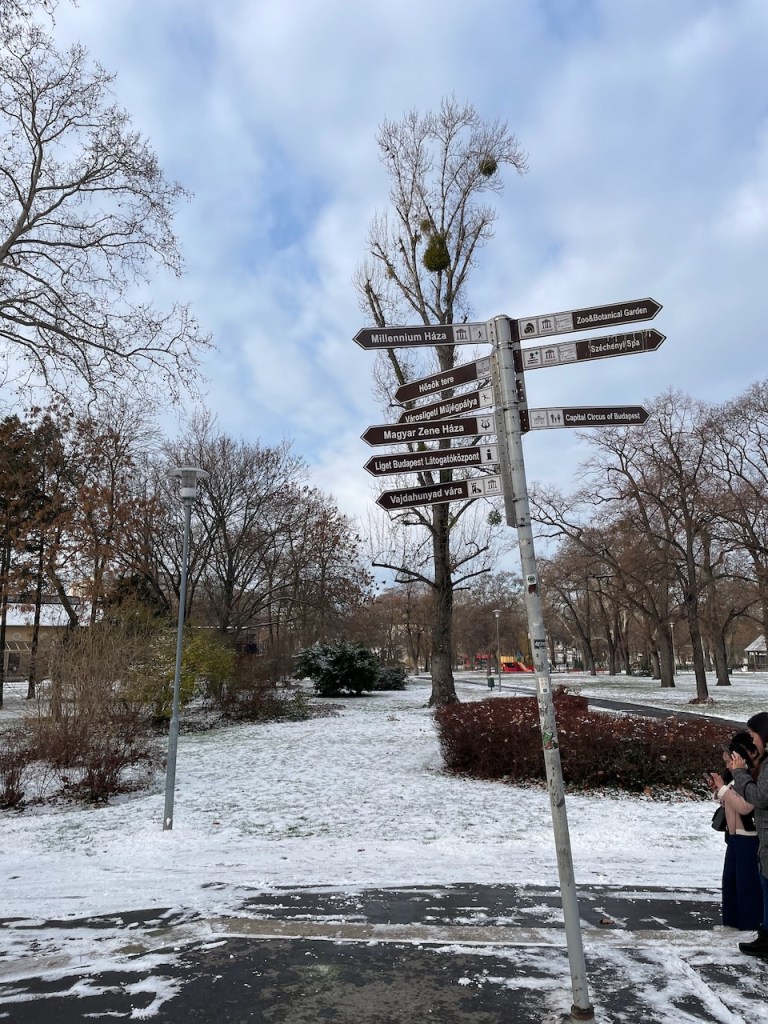
The cleverly-named City Park, where the Széchenyi Bath was located, was within easy walking distance from the hotel. It’s quite a large park with lots of things to see, as you can tell by these easy-to-follow guideposts. It was a great first stop to make in Budapest, because inside the park featured the following: the Vajdahunyad Castle, the aforementioned Széchenyi thermal bath, the Budapest Zoo, the Municipal Circus, the Gundel Restaurant, the House of Music, and the Museum of Ethnography, which of course I already knew what that was, right after looking it up: the scientific description of peoples and cultures with their customs, habits, and mutual differences. Which I think is really stupid because anyone who is not a first world white male isn’t worth researching, at least according to too damn many Americans nowadays.
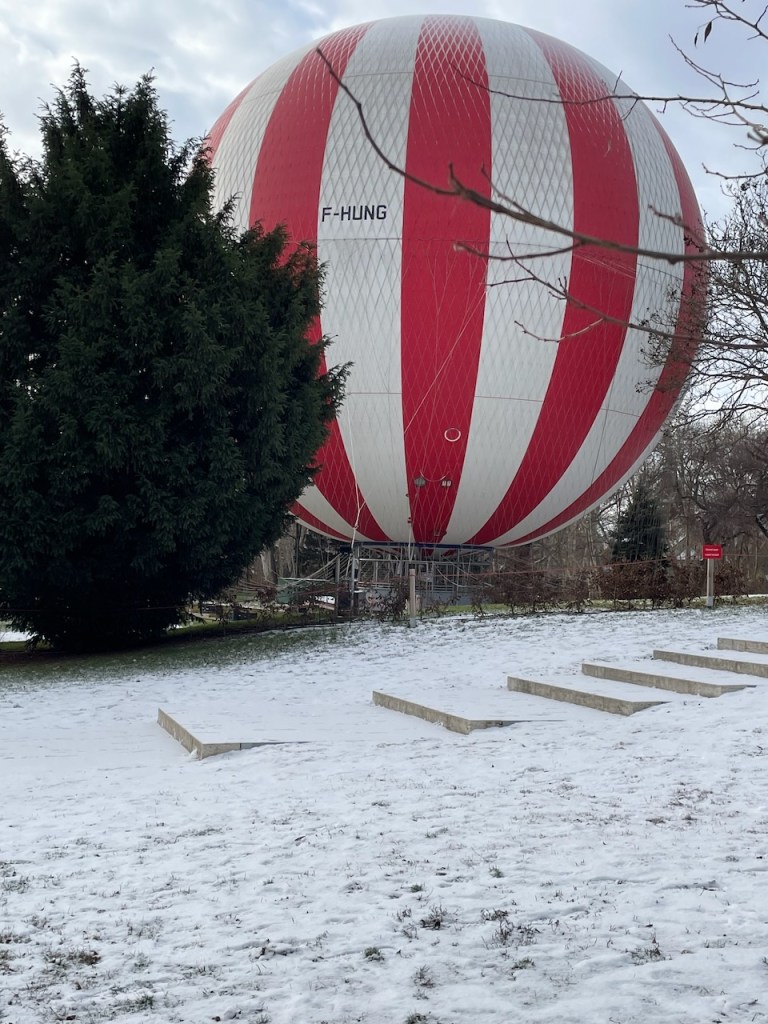

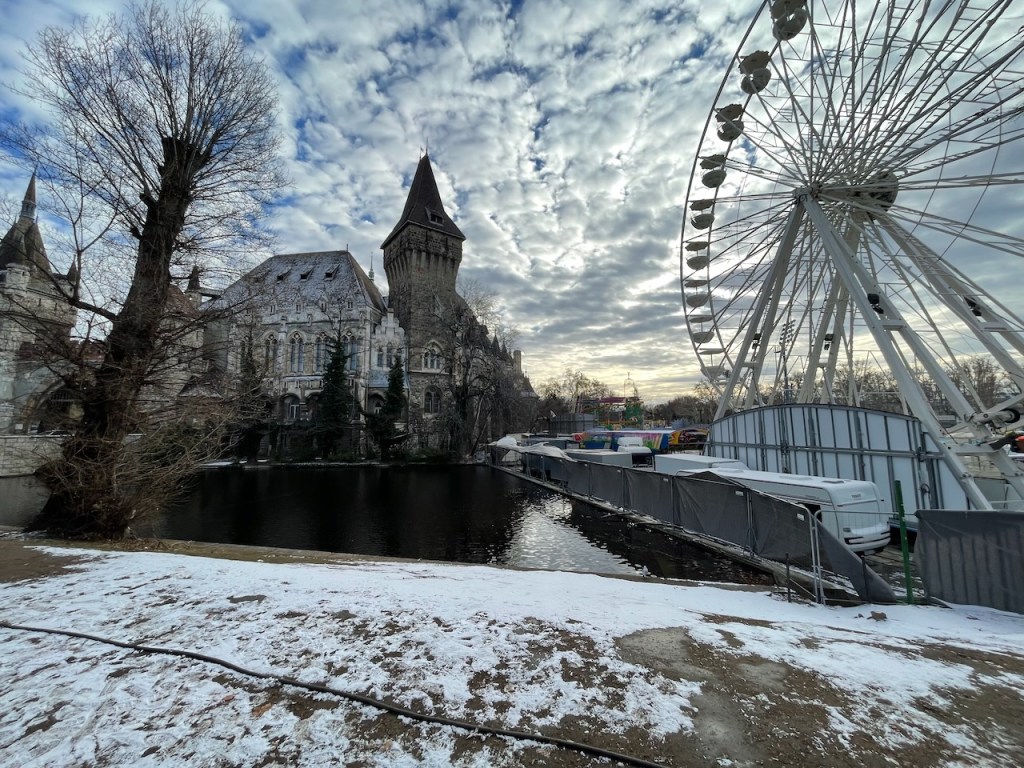
City Park (I just can’t get enough of that name), also includes an amusement park of sorts, as well as a balloon ride, both presumably being a little more active when the temperatures are above freezing.

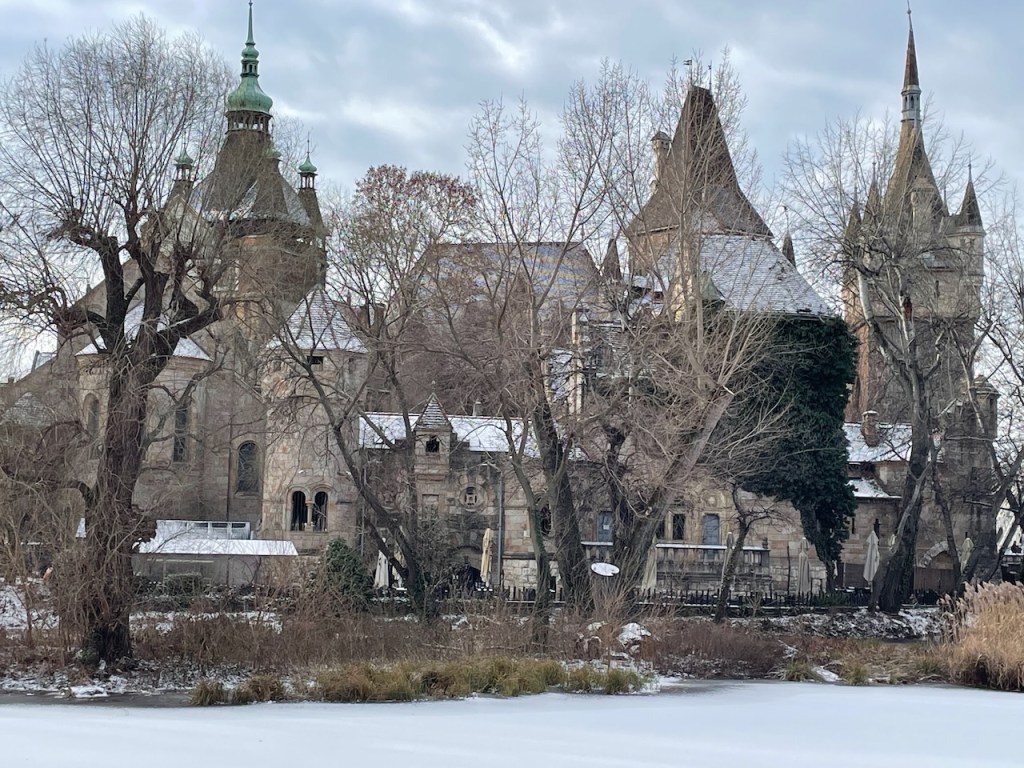
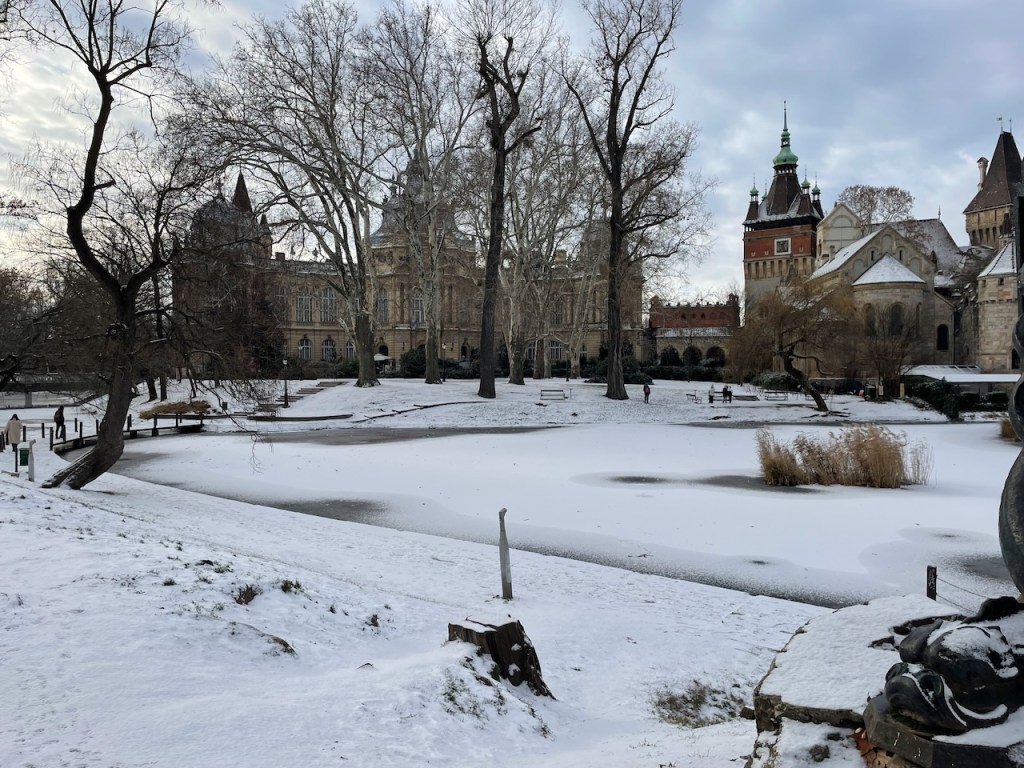
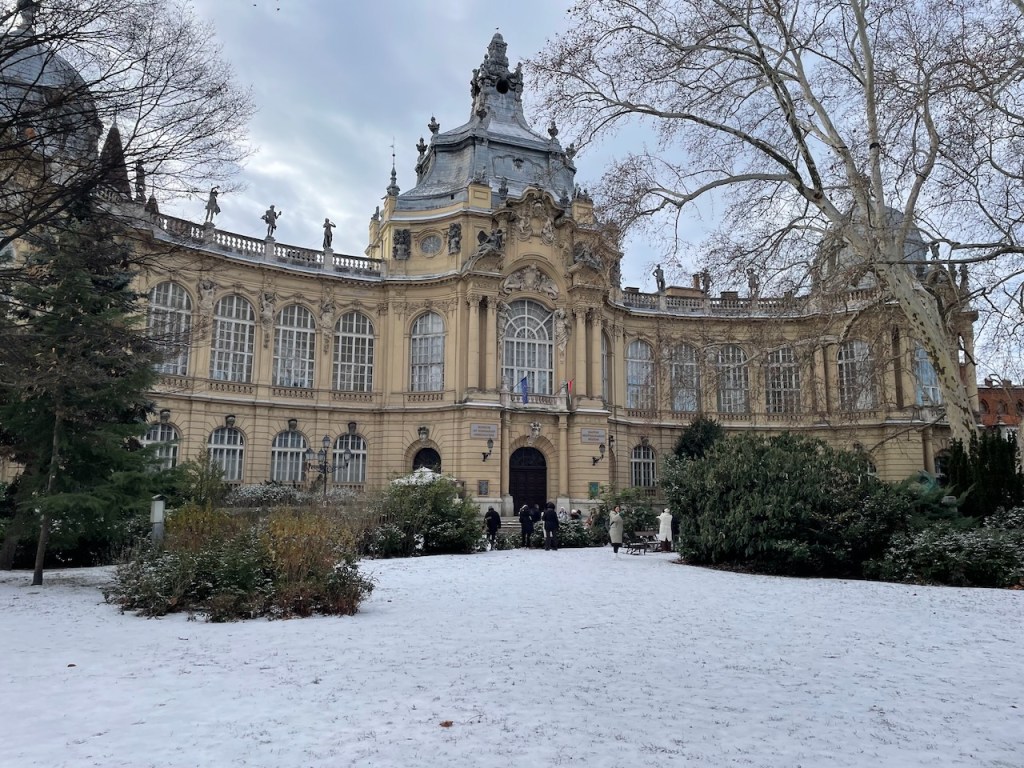
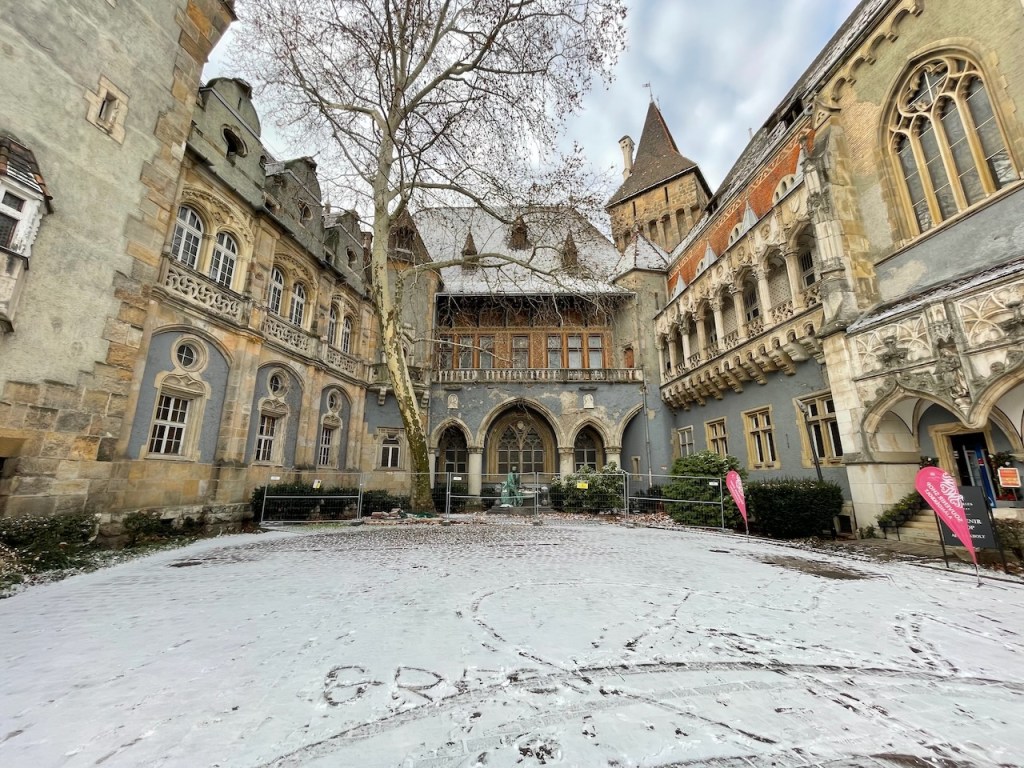
I was excited to see the Vajdahunyad Castle, because usually when I hear the word “castle,” I get all weak in the knees, anticipating great views, impressive battlements, and the ghost of King Arthur riding forth to arthurize lots of agreements. However, Budapest pulled a fast one by calling a collection of buildings a castle. So Vajdahunyad Castle is actually just a diverse collection of multiple landmark buildings from different parts and time periods of the Kingdom of Hungary, featuring different architectural styles… and I don’t even care anymore because it wasn’t a proper castle. Humph.
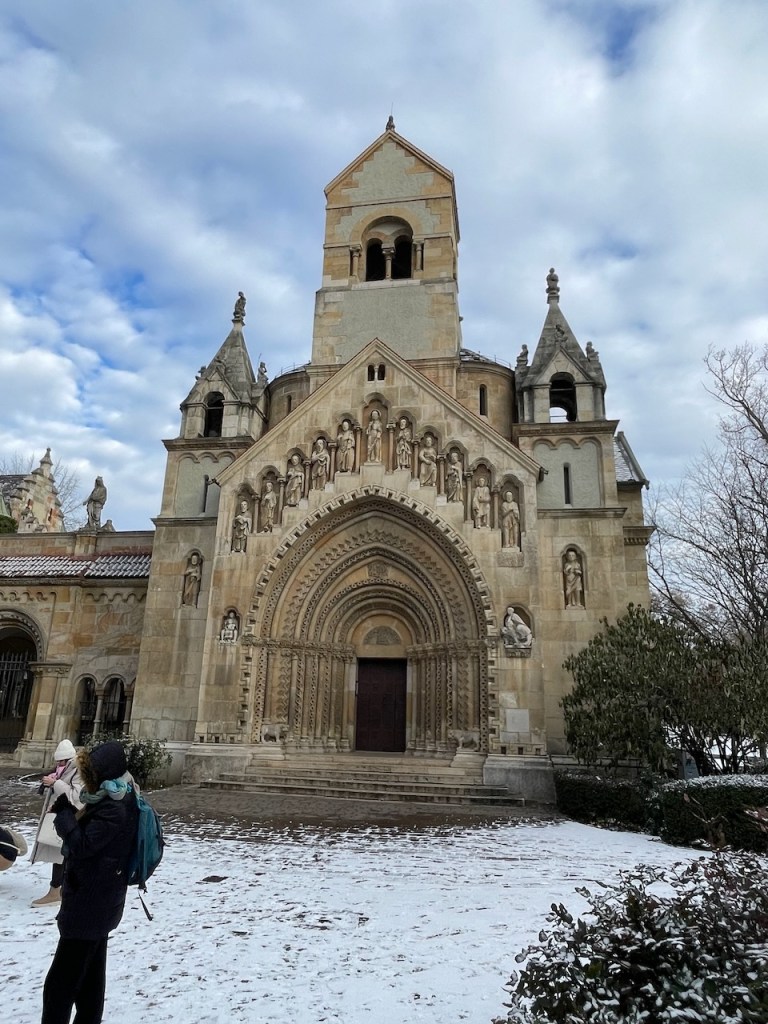
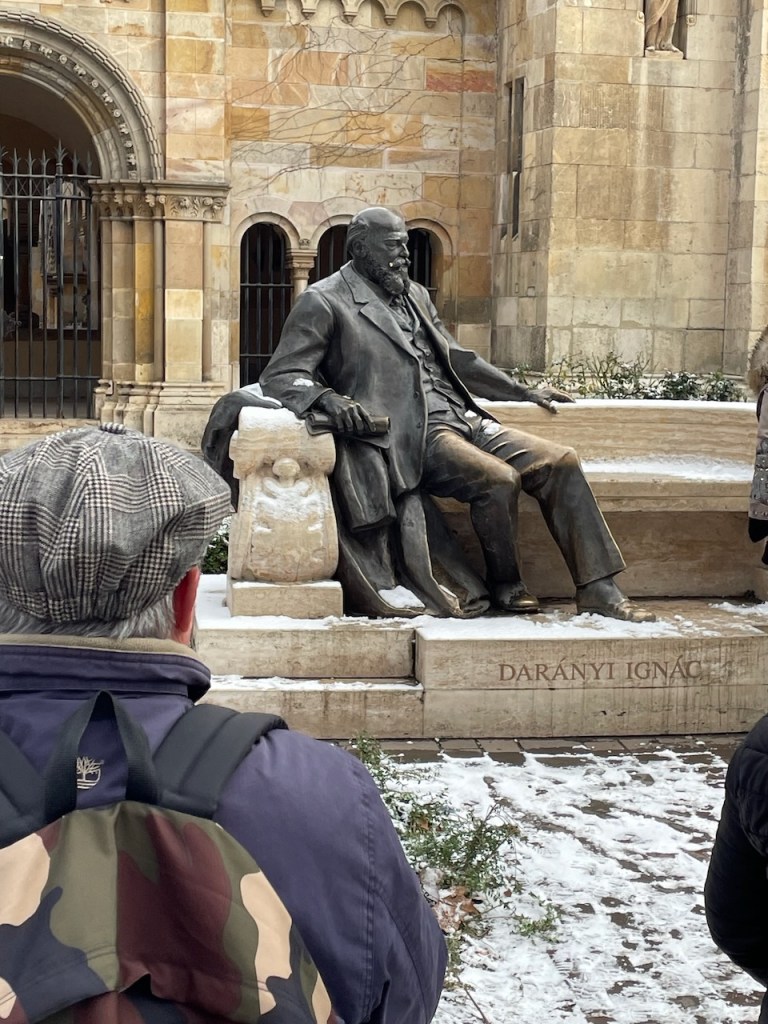
The “castle” was built in 1896 as part of the Millennial Exhibition, which celebrated a thousand years of being Hungary. While it’s impressive and all, I couldn’t help but remain miffed at the misuse of the word “castle,” so I pouted the rest of the day and just snapped pictures without even looking at what it was taking, and then I’d kick at the snow in a fit of pique and puff out my bottom lip.
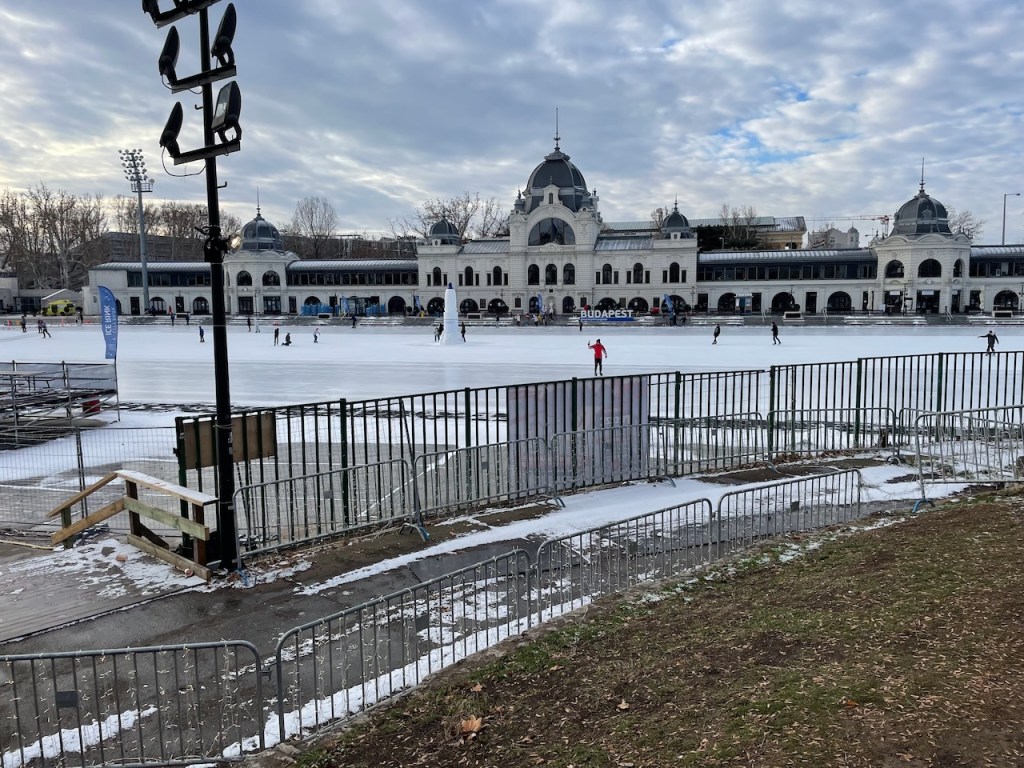
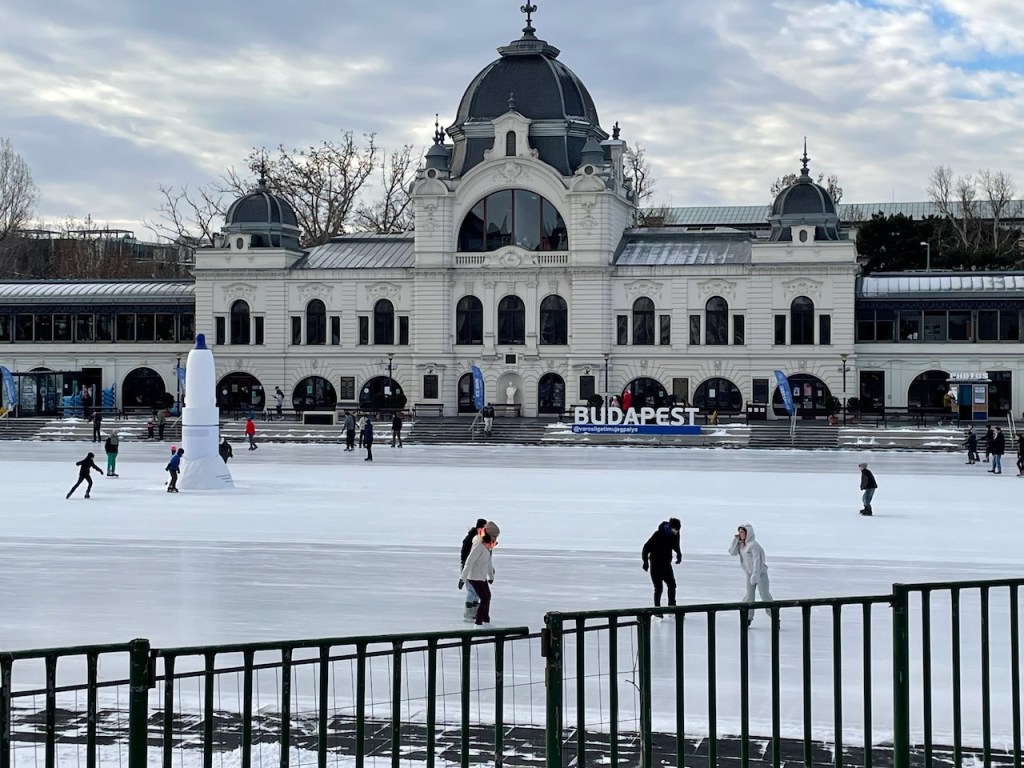
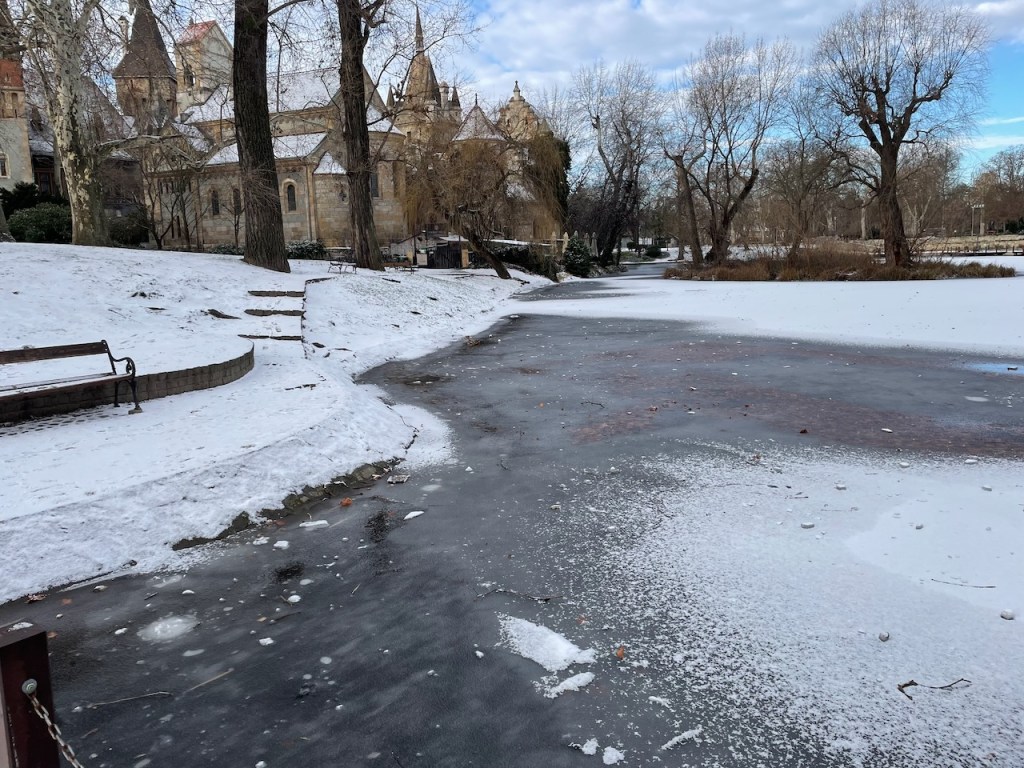
The skating rink cheered me up though. It’s so great to watch talented skaters doing spins, pirouettes, and somersaults, while really you’re only there to see the spectacular falls by the newbies so you can laugh at them. It’s also nice that they put a big Budapest sign there in case you couldn’t remember what city you were skating in.
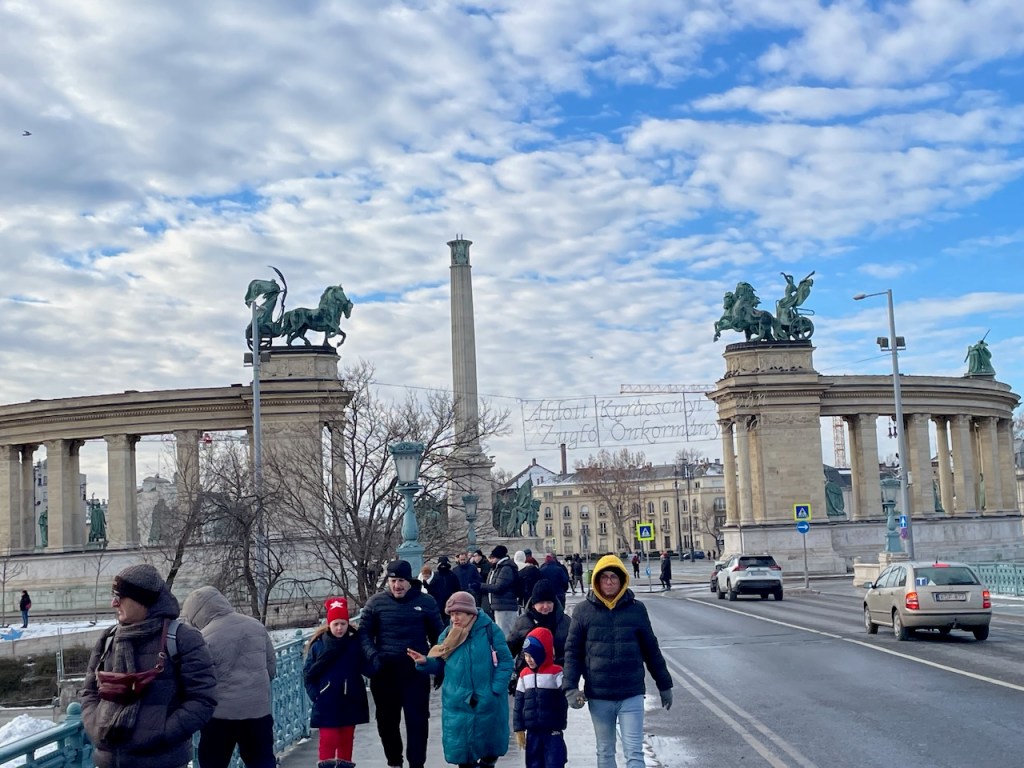
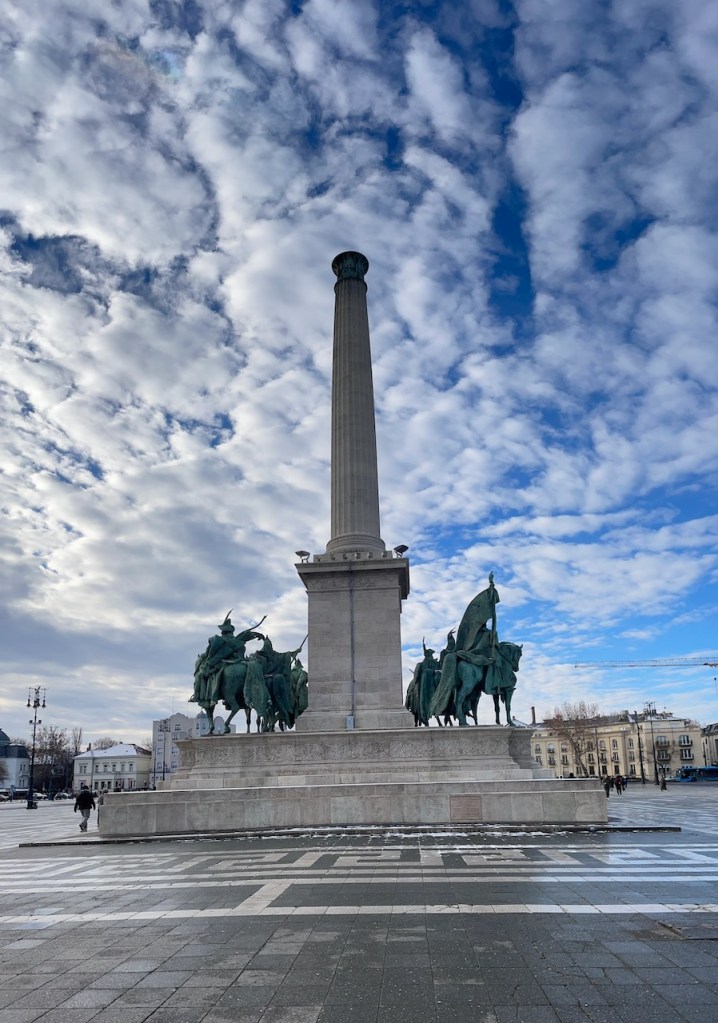
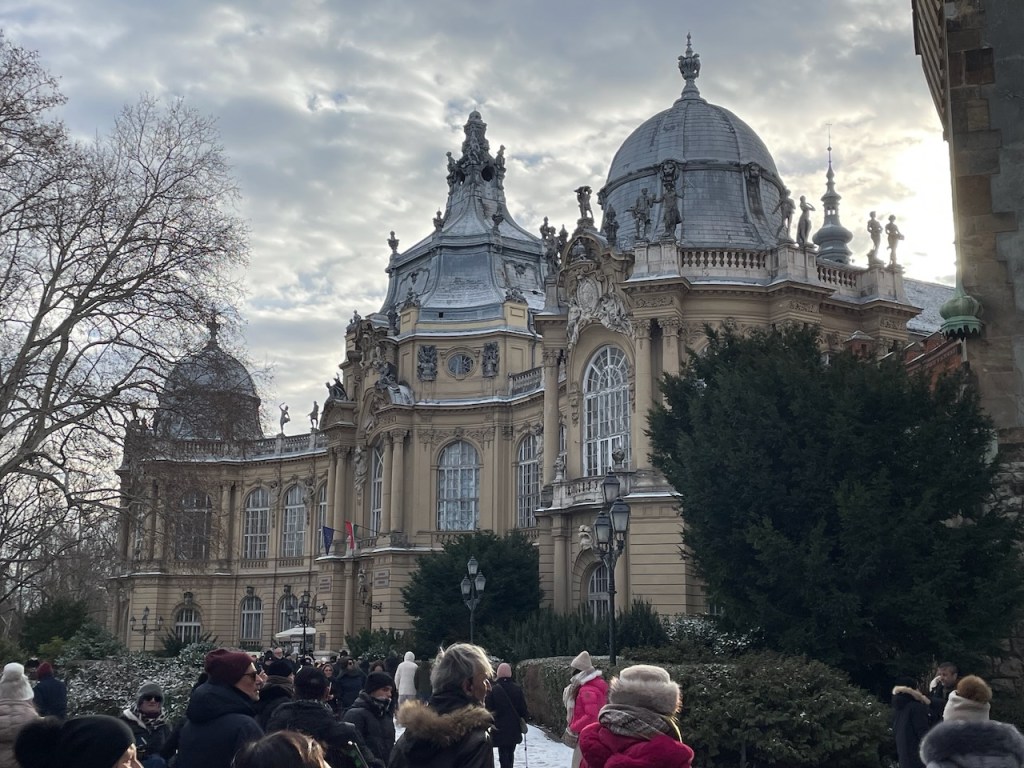
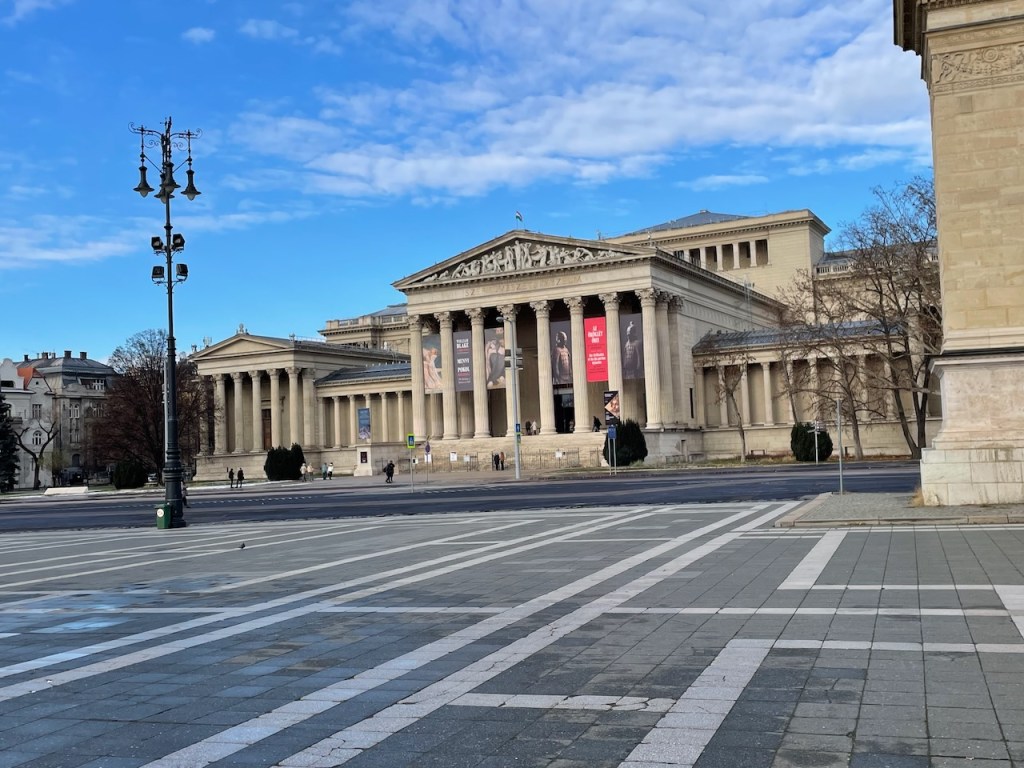
Heroe’s Square is one of the major squares in Budapest, with monuments and statues featuring the Seven chieftains of the Magyars and other important Hungarian national leaders, as well as the Memorial Stone of Heroes. It also is home to the Palace of Art, the Museum of Fine Arts, and of course the Museum of Pretty Good Arts as well as the Museum of Arts That Only the Artists’ Mothers Could Love.
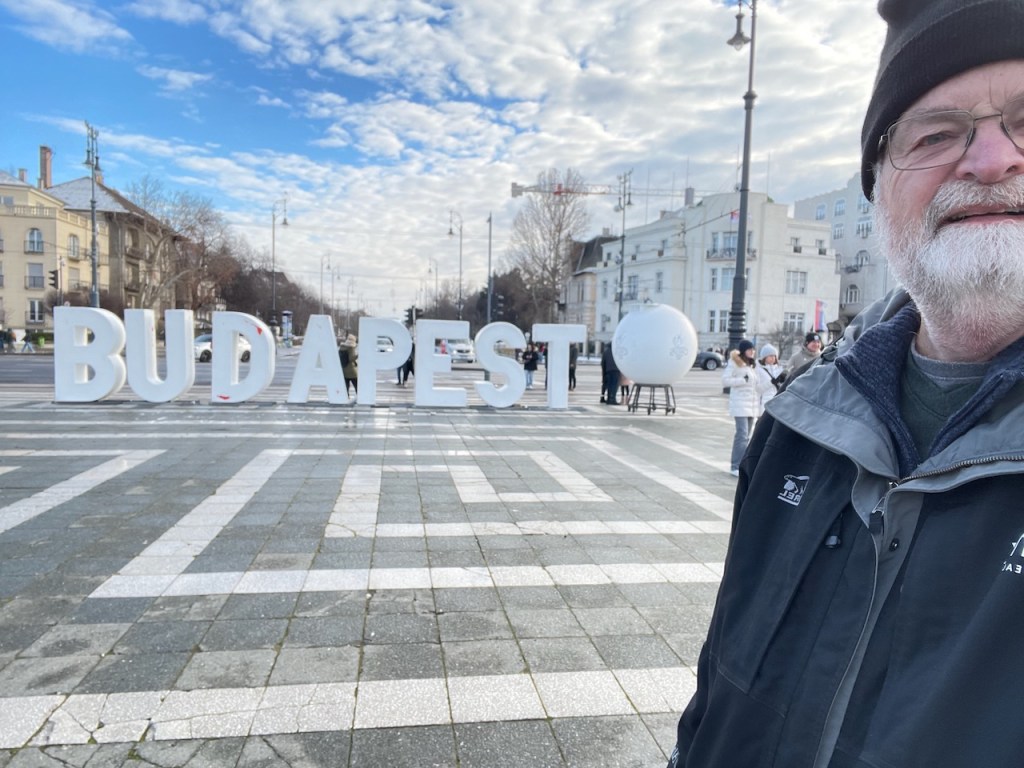
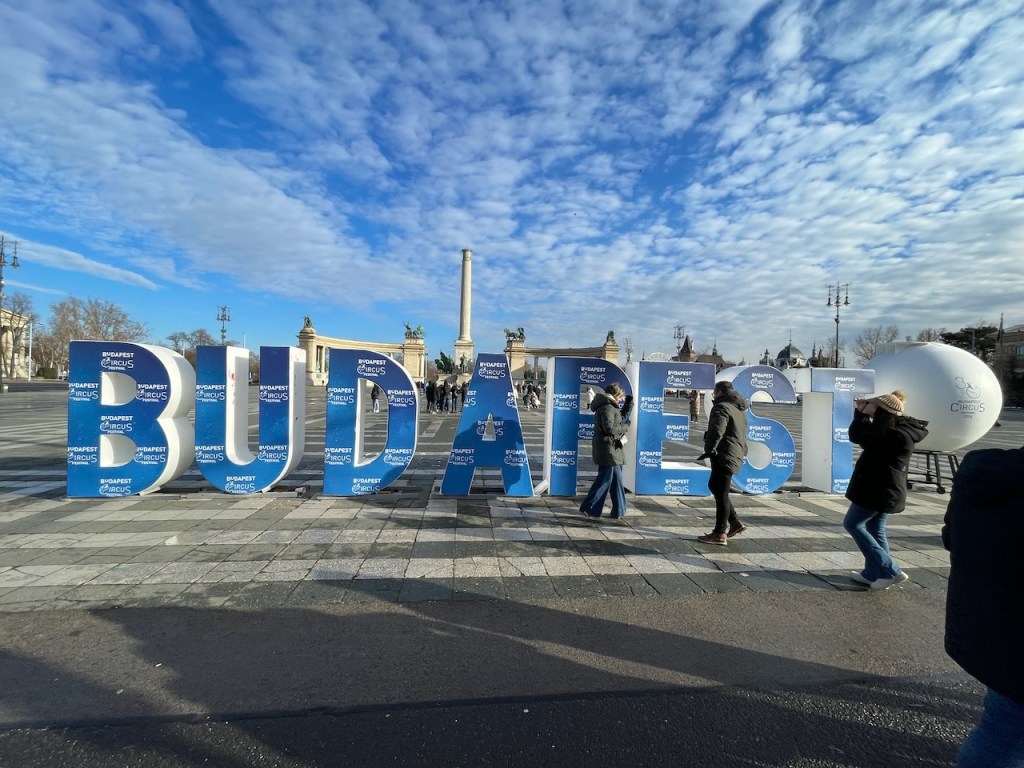
Once again they make sure you remember what city you’re in, but like a lot of these kinds of signs there’s usually a crowd of people waiting to get their picture taken in front of it. I tricked them all by taking a picture from behind and then just mirroring the photo on my computer. See, I’m not as dumb as I look. I am a bit stupid, of course, which is different.
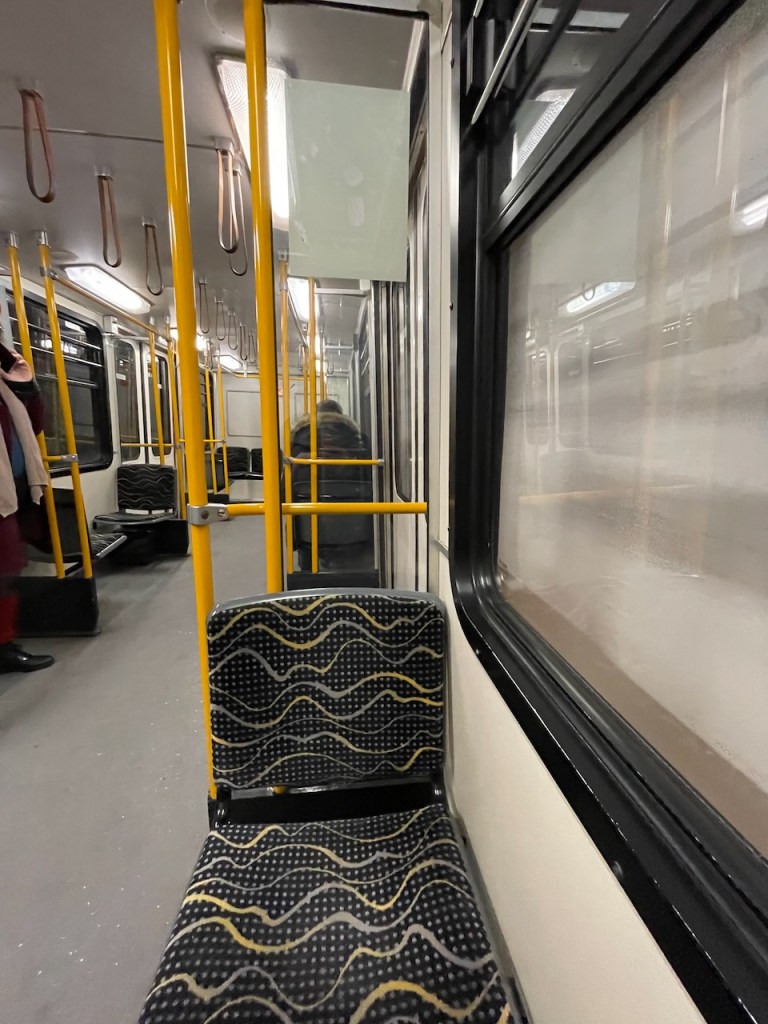
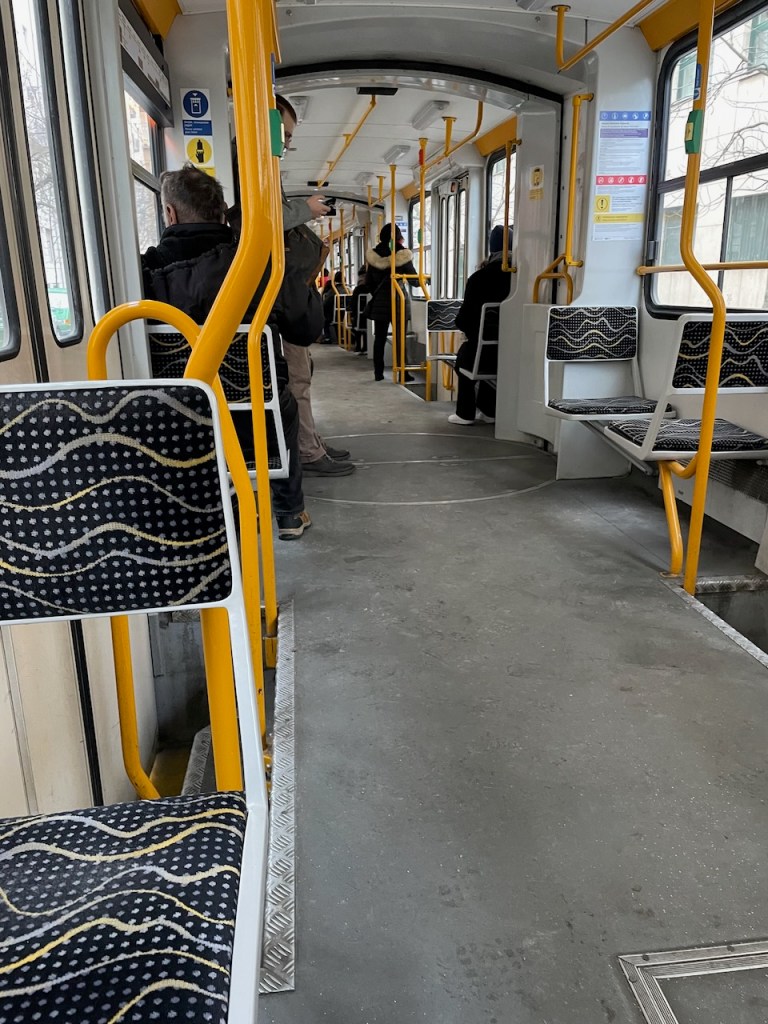
I made good use of the free mass transit by just hopping on random buses to see where they’d take me. That’s the official version, but the truth is I’m really bad at mass transit so I’d take what I thought was the correct bus, and as soon as it starting moving I’d check my phone to see which direction I was headed. This meant that most of the time I got off on the next stop because I had gotten on the wrong bus. You’d think the odds would be 50/50, but initially I only successfully went the correct direction about a quarter of the time. Eventually that started to make sense to me because there are four main points on a compass, and sometimes I ended up heading west when I wanted to go south. Which also sometimes led to me getting off the bus, looking around, and thinking, “well, this is interesting here anyway.” Despite the free transit, I still walked 14 km (about 8-1/2 miles) the first day. I can’t hardly imagine how far I might’ve walked if the mass transit wasn’t free because I knew I could never figure out their ticket-dispensing machines. I actually can’t conceive of wandering about Budapest without taking advantage of the mass transit, even if you’re just a young pup (as everyone younger than me is) and have to figure out the complicated ticket-buying thing.
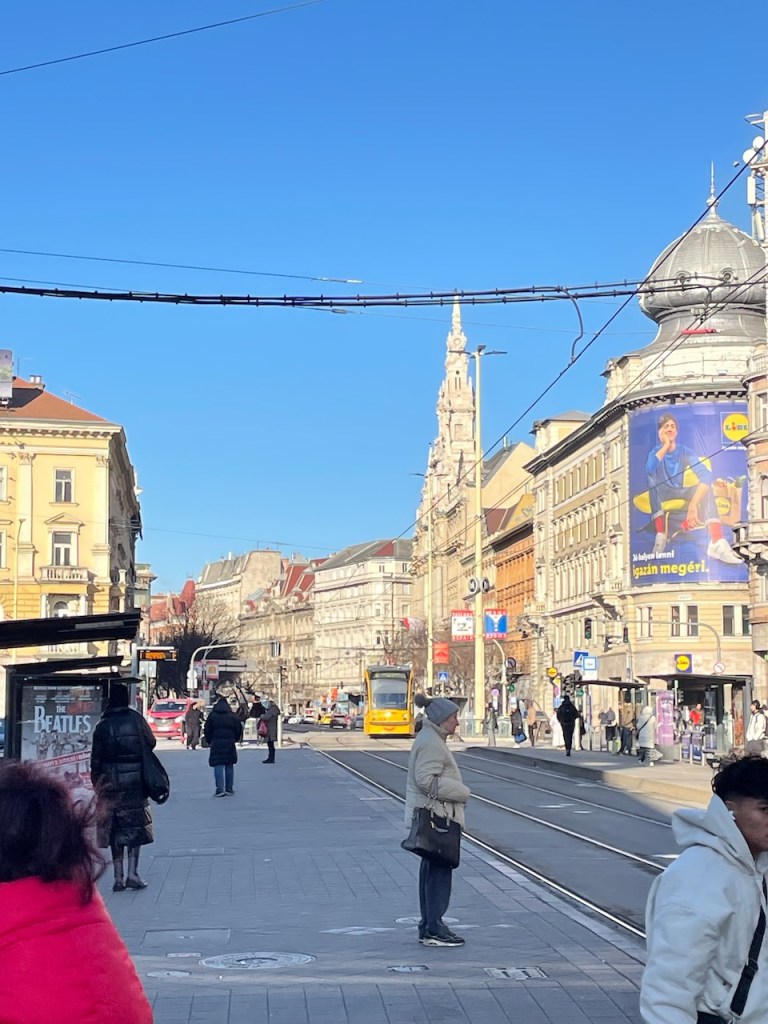
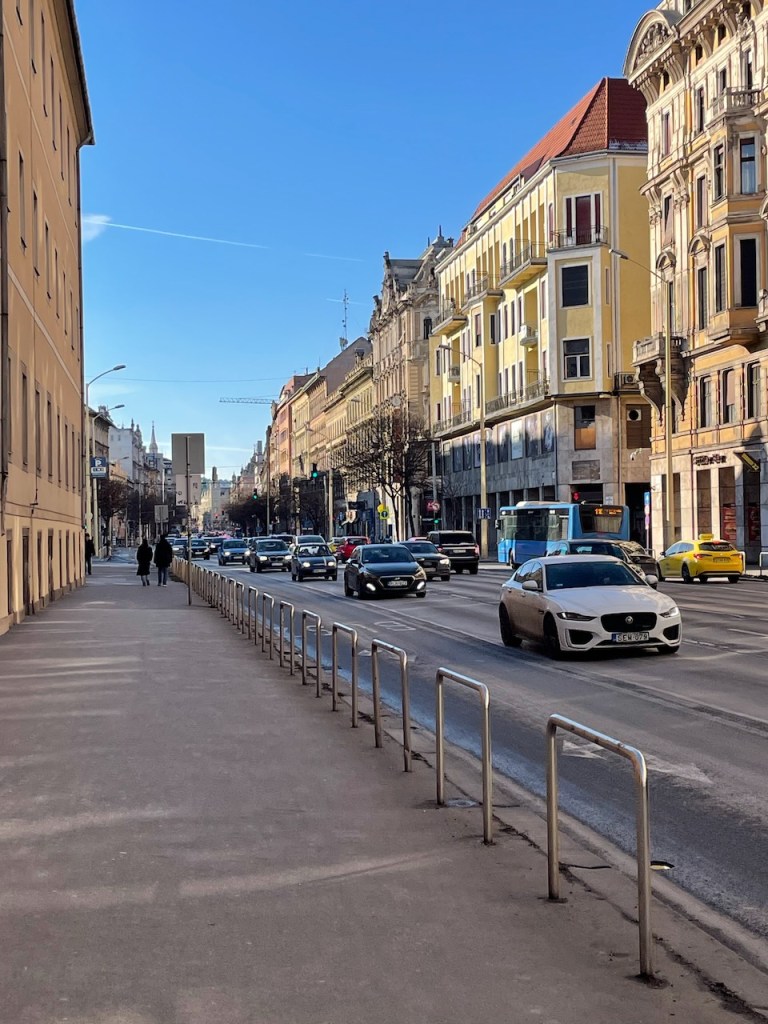
Budapest is about the same geographic size as Lisbon, although thankfully much flatter. I’d also say it has more interesting buildings and such to see over a wider area. That’s part of what put the mileage on my shoes (in Europe, is it kilometerage?). I’d get off the bus, look around, say “ooh,” and wander off gawking at various buildings, forgetting all about my original bus plans. It didn’t feel like there was any real hub or central spot for tourists, just an interesting cityscape no matter where you turned. And I got turned around a lot.
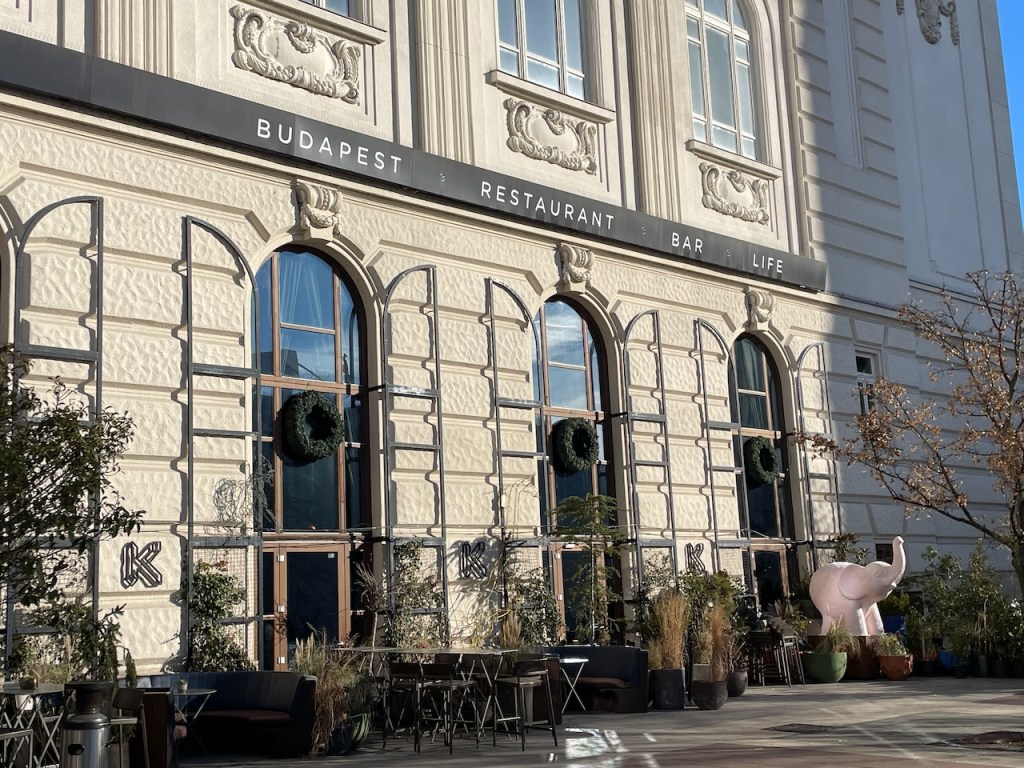
I did have to wonder whether this establishment was a combination restaurant and hospital, or perhaps a place for the undead to have life restored to them, or maybe Hungarians just play a lot of the game Life. It could also be that Life Cereal is really popular here, I know Mikey would like it, he likes everything. (For those not experienced in ’70s American commercials, that’s an old TV ad reference and is quite a hilarious one so go ahead and emit a knowing chuckle now.) Anyway, I didn’t go in because I didn’t want to be mistaken for a zombie and end up with a rectal probe or whatever they do to restore life to the undead.
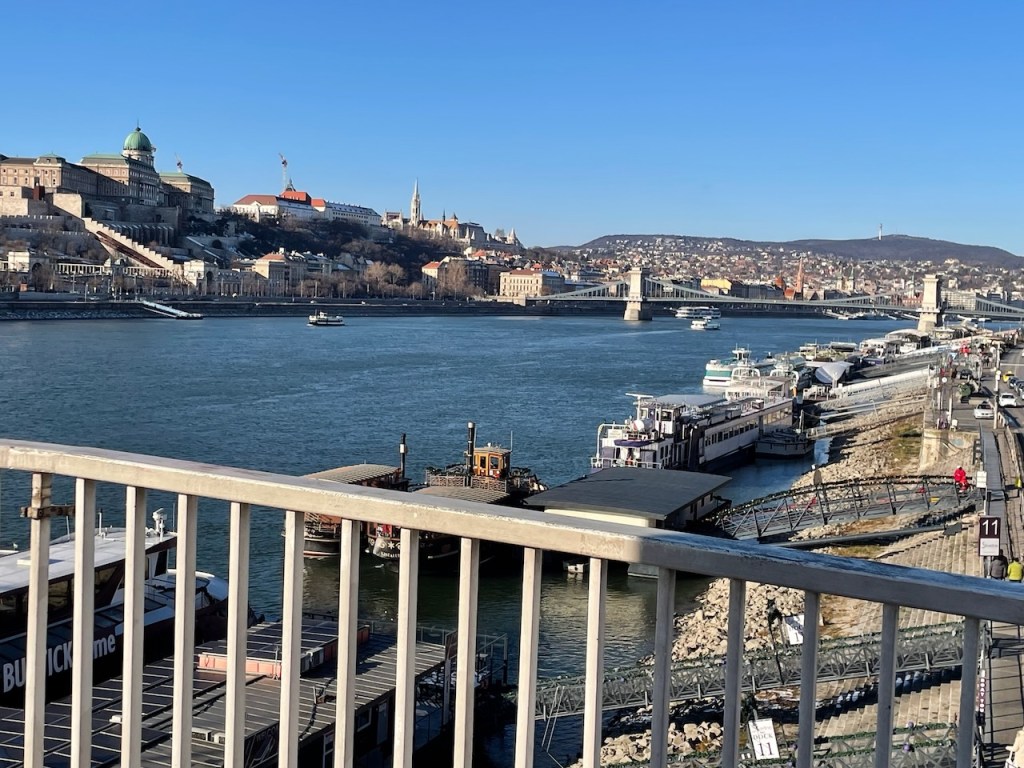
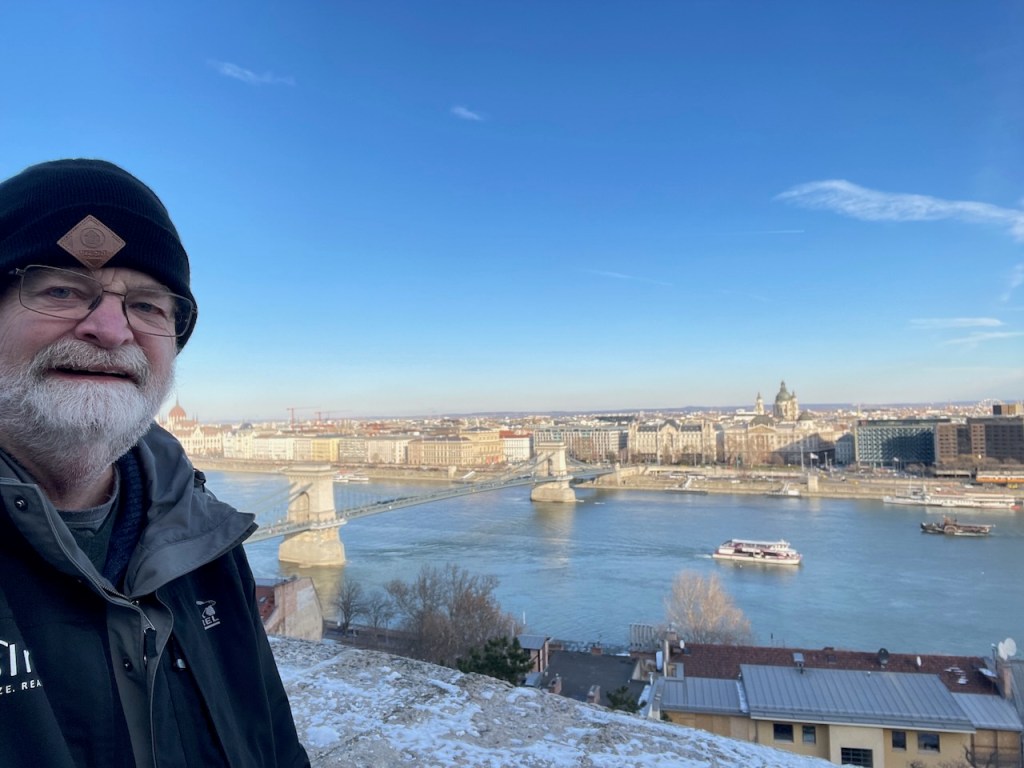
Most major old cities are built next to a great river, because they are essential for growth, crops, toilets, squirt guns, and I guess sometimes water. It seems we’re supposed to just call this river the Danube, not the Danube River. Apparently, it is a little snooty and doesn’t want to be thought of as just another river. At one point it did lobby to be called the more formal Danielube, but that was a bridge too far for most Budapestlings, plus it sounded a little too much like a sex thing. Sometimes you just gotta stand up to vain bullies, but they did agree to leave off the “river.”

The Danube is the second-longest river in Europe, after the Volga in Russia, but no one cares about Russia anymore so that’s another reason why the Danube River just wants to be known as the Danube. After originating in Germany, it flows through Austria, Slovakia, Hungary, Croatia, Serbia, Romania, Bulgaria, Moldova, and Ukraine, making it one of the most multilingual of rivers. Surprisingly, I didn’t see any tour boat offers to Ukraine.
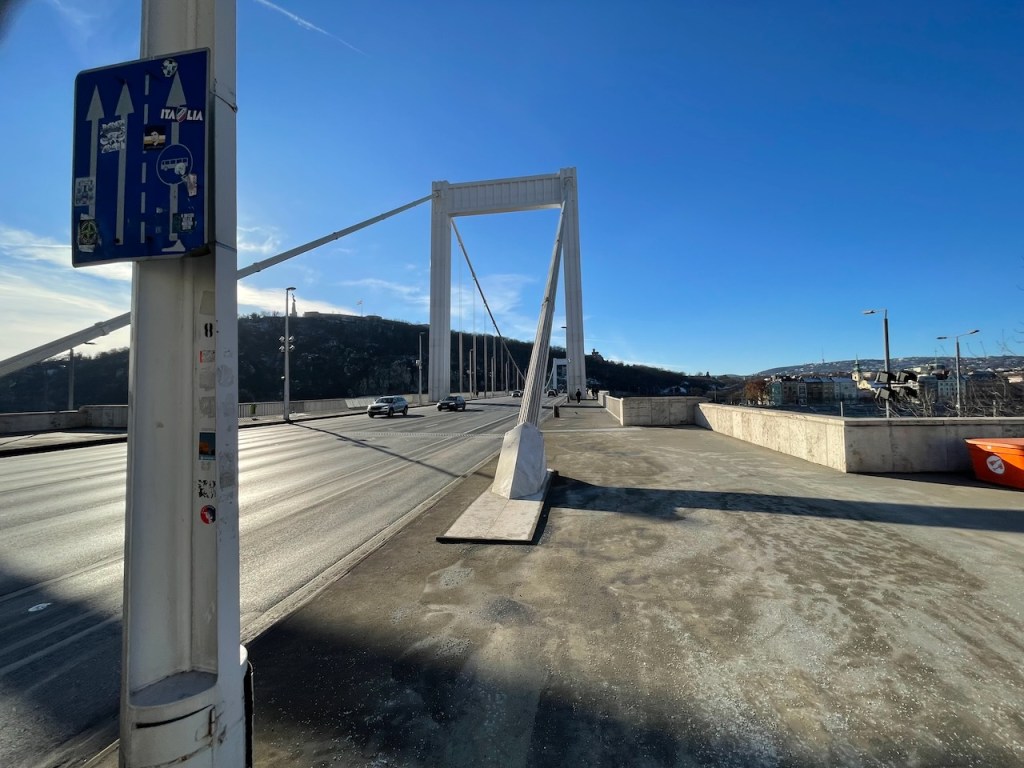
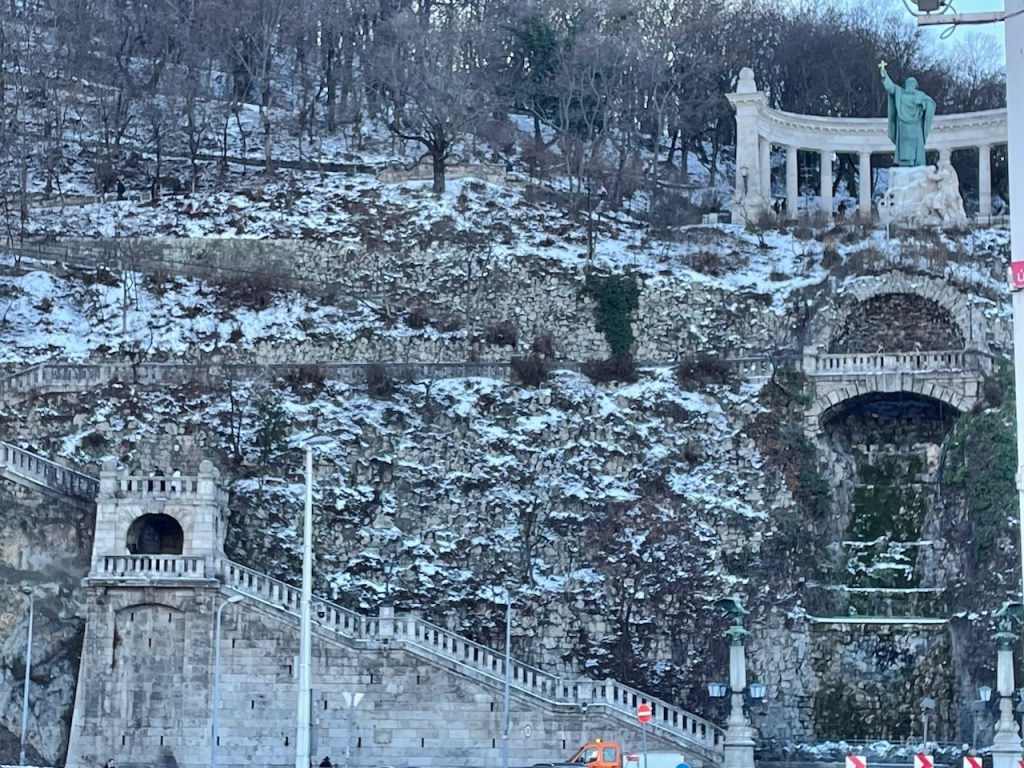
One of my many random bus stops included seeing this bridge and the buildings on the other side. I got off the next stop in order to walk over the bridge (and watch the bus I was just on go zooming by in the same direction) in order to better see the Gellért Hill Cave Church, which is a Catholic church that’s particularly holy because it’s inside a hole. It was originally a natural cave used by the Monkees to practice their music. What? Oh, sorry, it was used by monks. You know, I’d never want to become a monk just so I could never be called a monk. They really need a better name.
So! I try to keep these entries down to a certain size so as not to disincentivize anyone living in a society dominated by two sentence texts with a lot of acronyms. So that means this is part one, and part two, The Hungar Returns, will be coming to a computer, tablet (or worst-case scenario because everything is too damn small), phone, near you! Stay tuned for the exciting finale!

(Scroll down to see previous entries.)
If Denmark had a middle name, it would be “Efficiency.” Den Efficiency Mark.

My good friends Per and Pia invited me to Copenhagen to experience a genuine Danish New Years, which is different than any other country’s New Year’s because they’re not Denmark. It was my fourth visit To Den Efficiency Mark, and while I’ve been thoroughly impressed each time with the efficiency of the Danish systems as well as the happiness of their citizens and the markedness of their dens, they managed to impress me all over again.

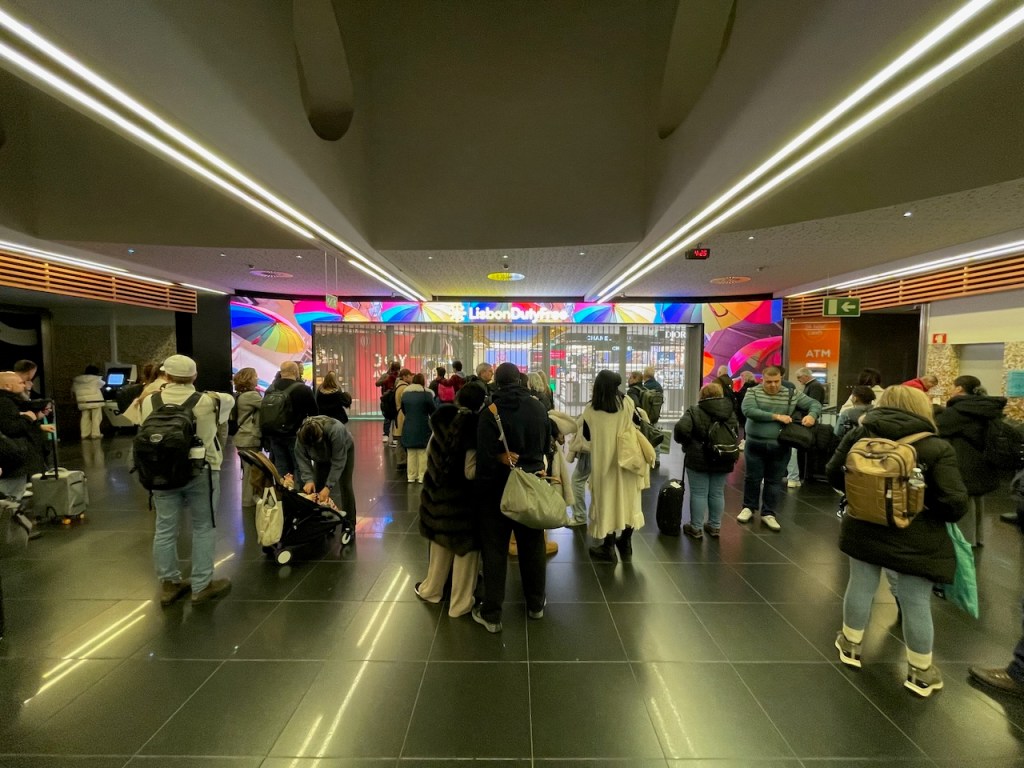
The trip got off to a rousing start at the Lisbon airport, when, after the crowd made its way through security, we were funneled into this room that ended with a locked gate. Most of us then took a nearby escalator down because that was the only way available and we were following someone’s lead like lemmings, but then we collectively realized it was a dead end: a room with no unlocked exits. So we followed ourselves back up the escalator, and stood around some more in confusion and hoping we weren’t all in the Stupid Group. Turns out the authorities just hadn’t opened the gates yet, but it was the only way in, and there were no signs or workers to abate our confusion. And I’ll be damned if I know where all the other travelers ahead of me in security ended up because there weren’t nearly as many people waiting there as were ahead of me in the security line. I’m guessing they were sacrificed to the Lisbon Airport gods because Lisbon Airport has had its share of difficulties lately, and obviously the gods needed to be appeased. I was glad I hadn’t rushed to the front of the line.

While I love Portugal and its people, efficiency isn’t exactly part of the country’s credo. They, along with every other country in the world, could learn a lot about efficiency from all the Nordic countries, including and maybe especially Denmark.

Apparently on New Year’s Eve, most Danes don’t want to be bothered with doing a bunch of cooking for their parties because, you know, they want to party! It’s New Year’s Frickin’ Eve! Christmas is different because you’re cooking for family and after twenty minutes even the most patient of us starts looking for excuses to get out of the living room and away from farty ol’ Uncle Frank ‘n Beans.

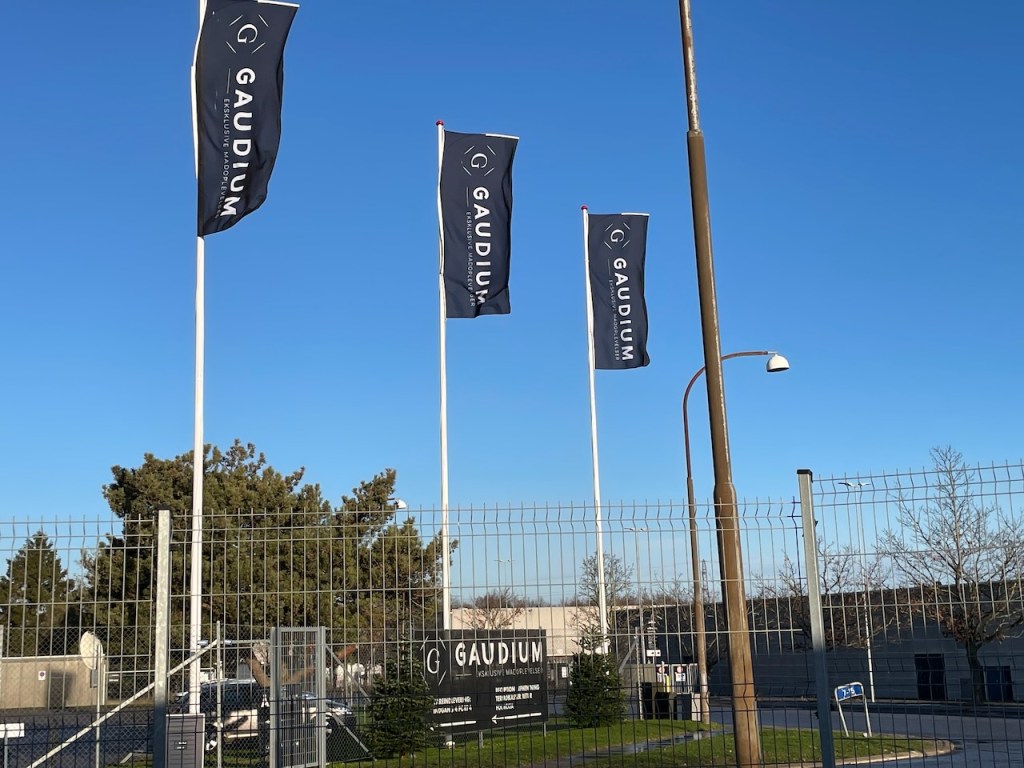
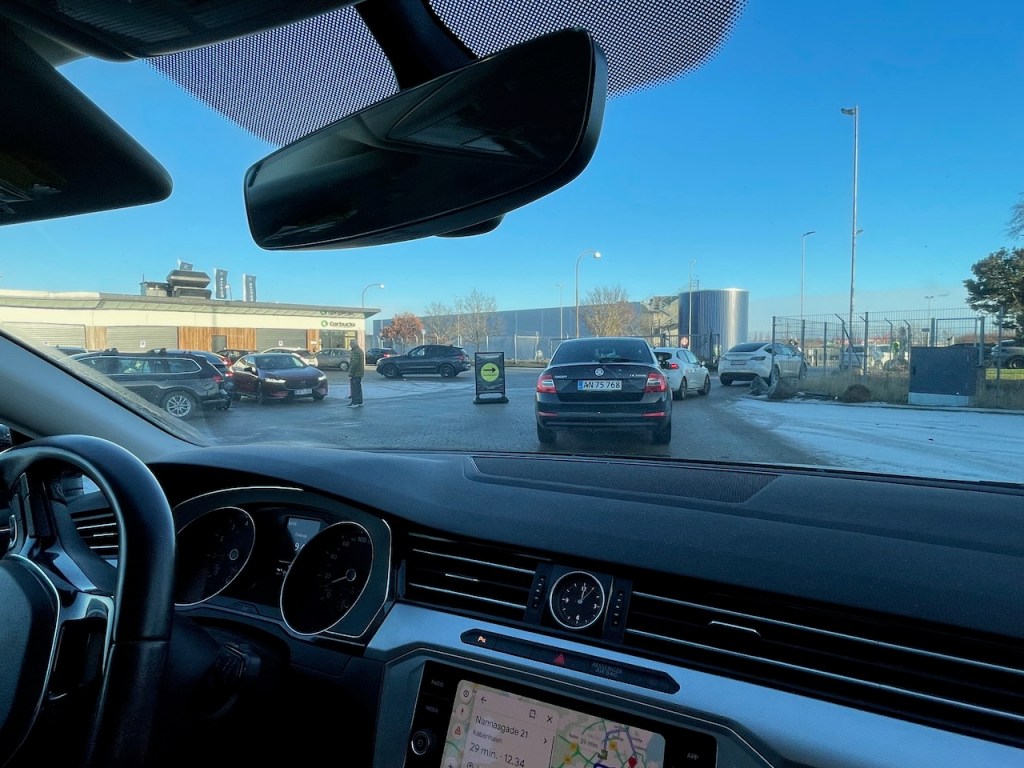
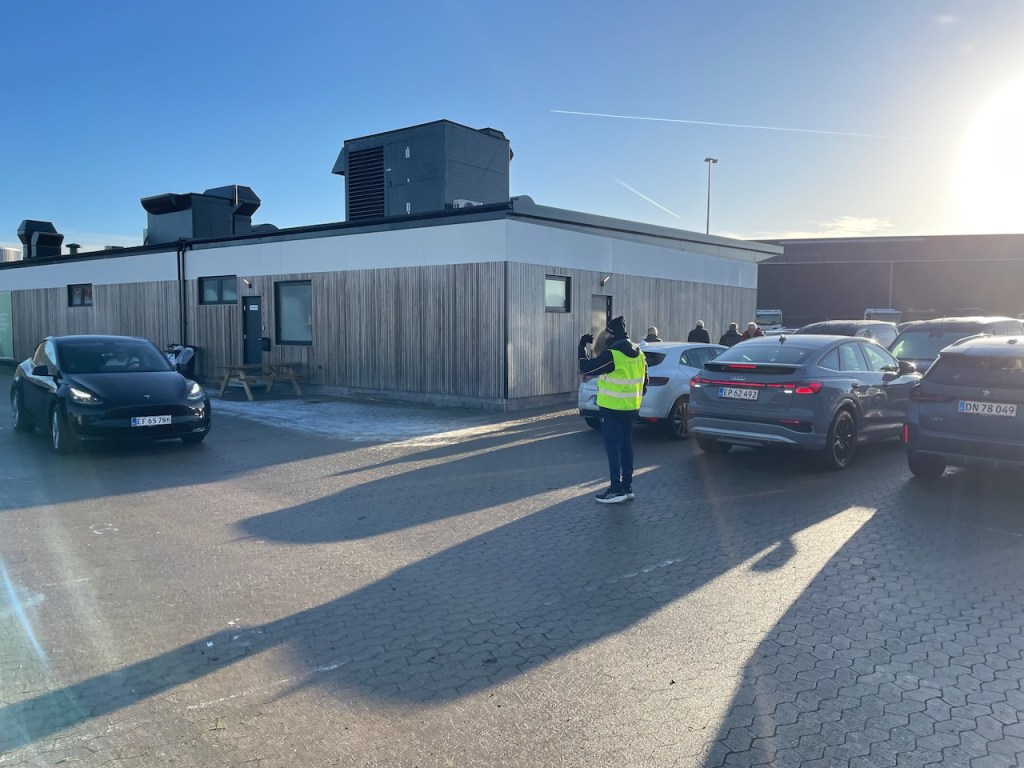
Per and I were tasked with driving to pick up a meal for his son, so I thought we’d be stopping at some Chinese restaurant or the like. But instead we ended up in a line of cars as if queuing for a Black Friday sale in the states, albeit without all the shooting and hair pulling and cursing and name-calling and stuff. As you can see by the flags, we were at a company called Gaudium (their slogan is “Oh My Gaudium Our Food is Awesium”), and while there’s no publicly available data as to how much revenue New Years Eve represents for them, it’s gotta be something like 40 or 50%, at least from what I saw as well as heard from the speculation of Per, who basically said, “I don’t know.”

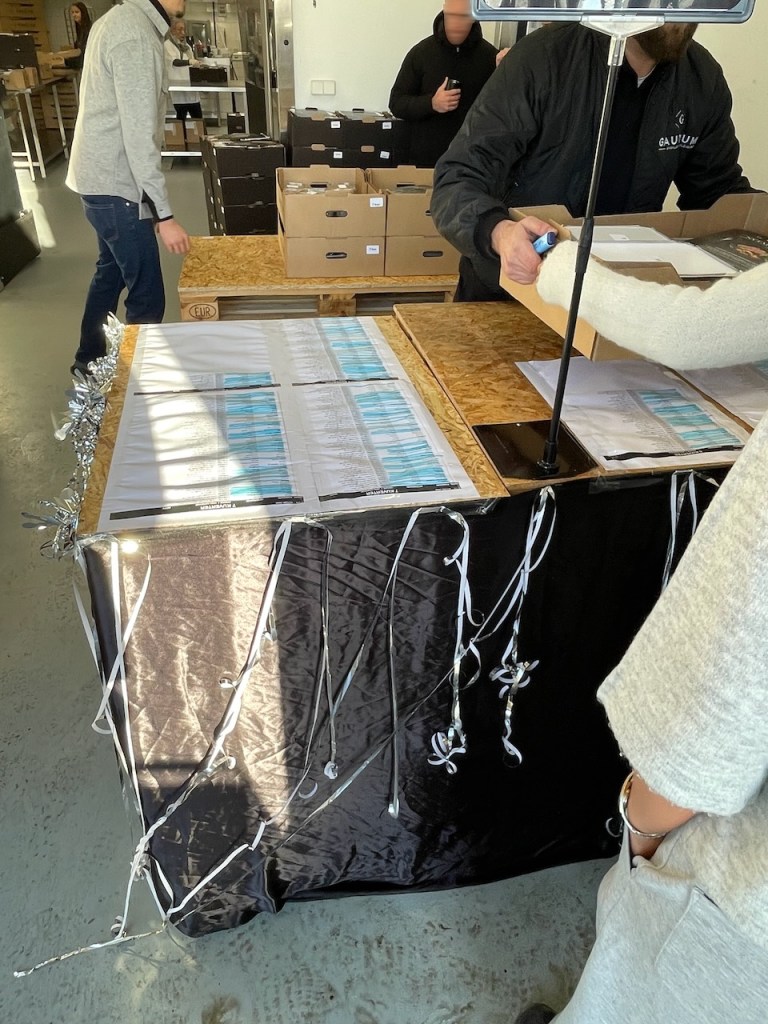
They had all these employees waving cars in and out; it seemed as if half of Copenhagen was out getting their New Years Eve meal. What astounded me was that once we parked, which didn’t take that long because they were… repeat after me, efficient, we walked into the place, which looked like an office in an office park. Per gave the clerk his son’s name (he did say he wanted it back though), the man scanned a list for about two seconds, turned around, grabbed a box, handed it over, and we were on our way. It all happened so fast I barely got some photos taken.

Now just imagine if, say, all the American McDonalds, which you have to admit is kind of a quintessential example of food efficiency, suddenly became the culinary tradition for New Years Eve, with an influx of customers on one day representing an order of magnitude (which is another way to order a Double Big Mac and its 780 calories) over its usual daily business. You’d have cars lined up all the way back to and onto the freeways, there’d be fist fights, all sorts of shootings, cars on fire, people screaming, protesters with signs chanting “Death to Consumerism!” while being harassed by big-bellied people deriding them for being woke and smelling like patchouli. And you’d still have to wait in line for three hours to get your food.
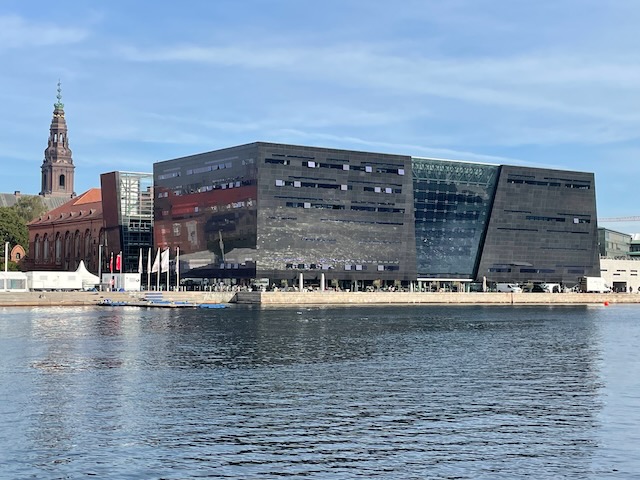
Yes, Denmarkian efficiency is a sight to behold because nothing like that would happen in Denmark. Plain ol’ efficiency is quiet and unseen. As I write this, Donald Trump is making fun of Greenland being protected by two dog sleds. Based on what I’ve seen, those two dog sleds could probably take out a few battalions of US marines.

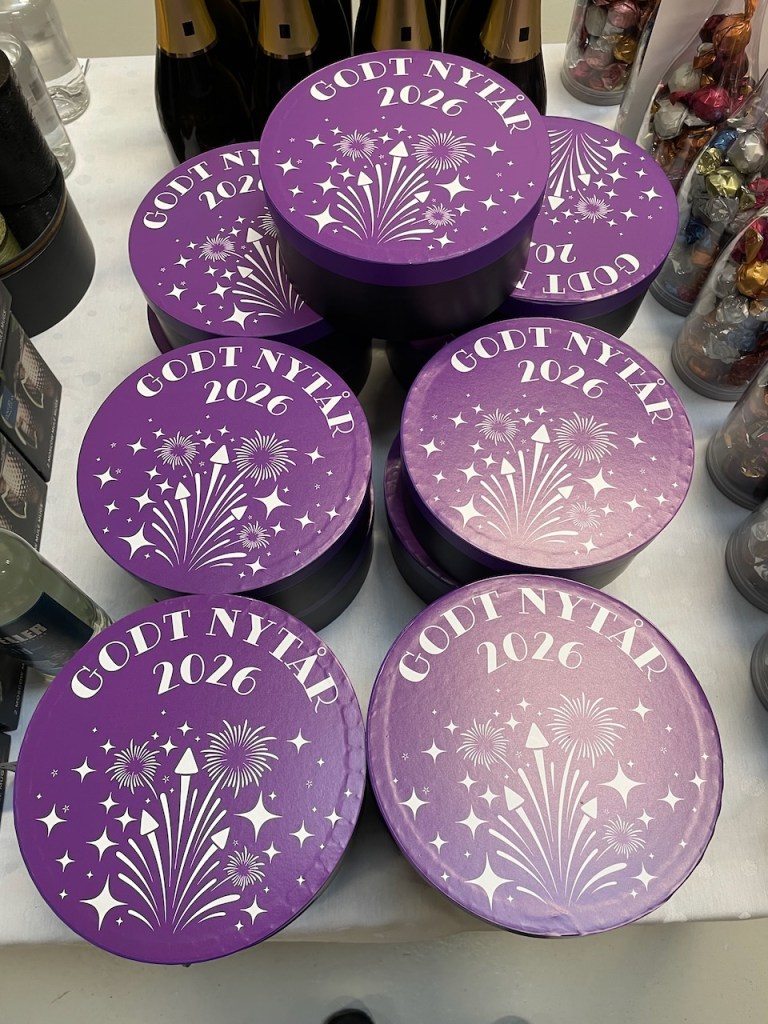
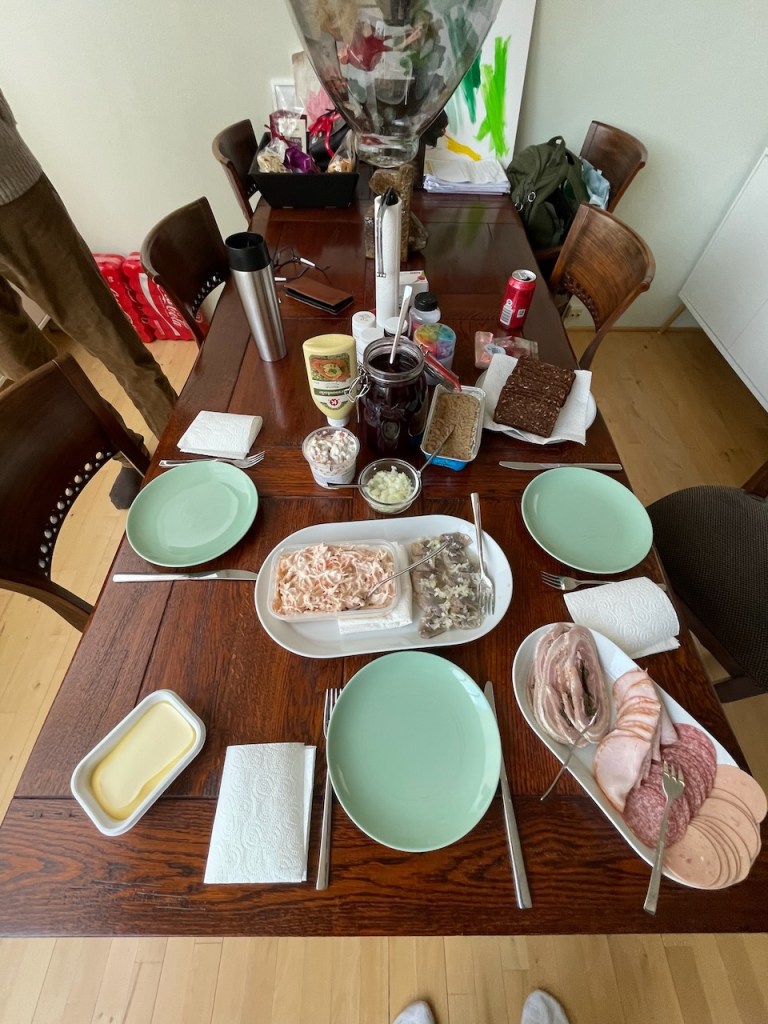
In addition to selling pretty boxes of candy with “Godt Nytar 2026” (which translates to: “God, I’m tired, is it 2026 yet?”) I’ve found the Danes to be both fastidious and traditional when it comes to eating. First of all, I learned that my ever-polite hosts were always a bit flummoxed when I woke up in the morning and served myself breakfast, like granola or whatever. They bit their tongues during my first three visits, but by the fourth they’d had enough and in the morning they burst into my bedroom, duct taped my mouth shut and my hands to the bed and told me I couldn’t come out until breakfast was ready.

Turns out they always eat breakfast together, and can’t even imagine this lone wolf strategy. My whole life I’ve just gotten up and made myself breakfast. In fact, in my childhood it was always a race to see how early one could get up after Mom’s weekly grocery shopping in order to be the first to attack the only box of Cap’n Crunch cereal, because after that all we had was Cheerios and store-brand corn flakes that tasted like used Dr. Scholl’s foot pads. But it turns out in Denmark I was inadvertently making a big faux pas that kept my hosts up all night tossing and turning. In other words, I was mucking up the gears of both efficiency and tradition, and that may be a capital offense in Denmark.

The second time I created distress (there were probably twenty or eighty others, but they’re ever so polite and reluctant to whack me upside the head except for the most egregious of transgressions), I was putting some fried onions on the meat on the open-faced sandwiches that are a Danish tradition. Pia shrieked in horror, in response to which I stood up, butter knife in hand, ready to take on the terrorist who had surely just burst into the house. Turns out that putting fried onions on whatever the meat was is perhaps akin to pouring chocolate sauce over a steak, or trying to eat soup with my fingers. It just goes to show you, no matter how many times you visit a country, even staying in the house of gracious hosts, you learn something new every time… and also make them wonder why in hell they ever invited you back.

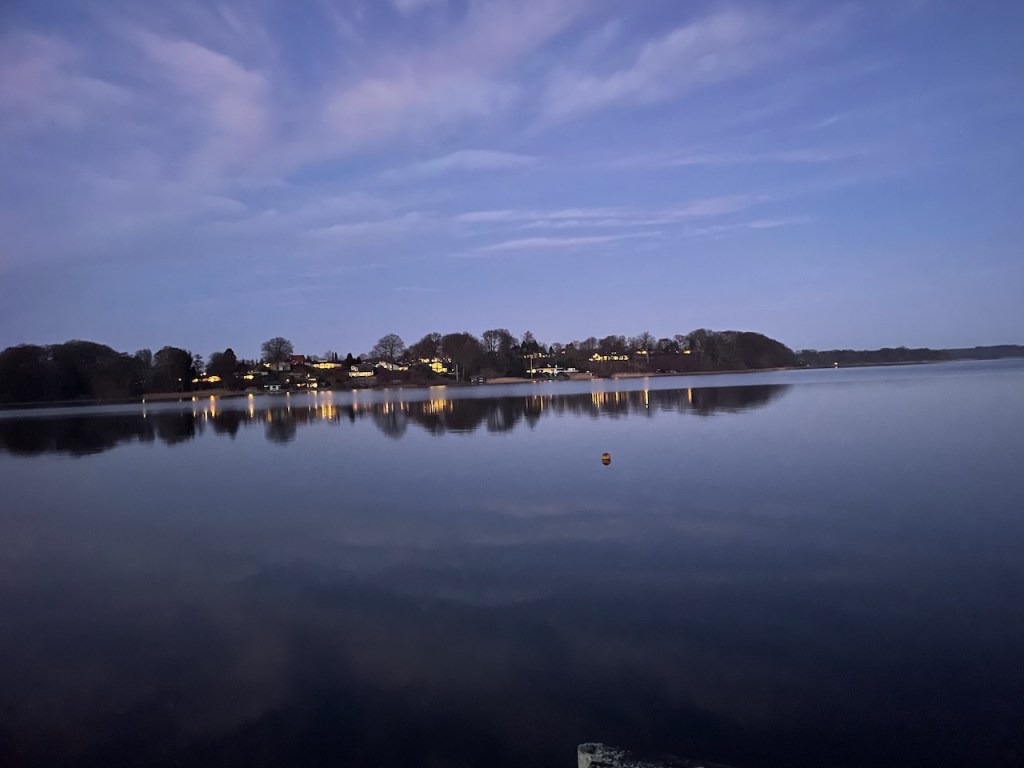
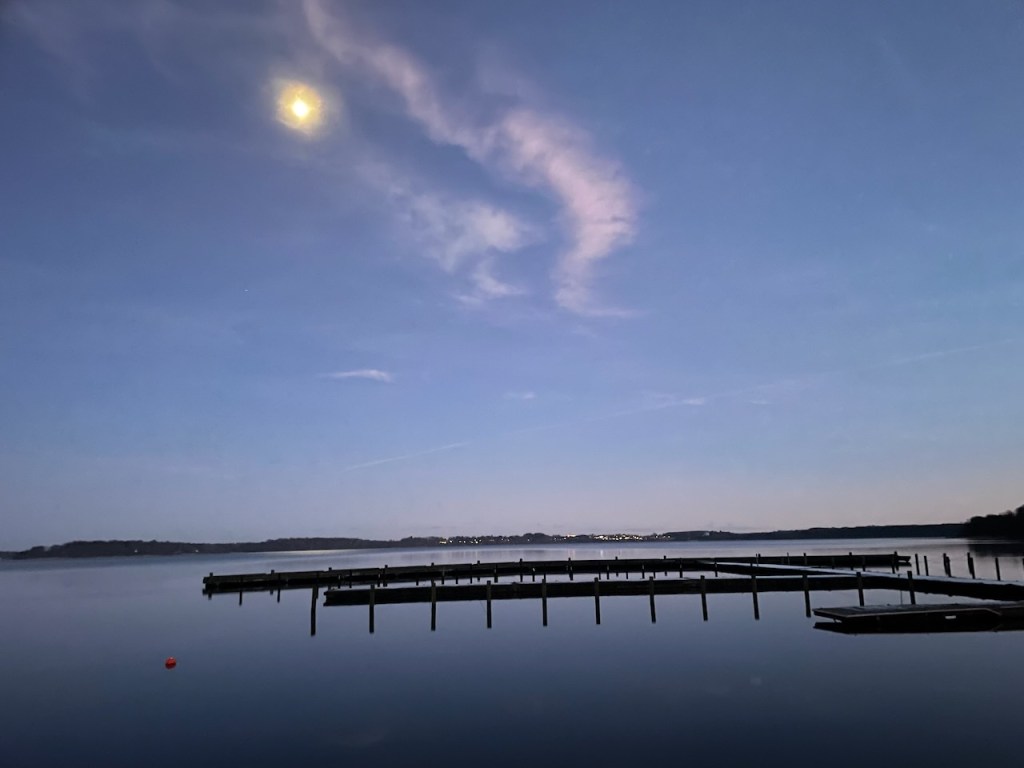
Near where they live is a lake called Furesø, with a smaller one named Farum Lake next to it. Furesø is the deepest lake in Denmark, going all the way down to the bottom. “Farum” is what an ancient Sámi answered when someone asked how deep the smaller lake went.

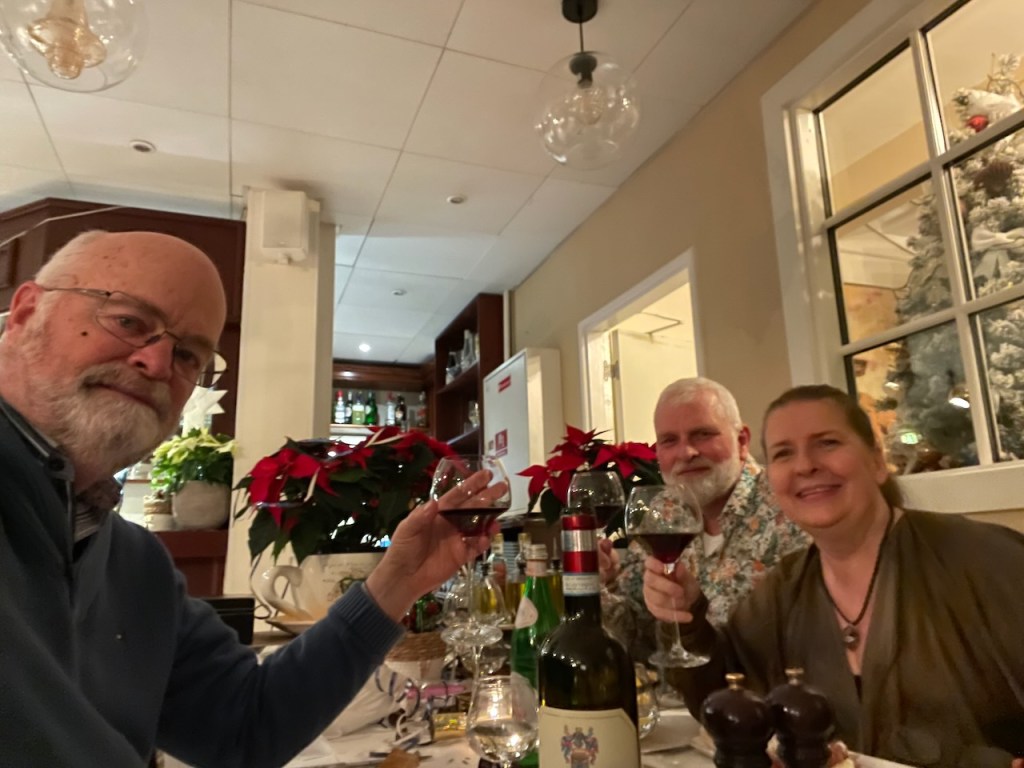
For New Years Eve we went to a fine restaurant where they served foods even I couldn’t screw up. The two major things about New Year’s Eve in Denmark is that the King makes a televised speech with about two million Danes watching, which is over a third of their population. While that’s impressive, the 2025 Super Bowl in the US had over 36% viewership, so the King’s gotta hire some cheerleaders or something to jazz up those ratings. “Yaaaaay King!” they’d squeal with their pom poms pomming and boobies boobing after he makes a particularly poignant observation. The other thing was that every single Dane, apparently, went out and purchased firecrackers and fireworks, so for two solid days one could hear nothing but pop-pop-pop! and see various fireworks jet up into the sky, only occasionally burning down buildings or setting people’s hair on fire. It was like living in a microwave with a never-ending supply of microwave popcorn being cooked.

Other than surviving the quasi military bombardment, one of the sights we decided to see was to visit the town of Malmö in Sweden. Malmö is the third largest city in Sweden, which might be worth remembering if you ever join a Professional Championship Trivia contest. Malmö used to be a bigger city, but the Vikings wiped part of it out by creating a flood, so ever since then that area is called Malnömö.

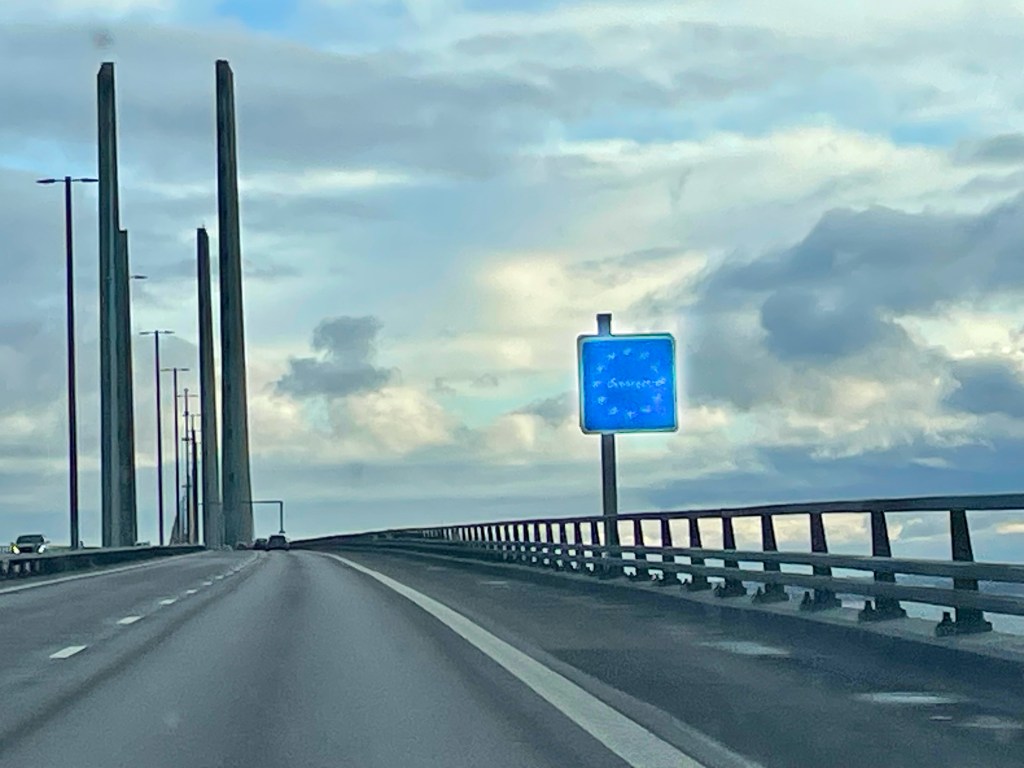
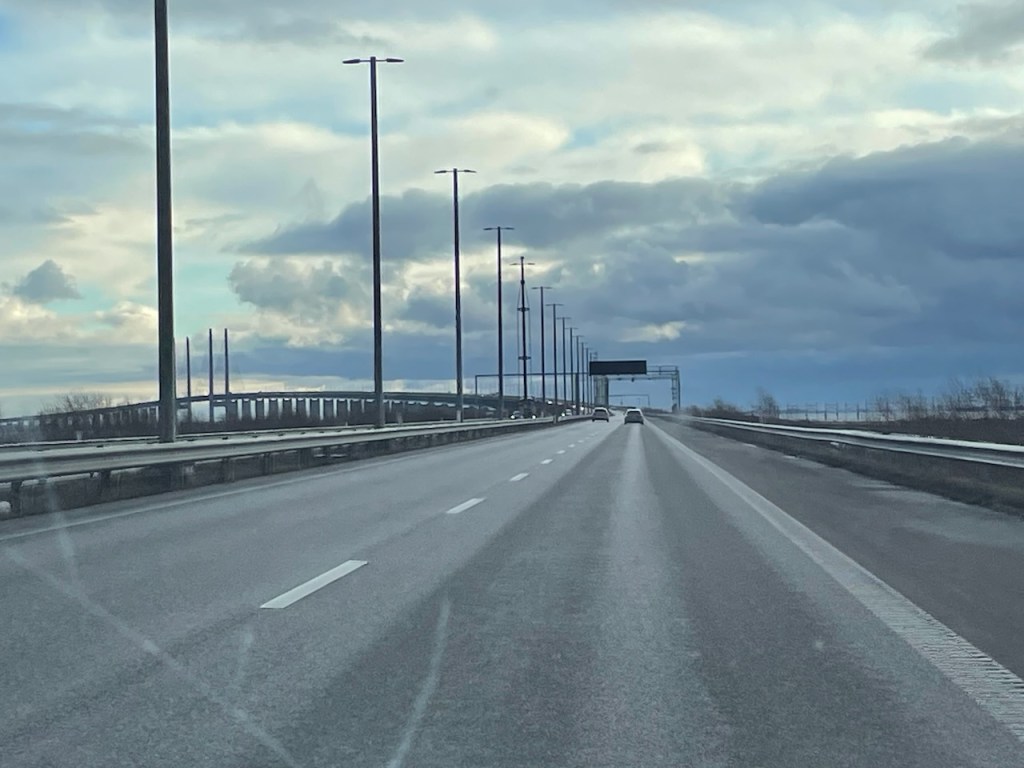
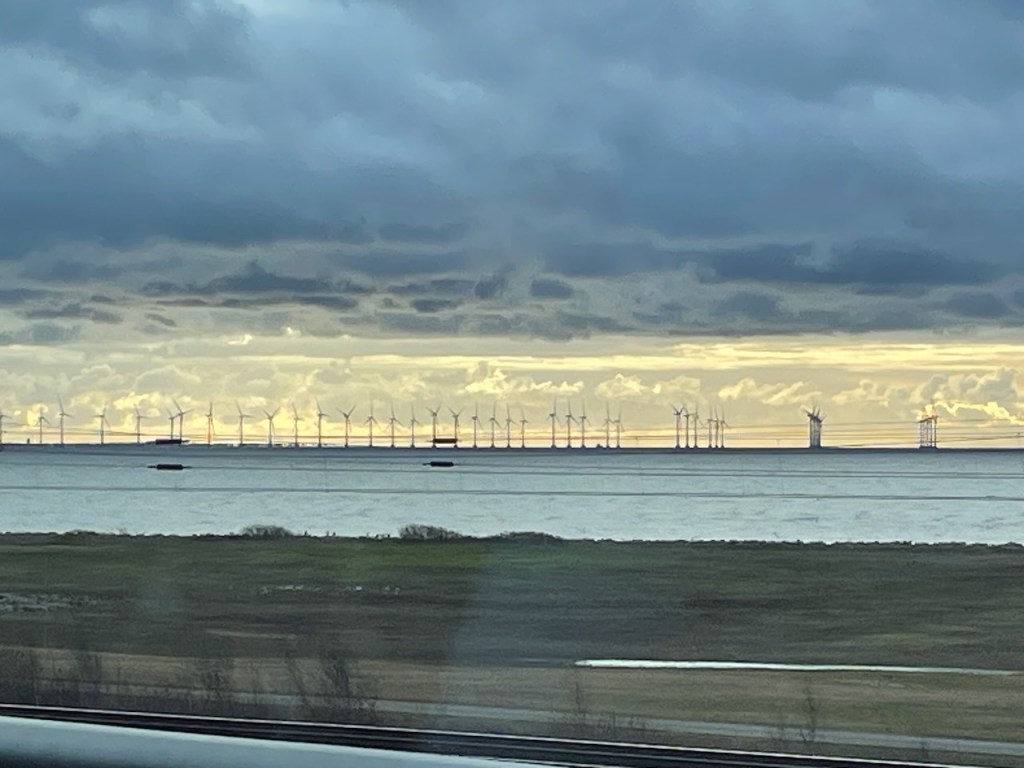
Malmö is connected to Denmark via the Öresund Bridge, which starts in Denmark and ends up in Sweden, unless you’re going the other way. You do have to rapidly change into Swedish clothes right after you cross the border, because Sweden and Denmark have made war against each other more than any two countries in the world, so the last thing you want to do is parade around looking Danish. To be safe, it’s also better to bring donuts rather than danishes.

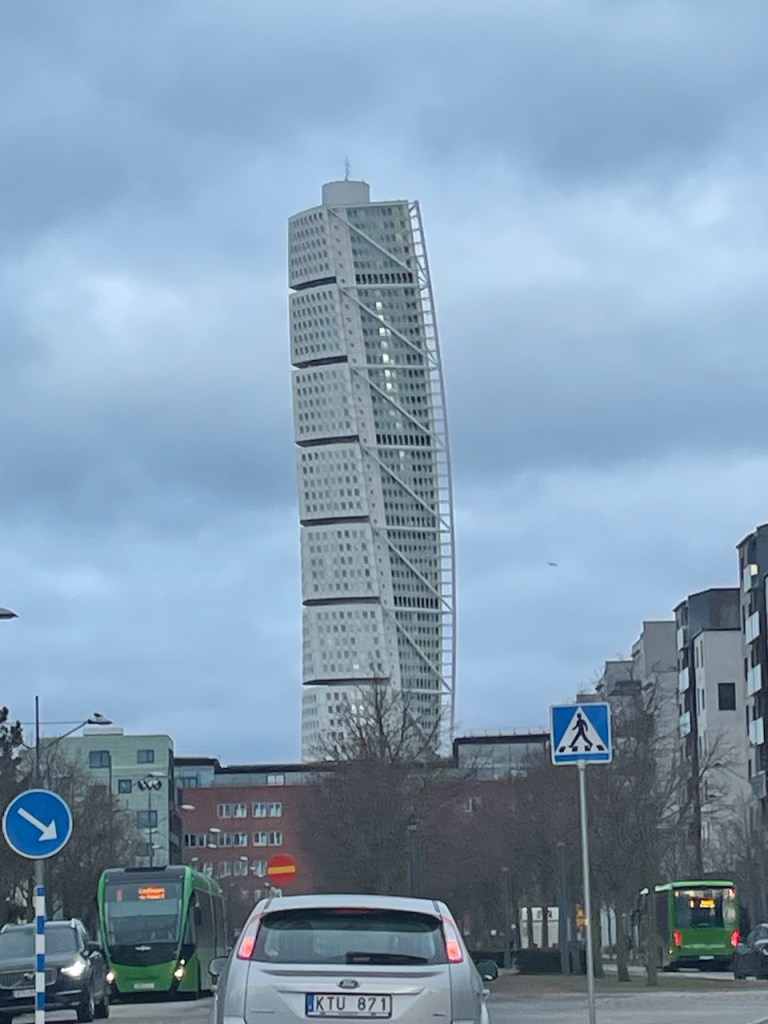
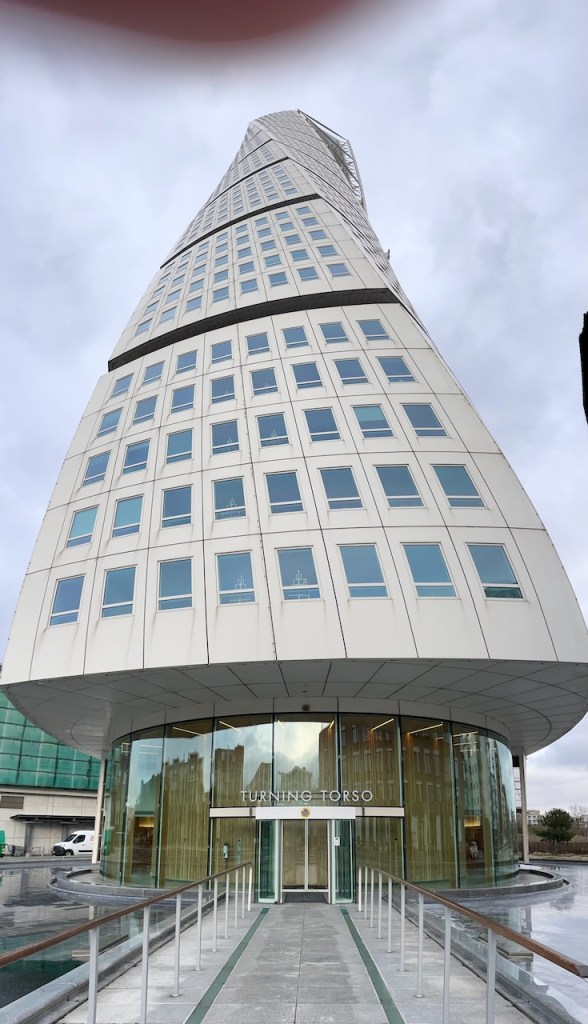
Malmö is pretty flat and without a lot of tall buildings, so this impressive one called The Turning Torso really stands out. The Turning Torso has 54 floors, with apartments, office space, and conference rooms. It’s considered to be one of the world’s most prominent skyscrapers and has won multiple international awards, including placing second in the prestigious Twistiest Building in the World competition.

This one always gets first prize, the bastards.

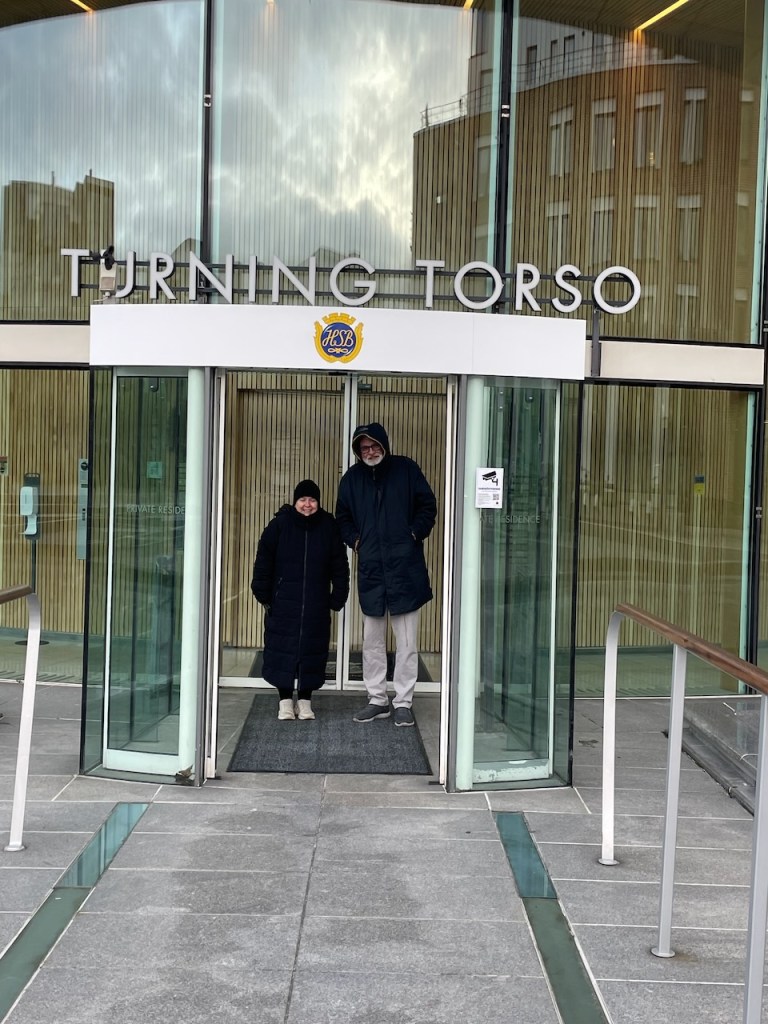
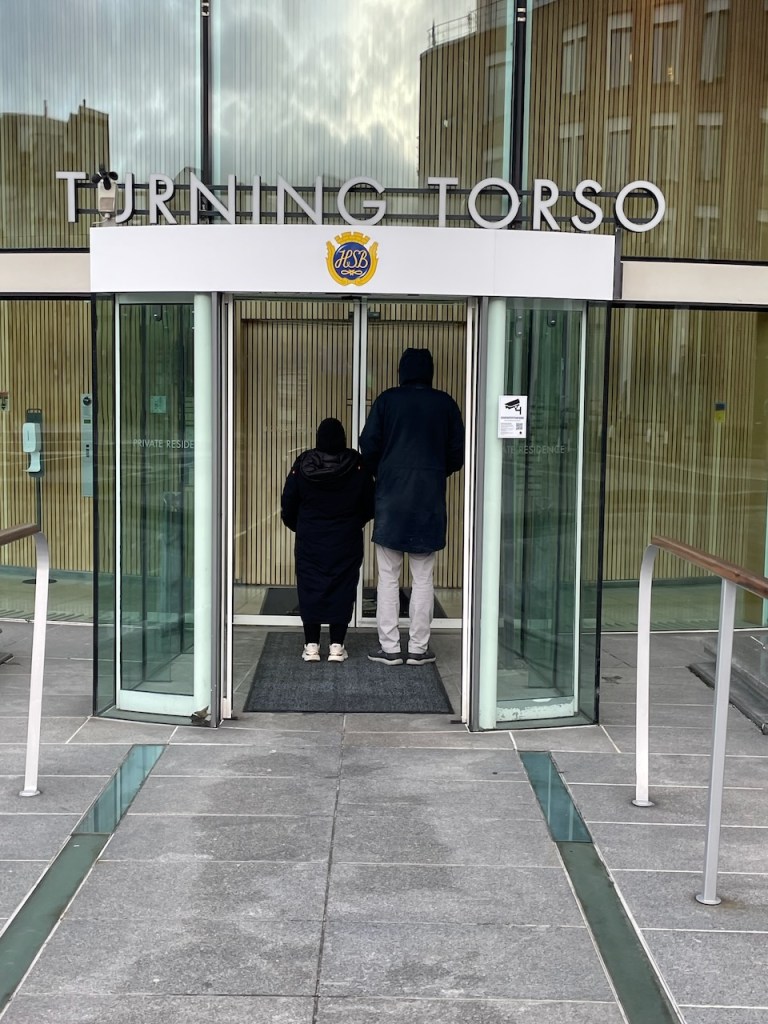
While these photos make it look like Pia and Per are turning round and round at the foot of the building, and while the building itself also looks like it turns, only the world turns. And As the World Turns, these are the Days of our Lives.

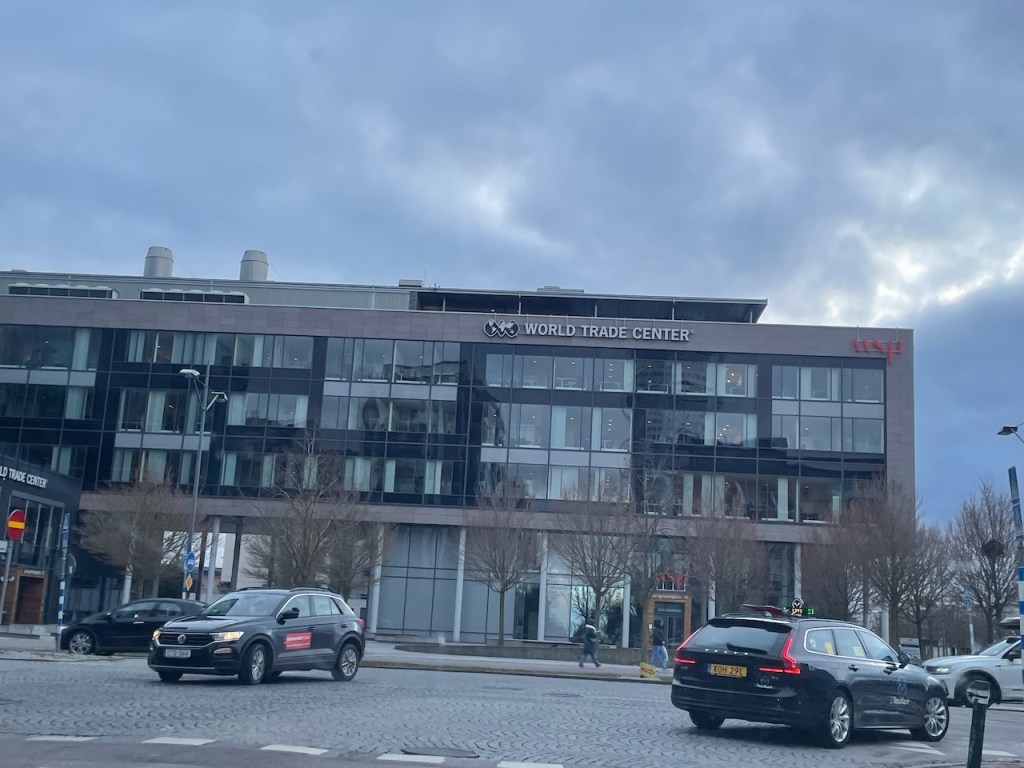
After the Sept. 11 attacks, the US government quietly moved the World Trade Center to Malmö in order to protect it from further attacks, mostly because no one’s ever heard of Malmö. Note the anti-skyscraper design for protection, too. Genius!

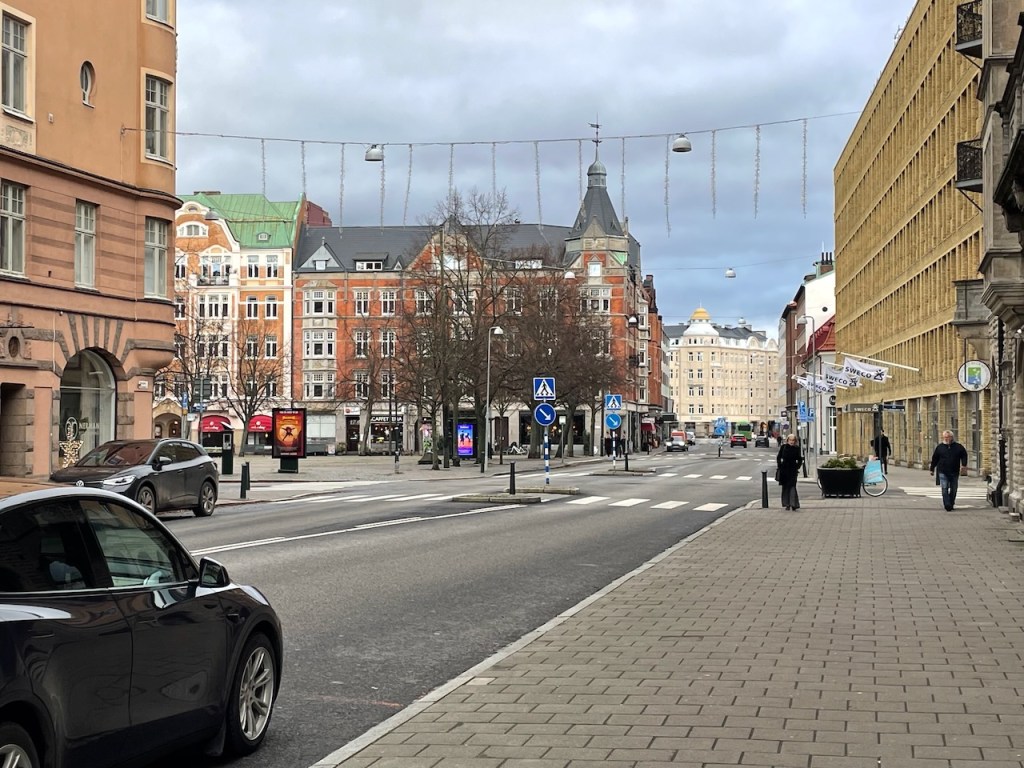
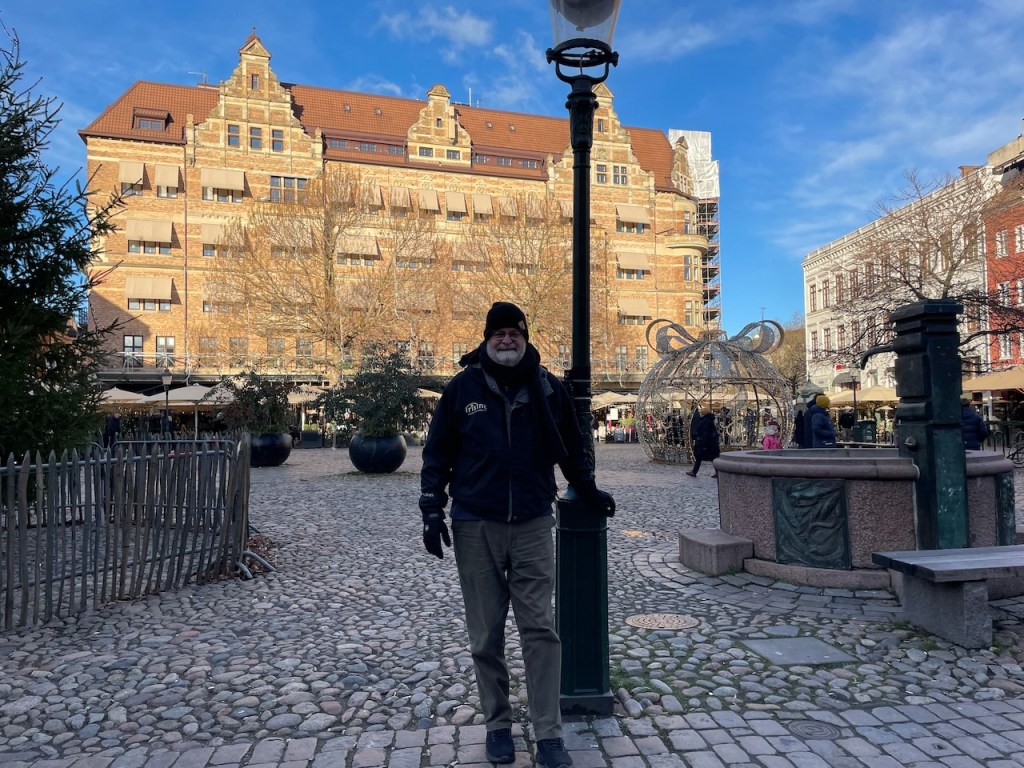
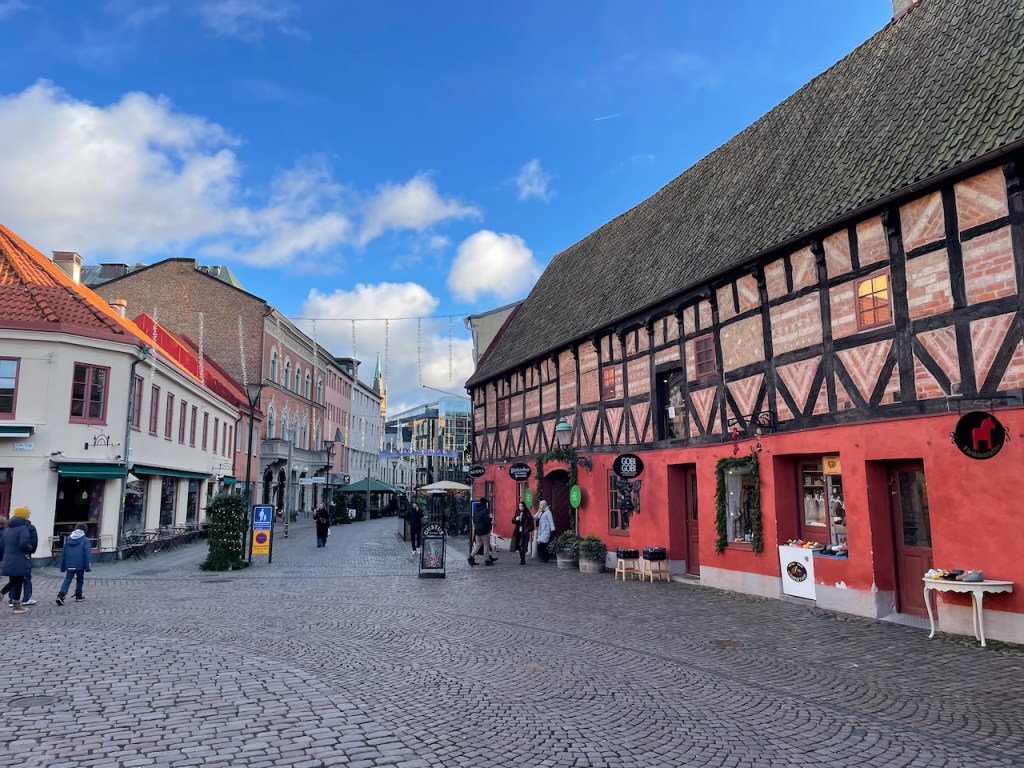
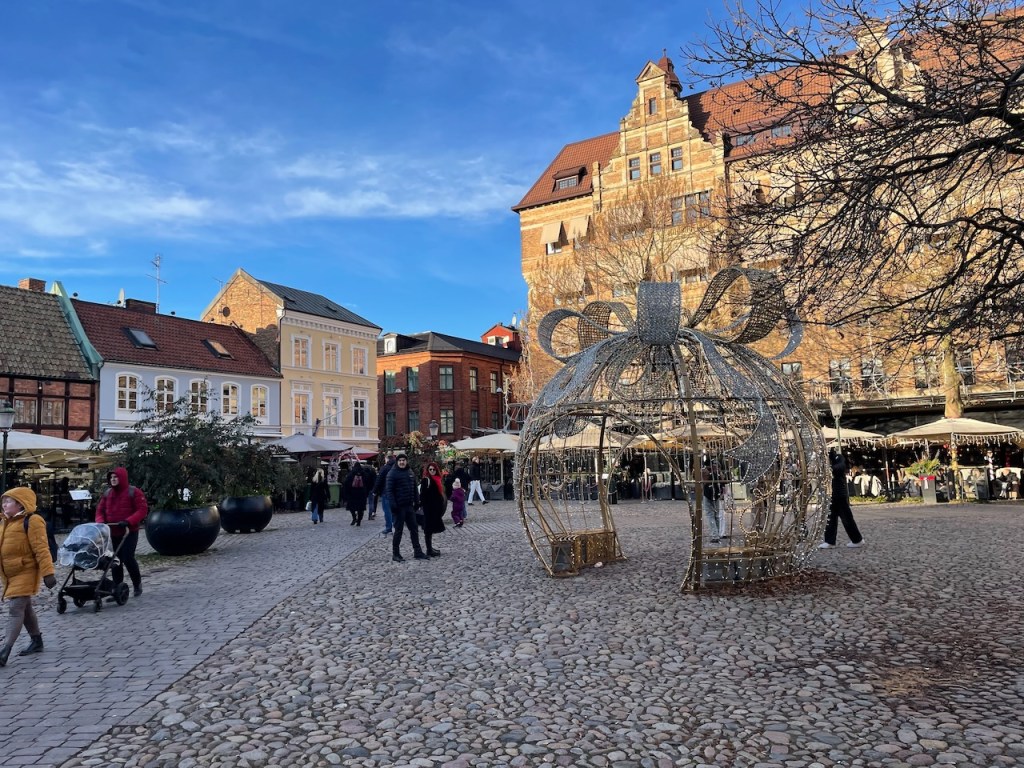
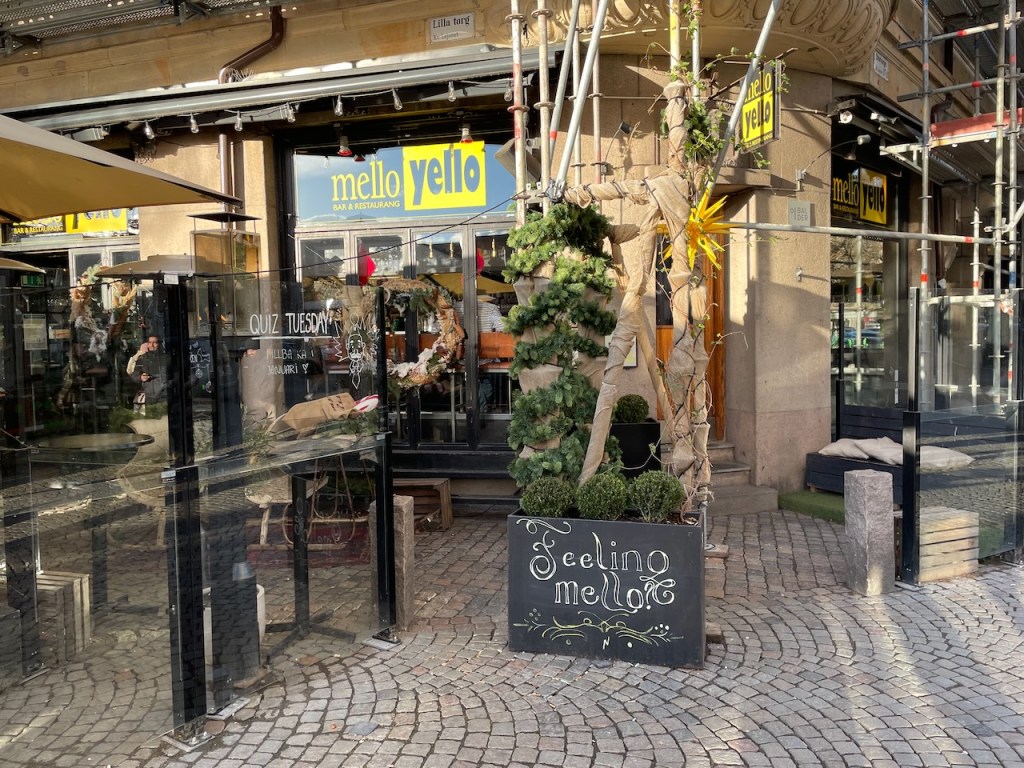
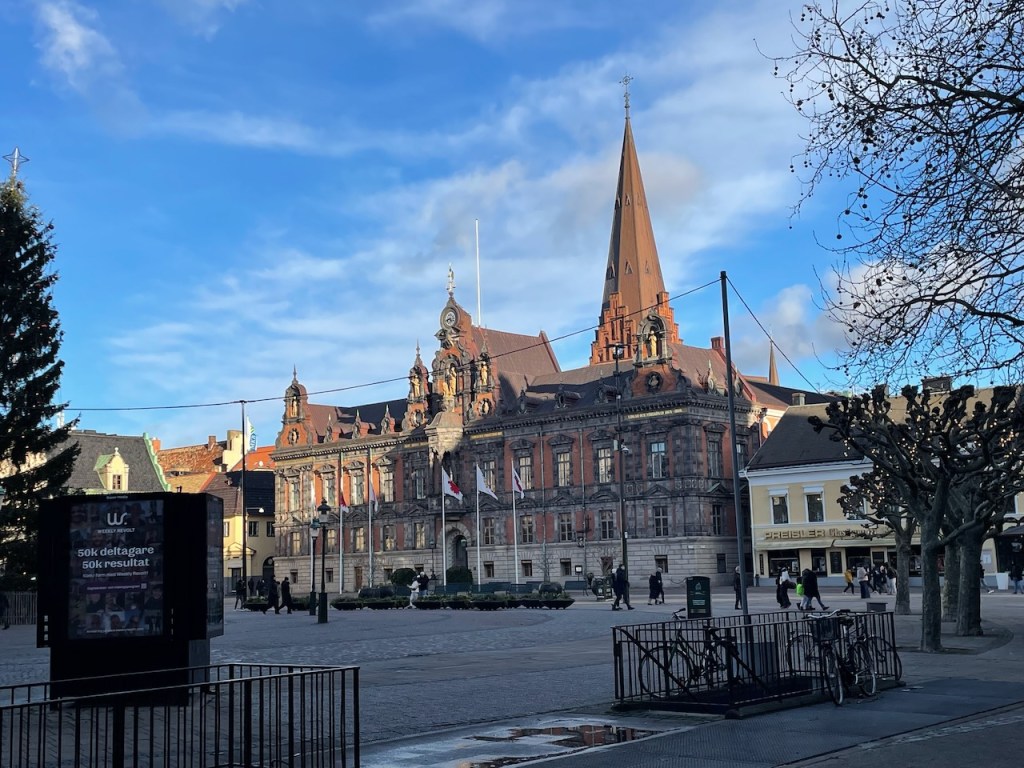
Actually lots of people have heard of Malmö, including many of the ones who live there. They do have an old town/town square area that’s charming, quaint, and old. I felt like I was on vacation again, or maybe I just felt at home because I’m also charming, quaint, and old. Well at least quaint and old. Ok, just old.

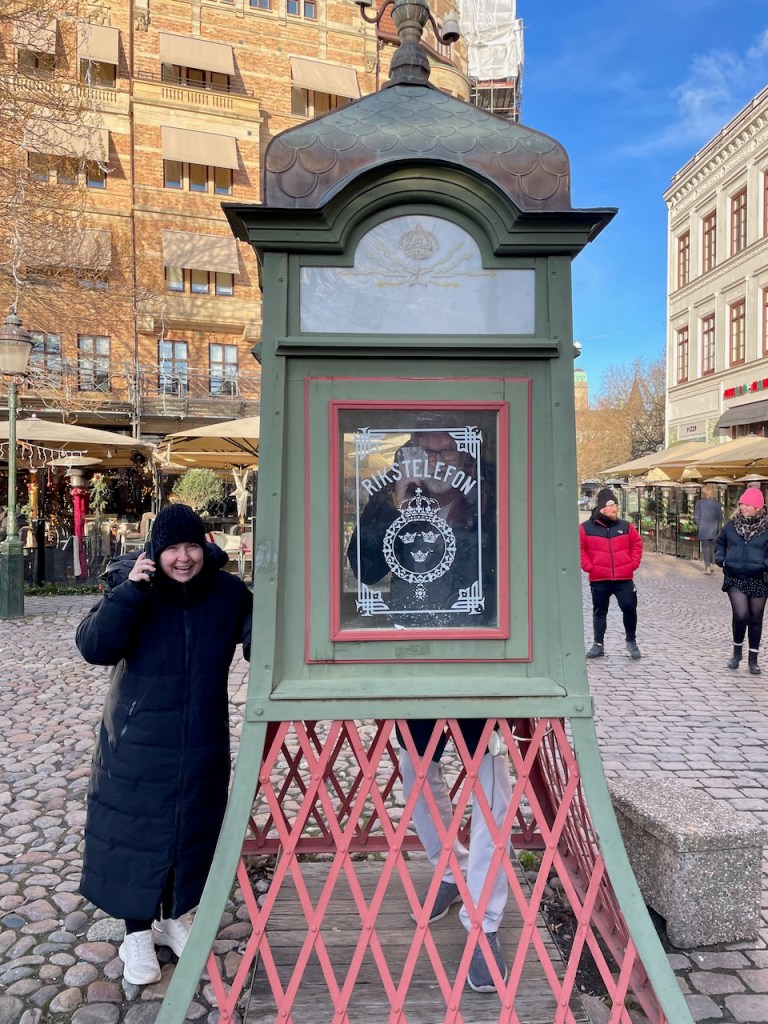
Their telephone system is a little behind the times though.

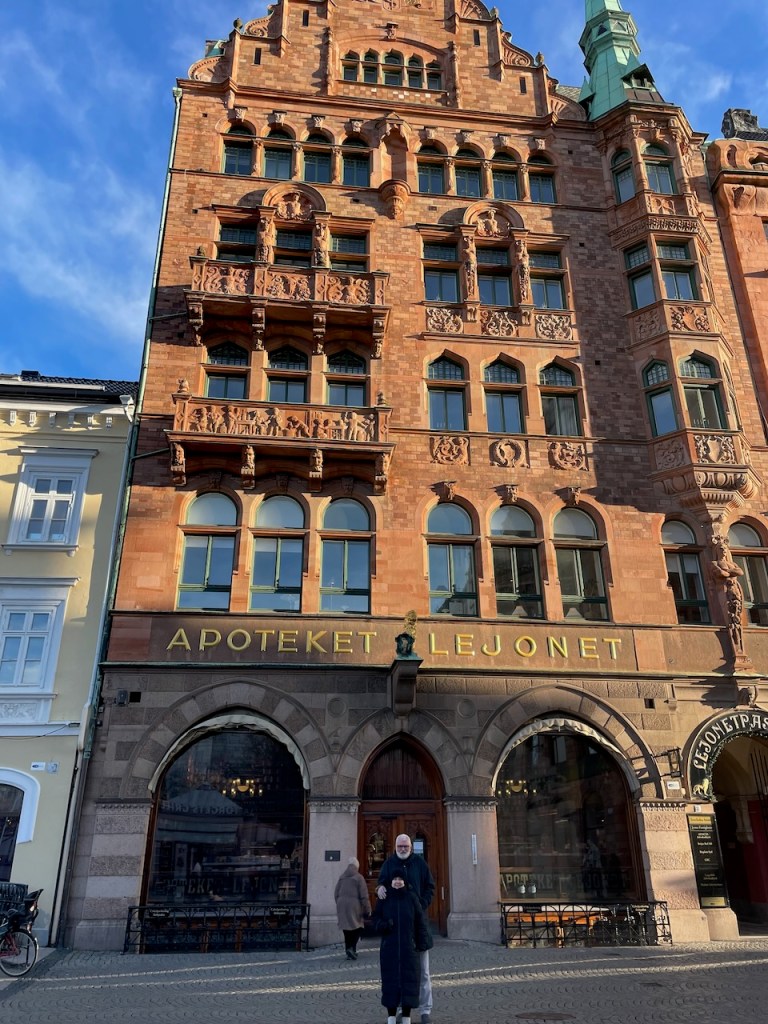
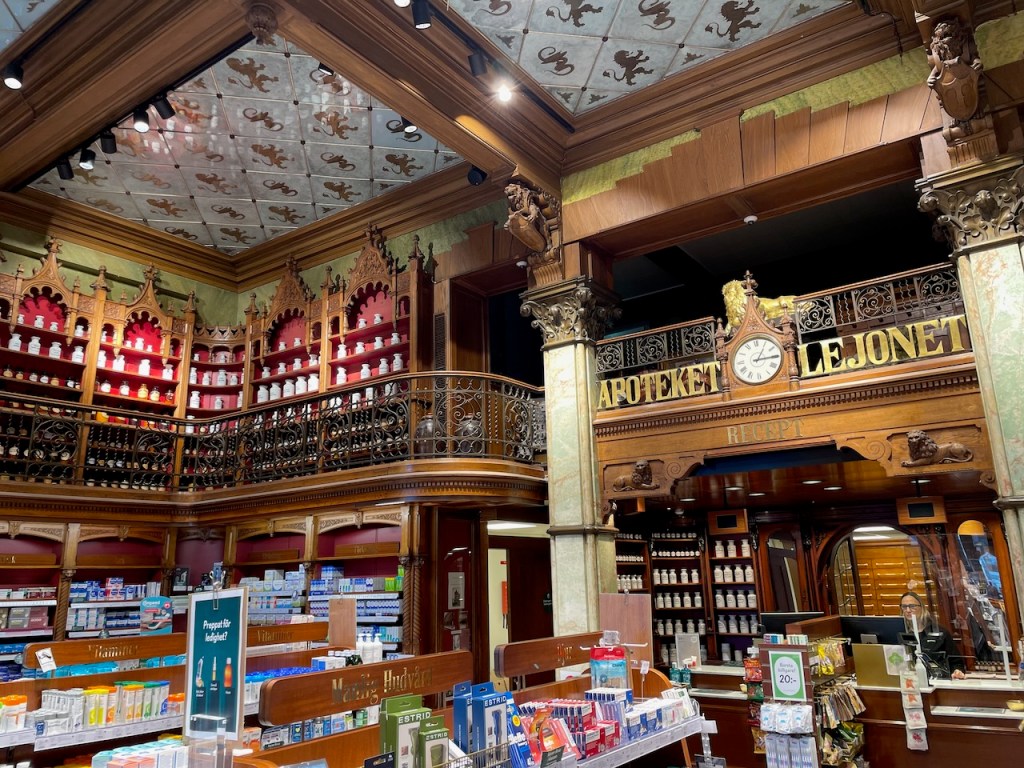
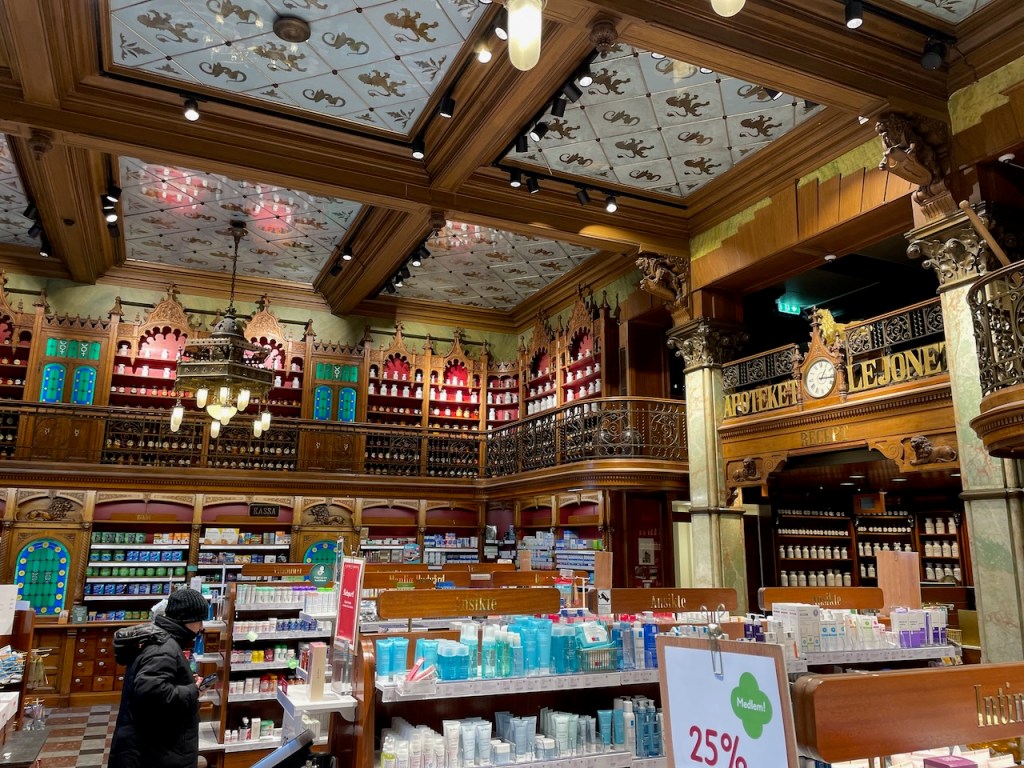
They do have a very old pharmacy, called the Apoteket Lejonet (The Lion), dating all the way back to 1571. But it can’t compete in the old-age competition with the Officina Profumo-Farmaceutica di Santa Maria Novella in Florence, Italy, which began in 1221 AD (i.e. 1221 After Der Christ). Although if you want to nitpick, after its founding, the Officina Profumo-Farmaceutica di Santa Maria Novella only serviced a bunch of monkeys for decades– er, what? Oh, monks. Sorry ’bout that. But anyway it didn’t open its doors to the public until 1612, so the Lejonet kinda beats the Officina Profumo-Farmaceutica di Santa Maria Novella on that score. And anyway, it’s remarkably beautiful and is the oldest one in Sweden, although they don’t sell Mandrake anymore and I refuse to take aspirin that’s 450 years old, so I’m not sure what good all that age does. I’m pretty certain they had a lot of expired medicines there, I’m sure just like the Officina Profumo-Farmaceutica di Santa Maria Novella, which in British English is spelled: the Officina Profumo-Farmaceutica di Santa Maria Novella.

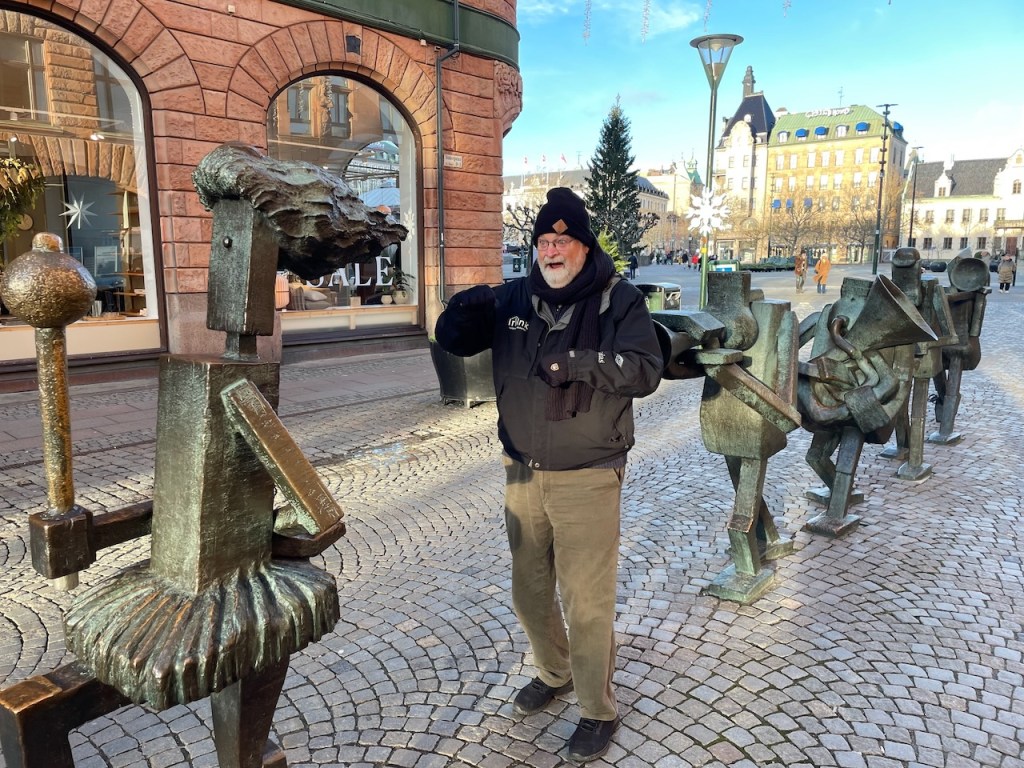
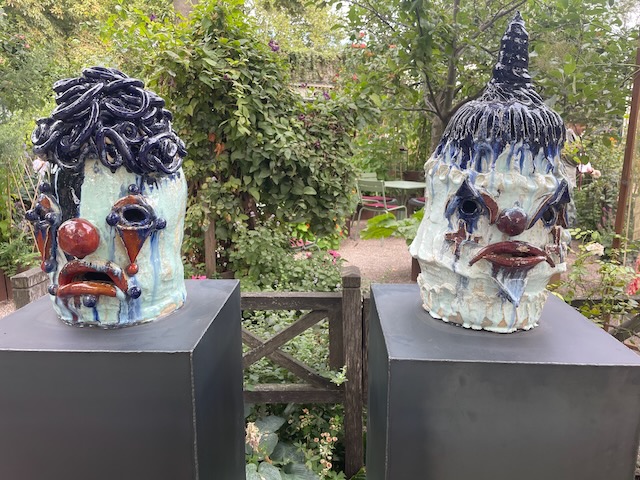
European countries have a fair amount of whimsical art, but it often gets ruined by goofy-looking American tourists. At least I can now say I played in a heavy metal band.

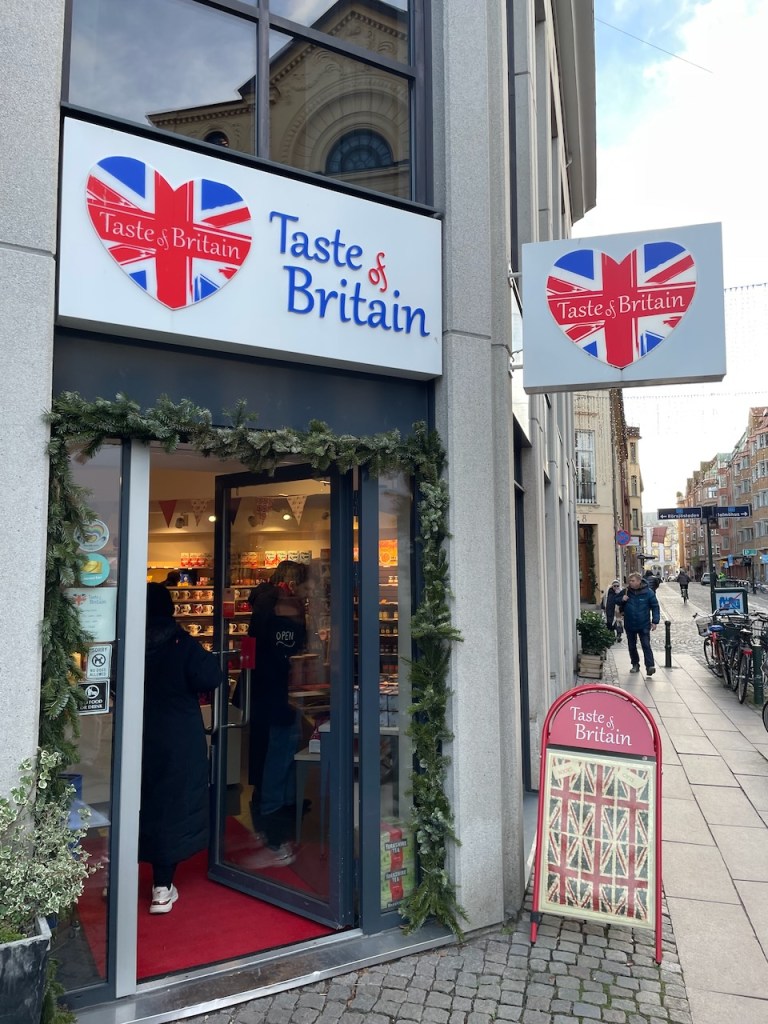
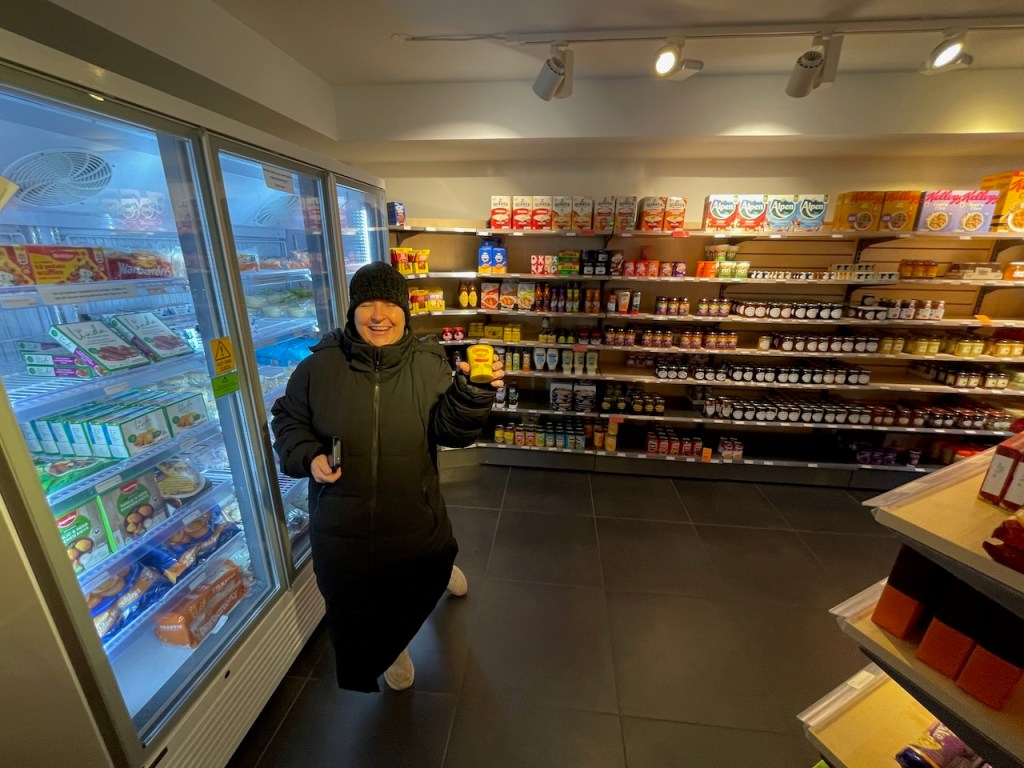
I enjoyed a laugh at the expense of the Brits after seeing the “Taste of Britain” sign by joking, “Man, it must be a really small store.” Because, you know, the cuisine of our British friends is often mocked, which can hardly be blamed when you regularly eat something called Spotted Dick. Anyway, turns out it really was in fact a small store, so I was able to laugh twice at the joke, meaning I really got my money’s worth. Pia was just happy to find some striped mustard, or whatever that is.

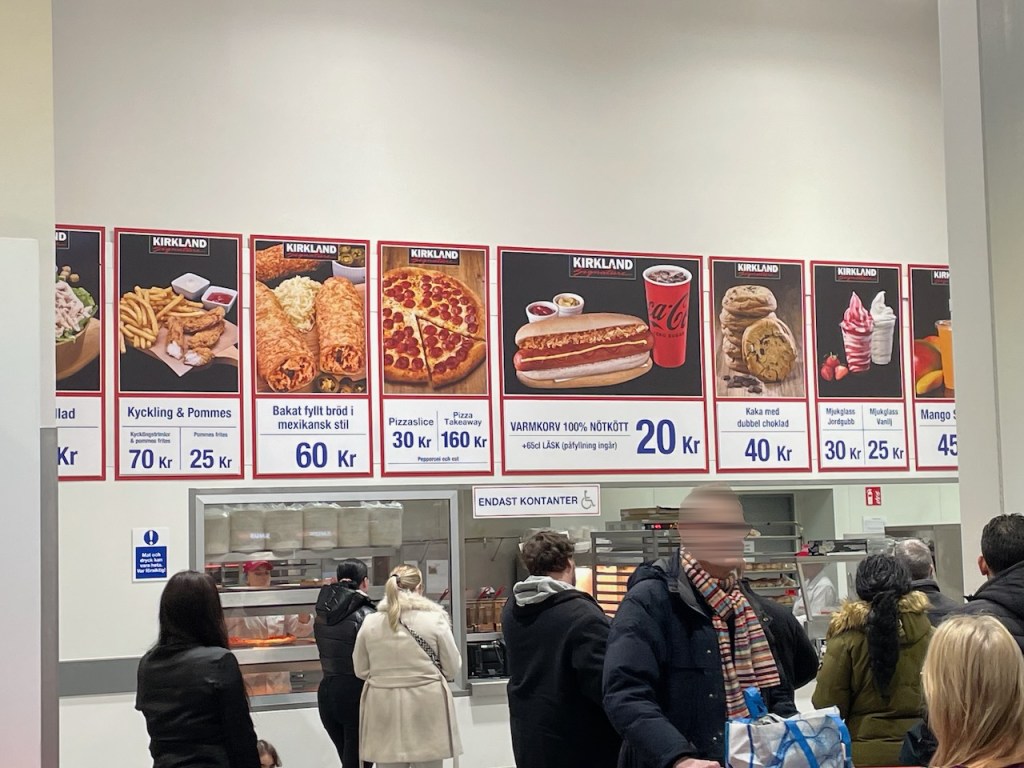
For all those Americans who wonder if Costcos around the world are the same, here’s photographic evidence that in fact, yes, they pretty much are, even in Sweden. The price of that famous hot dog/drink combo is the equivalent of US$2.15, so yeah, it’s hard to avoid Americana pretty much anywhere in Europe.

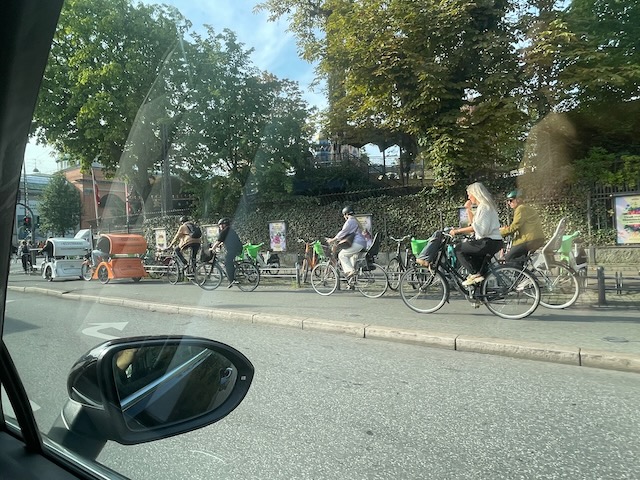
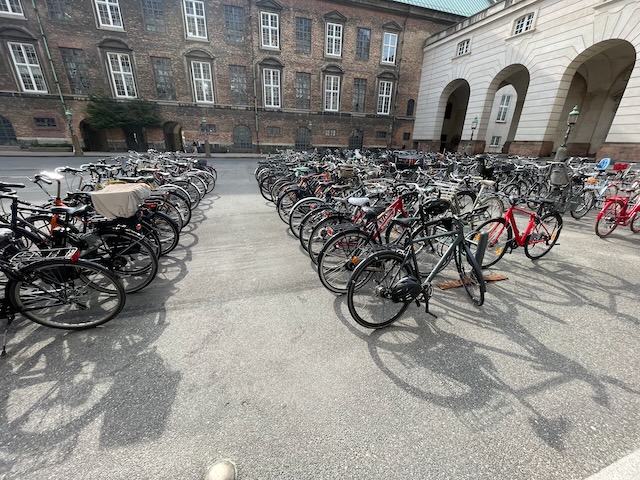
As I put this entry together, I suddenly remembered that in 2025 I had made a whole other visit to Copenhagen and had failed to create an entry for it. After all, I have been there four times, so maybe I was thinking it was a bit redundant. But’s a fabulous city and deserves all the acknowledgement and kudos it can get. However, in the interest of keeping your toilet-time reading resulting in only semi-deep impressions on your outer bum, I’ll limit the commentary some… even though I just proved that I might be incapable of that. But pedal on! Because a city with lots of bike riding has got to be wheelie wheelie great.

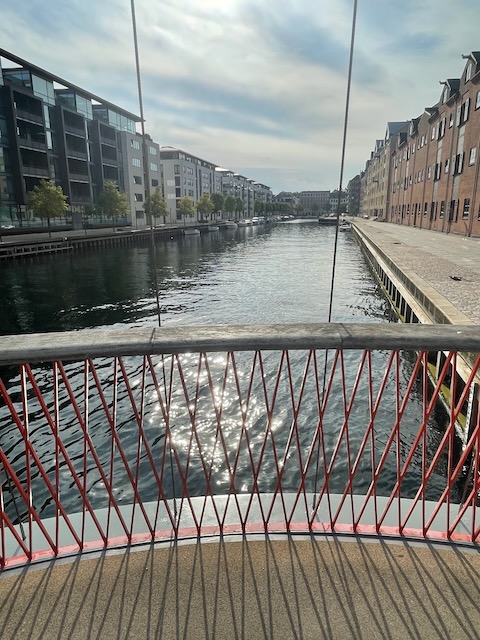
You can’t go anywhere in Denmark without being close to the sea. Øresund, or “The Sound” in English, is enjoyable to walk near in order to see lots of Danish architecture as well as government buildings, and if you’re lucky, occasional sightings of Per and Pia trying to lift up a house.

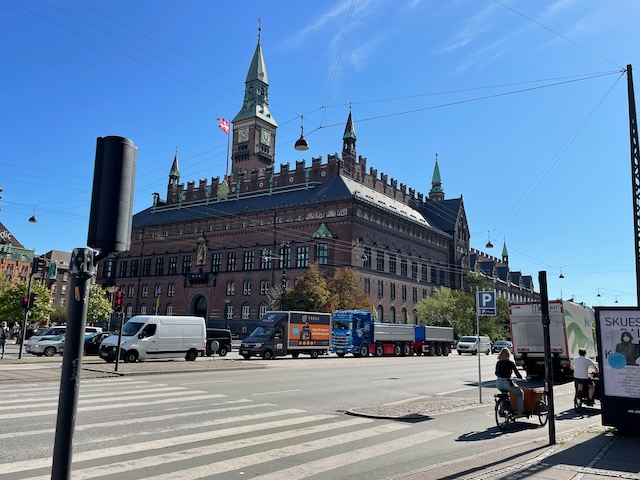
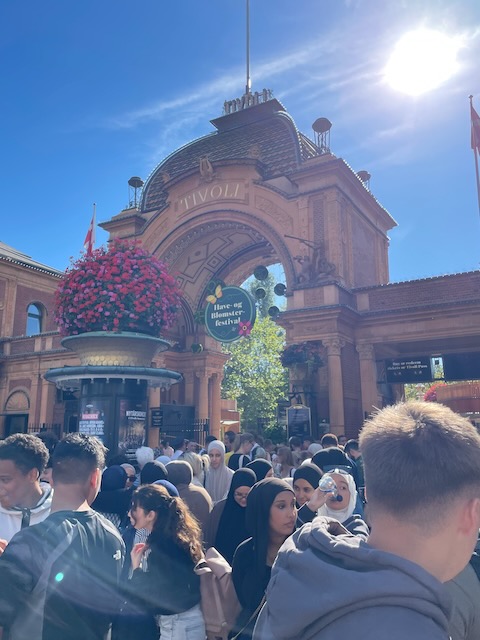
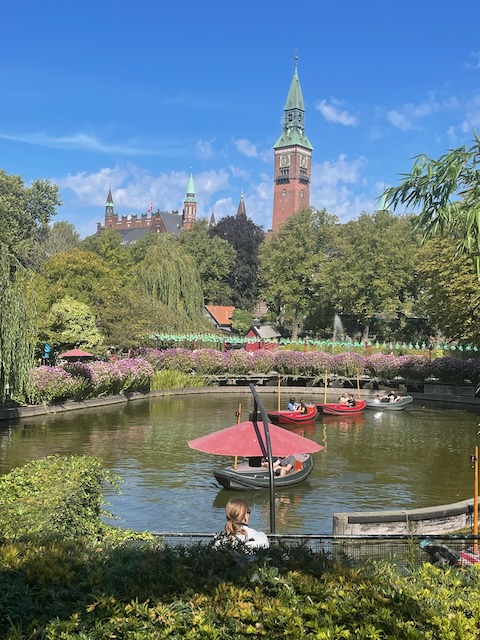
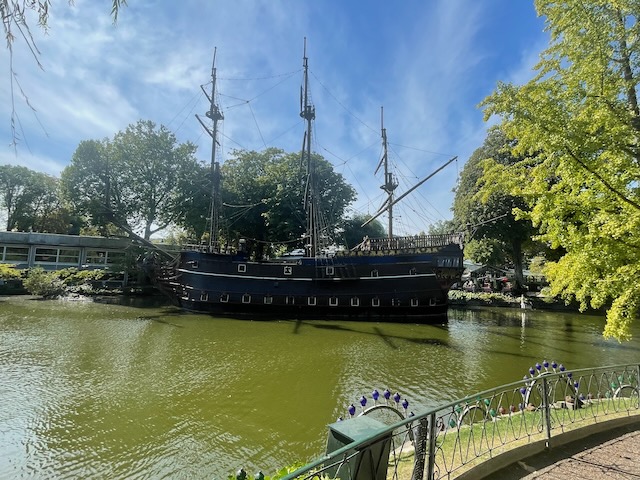
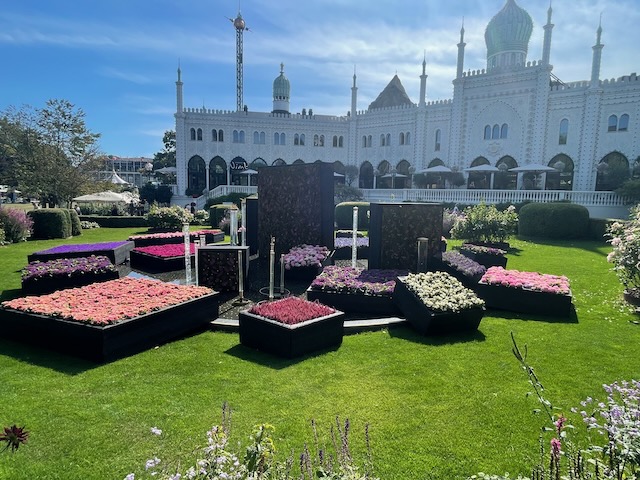
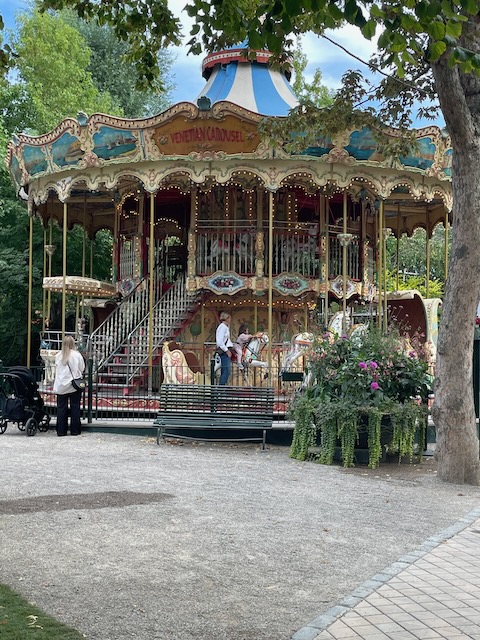
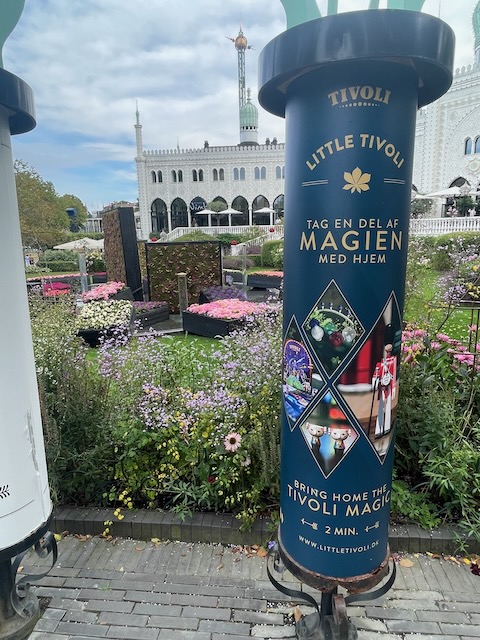
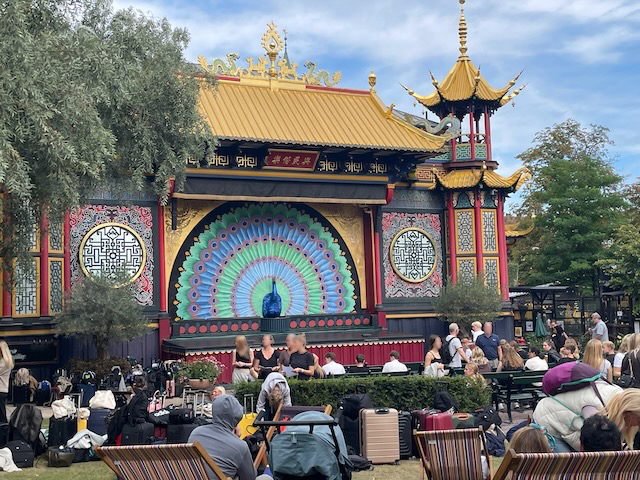
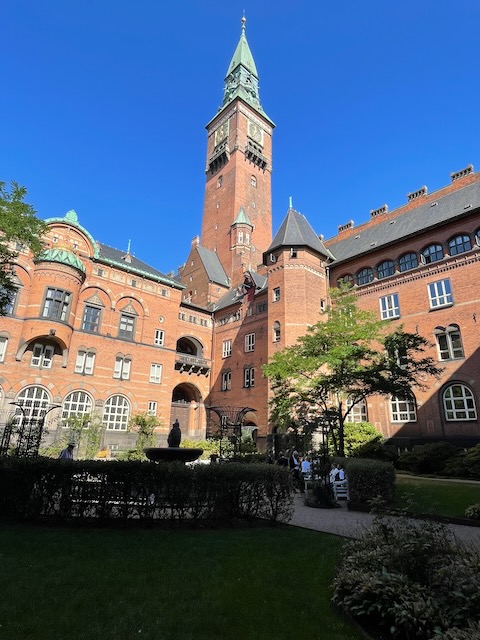
The famous Tivoli amusement park is right downtown, not far from Rådhuspladsen, or City Hall Square, which has lots of interesting things to see. Here they proudly display The Dannebrog, the Danish flag, which is the world’s oldest continuously used national flag, dating back to 1219, which my calculator says is a freakin’ long time ago.

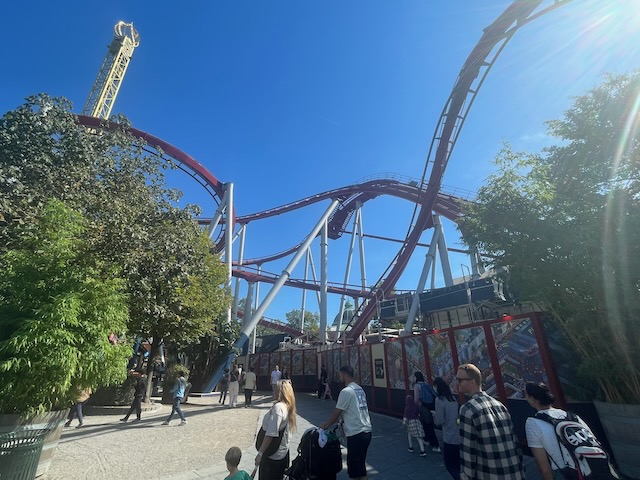
Tivoli opened in 1843 and is the second-oldest operating amusement park in the world, after Dyrehavsbakken, which is also in Denmark and also got a write up here in Bald Sasquatch.

Tivoli is the second-most popular seasonal amusement park in the world after Europa-Park, which, in a bizarre coincidence, is the most popular seasonal amusement park in the world just ahead of Tivoli.

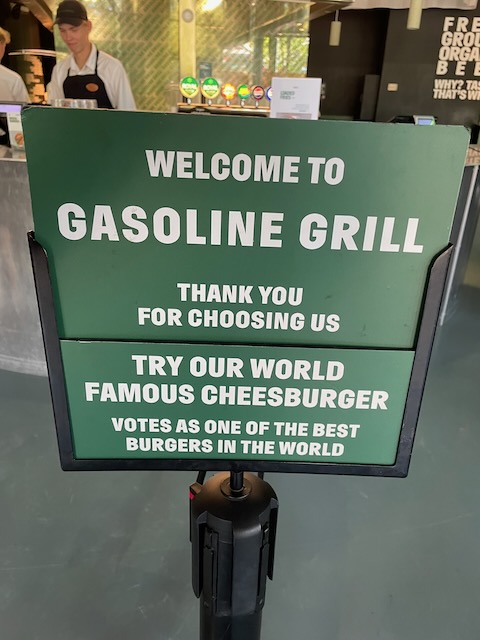
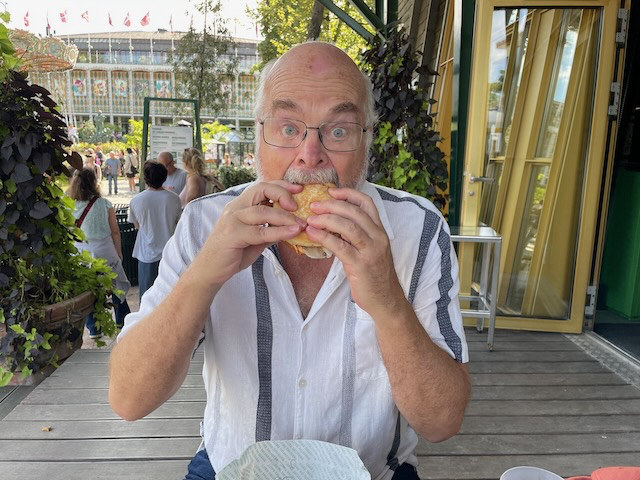
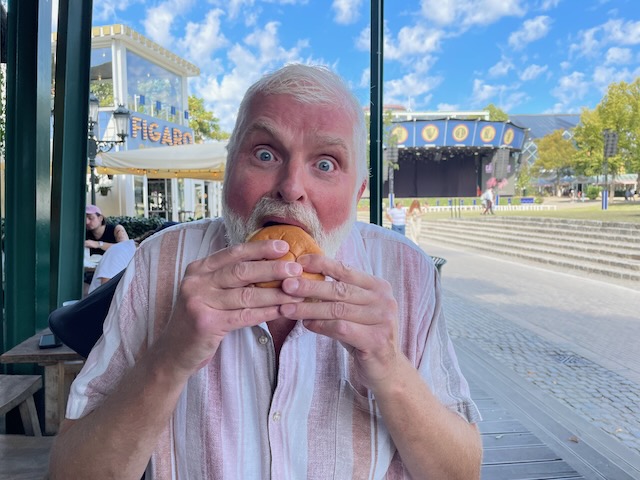
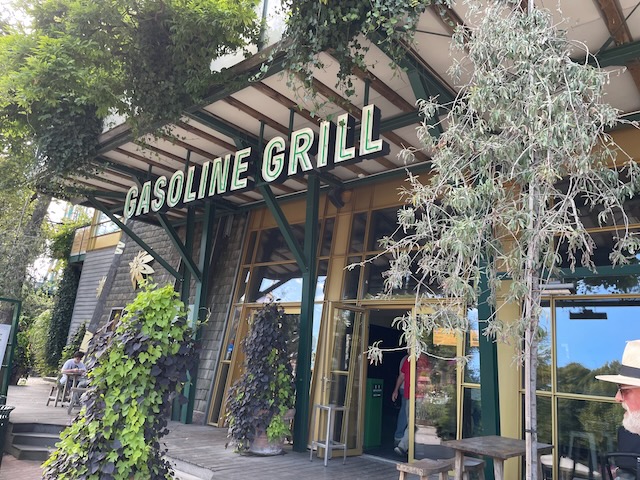
Inside Tivoli park we had to test out this brazen advertising claim made by the Gasoline Grill (not really the most appetizing name for a restaurant) and its world famous cheeseburger, “voted as one of the best burgers in the world.”

I couldn’t find the asterisk on the sign, but it needs one, surely pointing to: “Of course, we only collected one vote and it was from the mother of the owner.”

The burger wasn’t bad, mind you, but one of the best burgers in the world?

That’s just a bunch of horse patootie right there.

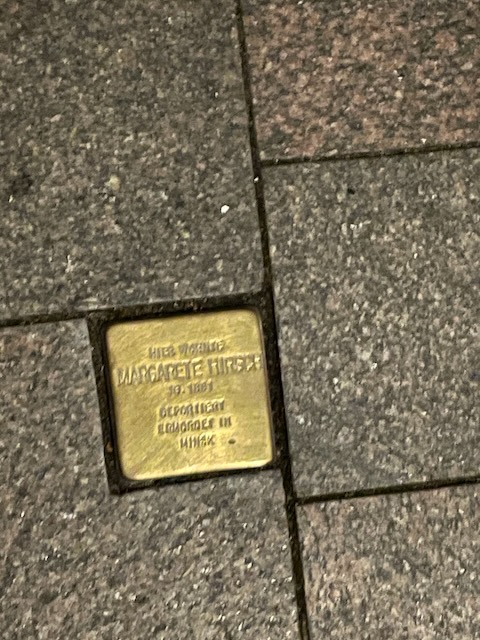
But this definitely isn’t. These small gold squares, officially called Stolpersteine (German for stumbling stones), are small brass plaques embedded in the pavement in front of houses where victims of Nazi persecution last lived freely. Each stone bears the name, birth year, and fate (deportation and death, if known) of an individual.

There are over 100,000 Stolpersteine across Europe, and I think is a wonderful idea, because damn if we aren’t already seeing too much collective amnesia about unspeakable tragedies that happened less than 90 years ago, risking their repeat all over again.

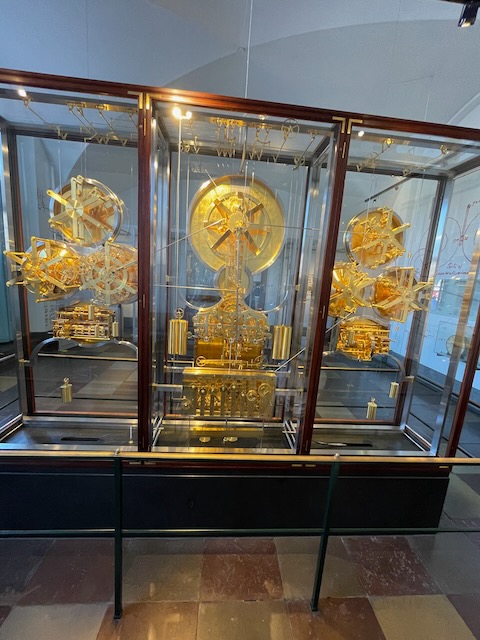
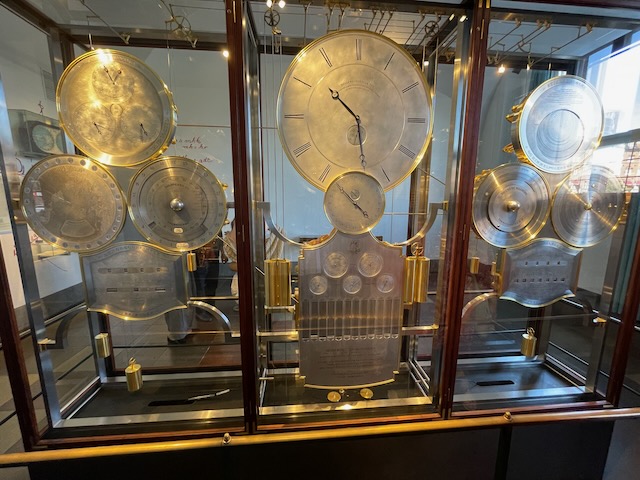
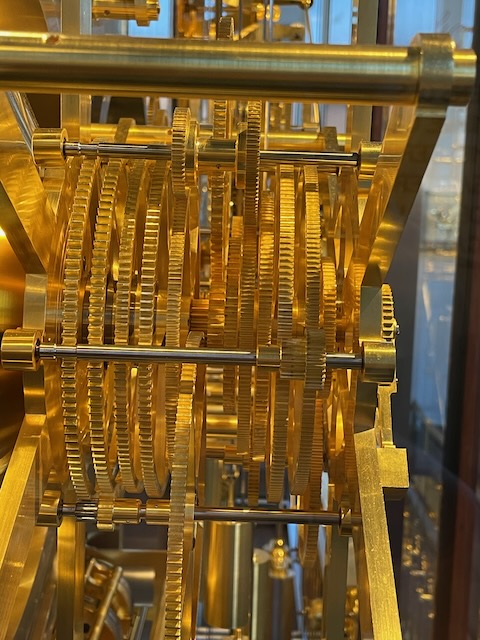
One fascinating exhibit they had nearby was this World Clock. It’s a clock designed to last for thousands of years, and in fact one of the clock’s gears makes a complete rotation only every 25,753 years. Since the clock was started in 1955, that will mean only the people in the year 23,798 will be able to see that thing complete its rotation. I mean, my word, the song “In the Year 2525” only got to the year 9595, and that was ridiculous and didn’t sound fun at all. I really think in an additional 14,200 years later than that humans will either be long gone or look like worms with big bulbous heads. But they will still have a clock.

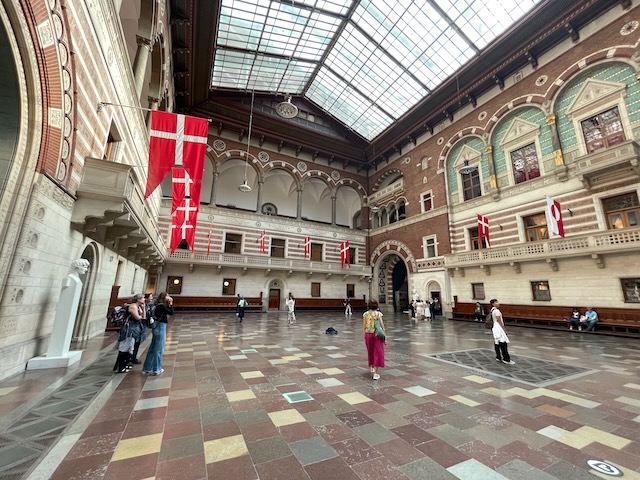
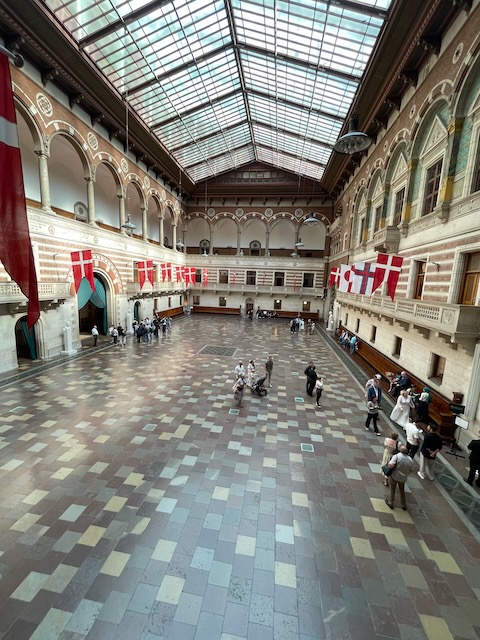
Speaking of time, which I’m almost out of (“Thank God!” exclaims a chorus of readers) the Town Hall also has the Town Hall Tower Clock, which famously chimes in the new year every year, except I suppose the ones that don’t actually have a New Year’s Eve, which I think is every 99 or 14,243 years or something like that.

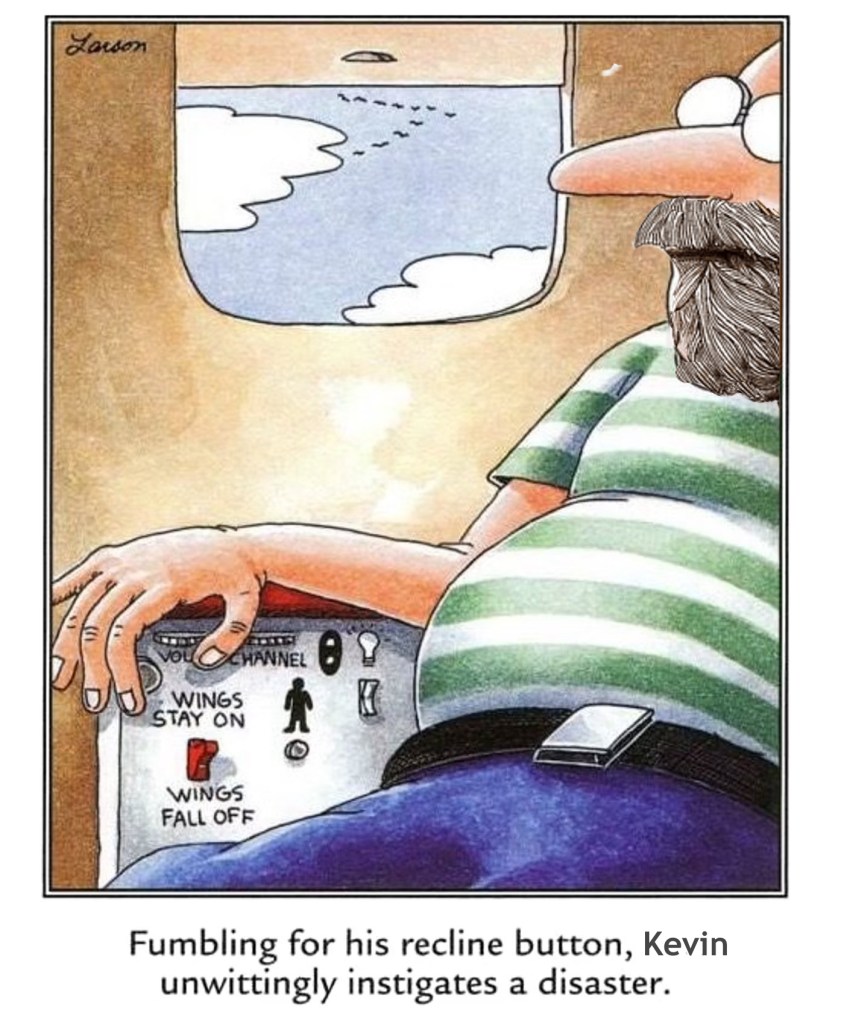
So off I went to Budapest next, in freezing weather and all. And now you know how they de-ice planes, which turned out not to be necessary because I was on the plane:

(Scroll down to see previous entries.)