
Even as I struggle to learn Portuguese, I’m often grateful that I don’t have to learn English as a new language. Most Portuguese know at least some English, but it’s mostly spoken English. Even native English speakers have a hard time with spelling and grammar. In Portuguese, “castle” is “castelo,” pronounced just like it’s spelled. But English speakers pronounce it “cassle,” like “hassle.” Which learning a new language definitely is. Anyway, here follows our visits to two unique German schlösser (castles in German, or what happens after one too many beers).
About 60 km south of Stuttgart is a town called Hechingen, which hosts a fancy German castle called Hohenzollern Castle, named for Herr Heinrich Henzollen’s ho.
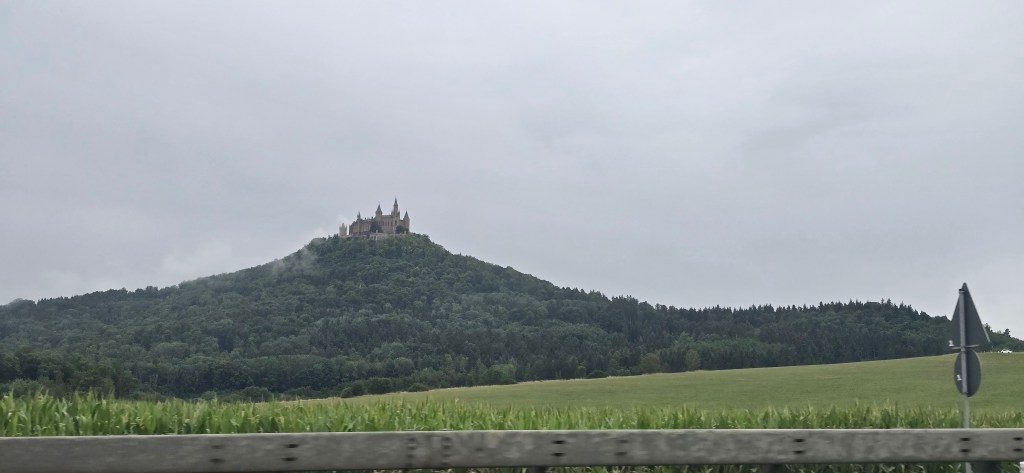

From a distance, it looks very much like a castle. But the closer you get, the more you realize it looks very much like a castle.

This is what it looks like when they invite Satan over for brunch.
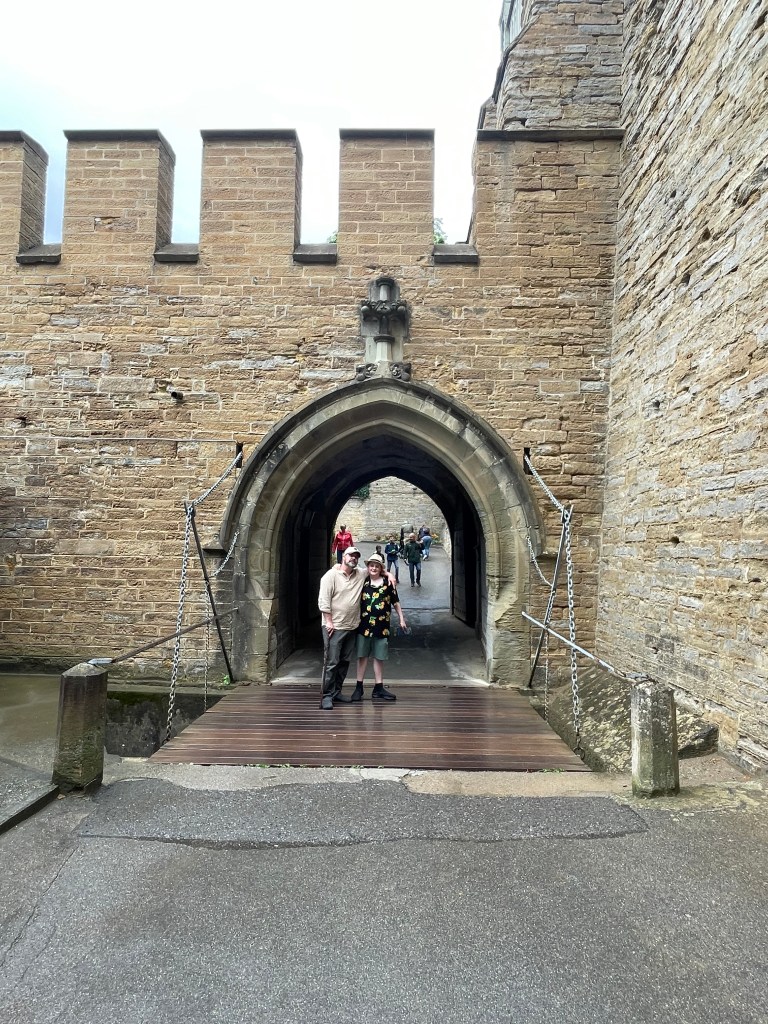


This is actually the third castle to be built on this spot. The first one was built in the early 11th century. It was completely destroyed in 1423 after a ten month siege by the pesky Swabians. I bet you’ve never heard of Swabia before, have you? It’s a region in Germany, I think it’s famous for inventing Q Tips.
In 1461 they completed the second castle, which was larger and swarthier, but eventually fell into disrepair, which was apparently a hole so deep they couldn’t pull it out. So they built this third and current one between 1846 and 1867, making it one of the most modern castles on that spot.

Like most castles, it has views to die for. Here Masi takes a break from all the sightseeing to enjoy the scenery. He lost his forearms in a horrific reaping accident, but we tried not to talk about it too much, especially when he attempted to count to eleven (he still has ten toes, but after that, he got a bit lost).


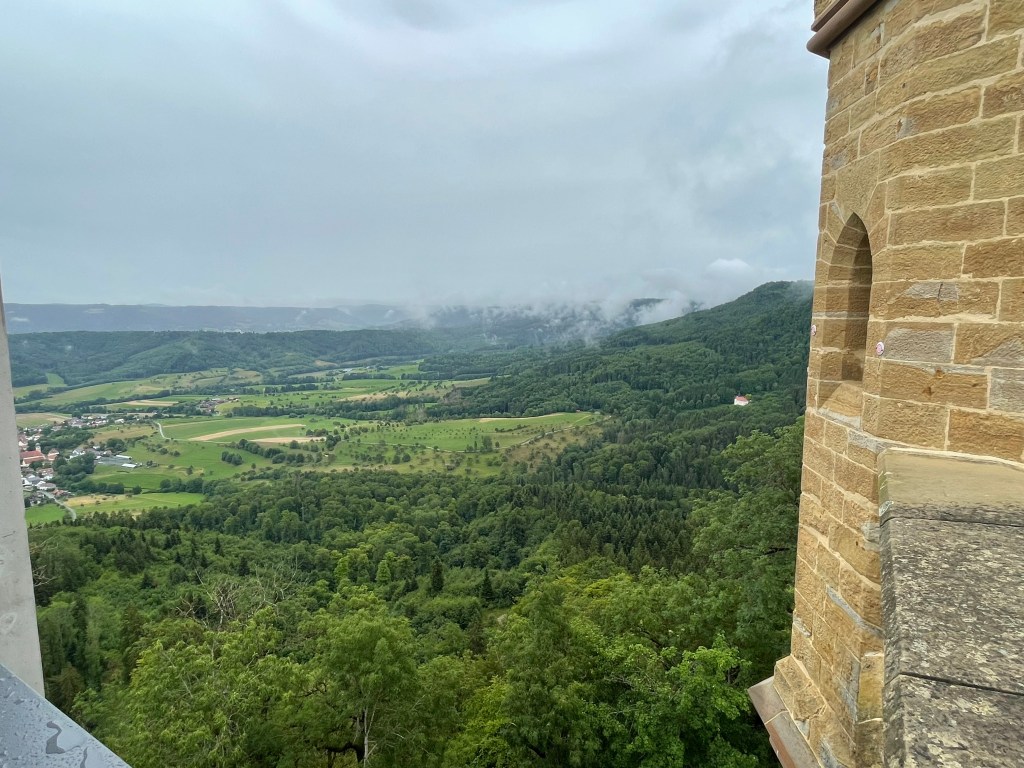
Fortunately for us, Hohenzollern Castle is renown for its healing properties, including miraculous limb regeneration. Unfortunately, he now has seven fingers and three thumbs, but at least he can count to ten now.
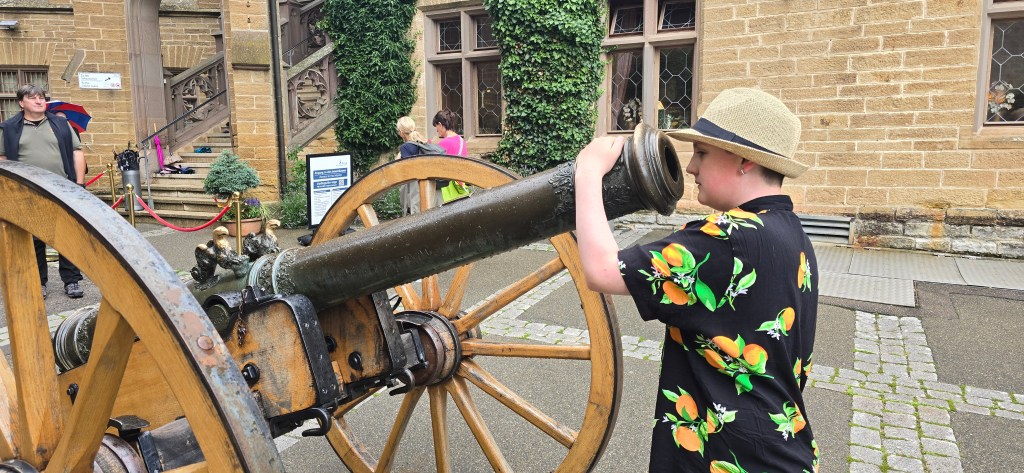
The last words of many a young soldier: “Is this thing load—“

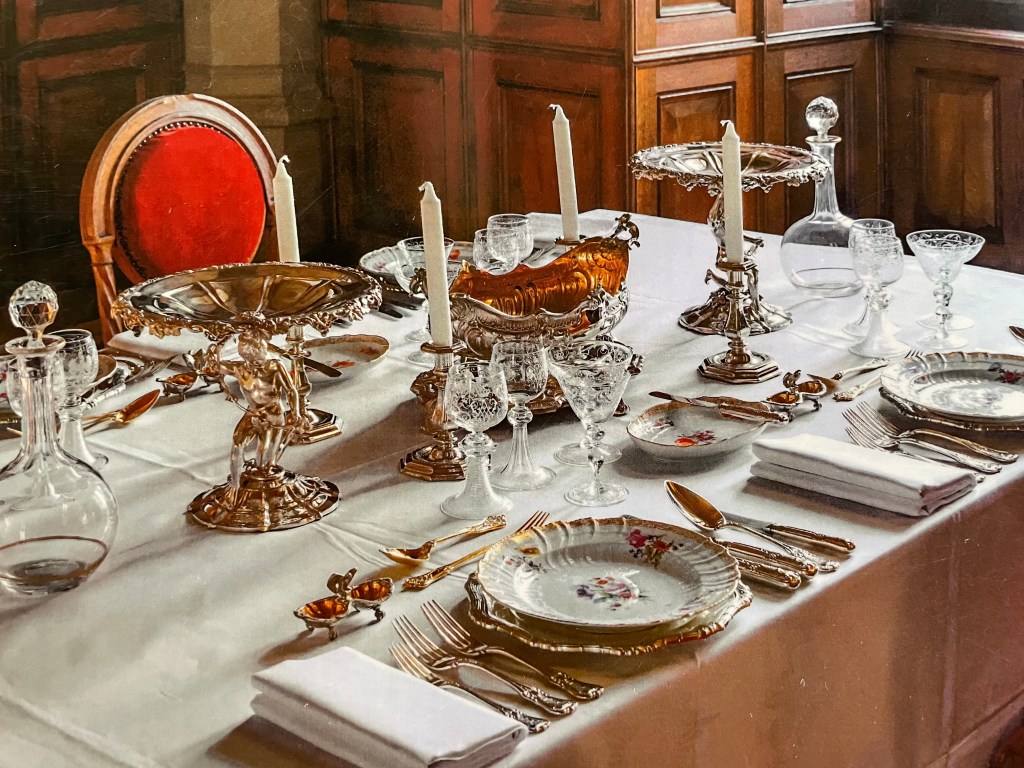
It’s much safer to stand in front of swords as long as they’re affixed properly. The castle staff kindly set out a table for our lunch, but we’re kinda snobbish and just thought the whole thing was a bit pedestrian. I mean, c’mon, only three forks? Pssh. What do they think we are, peasants?
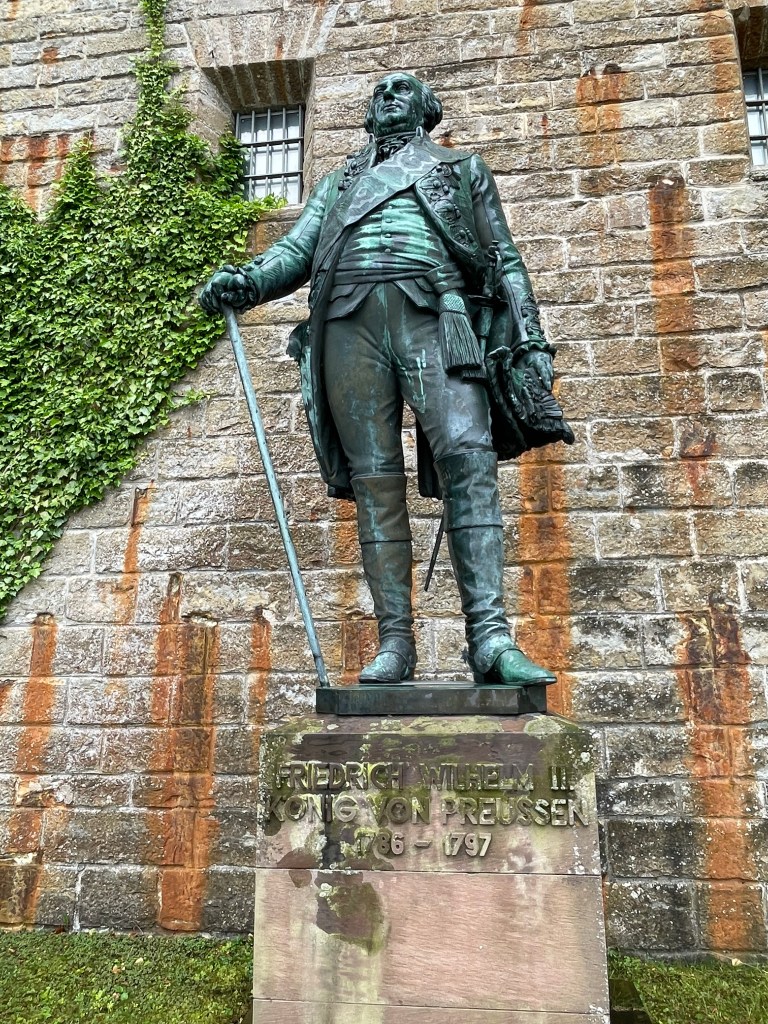
On the right is evidence that the olden Germans had some weird growth hormones in their beer. If you zoom in on the dates on this statue, it says Friedrich Wilhelm was born in 1786 but died in 1797, so this guy was only eleven years old when he posed for that statue! Hmm, I wonder how old Hitler really was… he did act like a toddler sometimes.

I wonder if men in untucked shirts and baseball caps would have had the same fearsome effect on any attackers.
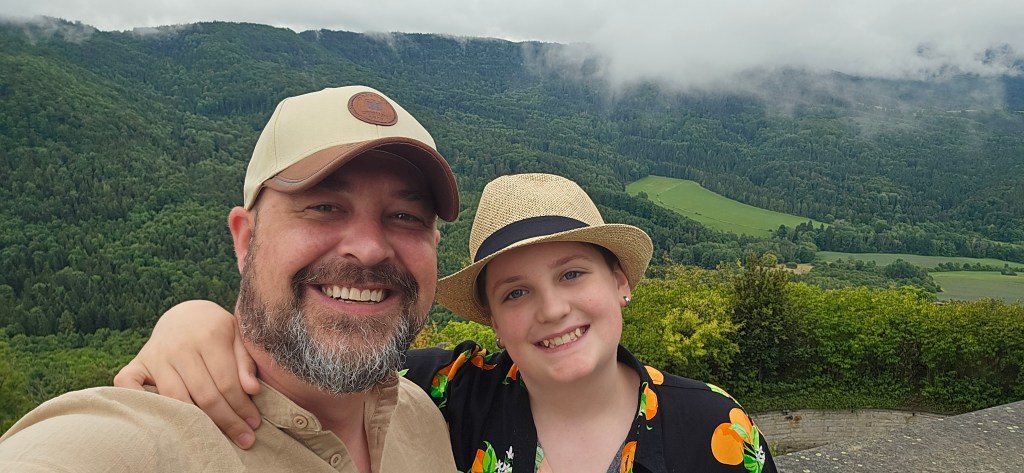
In the end, my two handsome boys enjoyed the visit and even managed to hold those smiles for the fifteen or twenty seconds it took for me to figure out why the photo button on my iPhone wasn’t working. Ah, turn it over, dummy.
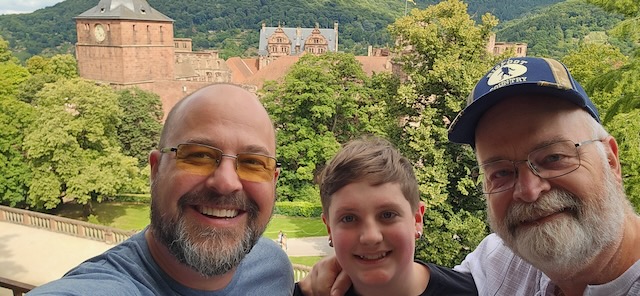
Next on the castle-y tour was Heidelberg Castle, perhaps named after someone named Delberg to whom everyone said “hi.”


Actually, the name Heidelberg is derived from the German words meaning heath and mountain, apparently because it was unwooded at the time so the Germans just sat on the hill eating Heath bars. Perhaps the trees knew what they were doing by staying away because the castle has been struck by lightning at least twice. The first castle structure was built before 1214 and was later expanded into two castles, but in 1537, a lightning bolt destroyed the upper castle. Then in 1764 another lightning bolt caused a fire which destroyed some of the rebuilt sections. Whoa! Someone up there wasn’t happy with those castles!
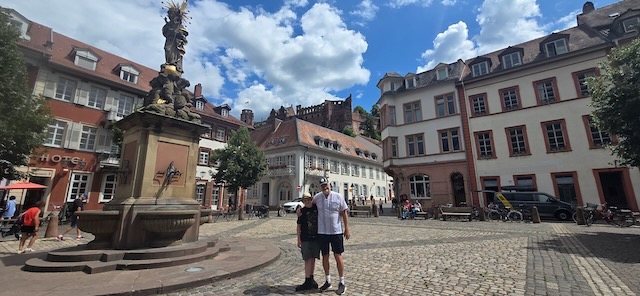
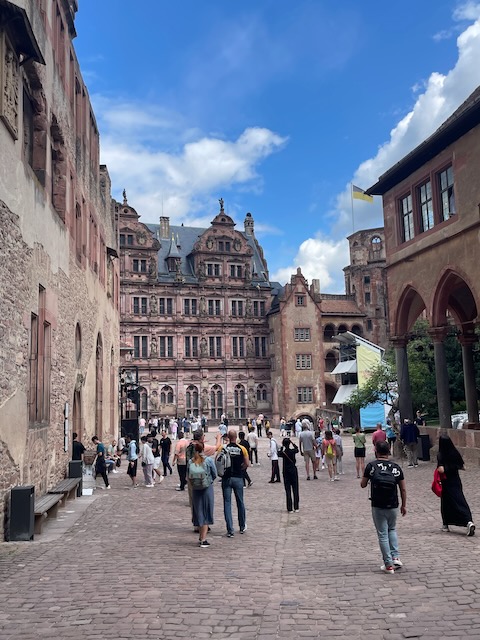

The castle has only been partially rebuilt, with some of it still in ruins. I thought the inside was just as interesting as the outside, although outside some of the buildings were impressive.


Like most castles, the views are spectacular, overlooking the city of Heidelberg. The city was largely spared bombing by the allies in WWII mostly due to its lack of strategic importance, and was occupied by the Americans at the end of the war. They of course also brought with them new McDonald’s and Burger King franchises, which resulted in the average Heidelbergian gaining about 10 kg (22 lbs.) during the first year of occupation.

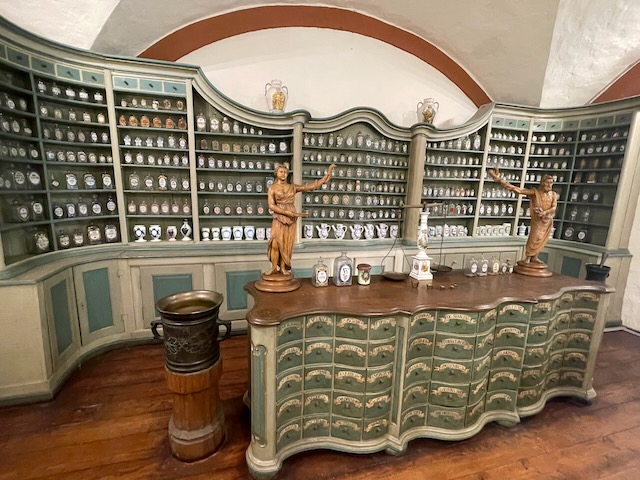
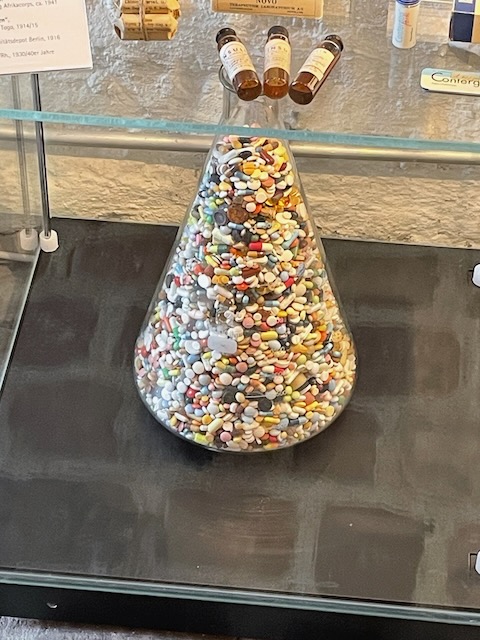
Inside the castle they demonstrated their pharmaceutical prowess of yore in the Apothecary Museum. The jar on the right held just enough pills to get through the day if you had a headache.


On the left is either a beer-making machine, a pill-making machine, or, based on the picture to the far right, some sort of auto-erotic device. Yeah, you go first. In all the top pharmacies back then, opium was an important medication for things like headaches, concerns about where pimples might happen, and when you otherwise felt fine and wanted to party. I can only speculate on what they did with the container on the right. Google Translate had no idea what “pichurim” is, so I can only guess it was something so nasty they decided to just banish the entire concept, but this appropriately shaped container seems to have survived the whitewash. I’m hoping that dish isn’t filled with expired testicles removed after too many nights of auto-erotic machines and opium. That would be nuts.


Someone once told me that Germans like beer. This gigantic beer barrel is all the proof one needs. Unfortunately, Masi figured out a way to tap into it and had downed a number of mouthfuls before we could get to him.


After a last look at this interesting castle, we rode the funicular down to old town Heidelberg.

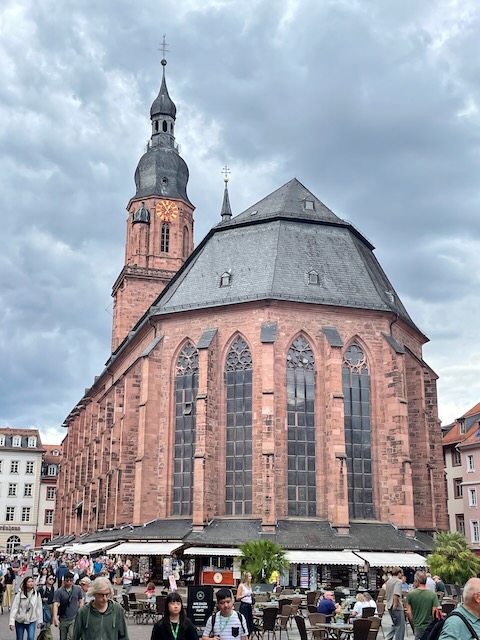


Old Town Heidelberg is very cute with some great old buildings (again, spared during WWII), and a fair amount of tourists (mostly made after WWII). We had a nice German lunch at an Italian restaurant, er– was it a nice Italian lunch at a German restaurant? …and otherwise enjoyed walking around the area.
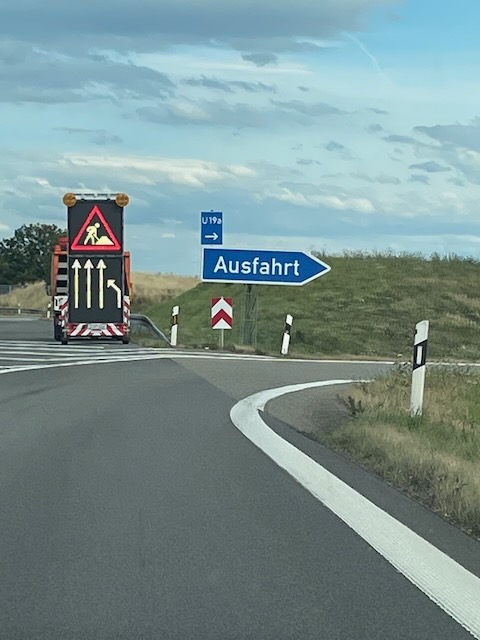
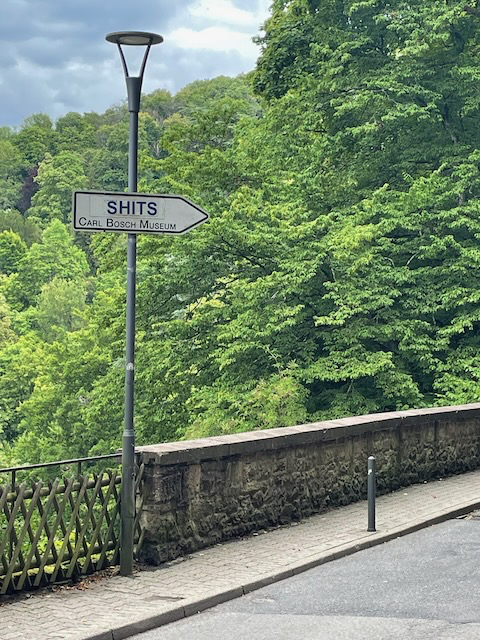
The Germans seem a bit obsessed with bodily functions. Fortunately, no matter how much explosive diarrhea we had, it was always easy to find a sign pointing the way to go.
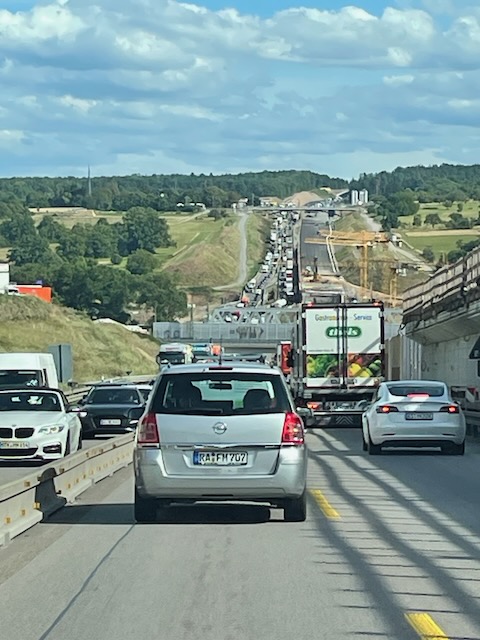
We settled in for the two hour drive– er, check that, I don’t know how many hours it took us because we encountered more than our fair share of jammed-up freeways as we made our way around the country.


Occasionally we would break out of the traffic jams and find a place to stop and see something interesting, in this case the Rhine Falls, known as the largest waterfall in Europe by average flow rate (the falls are actually in Switzerland, but I had some extra room). To be candid, it didn’t really seem all that impressive to us. Europe seems to be a little light on the waterfall flow rate department if this is the best they’ve got. The Rhine Falls are just the 23rd largest by flow rate in the world. Many Oregonians might be surprised to learn that the Willamette Falls in Oregon City is even more powerful, ranking 17th in the world, and no one there pays it much mind. There’s a small viewpoint on a busy highway where you will occasionally see a car stopped to view them. I guess everything is a little more exotic when it’s in a foreign country.
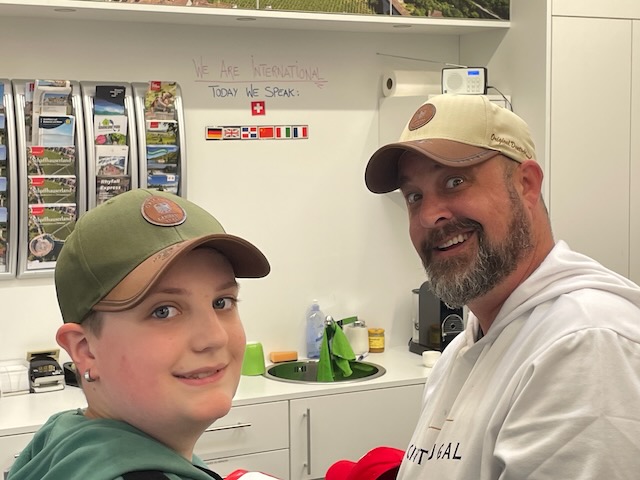
Ah, but they do have something the Americans don’t have, the need to speak multiple languages. In the gift shop they put up these little flags to show what they can speak on any given day. I tried some Swahili on them but was met with a blank stare, like I usually get when I speak Portuguese to a Portuguese.
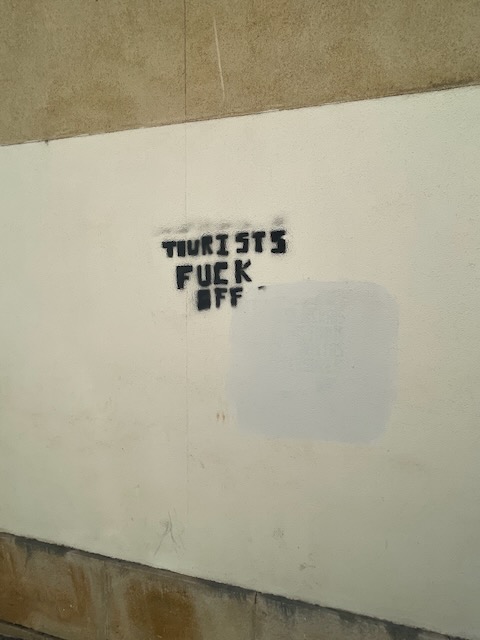
A good percentage of Europeans are proficient at English. Except here I’m not sure who Off is, but I think it’s a little presumptuous of them to provide a suggestion like that. Does Off even know about this? Oh well, at least they care enough to offer some guidance, but a little more information would have been appreciated.
(Scroll down to see previous entries.)
 baldsasquatchdotcom