
When we were first arranging to come here, people would ask me what my greatest fear about it all was.
The answer was about my ability to learn Portuguese. I figured I could handle whatever else would be thrown at me. You just figure it out or ask someone or make your best guess and move on. But learning a new language is really the first time I’ve tried to force my brain to learn something completely new and major in decades. In business, you learn things bit by bit. It’s a slow process of accumulation. But when learning a new language, you’re being asked to memorize completely new stuff over and over again.

Even though the famous language struggles of the Chinese make me feel a little better about it all, thus far, I’ve discovered my fear wasn’t unfounded. I am often exposed to a new word in Portuguese and then ten seconds later am asked to repeat it. And it’s just not there. It’s like I never heard it. After three, four, or sometimes ten times, it starts to sink in. And that’s just one word!

Then they ask me to string a bunch of words together to form a sentence. There don’t seem to be many rules about what goes where and why. The Portuguese just put it in a certain order and you’re supposed to just remember it, not try to figure out why.
They also throw in these “o’s” and “a’s” from out of the blue. “This is my dog” translates to: “este é o meu cão.” Where the hell did that “o” come from? It’s just my cow –er dog! Este meu cao! That’s it! I don’t need no damn “o” providing some sort of exclamation! He’s a lousy dog anyway, he doesn’t deserve an “o.” Actually, we don’t have a dog right now. I miss having a dog, which translates to: “Sinto falta de um cão.” Where’s the “o” now homies?

On top of all that, every noun is either male or female, which is common in lots of languages. But why? Who the hell came up with that bright idea? And why is “ovo” (egg) a male noun? And “guerra” (war) a female noun? You can’t tell me violence isn’t a male-dominated activity. I’d commit some male-dominated activity on the numbskull that decided every noun needed a sex.
Like Spanish, if a word ends in an “o,” it’s probably a male word, and “a” for female. Probably. “Um mapa” (a map) and “um dia” (a day) are both male, just to mention a couple of exceptions.

Most of the time when I say things in Portuguese to Portuguese, I get a blank stare in return. Carolyn’s pronunciation is much better than mine. Hell, I don’t pronounce so well in English. Anyway, you try saying “carrrrrrrlllllo” (car), or “lhes,” (them), which is pronounced just like it’s spelled. It sounds like I’m having a seizure.
Anyway, I’m posting all of these Chinese signs to make me feel better.
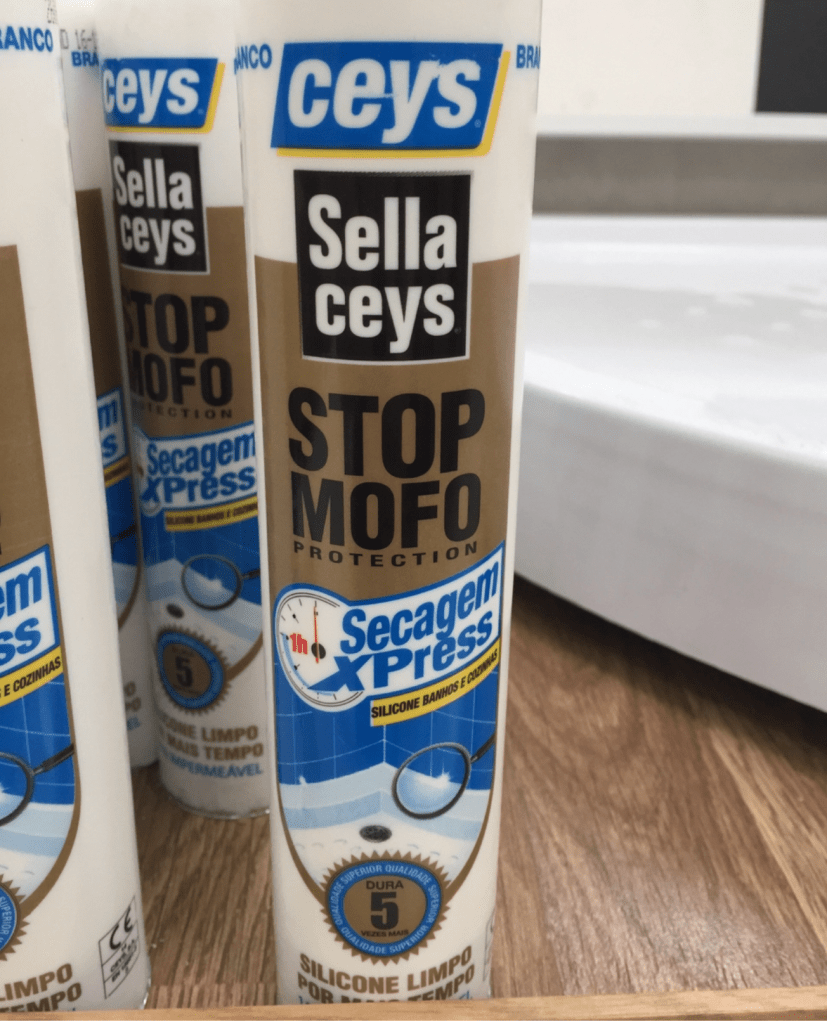
The Portuguese can’t quite keep up with the Chinese in the Signs Hijinks category, but we’ve found some of the translations on ads and products to be pretty funny. Enjoy!




 baldsasquatchdotcom